
From 13 to 24 October, the NATO Defense College (NDC) conducted its Modular Short Course (MSC 147-2) on “Strategic Competition and Conflict”, held in conjunction with Senior Course 147. The course focused on the political and military significance of key regions and their relevance to NATO’s strategic priorities.

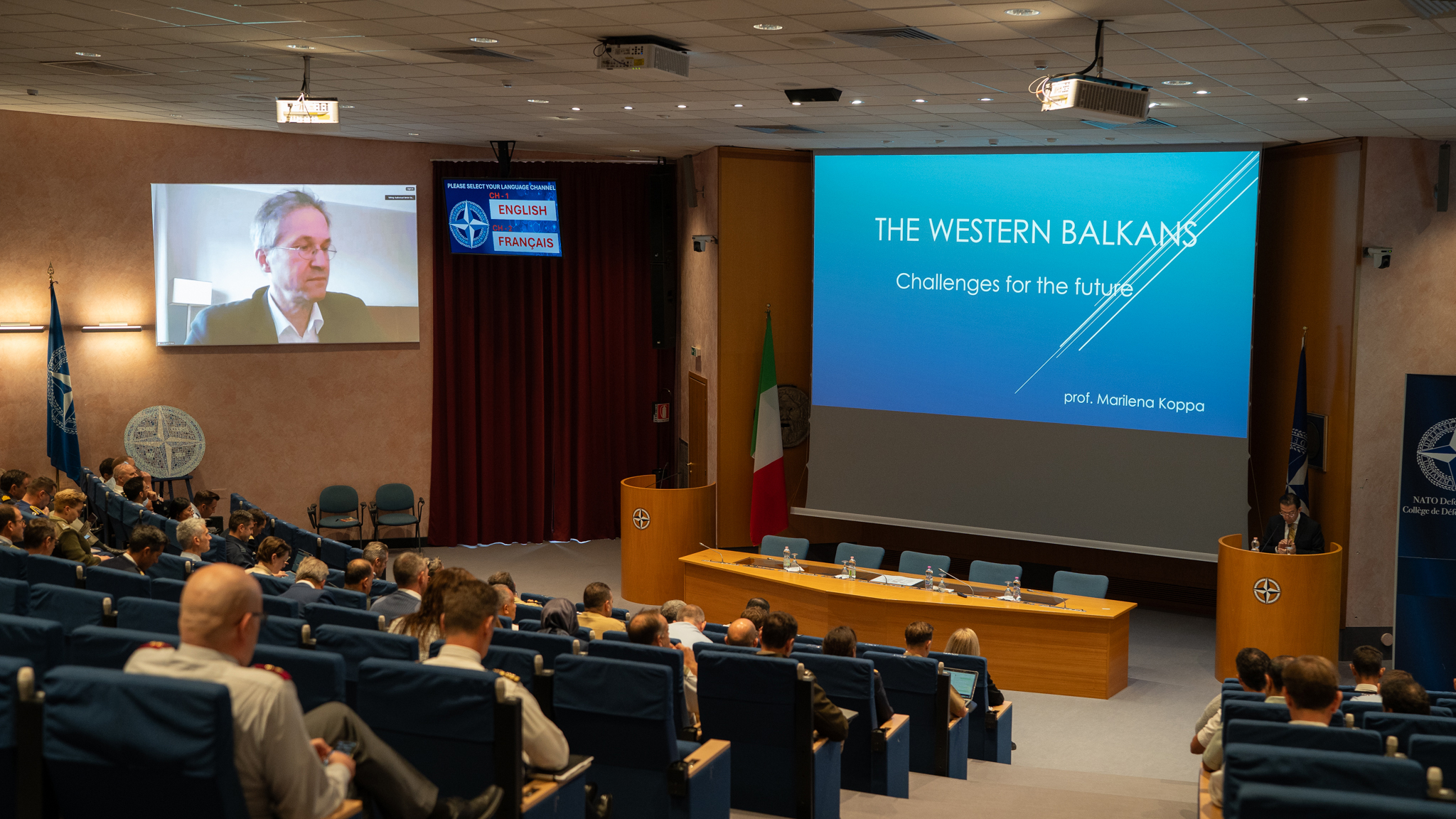
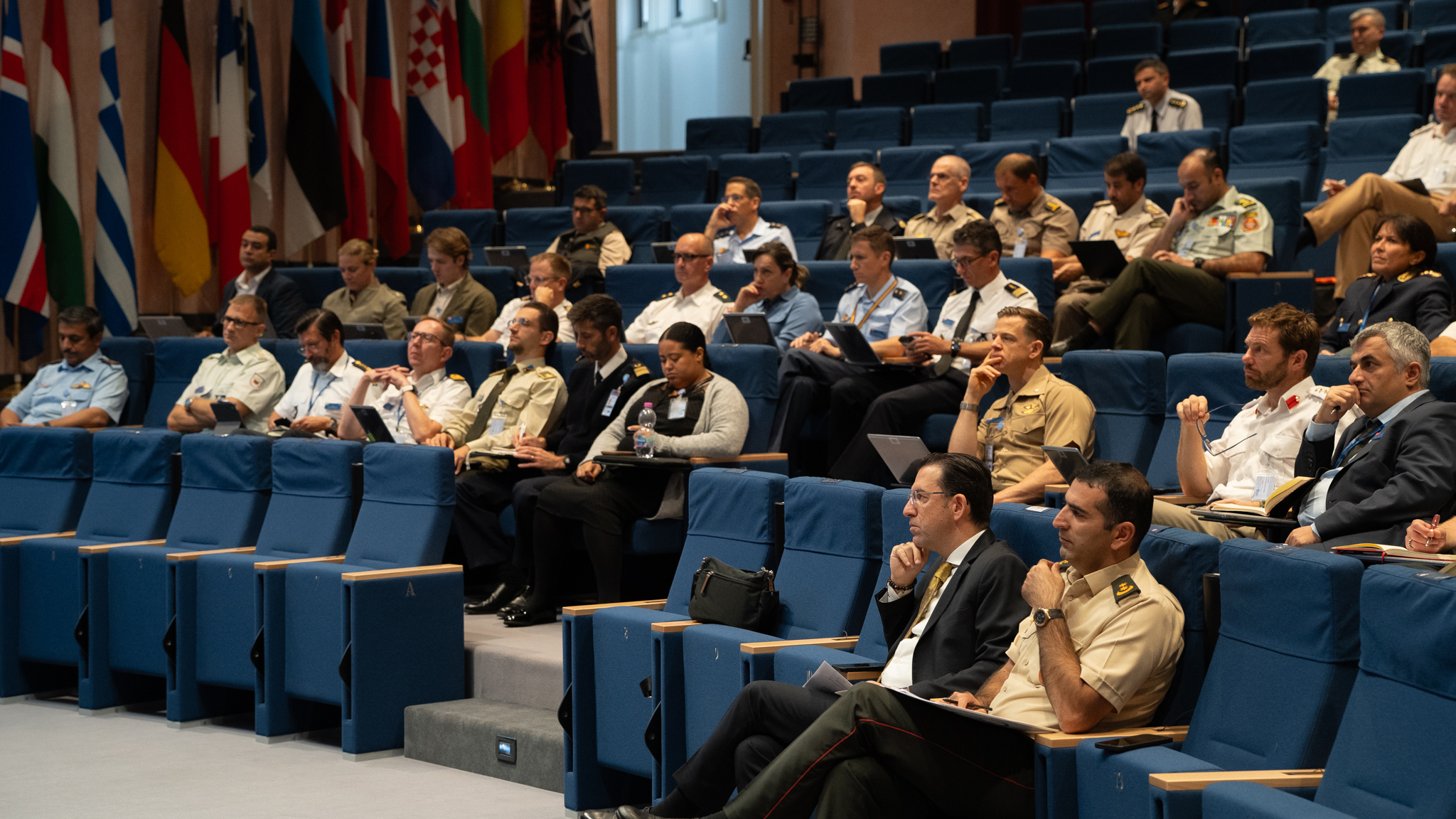
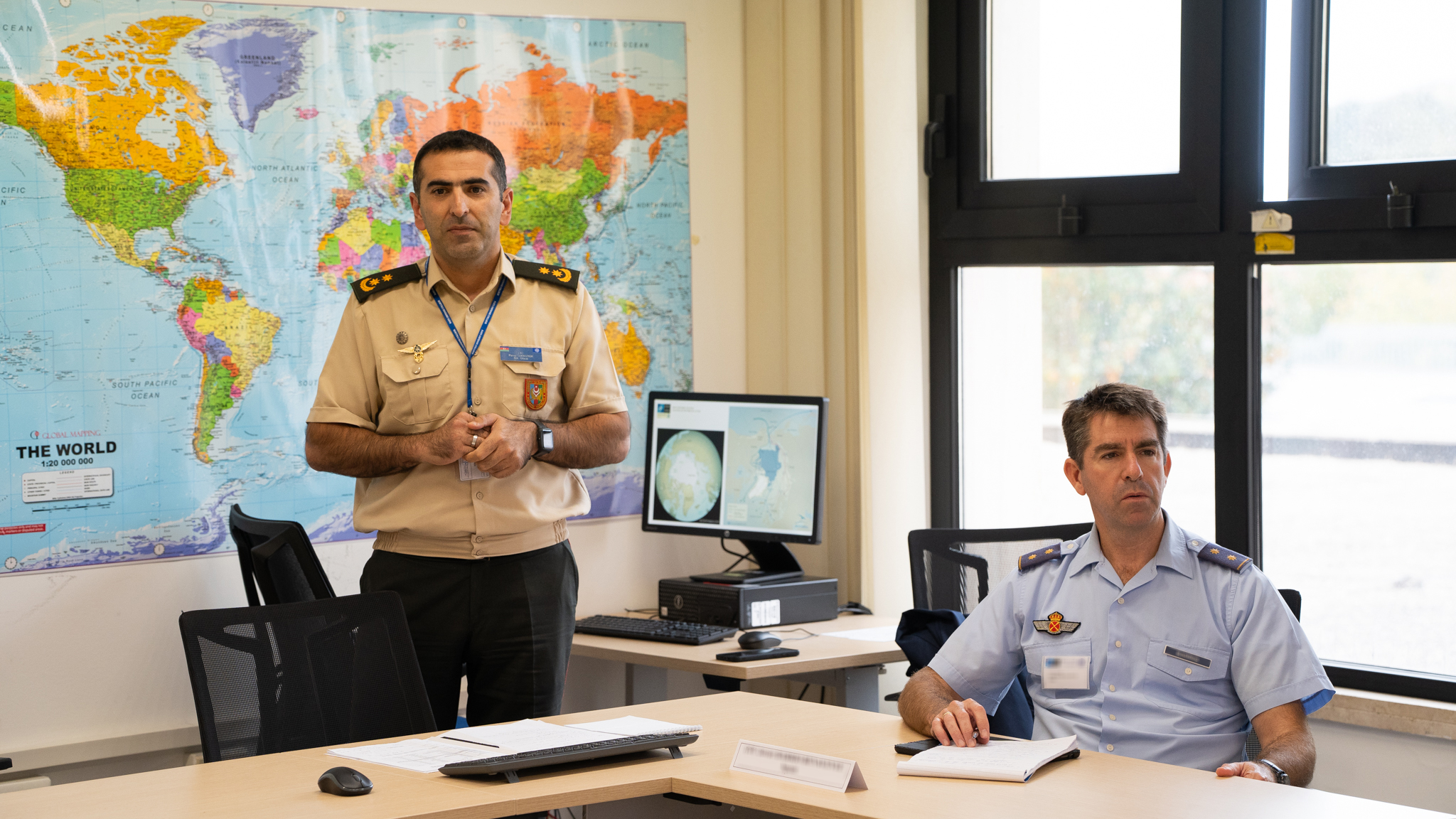
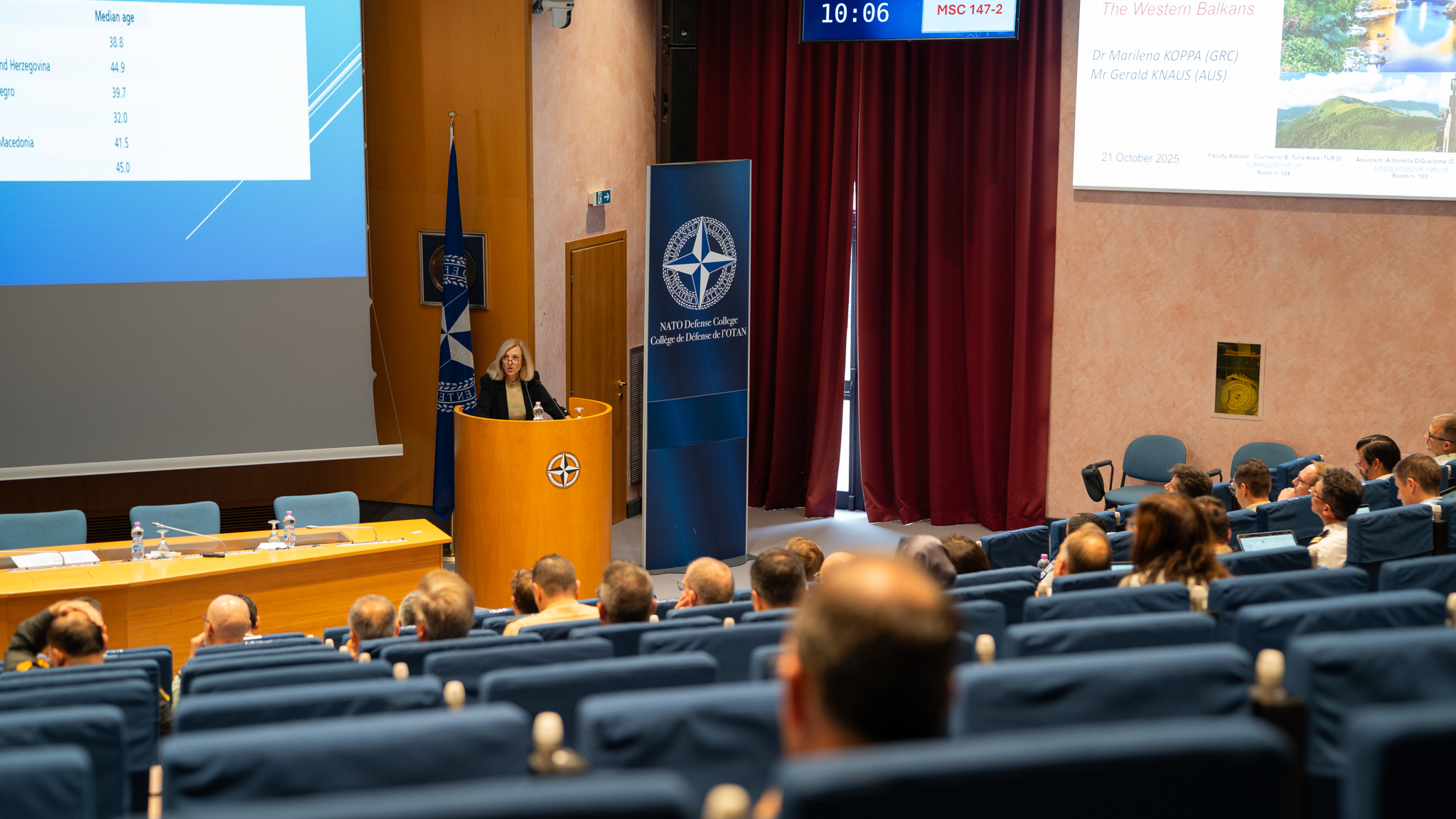
Over two weeks, 22 senior officers and civilians from 15 NATO countries participated in specific modules of the NDC Senior Course, thereby enhancing their understanding of NATO’s strategic environment and fostering multinational dialogue
Through a combination of lectures and committee work, MSC 147-2 participants examined major political, military, social and economic trends across several strategic regions, including Central Asia, the High North, the Western Balkans, the South Caucasus, the Middle East, North Africa and the Sahel, as well as the Indo-Pacific. The course aimed to provide participants with a comprehensive overview of the interests of key actors, to assess regional dynamics, and to identify potential risks, opportunities, and challenges to global stability.
In addition to the regional overviews, two dedicated seminars offered in-depth insights into China’s and Russia’s respective agendas.
The China Seminar facilitated in-depth discussions on Chinese political, economic and security trends, specifically regarding military modernization and the implications for global and regional stability.
The Russia Seminar focused on Russia’s strategic ambitions and foreign policy, particularly the impact of its aggressive actions on Euro-Atlantic security. Participants explored Russia’s evolving posture and its implications for NATO and its partners.
This Modular Short Course offered participants an opportunity to deepen their understanding of complex international and regional dynamics, while engaging in insightful exchanges with their peers on matters critical to the Alliance and global security.
NDC Public Affairs Office
(Prepared by Ms Chloé Ketels, FRA C)

 Collège de Défense de l'OTAN