
From 10 to 21 November, Senior Course (SC) 147 engaged in its second Field Study on both sides of the Atlantic, visiting key Italian, French and US institutions, and gaining comprehensive insights into national security and foreign policy priorities, as well as differing approaches to the transatlantic link.

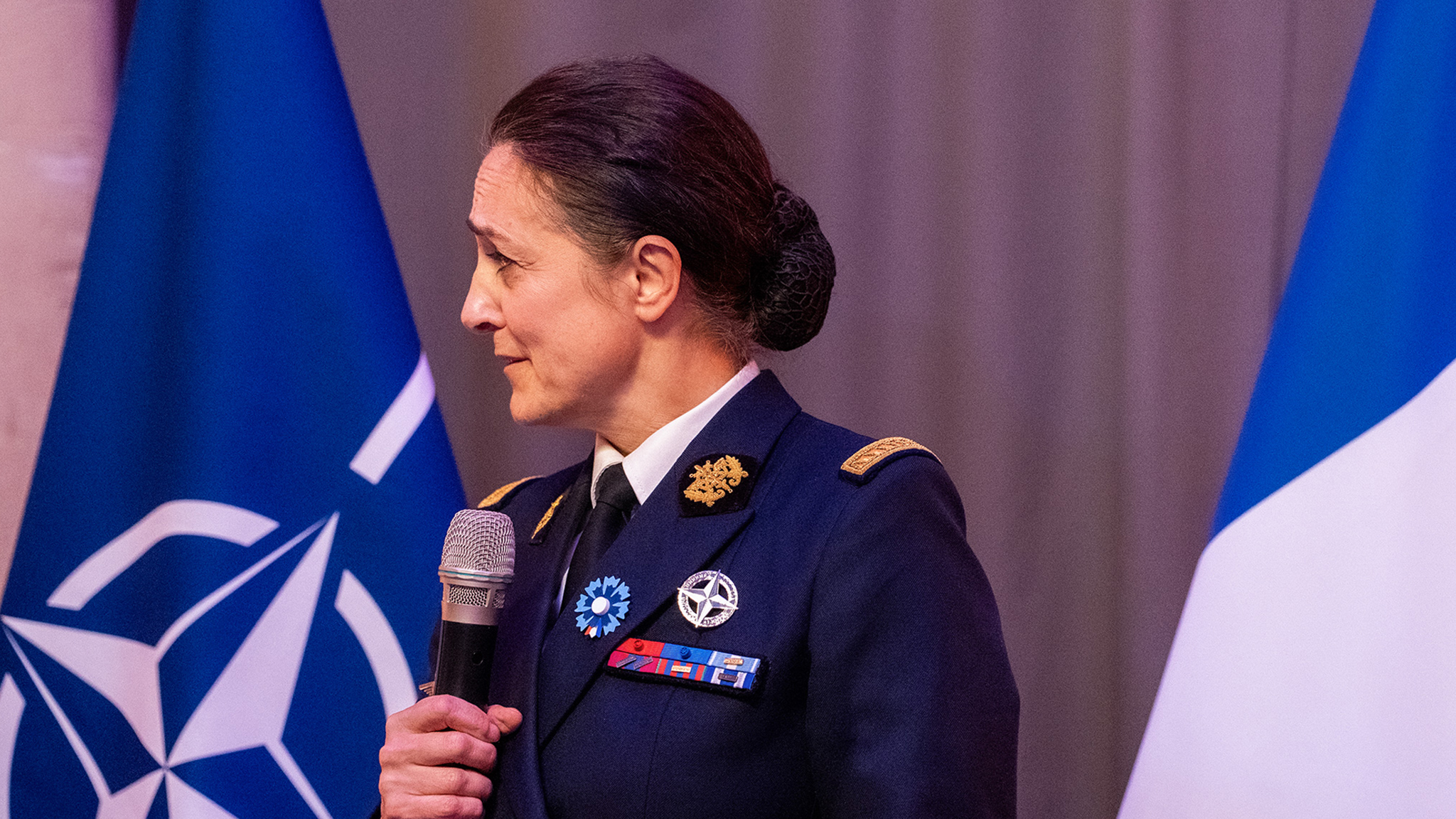
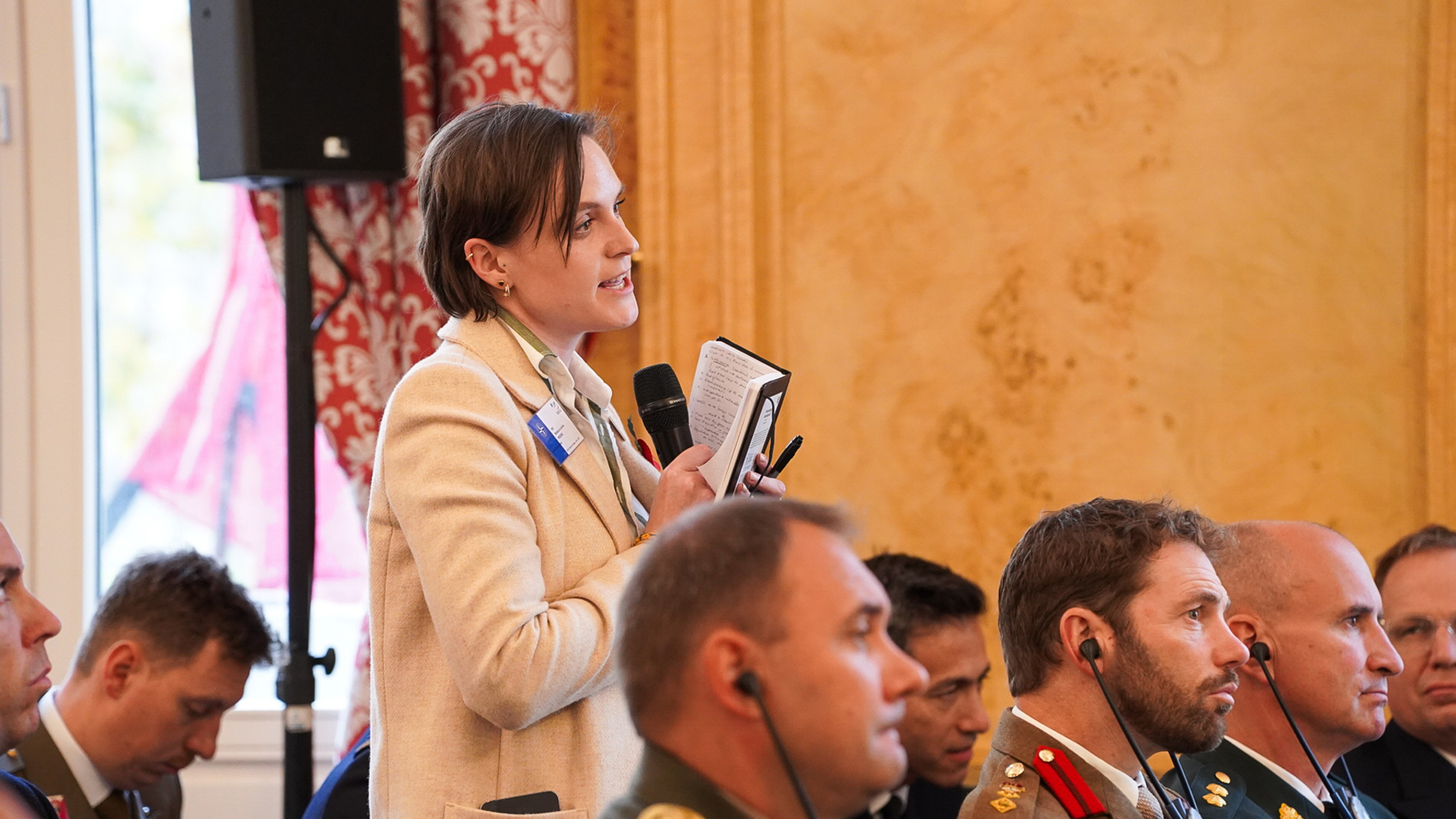
Senior Course 147’s visit to the Italian Joint Operations Command (ITA JOHQ) and the Secretariat General of Defence and National Armaments Directorate (SG/DNA) in Rome kicked off this transatlantic journey and provided a crucial European perspective on collective defence within NATO. The delegation received an overview of Italy’s national defence structure, operations, priorities and challenges, and was briefed on how the Italian approach aligns with the Alliance’s strategic goals. Highlighting Italy’s commitment to bolstering its national defence industry and meeting NATO’s capability targets, this visit reflected the broader trend of increased investment by European Allies in defence and greater ownership of their own security.
The delegation’s visit to the Cercle National des Armées (CNA) in Paris offered further insights into how European Allies integrate national defence interests with NATO’s strategic imperatives. Briefings explored how France balances preserving its strategic autonomy with its unwavering commitment to collective defence. The discussions also underscored its dedication to strengthening the European pillar of the Alliance, embracing greater responsibility for Europe’s security, and sustained support for Ukraine.
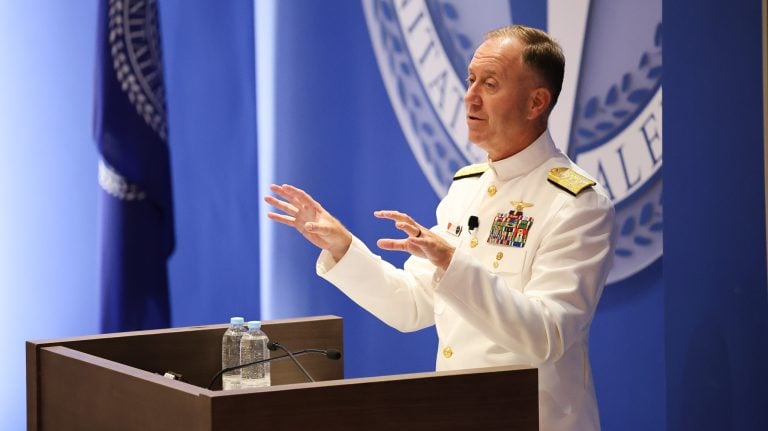
Crossing the Atlantic, SC 147 delved into the US perspective on burden-shifting within the Alliance, particularly in light of the United States’ increasing strategic focus on the Indo-Pacific region. Visits to the Pentagon and the National Defense University (NDU) allowed participants to explore the key drivers of current US security, defence and military strategy. The briefings notably underlined the nation’s enhanced focus on the Indo-Pacific and its strategic approach towards China. Discussions emphasized the need for a more European-led NATO, urging European Allies to assume greater responsibility and invest more in their own security.
Despite highlighting different strategic imperatives and areas of focus, this Field Study underscored the enduring commitment of both European Allies and the United States to strengthening the transatlantic link and collective defence through NATO.
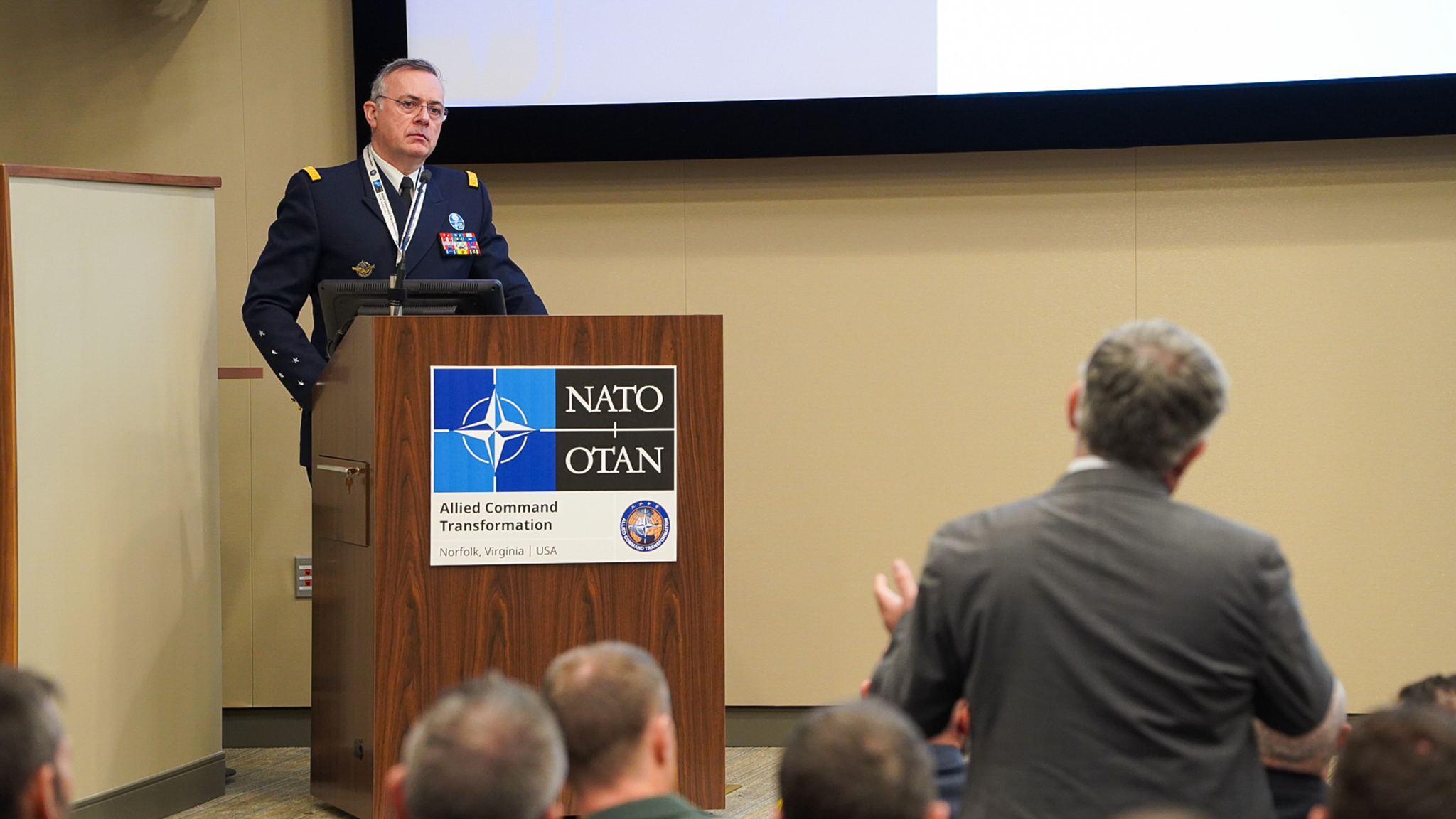
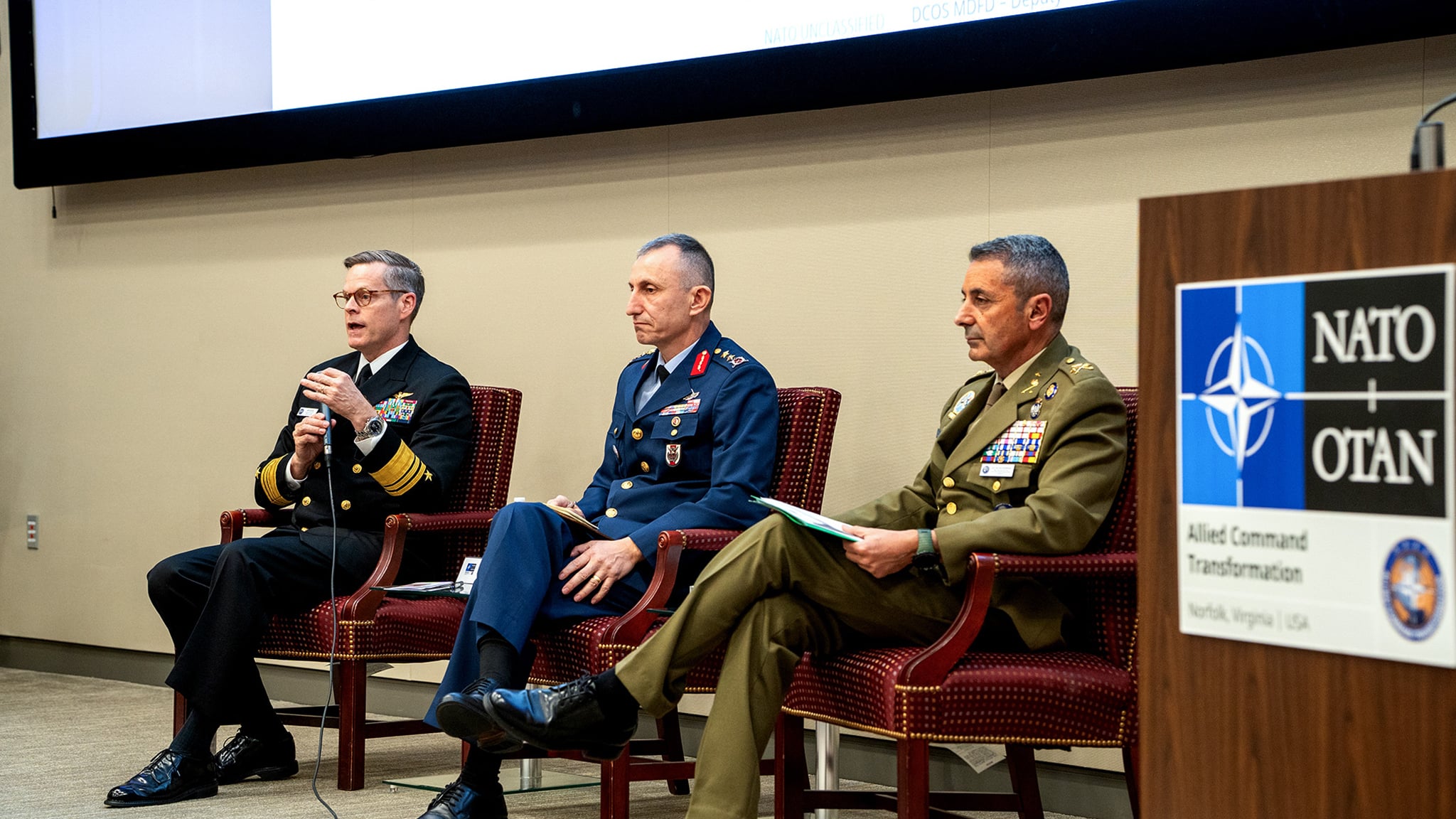
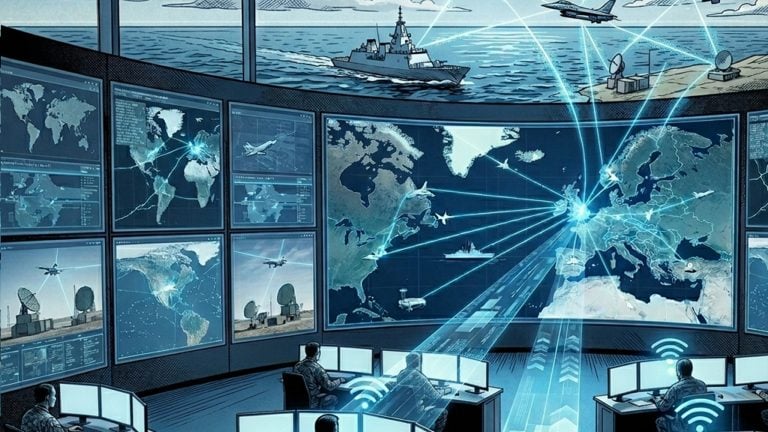
Visiting Allied Command Transformation (ACT) in Norfolk, Virginia – one of NATO’s two Strategic Commands, participants gained insights into the transatlantic link’s enduring relevance for ensuring NATO’s readiness and adaptation to the rapidly-changing security landscape. Supreme Allied Commander Transformation (SACT) Admiral Pierre Vandier underlined the impact of the changing nature of warfare, and briefings explored ACT’s role as the driving force in warfare development and digital transformation, specifically through the NATO Warfighting Capstone Concept (NWCC). Serving as NATO’s military “North Star”, the NWCC drives change within the Alliance to “shape, contest, and fight” in today’s and tomorrow’s strategic environment. Discussions also emphasized ACT’s focus on innovation to transform the military instrument of power, accelerate the adoption of emerging and disruptive technologies (EDTs), and foster interoperability among Allies and partners.
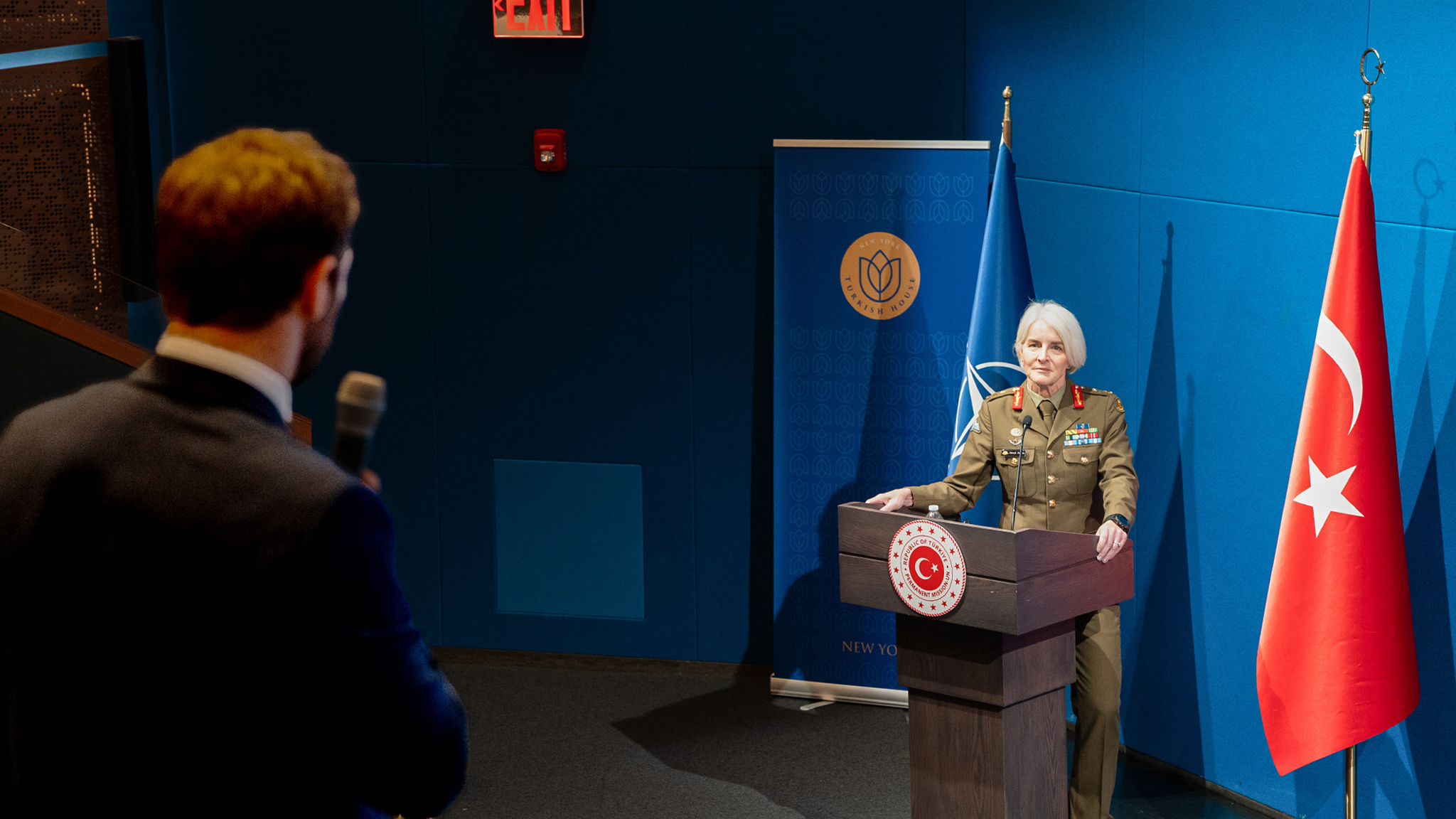
Making a final stop in New York City at the Permanent Representation of Türkiye to the United Nations (UN) offered the delegation some insights into another aspect of transatlantic cooperation: global peacekeeping efforts. Pointing to strategic and operational hurdles, the discussions underlined the crucial cooperation between the UN and NATO on peacekeeping and the impact of modern warfare on current operations. This Field Study provided Course Members with a comprehensive overview of the multifaceted challenges facing transatlantic cooperation today, and the whole experience underscored the enduring relevance of the transatlantic link for global peace and security in the shifting strategic environment. It also highlighted the necessary adaptation of this bond as Allied priorities and respective strategic realities evolve.
NDC Public Affairs Office
(Prepared by Ms Chloé Ketels, FRA C)
 Collège de Défense de l'OTAN