
On 13 June, Senior Course 144 delved into the complex political and security landscape of the Western Balkans. Guest lecturers Dr Marilena Koppa and Mr Gerald Knaus provided a strategic overview of the region’s past and present security challenges and opportunities. After an insightful Q&A session, Course Members engaged in in-depth committee discussions.
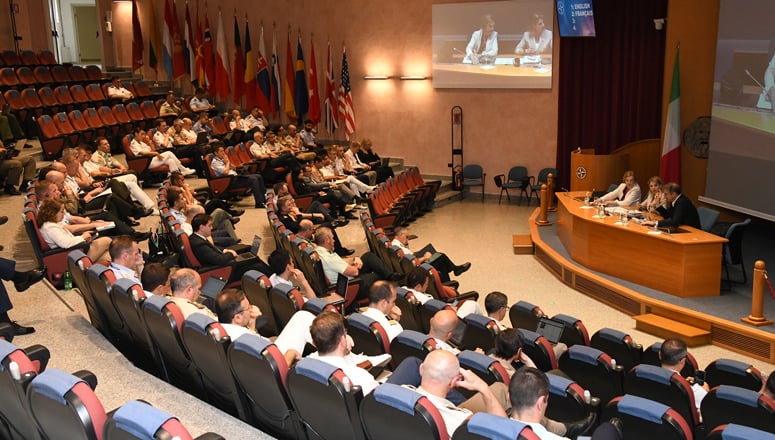
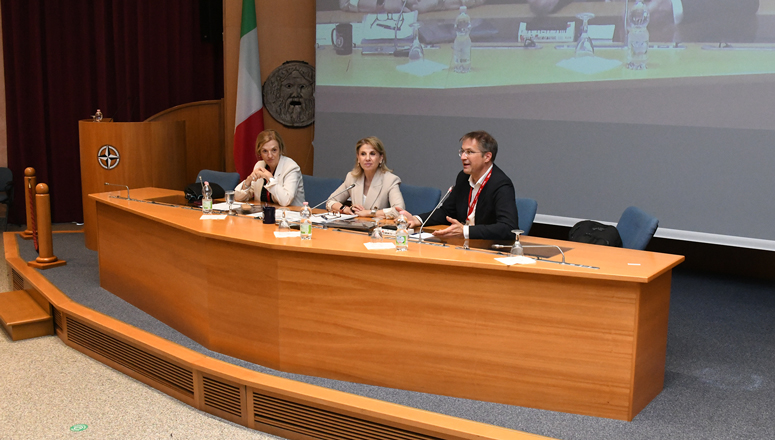
Participants discussed the political, social, and economic challenges the region is facing such as rampant corruption, weak governance, high unemployment rates and entrenched criminal networks. Exacerbated by growing ethnic tensions, particularly in Bosnia and Herzegovina, these domestic issues add to the Western Balkan countries’ occasionally strained foreign relations.
The discussions aimed to put these domestic and regional issues into perspective with the role of international players in the area, reflecting on the political and military interventions of international organizations over the course of the last 20 years. Participants and lecturers explored the geopolitical interests of major regional and international powers in the region, and addressed the increased influence of the Gulf states who leverage both economic power and religious ties, and how NATO and EU member states navigate the complex interplay of competition, cooperation, and conflict.
By considering the influence of competing powers, Course Members were able to critically assess the outcomes of Western interventions in the area with regard to stabilization and nation-building efforts. Recognizing both successes and shortcomings of NATO and EU policies, they engaged in discussions about potential future developments, particularly in light of the ongoing war in Ukraine and its potential impact on the region’s stability.
NDC Public Affairs Office
(Prepared by Ms Chloé Ketels, FRA C)


 Collège de Défense de l'OTAN