
From 17 to 31 March 2025, the NATO Defense College’s Senior Course 146 conducted its first Field Study across Europe, visiting key institutions and national capitals to gain first-hand insights into the continent’s evolving security landscape and the Alliance’s strategic priorities. This trip brought together 85 senior officers, civilians and diplomats from NATO Allies and partner nations, prompting dynamic discussions with the experts and practitioners who briefed the delegation.

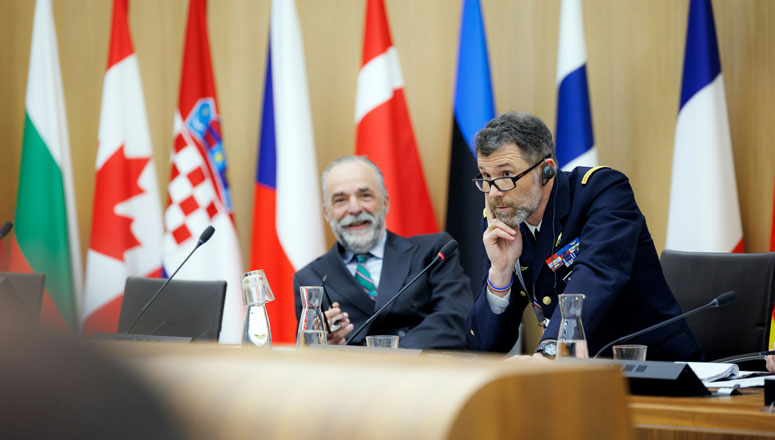
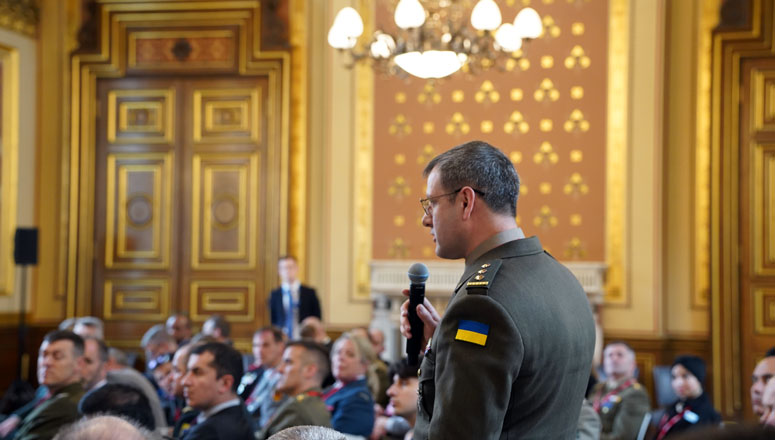
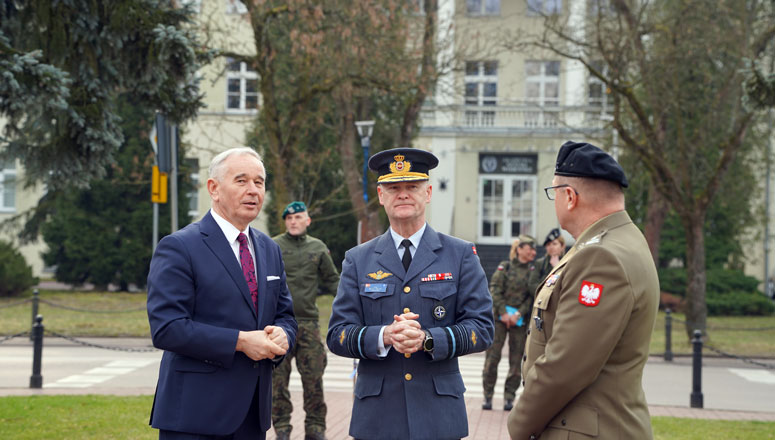
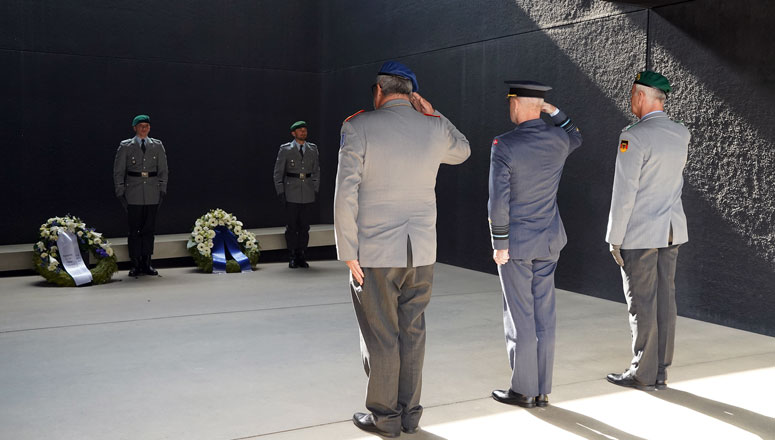
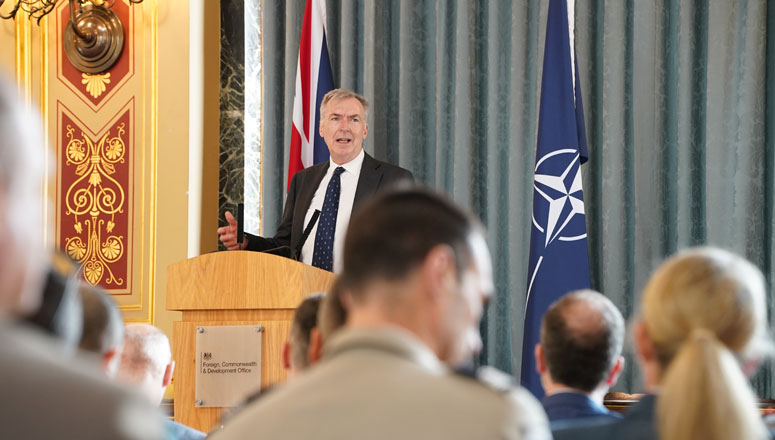

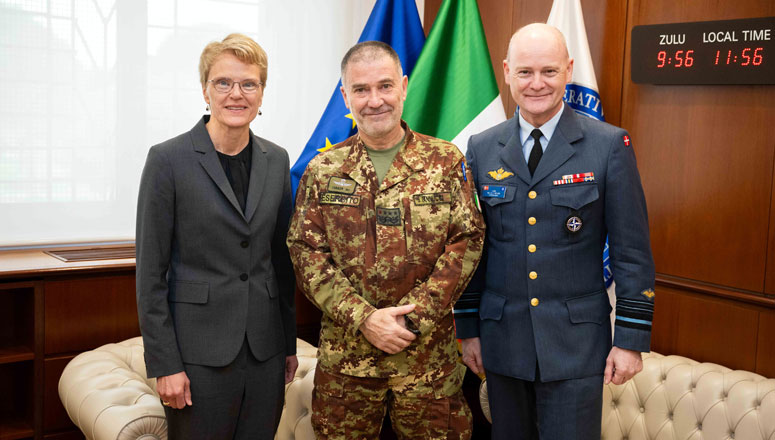
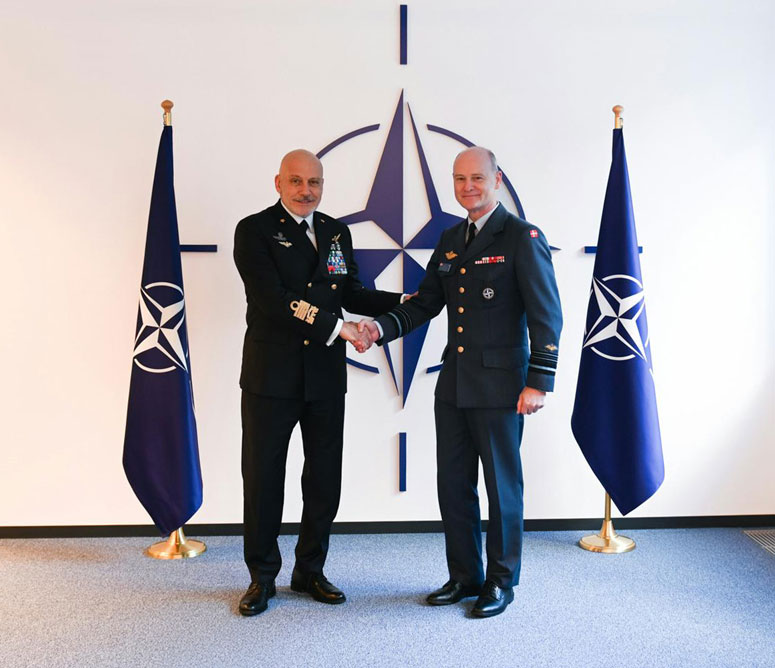
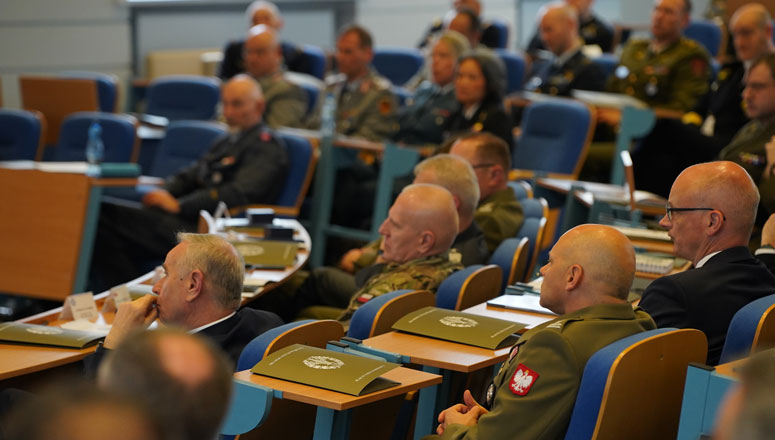
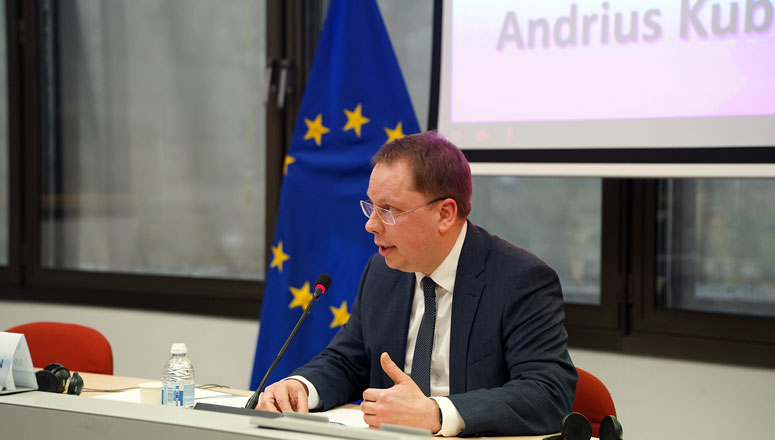
The Field Study started in Brussels, with visits to the European Union Military Staff (EUMS), NATO’s Supreme Headquarters Allied Powers Europe (SHAPE) and NATO Headquarters, providing a foundational understanding of the Alliance’s and EU’s strategic frameworks. Subsequently, the delegation travelled to the Royal Military Academy of Belgium in Brussels, the UK’s Foreign, Commonwealth and Development Office (FCDO) in London, Germany’s Federal Ministry of Defence (FMoD) in Berlin and Poland’s War Studies University (WSU) in Warsaw, and concluded their journey in Italy’s Joint Operations Headquarters and General Secretariat of Defence.
This comprehensive tour offered Course Members a unique opportunity to put different national defence policies into perspective with NATO’s overarching strategic priorities, balancing national interests with collective defence imperatives. Moreover, the NDC Commandant Lieutenant General Max A.L.T. Nielsen leveraged this Field Study to engage with key stakeholders of the College by conducting bilateral meetings with counterparts from European and NATO institutions.
A consistent theme across all engagements was the unwavering support for Ukraine, recognized as a critical priority for European security. Discussions emphasized the need for enhanced cooperation among European Allies to ensure sustained military aid and support, with the aim of positioning Ukraine for potential future negotiations with Russia.
A central focus of the briefings was the imperative for European Allies to sustain this support to Ukraine while strengthening their own deterrence and defence. The discussions on European countries’ national defence policies demonstrated their commitment to increasing their defence spending and developing their capabilities in order to enhance readiness, particularly in multi-domain operations. Interoperability, information sharing, joint procurement and strategic partnerships were identified as crucial elements. The briefings underlined the complementarity of NATO and the EU for Europe’s defence, and the need for a stronger European pillar within NATO for a balanced and secure transatlantic relationship.
Beyond this emphasis on enhanced European capabilities, the Field Study demonstrated NATO’s strategic shift towards its core tasks: deterrence and defence. The briefings at NATO HQ and SHAPE highlighted the Alliance’s efforts to bolster and adapt its military capabilities, its renewed focus on conventional and nuclear deterrence, and the critical importance of joint defence planning through the implementation of the Deterrence and Defence of the Euro-Atlantic Area (DDA) family of plans. Societal resilience and civil preparedness through the development of a whole-of-society approach to defence were also stressed as a key component of deterrence for Allies.
Finally, this journey provided valuable insights into national strategic perspectives on different areas of interest. Discussions revealed diverse regional priorities, such as the Southern Flank and Mediterranean area for Italy, the UK’s increased attention to the Indo-Pacific, Poland’s continued focus on Russia and the Baltic Sea region, while Germany emphasized the need for a “one-theatre-approach” in an era of multipolarity and polycrises. This nuanced understanding of national interests enriched the delegation’s comprehension of the complex security landscape facing the Alliance.
NDC Public Affairs Office
(Prepared by Ms Chloé Ketels, FRA C)

 Collège de Défense de l'OTAN