
Over the course of two days, NDC’s NATO Regional Cooperation Course (NRCC) 33 participated in the “Strategy Challenge” simulation, designed to train Course Members in strategic analysis and decision-making in response to a crisis scenario. Rather than aiming for consensus, this simulation stressed the importance of immediate, concrete actions and effective escalation management for decision-makers facing crises.
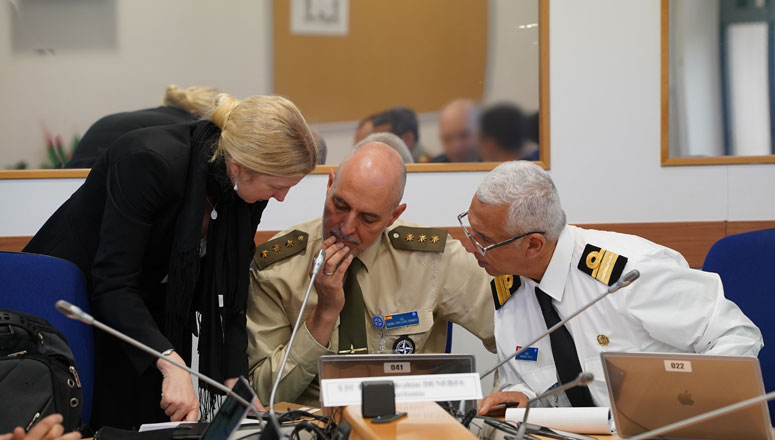
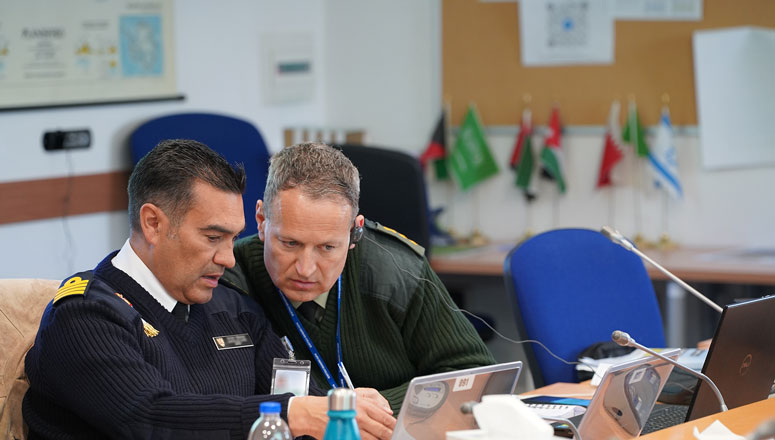
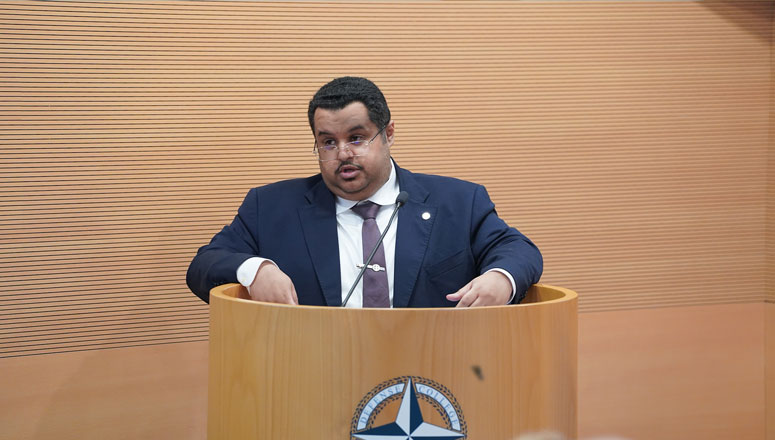
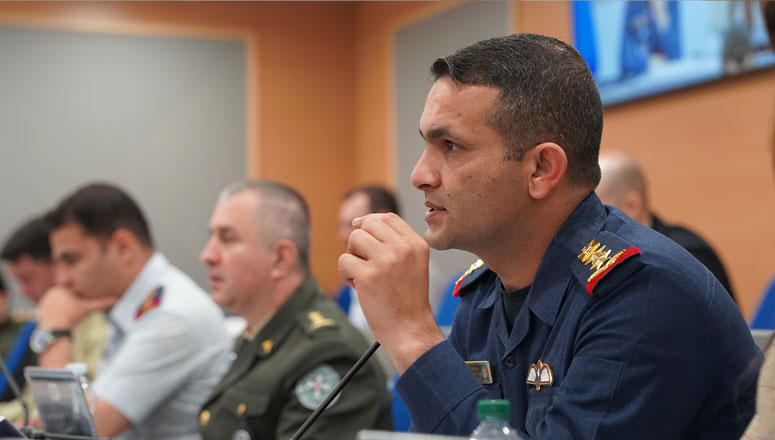
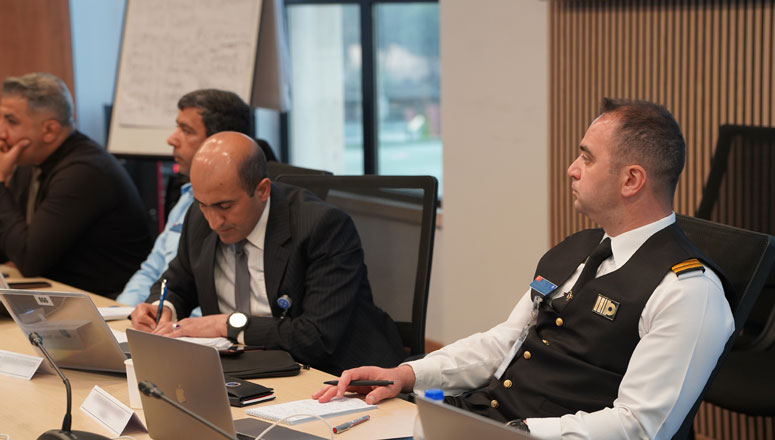
The simulation’s strategic thinking process began with two panels centred on crisis decision-making, featuring Professor Jean-Yves Haine and Ms Amanda Hsiao. Drawing on the 1962 Cuban Missile Crisis and the 2013 Non-Intervention in Syria, the discussions explored the contrast between political and strategic choices. Shifting focus, the panels explored China’s approach to crisis decision-making, where communication is contingent on clear leadership directions, with national sovereignty and territorial integrity as the primary concerns. The simulation, set during a potential 2030 China-Taiwan crisis, aimed to develop Course Members’ escalation management and strategic decision-making skills.
The scenario comprised two stages: (I) the initial stage and (II) the escalatory stage. At each stage, Course Members assessed the crisis and formulated strategic responses, focusing on two main elements: situation analysis and immediate, actionable recommendations. The simulation concluded with each player presenting their crisis response to the scenario, considering available resources to achieve desired political, economic or military outcomes in line with their appointed country’s national interests. Ultimately, the key takeaway from the Strategy Challenge was the need for participants to adopt the cultural and strategic mindset of their assigned country, thinking beyond their individual perspectives. Moreover, Course Members learned that political reputation is less important than making good strategic choices.
NDC Public Affairs Office
(Prepared by Ms Britt Melinga, NLD C)
 Collège de Défense de l'OTAN