
From 27 April to 7 May 2025, the Senior Course travelled across the Atlantic, from France to the United States. This immersive Field Study provided them with a comprehensive overview of both nations’ respective approaches to security and defence, while exploring the intricacies of the transatlantic link.
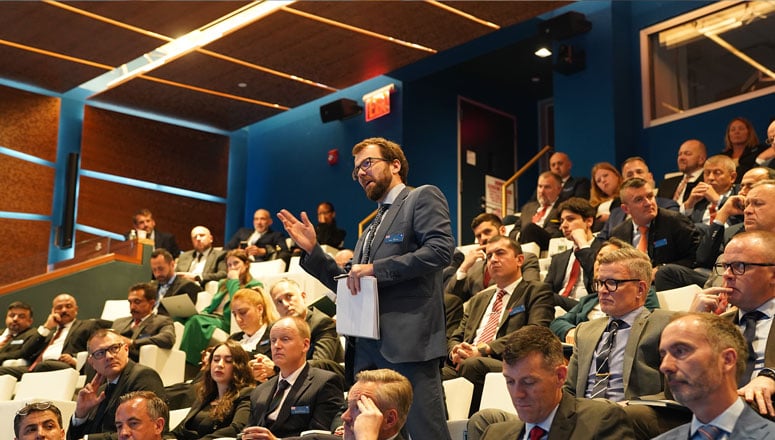
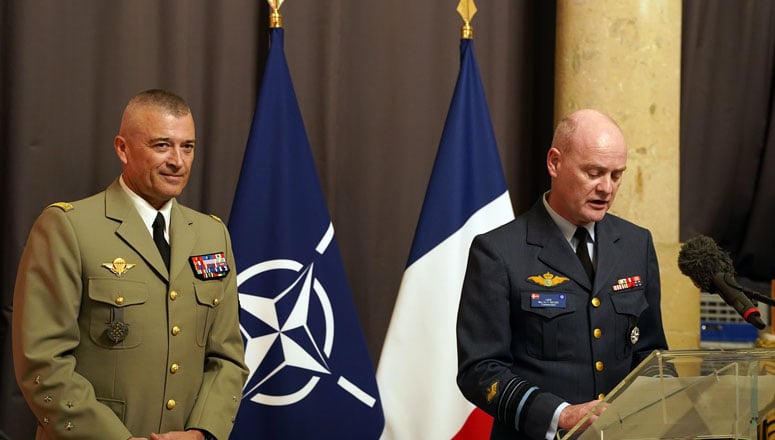
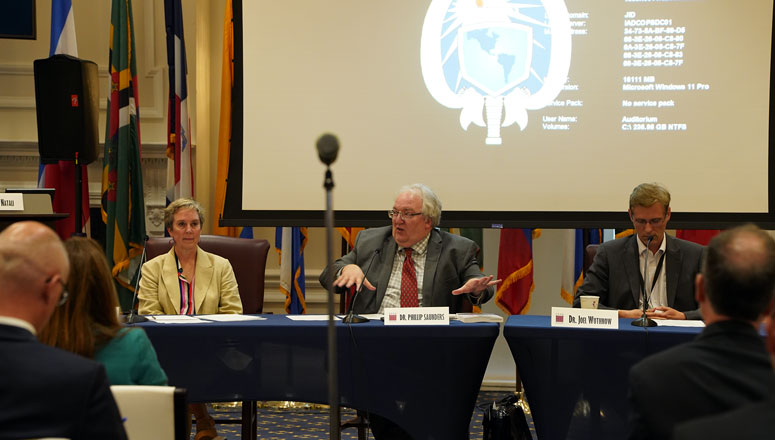

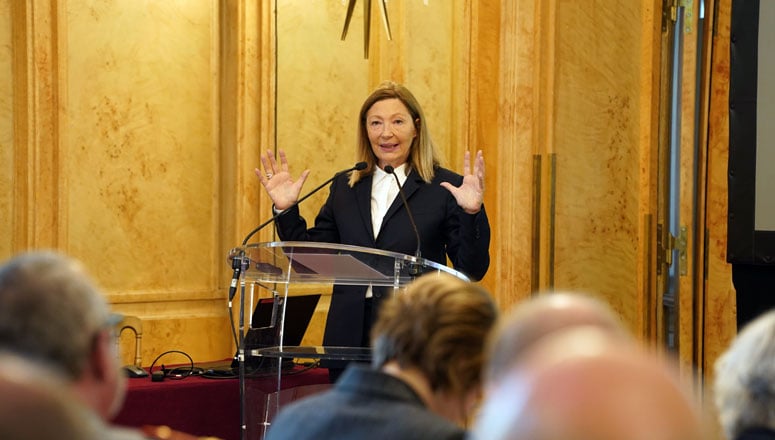
This Field Study started in Paris with a visit to the Cercle National des Armées, followed by a reception at the École de Guerre, where the delegation led by NDC Commandant LGEN Max A.L.T. Nielsen had the opportunity to engage with France’s Chief of Defence Staff, General Thierry Burkhard.
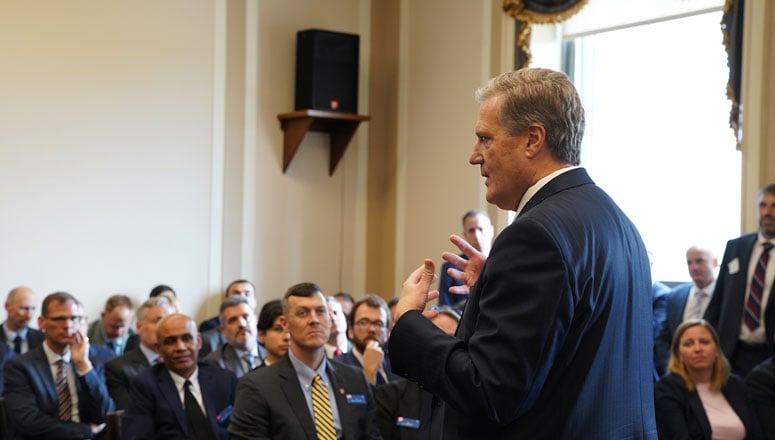
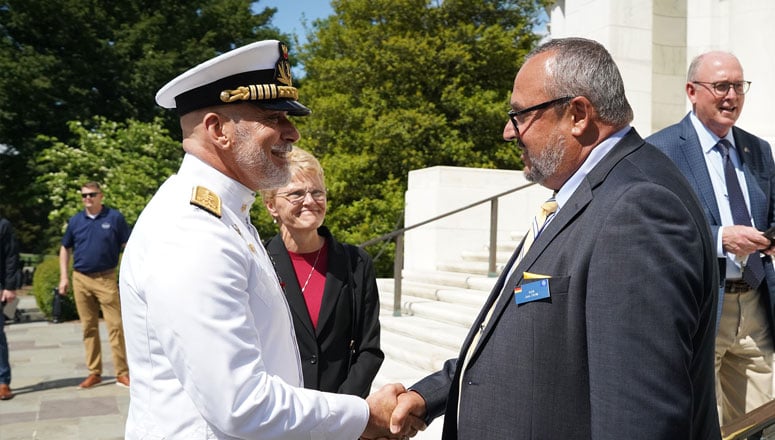
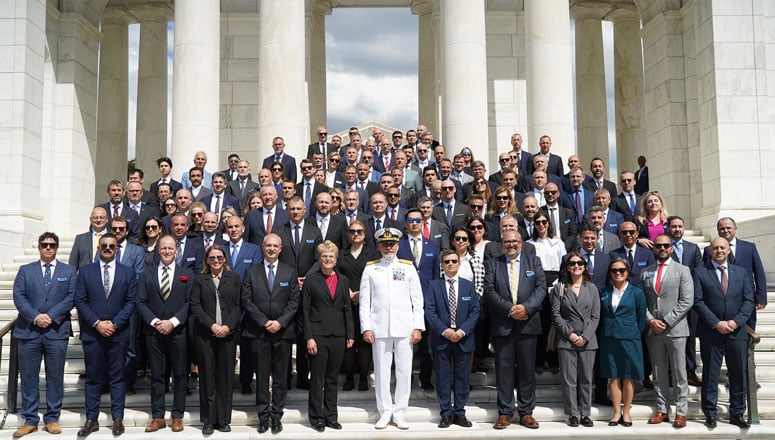
The delegation then began its journey in New York at Türkiye’s Permanent Representation to the United Nations (UN) where participants were briefed on the UN’s mission, NATO-UN cooperation, and the future of American foreign policy. Heading South, Senior Course 146 made a crucial stop at Allied Command Transformation (ACT) in Norfolk, Virginia, one of NATO’s two strategic commands. The final leg of the US itinerary took the Senior Course to Washington D.C., where they were immersed inf American defence policy through visits to key institutions such as the Pentagon, Capitol Hill, the National Defense University, as well as the Arlington National Cemetery.
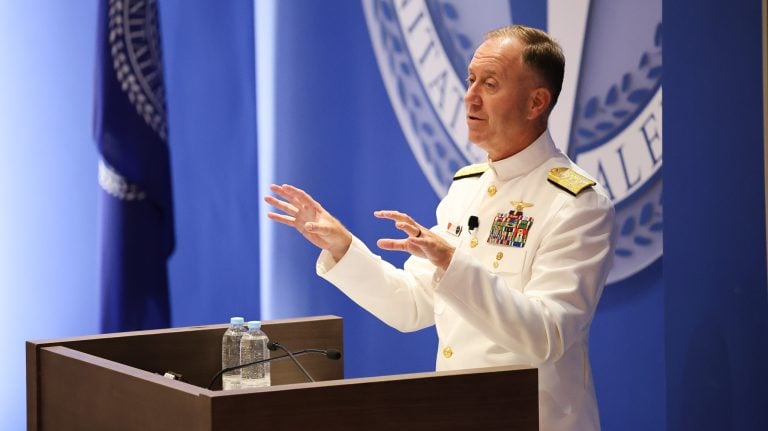
Senior Course 146’s trip in the US provided invaluable opportunities for the delegation and NDC Dean, Dr Suzanne C. Nielsen, to engage with high-level partners and briefers. These included Supreme Allied Commander Transformation (SACT) Admiral Pierre Vandier, Chair of the NATO Military Committee (CMC) Admiral Giuseppe Cavo Dragone, Congressman Michael Turner, and Major General Hayrettin Koca, Deputy Chief of Staff Resource Management (DCOS RM).
Through dedicated briefings on the respective national defence strategies of France and the United States, Senior Course 146 gained a deeper understanding of each nation’s strategic priorities and key areas of focus. The discussions underscored France’s emphasis on critical theatres such as the Euro-Atlantic area, the Middle East, and Africa. Conversely, the United States demonstrated an amplified focus on the Indo-Pacific region, actively strengthening its regional partnerships and concentrating on its evolving policy towards China.
While the discussions revealed different approaches to NATO, they underscored a shared recognition of the imperative to re-evaluate burden shifting within the Alliance, particularly concerning European security. Briefings in Paris underscored France’s dedication to reinforcing the European pillar within NATO, embracing a more prominent leadership role in ensuring the continent’s security and supporting Ukraine. While the US has been deeply involved in European security since the inception of the transatlantic alliance, it is shifting its focus towards the Indo-Pacific, alongside a drive to bolster its own defence industrial base and secure its critical supply chains.
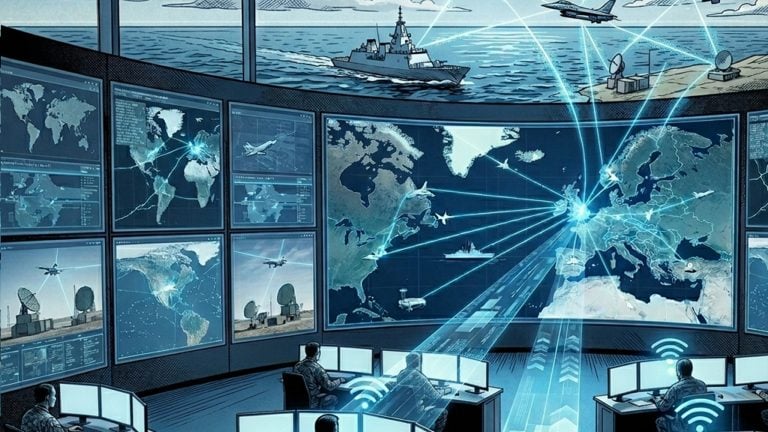
Despite divergent strategic priorities, both nations emphasized a shared commitment to multilateralism and collective defence through NATO. The briefings effectively illustrated the synergy between NATO’s two Strategic Commands – Allied Command Operations (ACO), headquartered at SHAPE in Mons, Belgium, and ACT in Norfolk, United States – underscoring the enduring relevance of the transatlantic link in ensuring NATO’s readiness and adaptation to the shifting security landscape. A central theme of the Norfolk briefings was ACT’s pivotal role in advancing warfare development and digital transformation through its NATO Warfighting Capstone Concept. This work contributes significantly to the Allies’ capacity to operate effectively and jointly in Multi-Domain Operations, emphasizing the critical importance of interoperability. Furthermore, an overview of NATO Joint Force Command Norfolk, NATO’s newest operational command, illustrated the complementary nature of NATO’s diverse operational commands across North America and Europe, which together cover Alliance’s entire area of responsibility.
Beyond NATO’s framework, discussions at the Permanent Representation to of Türkiye to the UN brought to bear the vital role of the transatlantic link in global peacekeeping efforts, despite existing strategic, operational, and tactical complexities within the UN, and the profound impact of modern warfare and ongoing global crises.
Ultimately, these nuanced perspectives on how France and the United States navigate the balance between their national interests and the imperatives of collective defence, within the dynamic context of an evolving security environment, provided the Course Members with a comprehensive overview of the current realities and multifaceted challenges facing transatlantic cooperation.
NDC Public Affairs Office
(Prepared by Ms Chloé Ketels, FRA C)
 Collège de Défense de l'OTAN