
From 1 to 11 June 2025, the NDC’s Senior Course 146 travelled across Europe, visiting Stockholm, Vienna, Budapest and Riga. This Field Study offered a comprehensive overview of how NATO Allies’ and partners’ national strategies for security and defence, shaped by history, geography and regional priorities, impact their approach towards the Alliance and their contributions to collective defence.
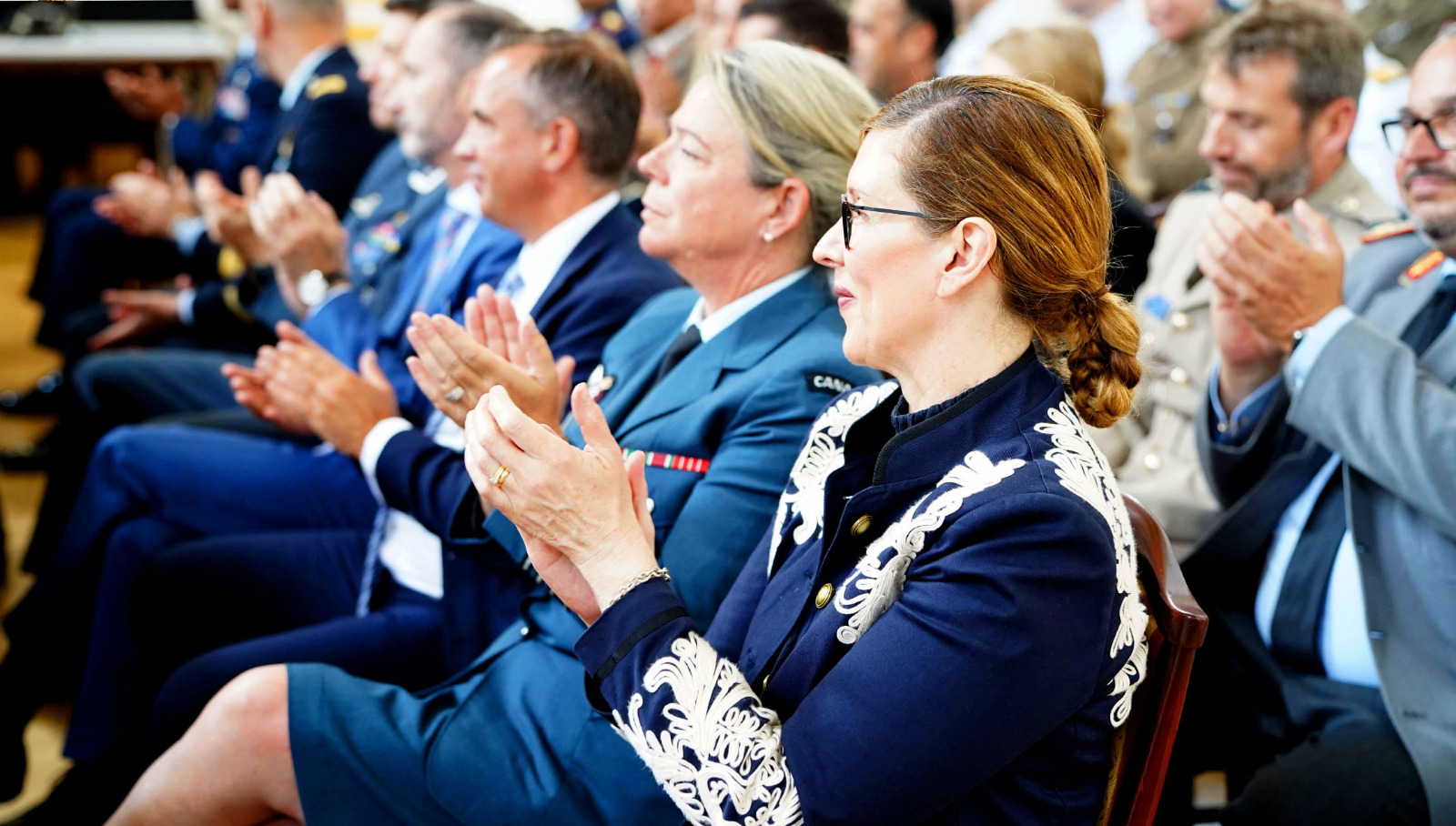
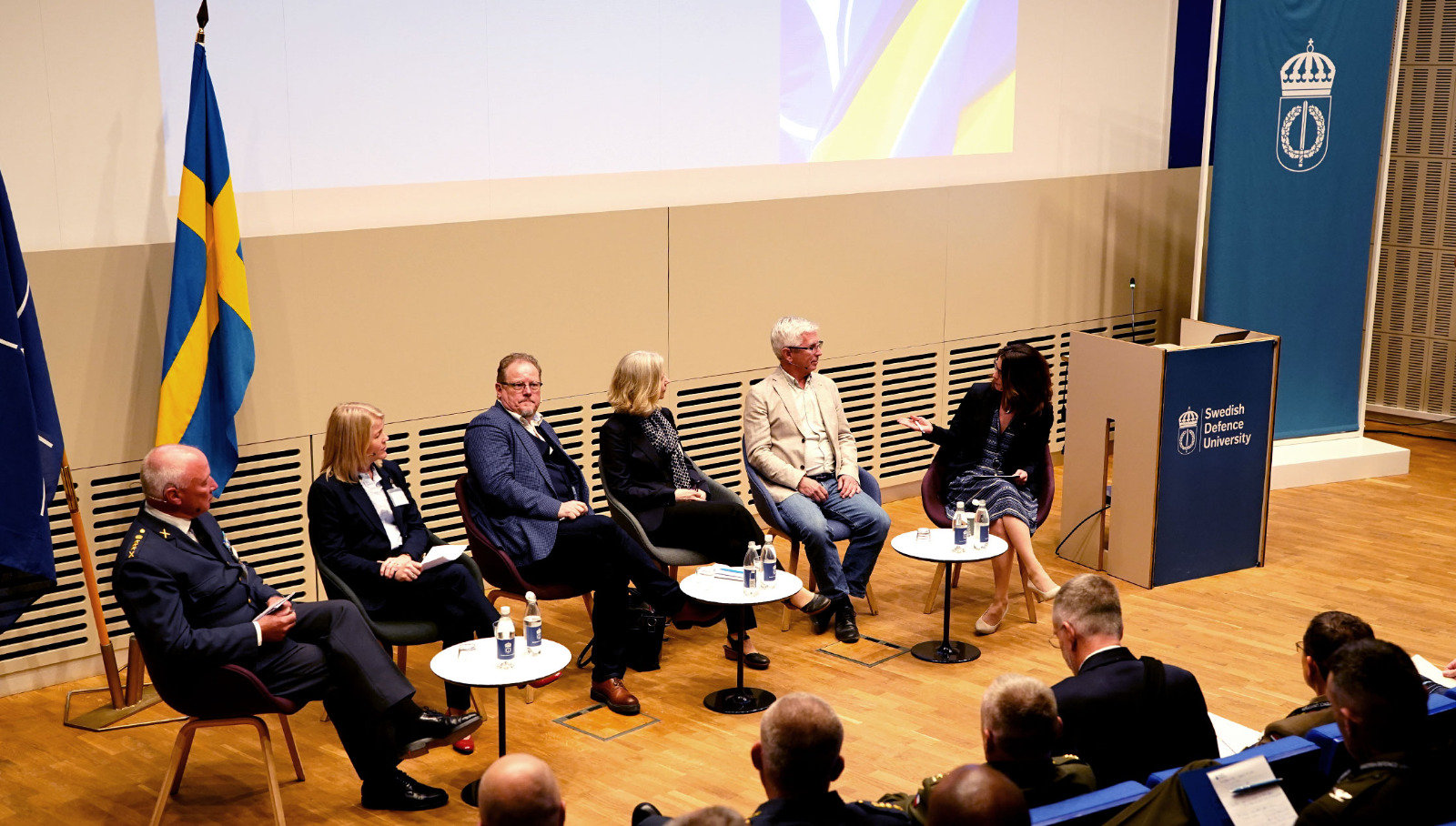
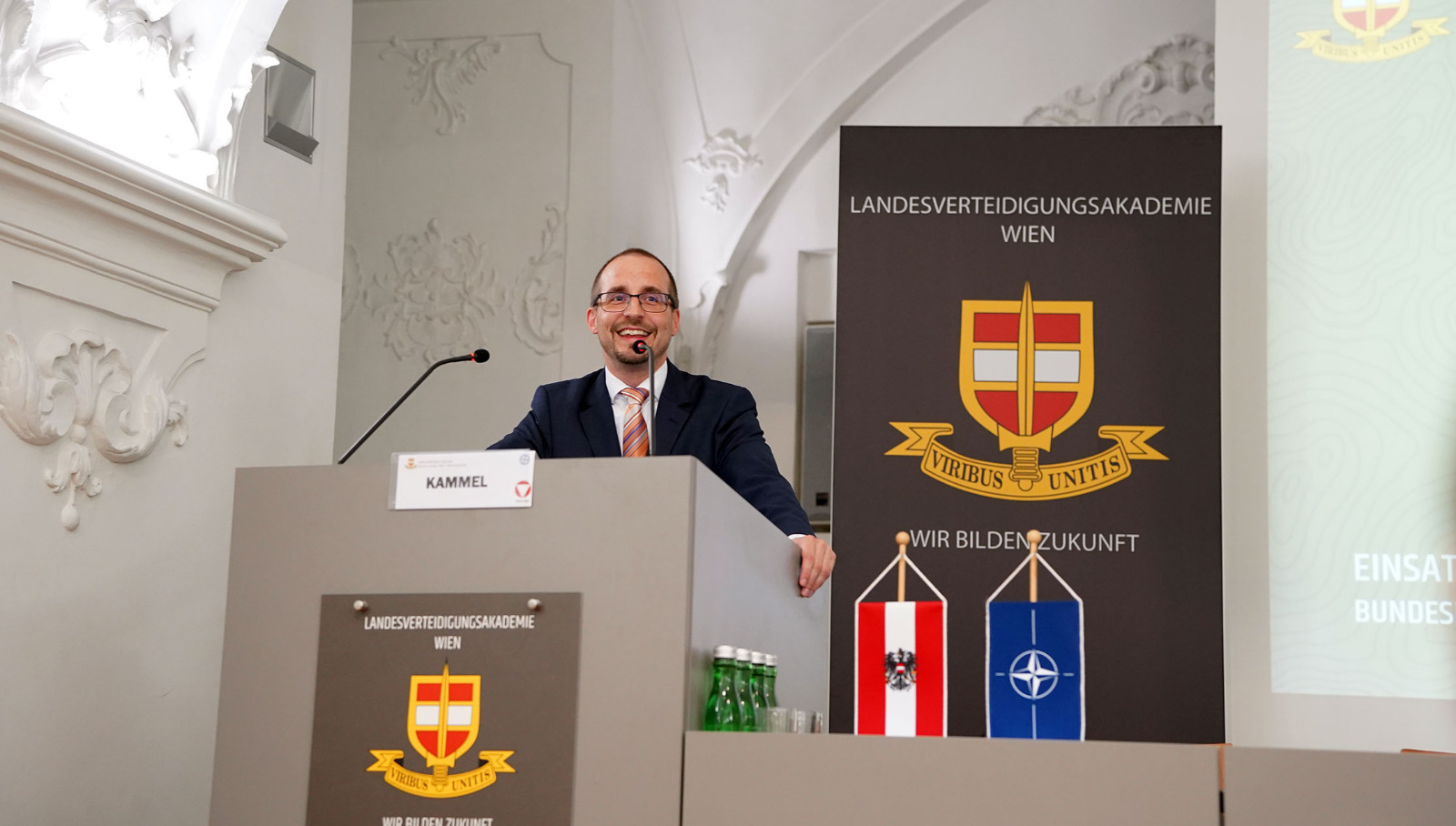
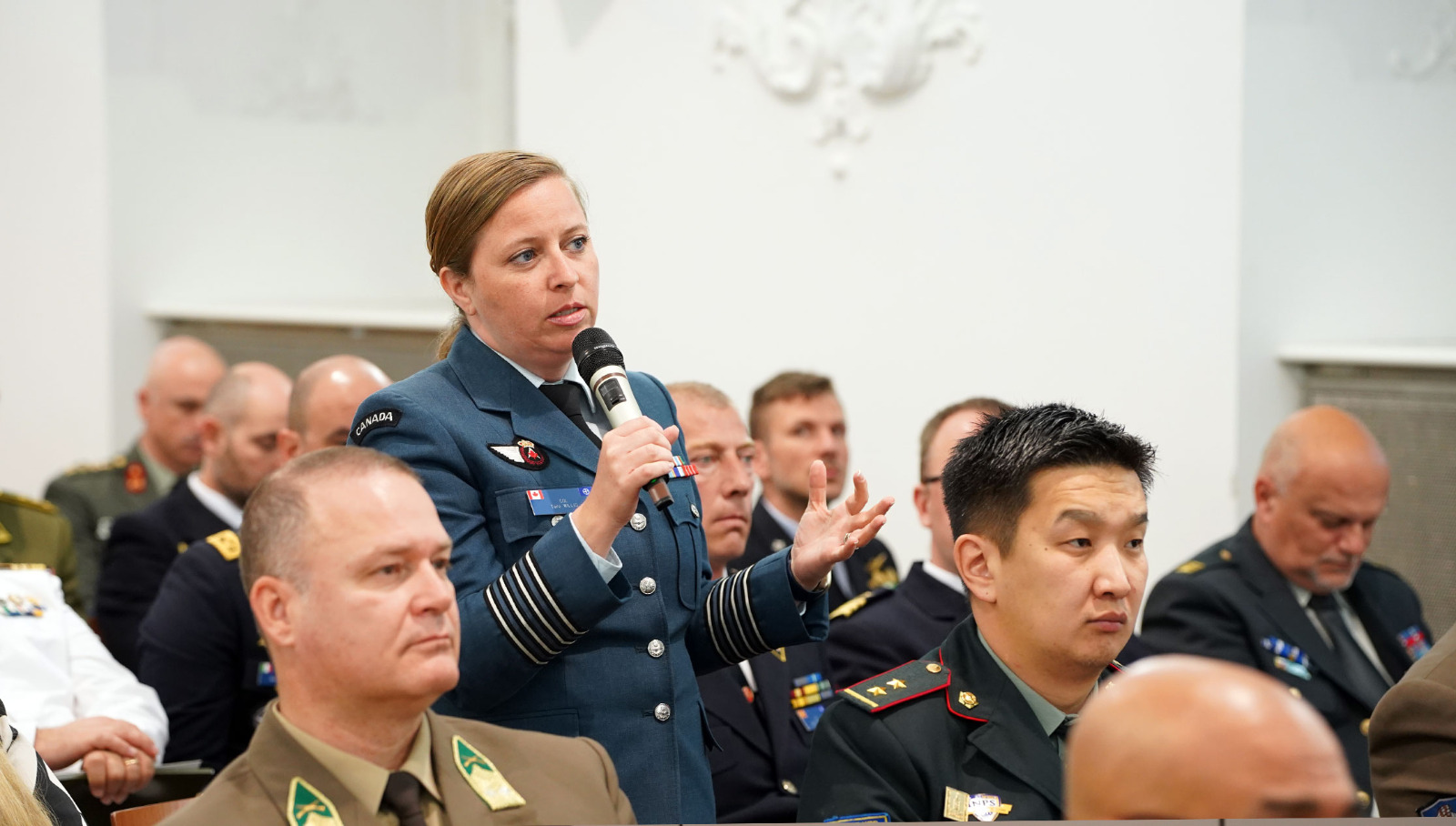
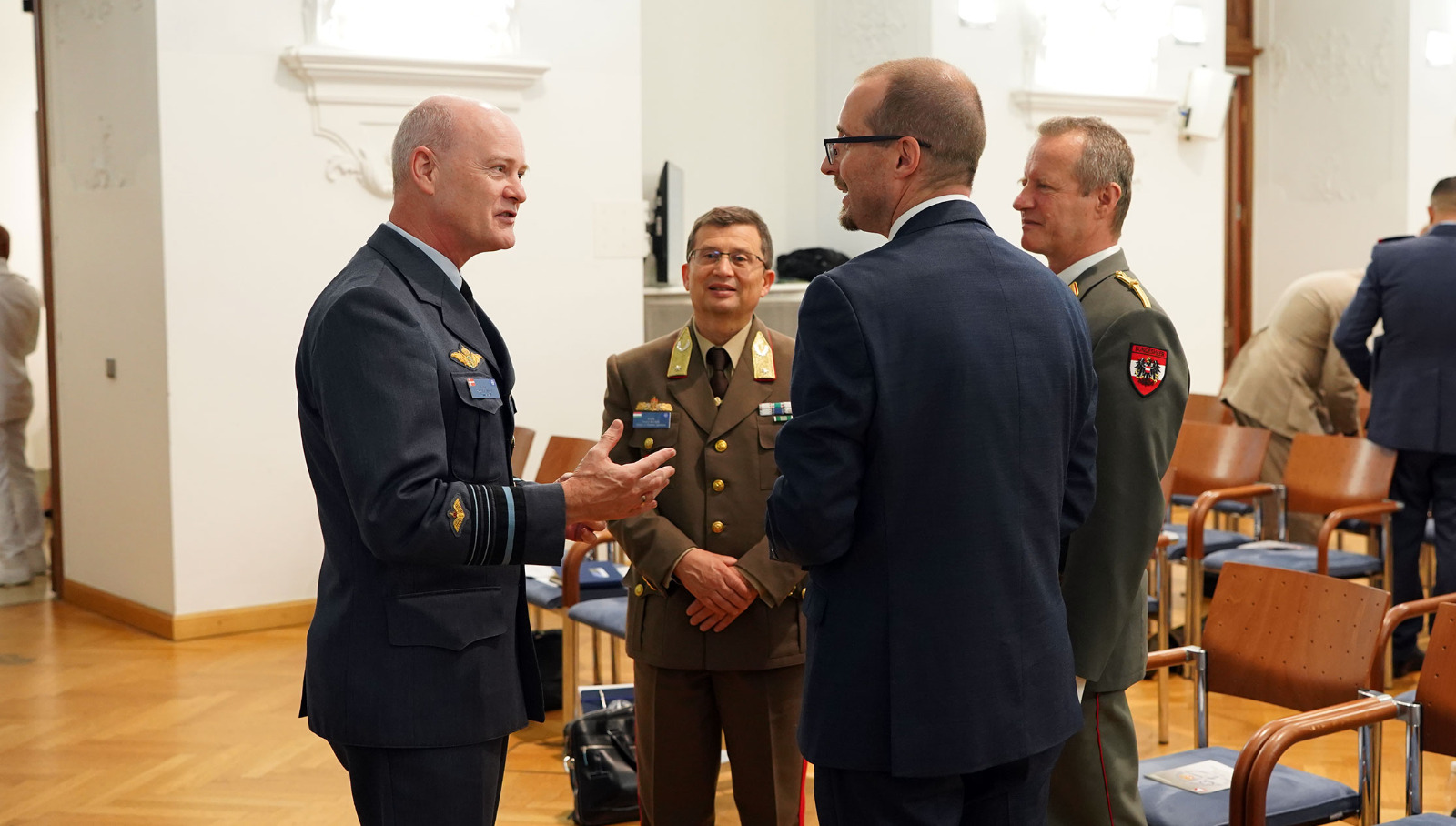
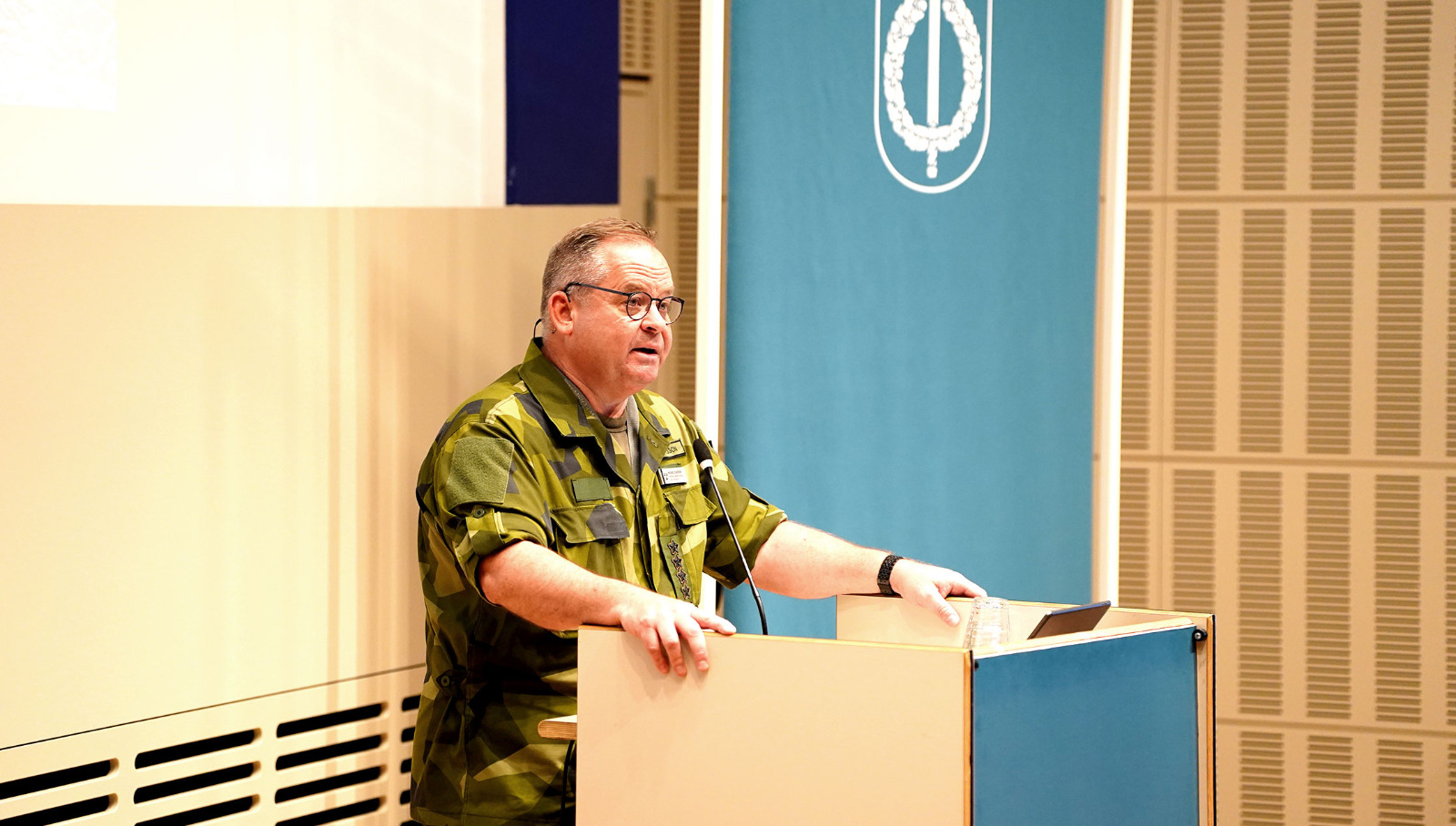
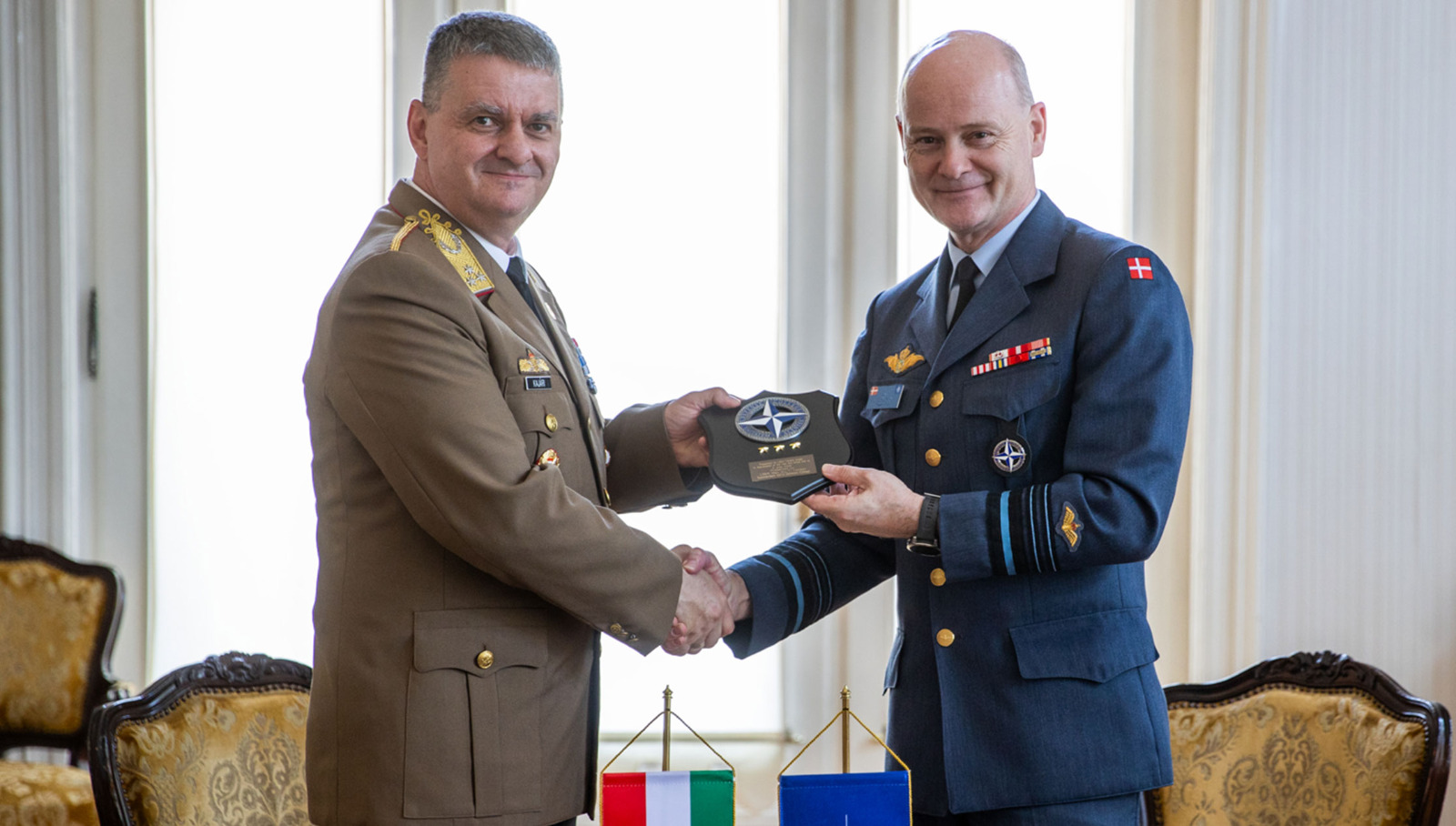
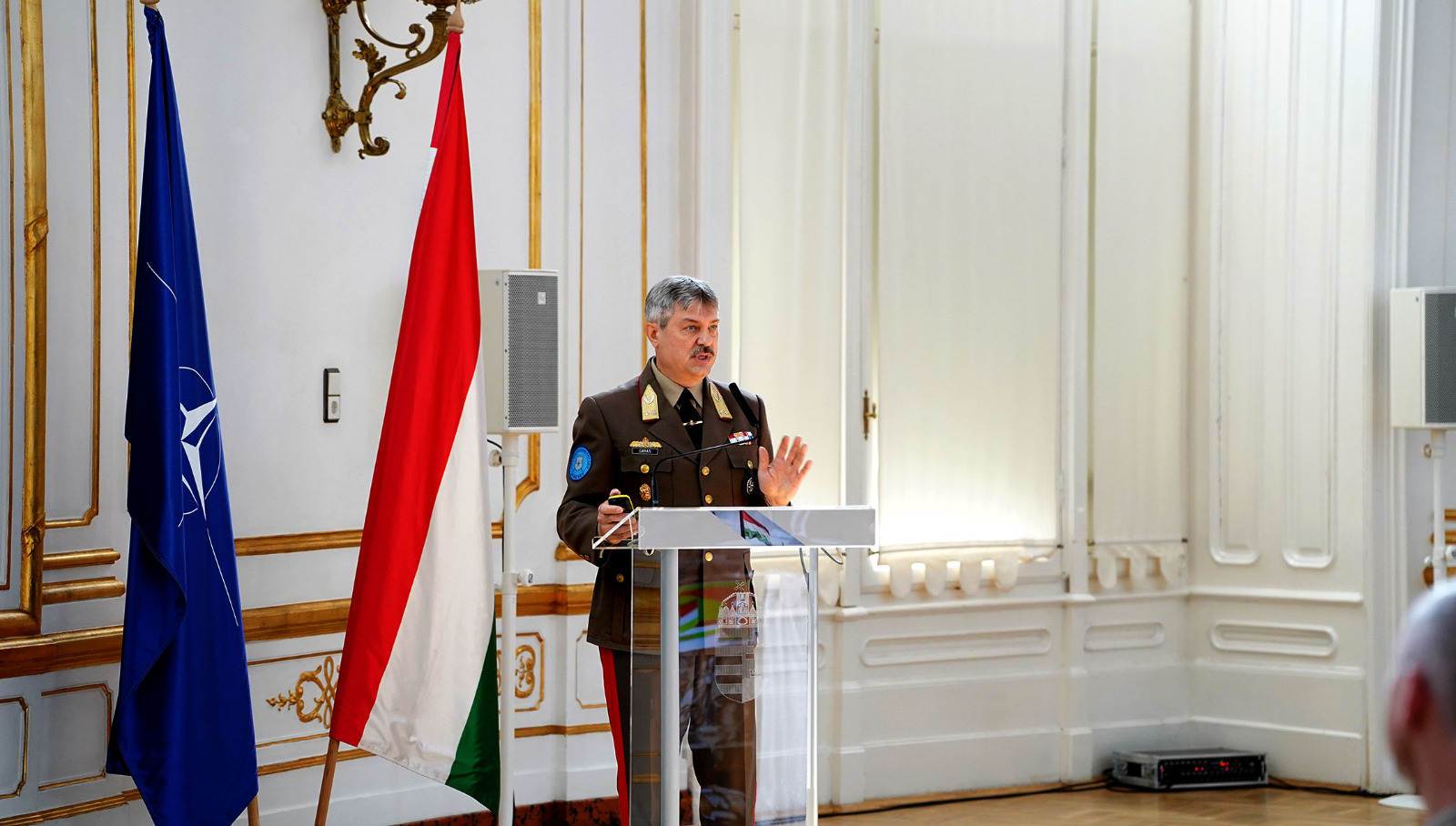
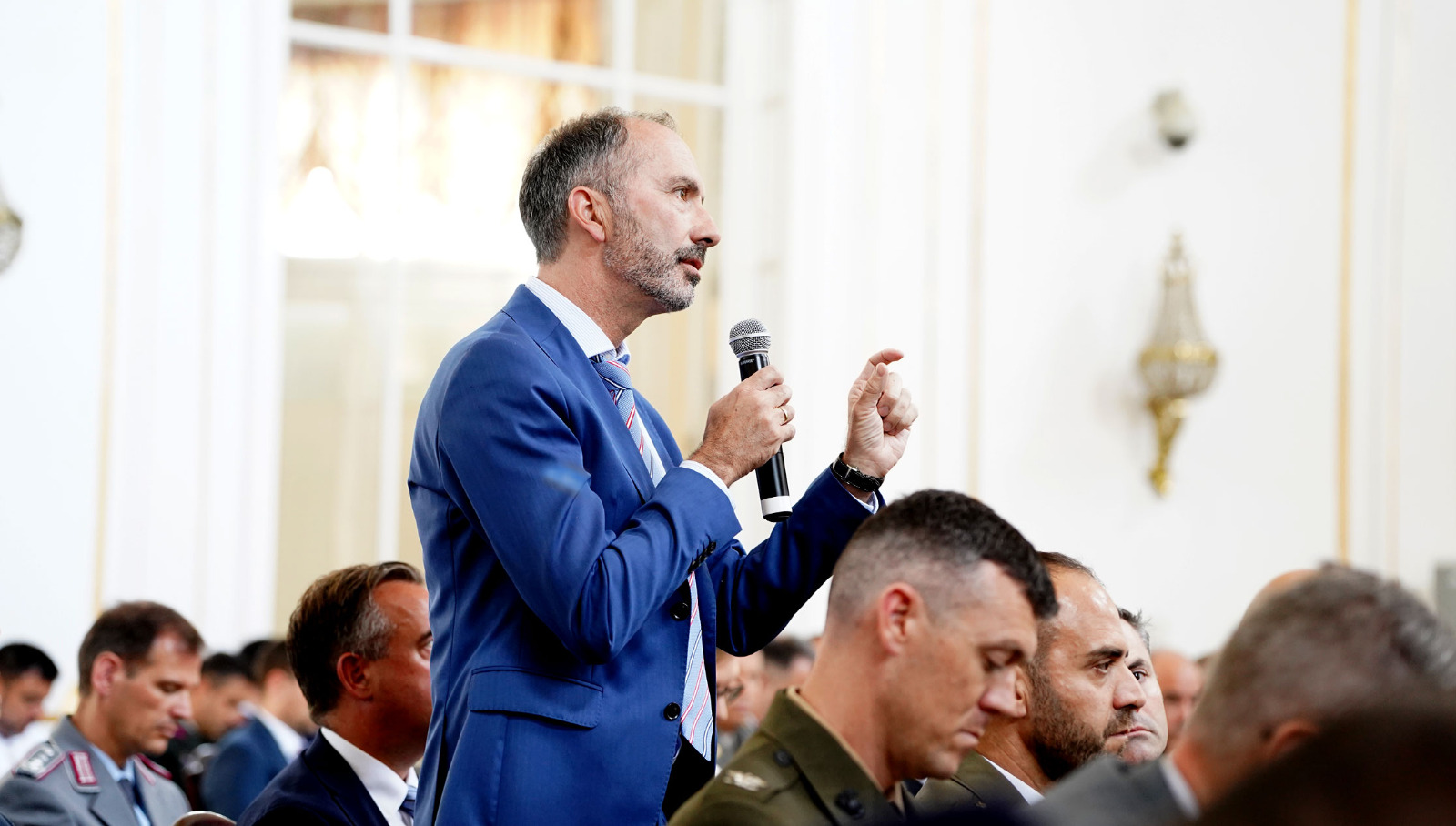
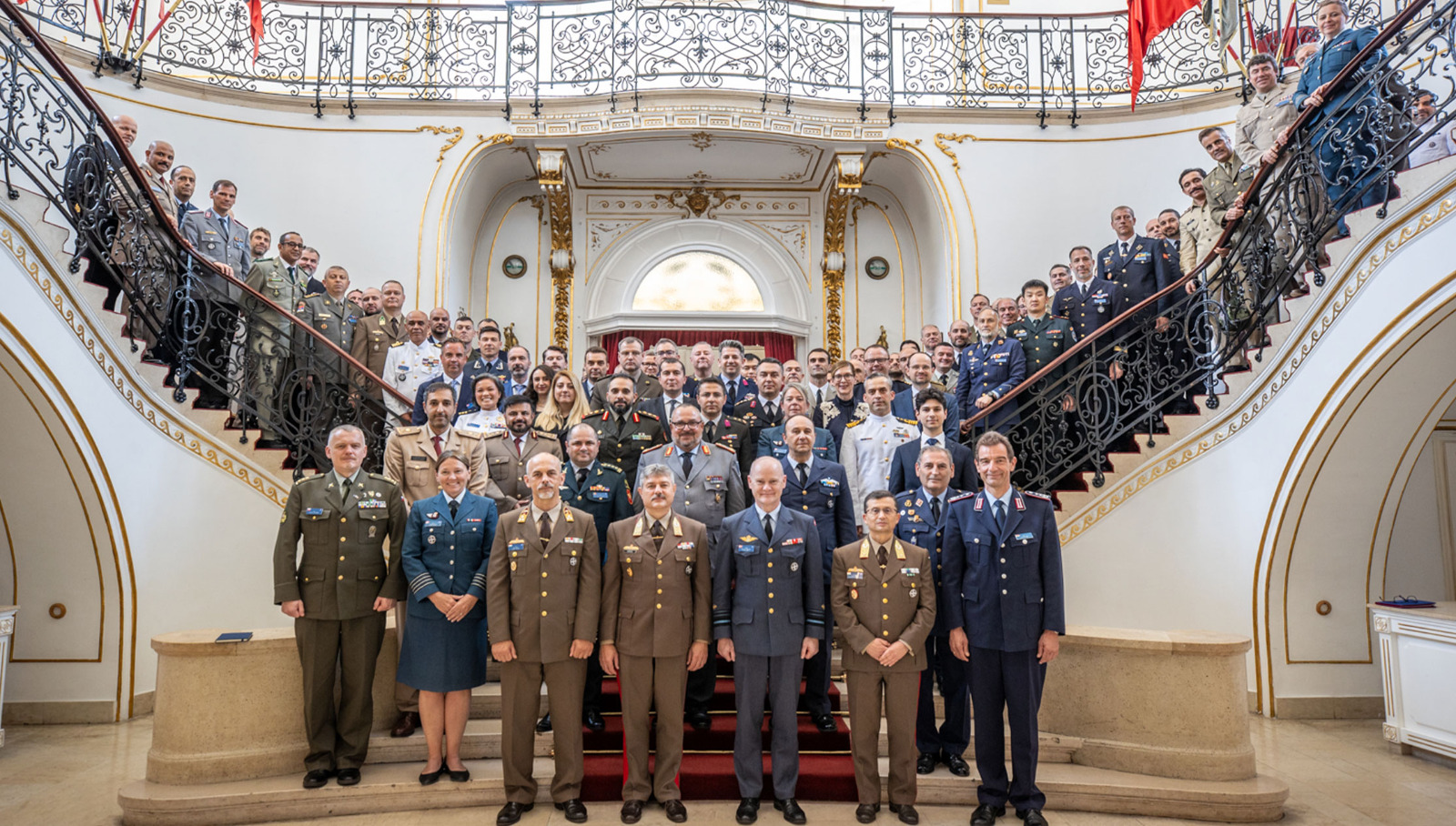
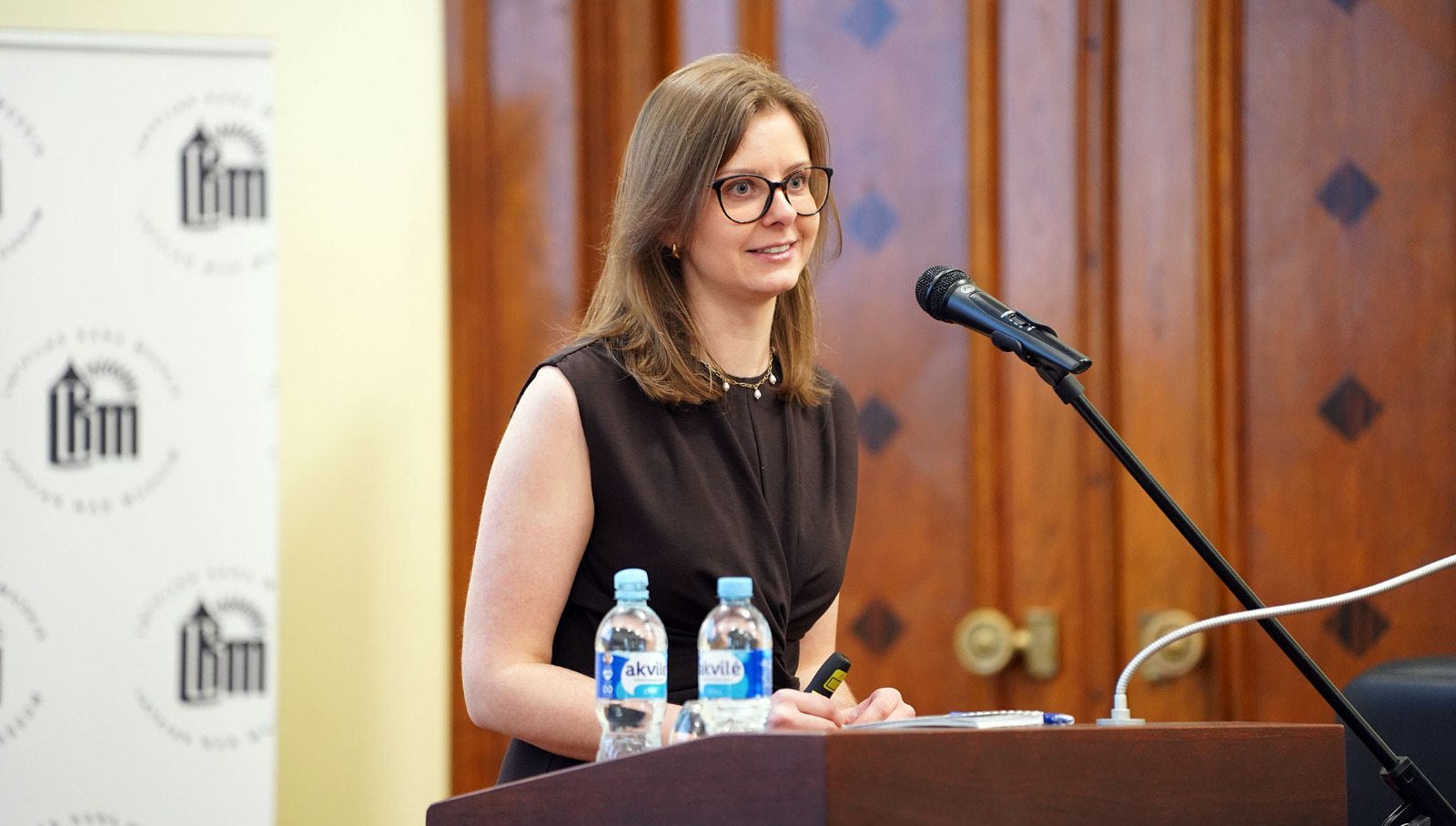
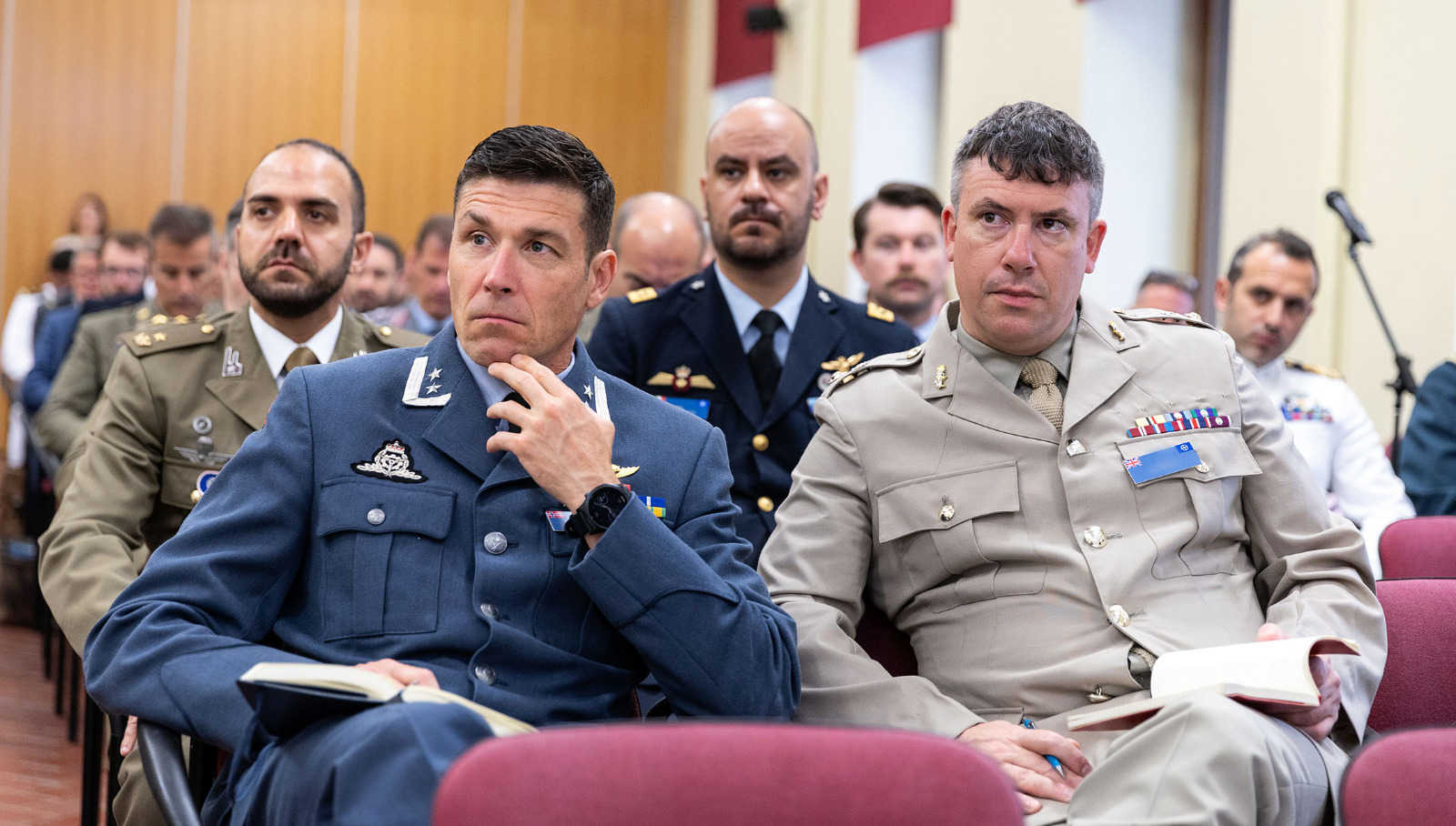
Exploring Sweden, Austria, Hungary and Latvia, this Field Study offered crucial insights into the strategic imperatives of the Nordic countries and Baltic region. The journey began in Stockholm, where participants engaged with Sweden’s comprehensive “total defence” concept. Heading into the heart of Europe, the delegation then travelled to Vienna, in order to gain a deeper understanding of Austria’s long-standing partnership with NATO. Continuing southeast to Budapest, the delegation was given a comprehensive overview of Hungary’s significant defence modernization efforts and its evolving strategic posture within the region. The final destination was Riga, where the imperative of strengthening national resilience is profoundly underscored by the ongoing war in Ukraine and the nation’s geographical proximity to Russia.
Through the dedicated briefings on the respective national defence strategies of Sweden, Austria, Hungary and Latvia, Senior Course 146 was able to form a deeper understanding of each nation’s strategic priorities and key areas of focus. The discussions evidenced a common commitment to strengthening national defence, particularly through increased defence spending and the adoption of the “total defence” concept. This approach reflects an understanding of resilience as multi-layered, encompassing not only military readiness but also societal preparedness and investment in critical sectors such as energy, healthcare and cybersecurity.
Across the briefings and panels, discussions emphasized modernizing defence to bolster effectiveness in multi-domain operations and consolidate the Alliance’s future-proof posture, especially through countering disinformation, integrating artificial intelligence, advancing drone technologies and strengthening air defence capabilities.
While the countries expressed differing approaches to NATO, they all reiterated the importance of collective defence and maintaining strong transatlantic ties. All acknowledged the imperative of burden-shifting and the need for Europe to take more responsibility in its own defence. In Sweden, discussions focused on reinforcing the European pillar within NATO. Austria, while maintaining its neutrality, also stressed its intention to deepen cooperation through the new Individual Tailored Partnership Programme with NATO. Hungary emphasized NATO’s vital role in addressing regional threats, and Latvia noted the significant evolution of NATO’s strategic posture and on-the-ground presence.
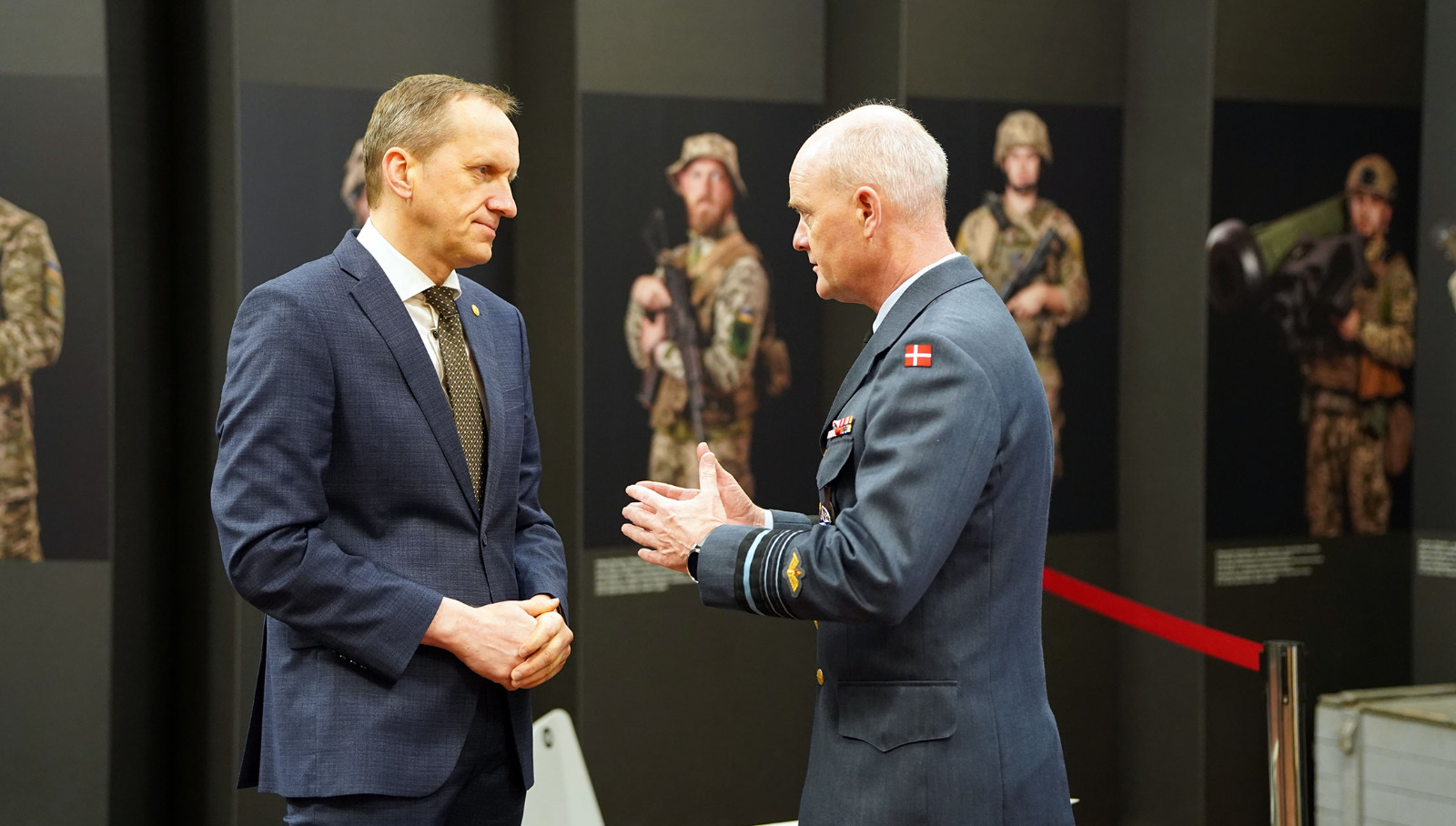
SC 146’s journey through Europe also provided invaluable opportunities for the delegation and NDC leadership, in particular Commandant Lieutenant General Max A.L.T. Nielsen, to engage with high-level partners and briefers. These included the Swedish Chief of Defence, General Michael Claesson; the Deputy Chief of Defence of Austria, Lieutenant General Hofbauer; the Deputy Chief of Defence Staff of Hungary, Lieutenant General Ferenc Kajári; and the Deputy Chief of Defence of Latvia, Major General Kerlins. These discussions were a unique chance to address shared challenges and the crucial role of strategic military education for NATO.
Ultimately, the four countries offered different perspectives on how to balance national interests with collective defence. Together, they offered Course Members a clear picture of the multifaceted challenges facing Europe and NATO, and starkly illustrated why boosting defence spending and strengthening collective capabilities is paramount.
NDC Public Affairs Office
(Prepared by Ms Britt Melinga, NLD C)
Next

 Collège de Défense de l'OTAN