
From 29 September to 7 October, the 34th NATO Regional Cooperation Course (NRCC 34) conducted a Field Study to deepen understanding of NATO’s current strategic priorities, its evolving role in European and global security, and the alignment of national perspectives—both from NATO Allies and partner nations—with NATO’s core imperatives.
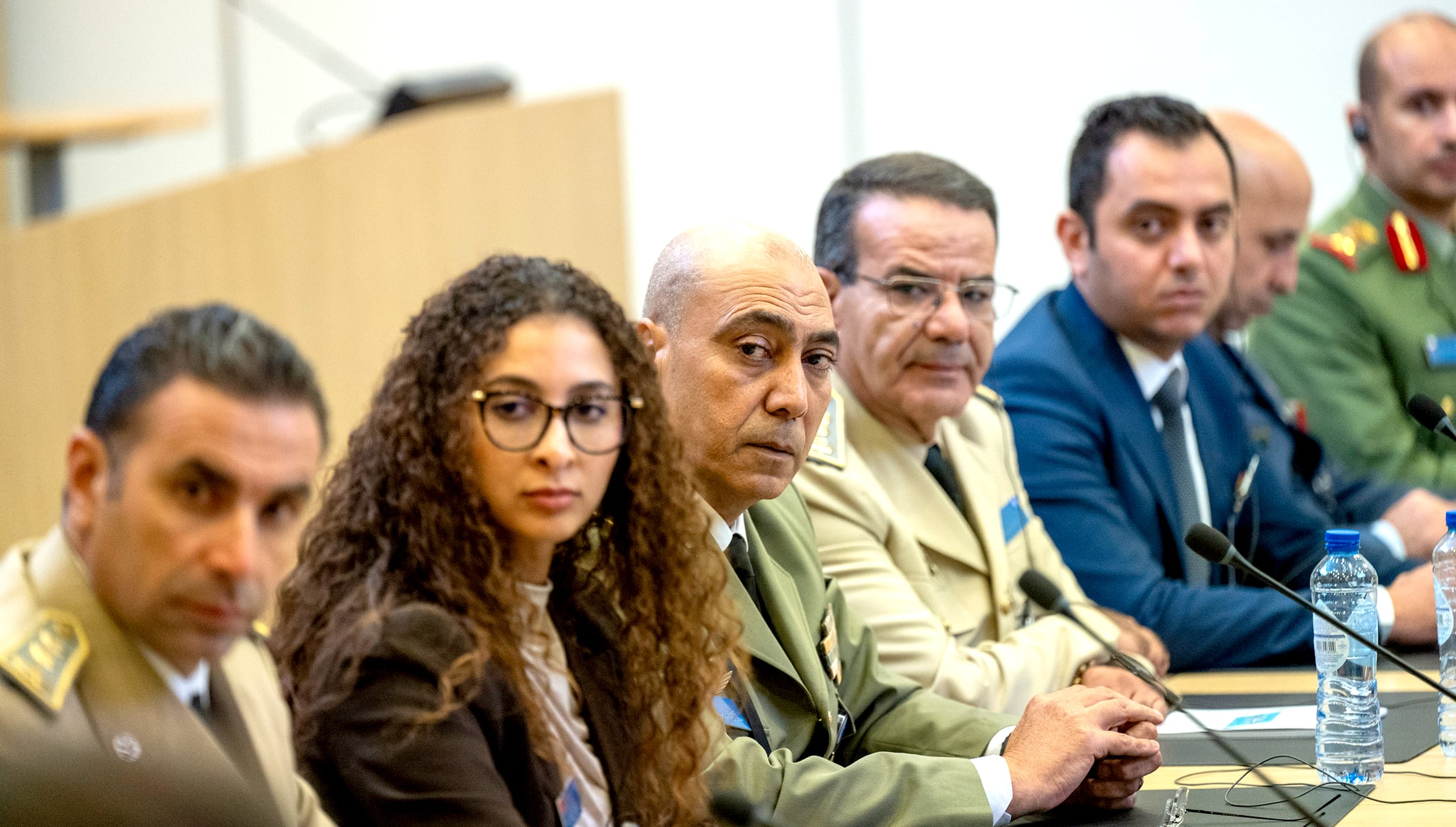
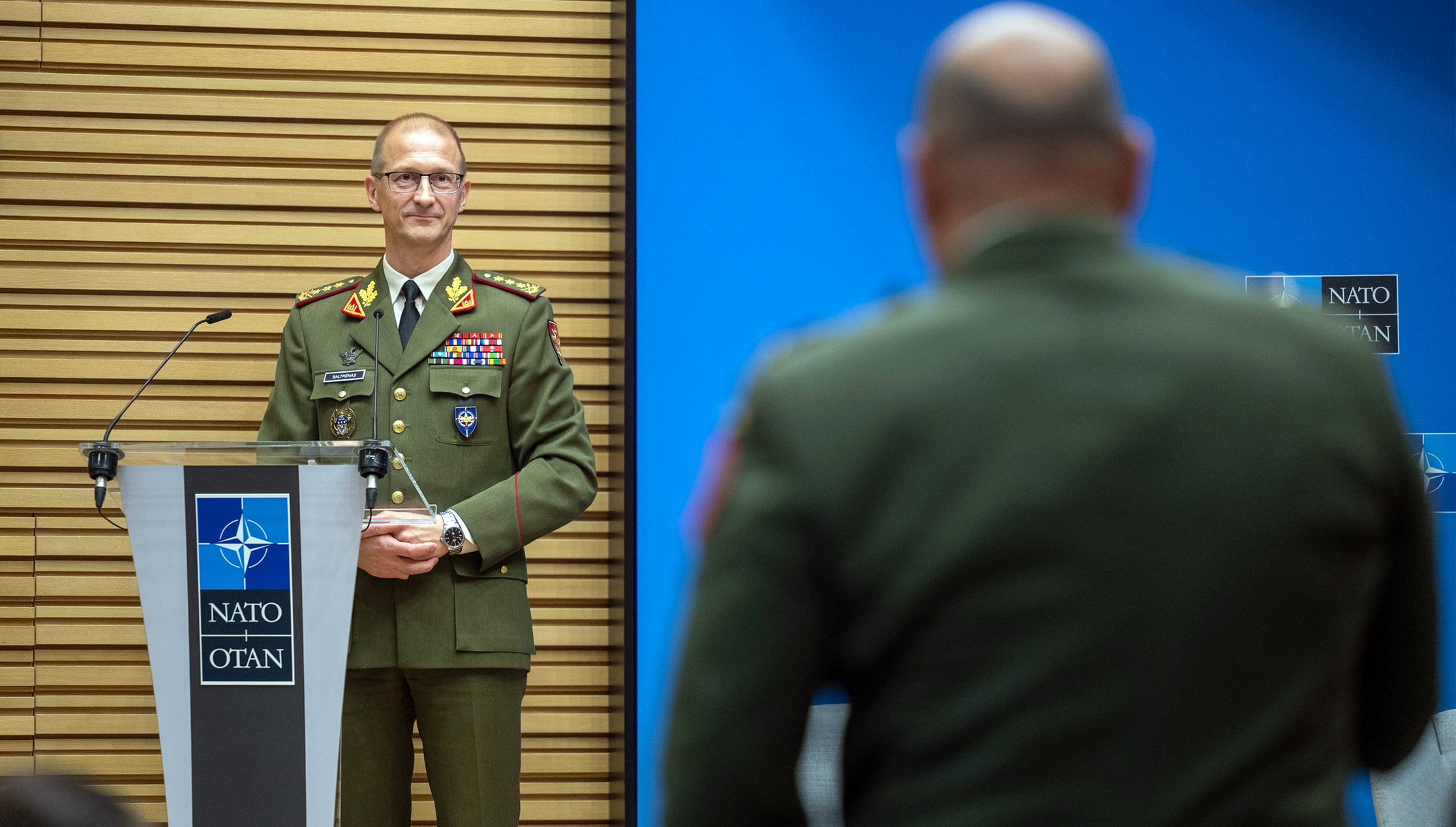
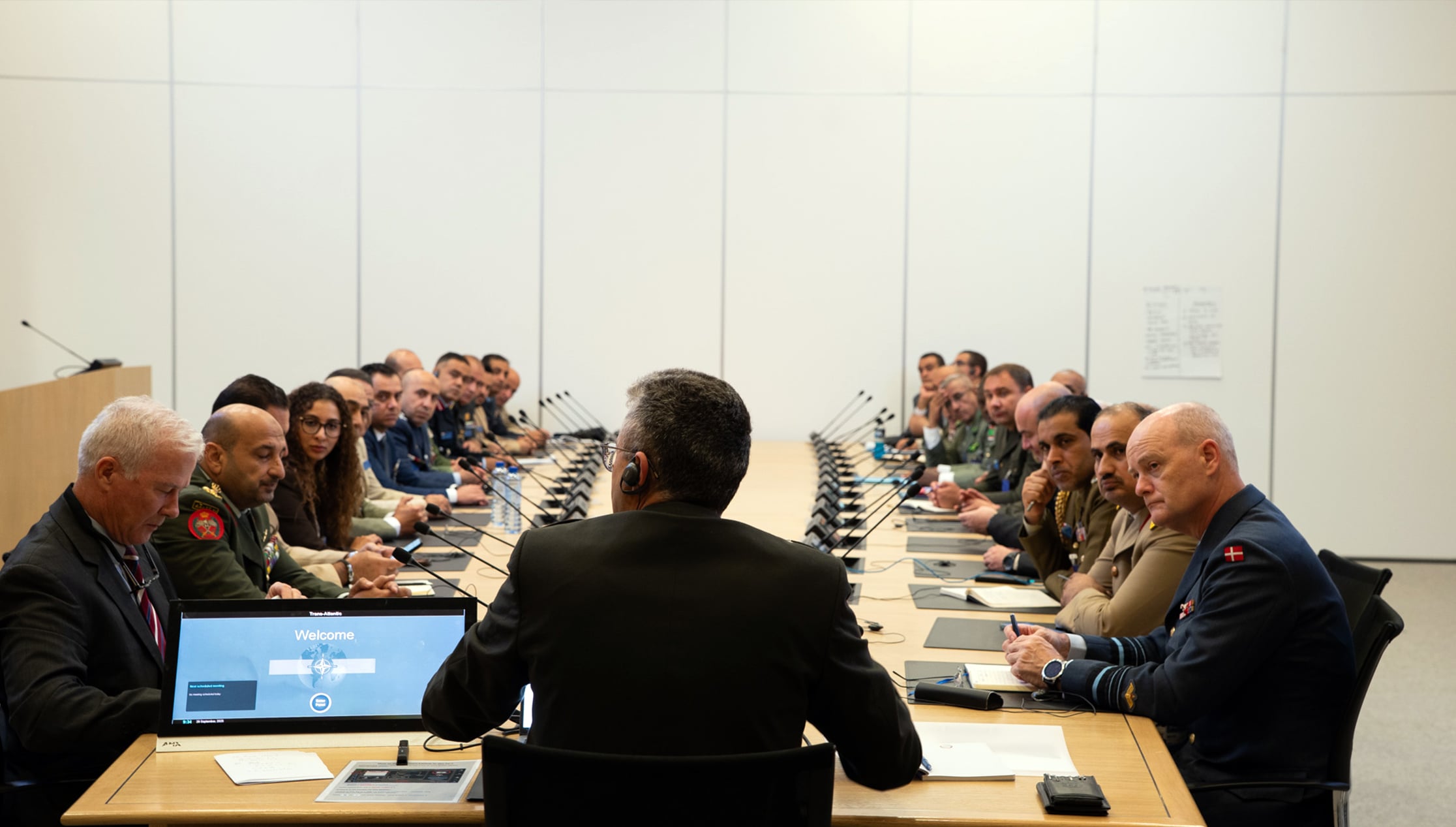
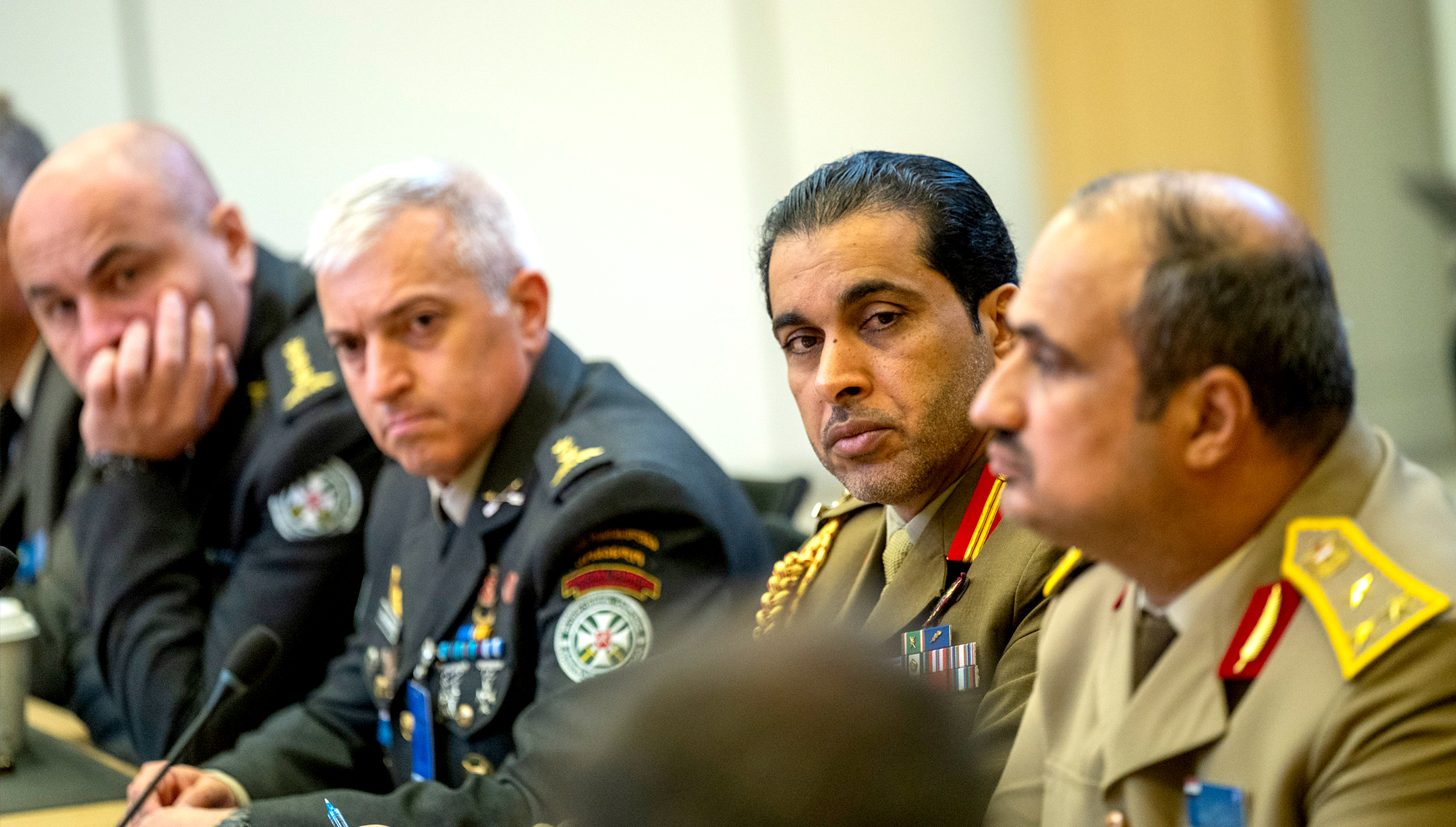
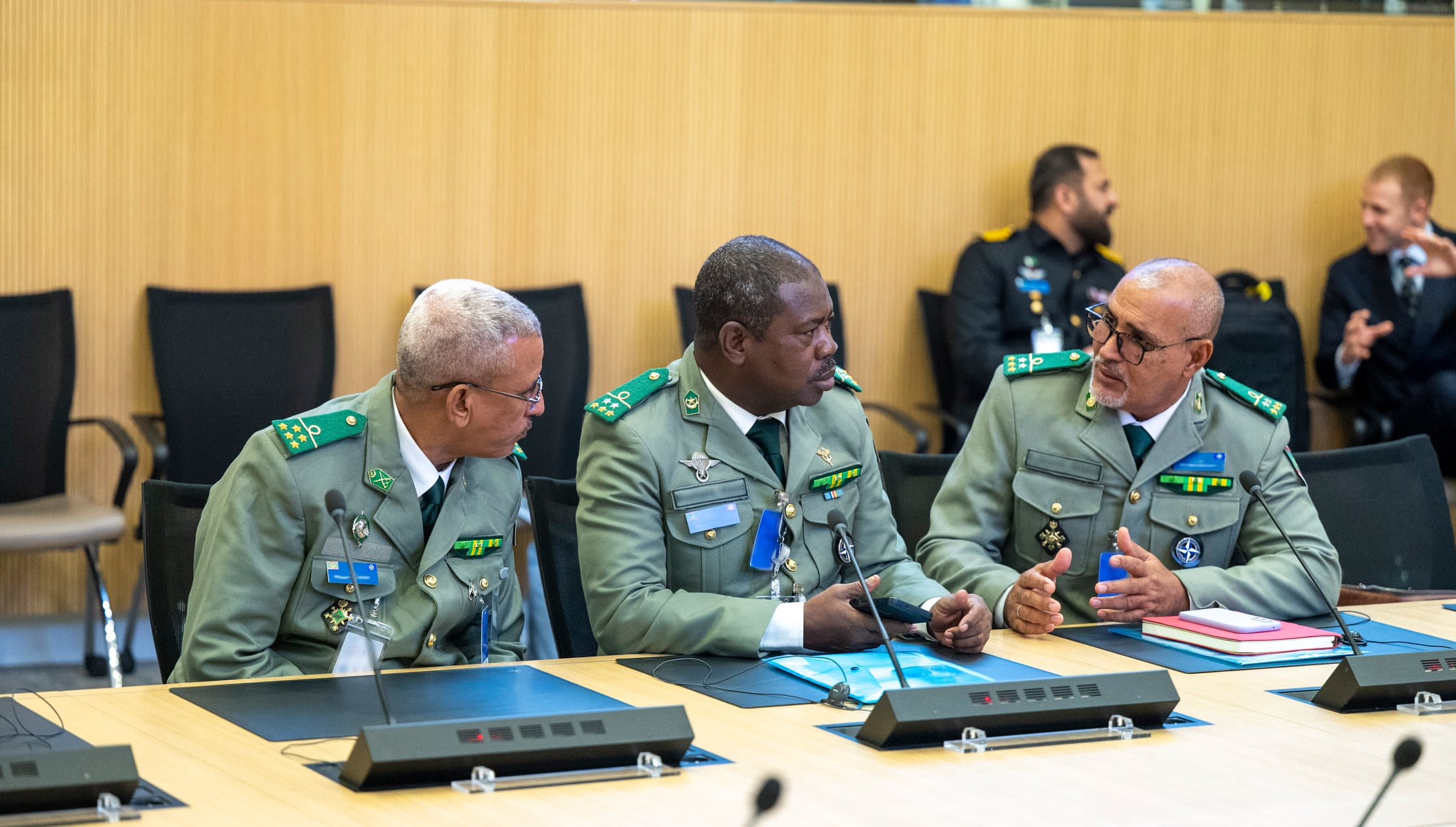
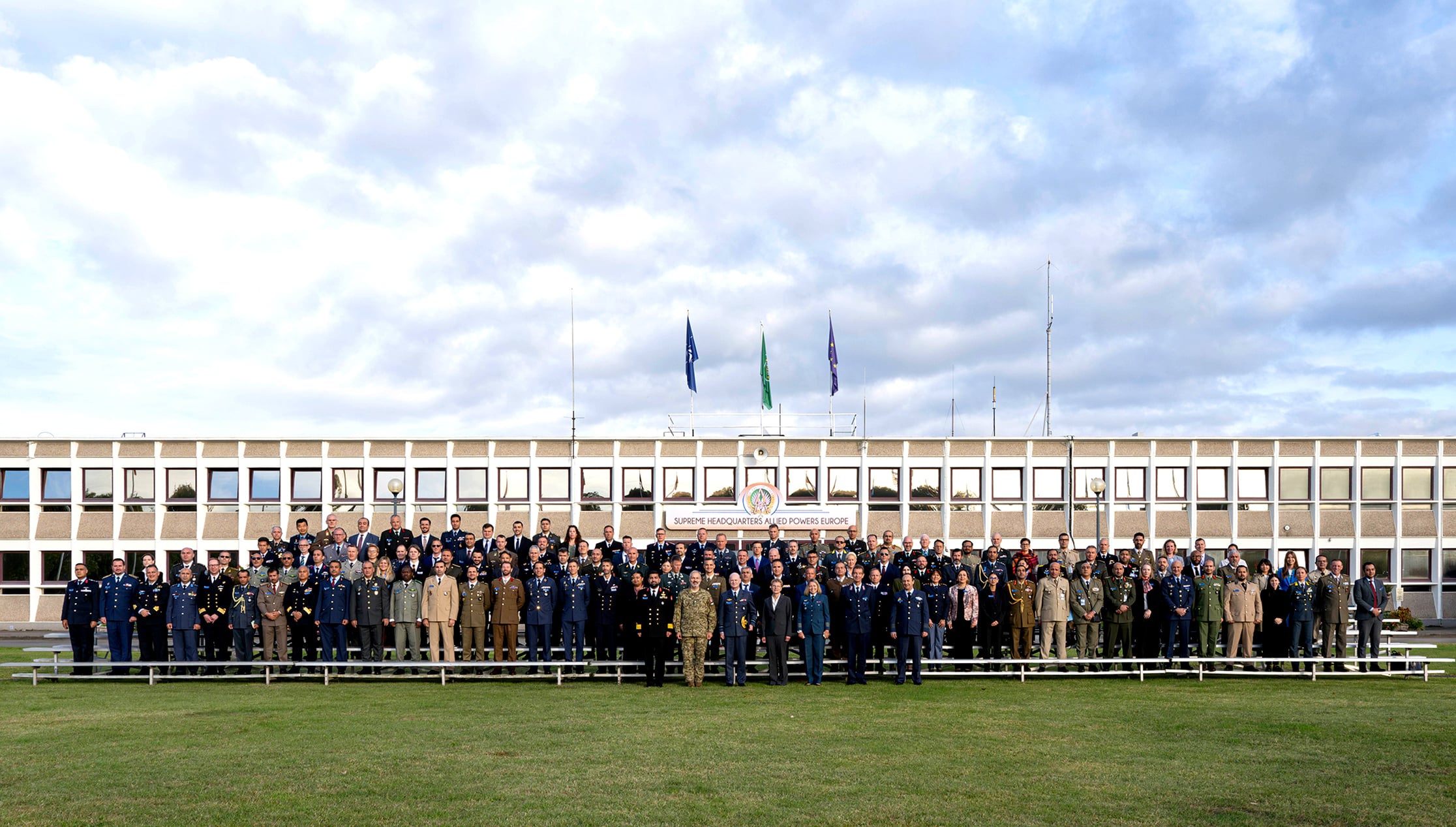
The Field Study began in Brussels, where Course Members visited NATO Headquarters, the Supreme Headquarters Allied Powers Europe (SHAPE), and the European Union Military Staff (EUMS). These engagements provided insights into pressing security challenges facing the Euro-Atlantic area and highlighted NATO’s evolving strategic posture. Discussions centered on reinforcing collective deterrence and defence and enhancing readiness across all domains of conflict. A consistent focus was placed on steadfast support for Ukraine, while carefully managing the risks of escalation with Russia.
Participants examined NATO’s response to the evolving security environment, which includes increased defence spending, capacity building, and bolstered resilience across the Alliance. Central to this adaptation is SHAPE’s ongoing transformation into a strategic warfighting headquarters, driven by the implementation of the Deterrence and Defence of the Euro-Atlantic Area (DDA) concept. This concept is operationalized through the DDA Family of Plans, which underpins NATO’s comprehensive 360-degree approach to deterrence and defence. Concurrently, the European Union is advancing its own defence capabilities via joint procurement, secure supply chains, and closer cooperation with NATO, ensuring strategic alignment and complementarity between the two organizations.
Following its first stop in Brussels, NRCC 34 travelled to Tunisia and Spain, gaining first-hand insights into how both a NATO Ally and a partner nation align their national security priorities with NATO’s strategic framework.
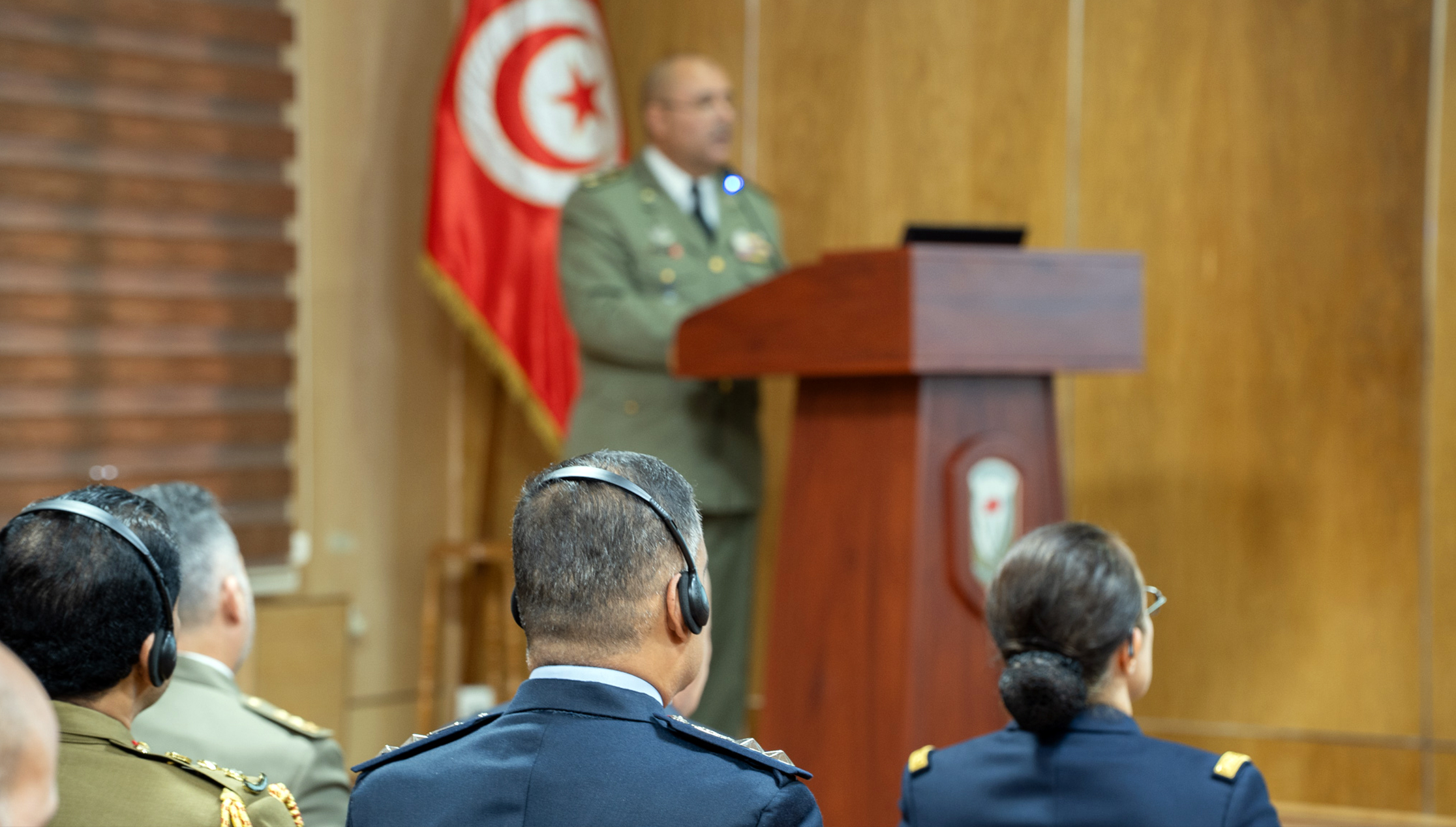
In Tunisia, the delegation visited the National Defence Institute (NDI), where discussions focused on the country’s approach to current security challenges such as the impact of climate change and energy security, and its approach to foreign policy and multilateralism. Briefings highlighted Tunisia’s diverse diplomatic and economic partnerships and its pivotal role in Mediterranean stability through initiatives like the 5+5 Defence Initiative.
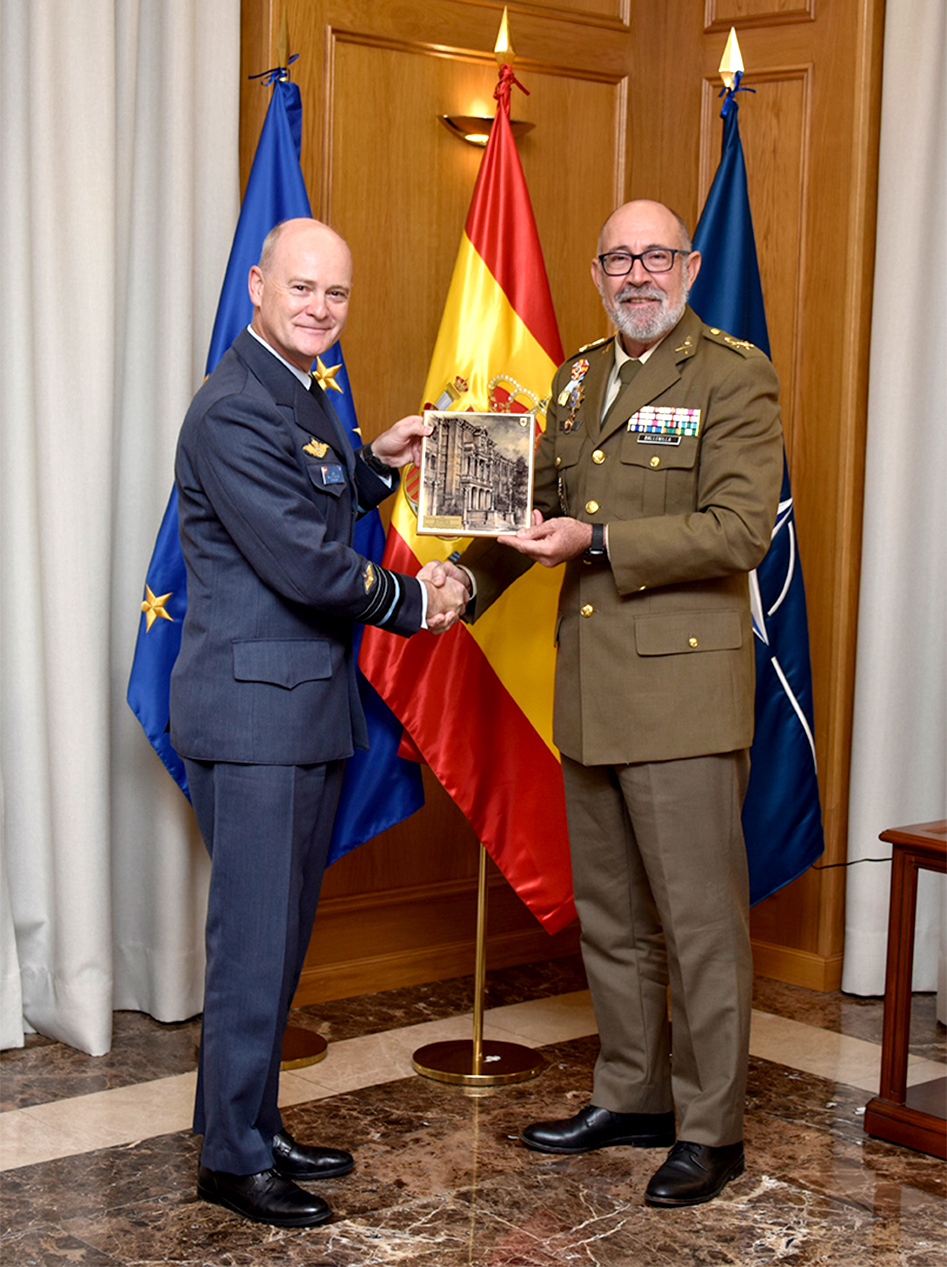
In Spain, Course Members visited the Centro Superior de Estudios de la Defensa Nacional (CESEDEN), where they explored Spain’s shared challenges with NATO and reaffirmed the country’s commitment to multilateral defence cooperation, be it within NATO, the European Union, or broader international frameworks.
This Field Study underscored NATO’s multidimensional approach to security and the critical importance of Allied and partner cooperation in a rapidly evolving global landscape. It provided Course Members with a comprehensive understanding of how national and regional perspectives contribute to NATO’s broader strategic objectives.
The Field Study also served as a valuable opportunity for the NDC leadership to engage with senior military and civilian officials and reinforce institutional ties. Notable meetings included exchanges with Lieutenant General Remigijus Baltrėnas, Director General of the NATO International Military Staff; Mr Stephen Covington, Strategic and International Affairs Advisor to the Supreme Allied Commander Europe; Lieutenant General Ludovic Pinon de Quincy, Vice Chief of Staff at SHAPE; and Mr Andrius Kubilius, the EU’s first Commissioner for the combined Defence and Space portfolio.
In Tunisia, the delegation was received by Major General Akremi, Director of the NDI, along with other senior Tunisian military officials. In Spain, NDC Commandant Lieutenant General Max Nielsen met with Lieutenant General José Antonio Herrera Llamas, Chief of the Spanish Joint Defence Staff, and Lieutenant General Miguel Ballenilla y García de Gamarra, Director of CESEDEN.
NDC Public Affairs Office
(Prepared by Ms Chloé Ketels, FRA C)

 Collège de Défense de l'OTAN