
Co-hosted by the NATO Defense College (NDC) and the Hellenic National Defence College (HNDC), the 54th edition of the Conference of Commandants (CoC) took place in Athens, Greece, from 14 to 16 May 2025. This year’s theme, “Artificial Intelligence (AI) and Its Impact on Higher Professional Military Education”, spurred in-depth discussions on AI’s transformative potential within military education, exploring its current applications, promising future avenues, inherent biases, and challenges related to its integration into academic programmes.


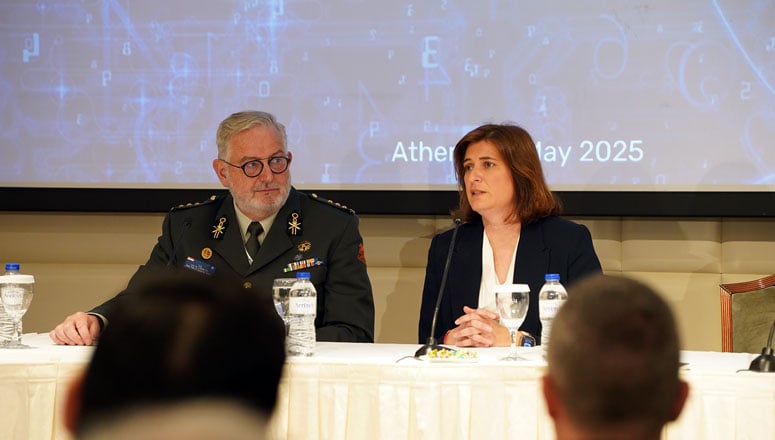
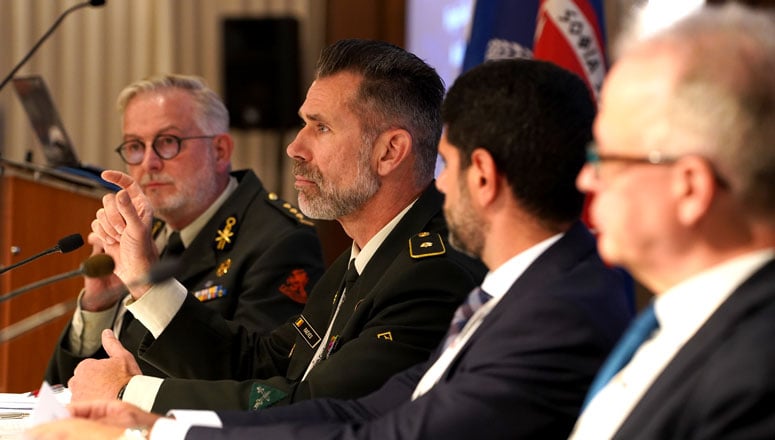
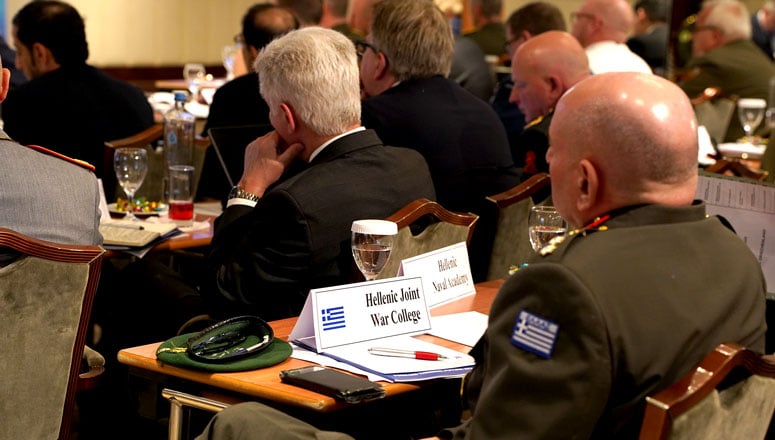
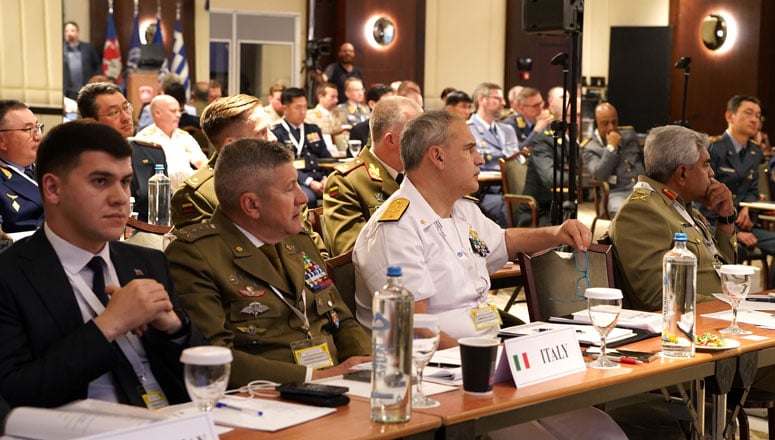
Since its inception in 1972, the Conference of Commandants has served as a vital platform for fostering collaboration and driving innovation in strategic education. Each year, it addresses pressing issues facing the Alliance, proactively seeking solutions to evolving security challenges by equipping future leaders with the necessary foresight and skills.
This year’s edition gathered Commandants of senior defence education institutions from 26 NATO member countries and 28 partner nations. The event also welcomed representatives from selected NATO entities and other institutions such as the Baltic Defence College, the George C. Marshall European Center for Security Studies, the G5 Sahel Defence College, and the European Security and Defence College.
The Conference started with a NATO session addressing the Alliance’s commitment to maintaining its technological edge through continuous innovation. This session emphasized the need to foster a forward-leaning mindset among Allies to strengthen NATO’s deterrence and defence posture across the Euro-Atlantic area, especially in multi-domain operations (MDOs). Participants had the opportunity to engage with high-level from speakers from the NATO enterprise, most notably Mr Manfred Boudreaux-Dehmer, Chief Information Officer at NATO HQ, GEN Markus Laubenthal, Chief of Staff at Supreme Headquarters Allied Powers Europe (SHAPE), and Mr Stephen Covington, Strategic Advisor to SACEUR, also from SHAPE.
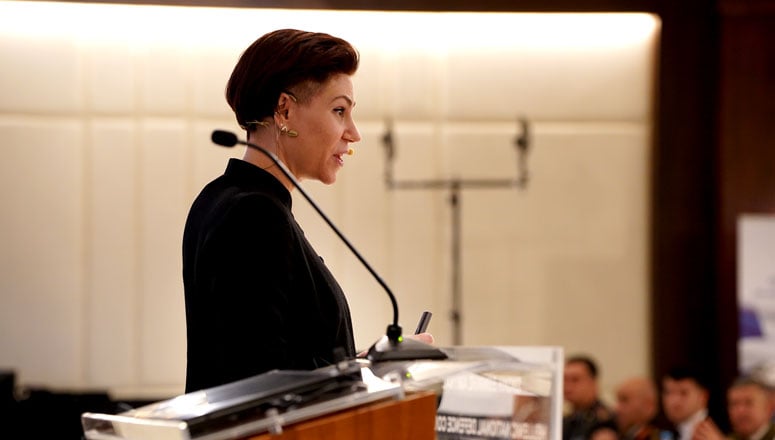
This initial session was followed by a series of insightful presentations by distinguished keynote speakers, including Dr Sae Schatz, Executive Director of the Partnership for Peace Consortium; Ms Christina Leimoni, EMEA Regional Director at Microsoft; and Dr William Barry, Professor of Emerging Technology at the United States Army War College. Their expertise provided the attendees with a comprehensive overview of AI’s opportunities and challenges, and of the multifaceted implications of its integration into higher professional military education.
The discussions delved into the various types of AI and their current applications, as well as their potential to revolutionize learning processes and resources, teaching methodologies and military leadership. Ethical considerations surrounding AI, in particular its inherent biases and role in military decision-making, were a significant point of focus.
A key emphasis throughout the Conference was the critical synergy between human intellect and AI capabilities. The discussions underscored that AI should serve as a powerful tool to augment the abilities of leaders, rather than a replacement for human judgment. Recognizing AI’s profound impact on the nature of modern warfare, especially within the cyber and cognitive domains, the discussions highlighted the urgent necessity to cultivate widespread AI fluency across both military and civilian sectors.
Furthermore, the importance of establishing robust governance frameworks for AI systems and the enduring, crucial role of human leadership in guiding its responsible integration were strongly affirmed. Finally, the need for enhanced cohesion among Allies and partners was identified as vital for the successful adoption of AI technologies within educational programmes.
Through insightful panel discussions, thought-provoking keynote addresses and engaging interactive sessions, attendees gained crucial insights that will be instrumental in navigating the complex security landscape and will contribute to shaping the future of leadership across the NATO Alliance and its partner nations.
NDC Public Affairs Office
(Prepared by Ms Chloé Ketels, FRA C)
Next
 Collège de Défense de l'OTAN