
Ottawa was the second capital visited as part of Senior Course 145’s Field Study 1 itinerary, offering Course Members a valuable opportunity to engage with high-level officials and experts on Canada’s strategic priorities in an evolving security environment. Held on 4 October 2024, the visit included discussions with General Jennie Carignan, Canada’s Chief of the Defence Staff; Ambassador David Angell, former Permanent Representative of Canada to NATO; and other key experts.
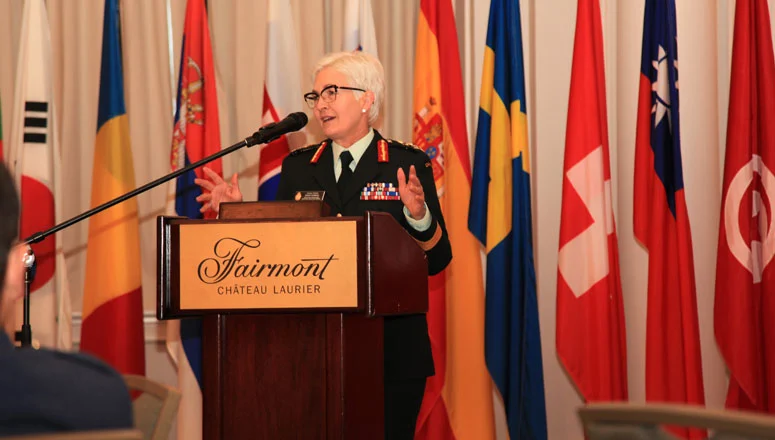
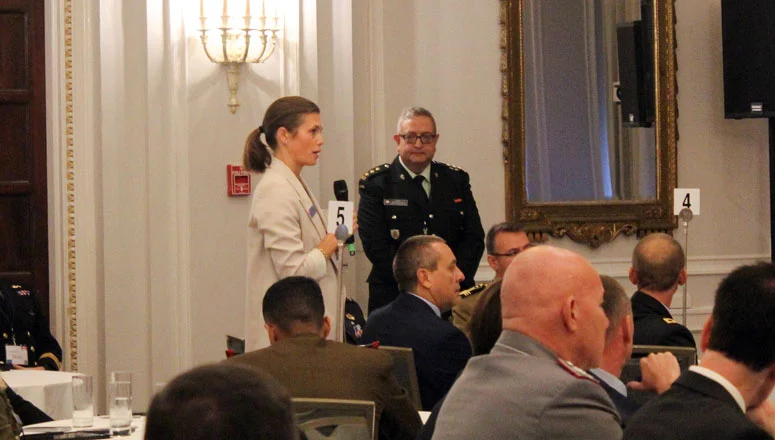
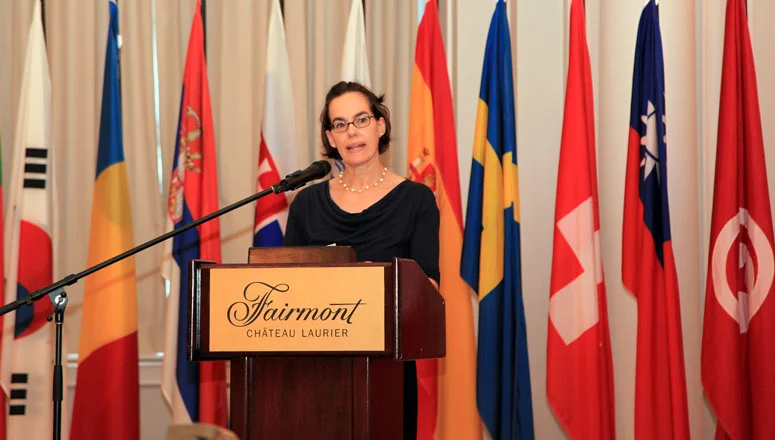
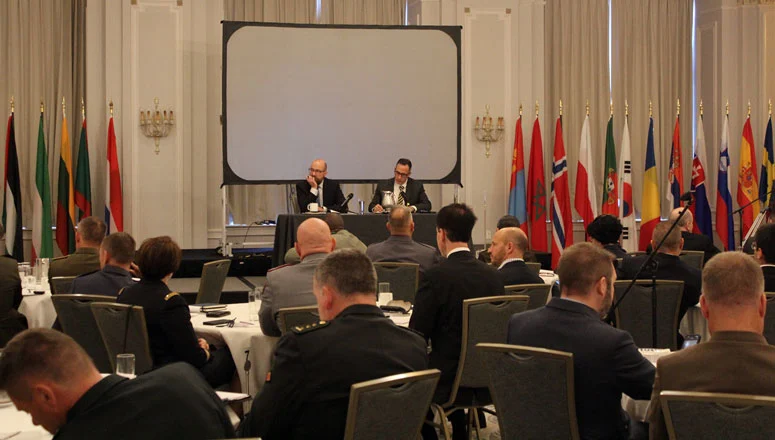
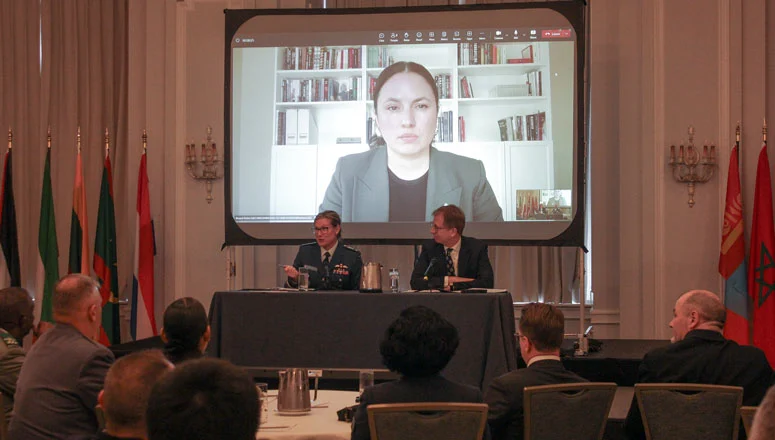

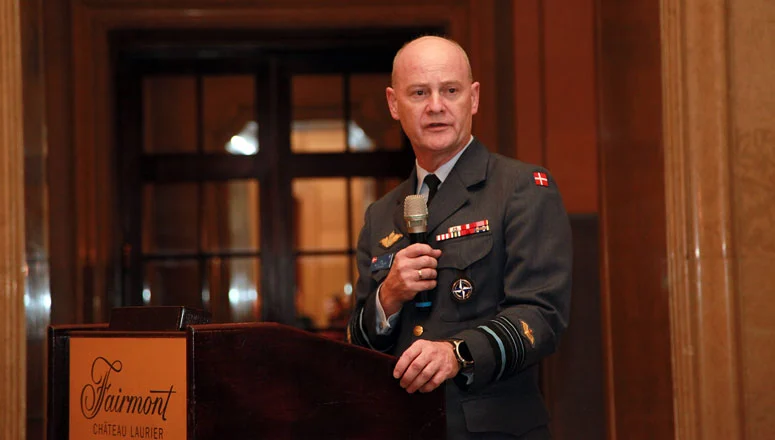
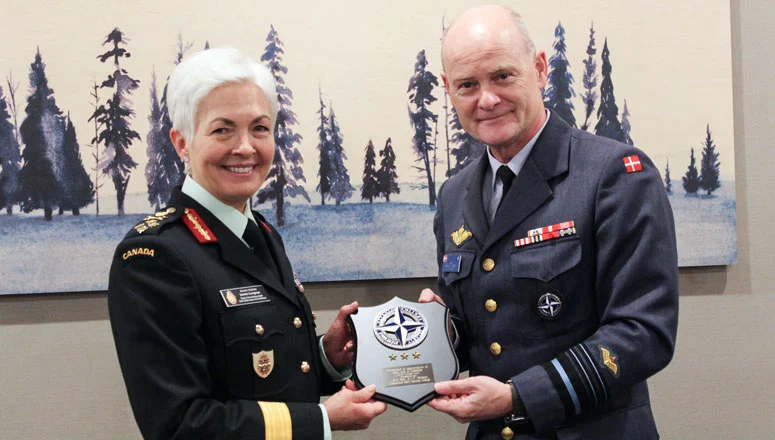
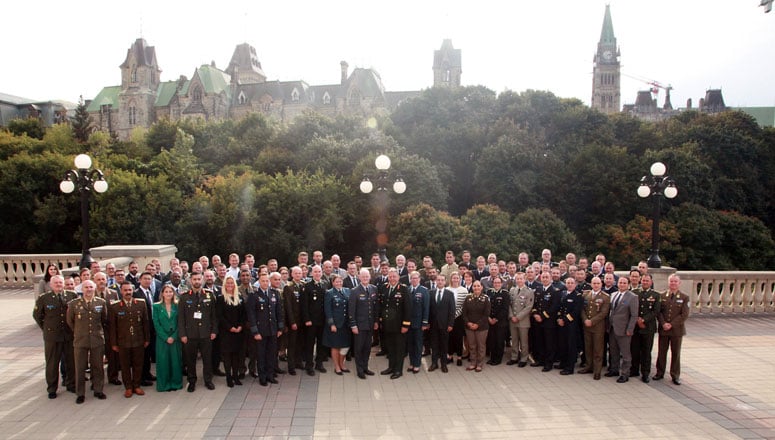
The briefings offered an overview of Canada’s adaptation to the global security environment and of its contributions to NATO. General Carignan emphasized the importance of strategic leadership and strategic thinking in an era of rapid and unpredictable change, highlighting the need for adaptability to navigate today’s multifaceted challenges.
Dr Andrea Charron, Director of the Centre for Defence and Security Studies and Professor at the University of Manitoba, provided historical insight, noting that as a founding member of NATO, Canada remains committed to the Alliance’s collective security goals. The discussions covered Canada’s response to current global threats, including disruptive actors like Russia and China, the impact of climate change and the rise of hybrid threats. The speakers outlined Canada’s three key priorities: collaborating with NATO Allies to protect Europe’s eastern flank, reinforcing collective defence in the Arctic and strengthening engagement in the Indo-Pacific.
Mr Scott Miller, from the Department of National Defence, and Dr Stephen Nagy, a professor at the International Christian University in Tokyo, presented Canada’s Indo-Pacific strategy. They stressed the region’s significance to Canada, given its large population and economic growth. Strengthening partnerships and enhancing engagement in the Indo-Pacific were identified as key components of Canada’s approach.
Course Members also participated in a panel on Canada’s Arctic strategy, featuring Mr Robert Sinclair, Senior Arctic Official; Major-General Jamie Speiser-Blanchet, Deputy Commander of the Royal Canadian Air Force; and Dr Gaëlle Rivard Piché, a Strategic Analyst with Defence Research and Development Canada. The panel discussed NATO’s and Canada’s increasing focus on the Arctic in light of emerging threats. They emphasized Canada’s efforts to boost its Arctic presence, modernize defence capabilities, enhance collaboration with allies and partners, and promote domain awareness and burden-sharing with NATO members in the High North.
The panel underscored that interoperability plays a crucial role in ensuring effective deterrence moving forward.
Ambassador Yuliya Kovaliv, Ukraine’s Ambassador to Canada, also addressed the Course Members, expressing her gratitude for NATO’s and Allies’ support in helping Ukraine defend itself against Russia’s war of aggression.
The Field Study is a key part of the Senior Course programme as it offers Course Members an invaluable insight, from first-hand sources, into Allied countries’ individual perspectives on security and defence and into their role within NATO. Overall, the visit to Ottawa offered Senior Course participants deeper knowledge of how Canada is addressing global security challenges across such key regions as the Arctic, the Indo-Pacific and the North Atlantic, while reinforcing collaboration with its allies to ensure collective defence and stability.
NDC Public Affairs Office
(Prepared by Ms Sofia Carvalheiro, PRT C)

 Collège de Défense de l'OTAN