

From 22 to 23 June, the NATO Defense College (NDC) welcomed national representatives and points of contact for the 2027 Field Studies to Rome for the annual Field Study Planning Conference. The conference facilitates the exchange of information, best practices, and lessons learned in support of the planning, coordination, and execution of the Field Studies for upcoming Senior Courses 149 and 150, as well as NATO Regional Cooperation Courses (NRCC) 36 and 37.
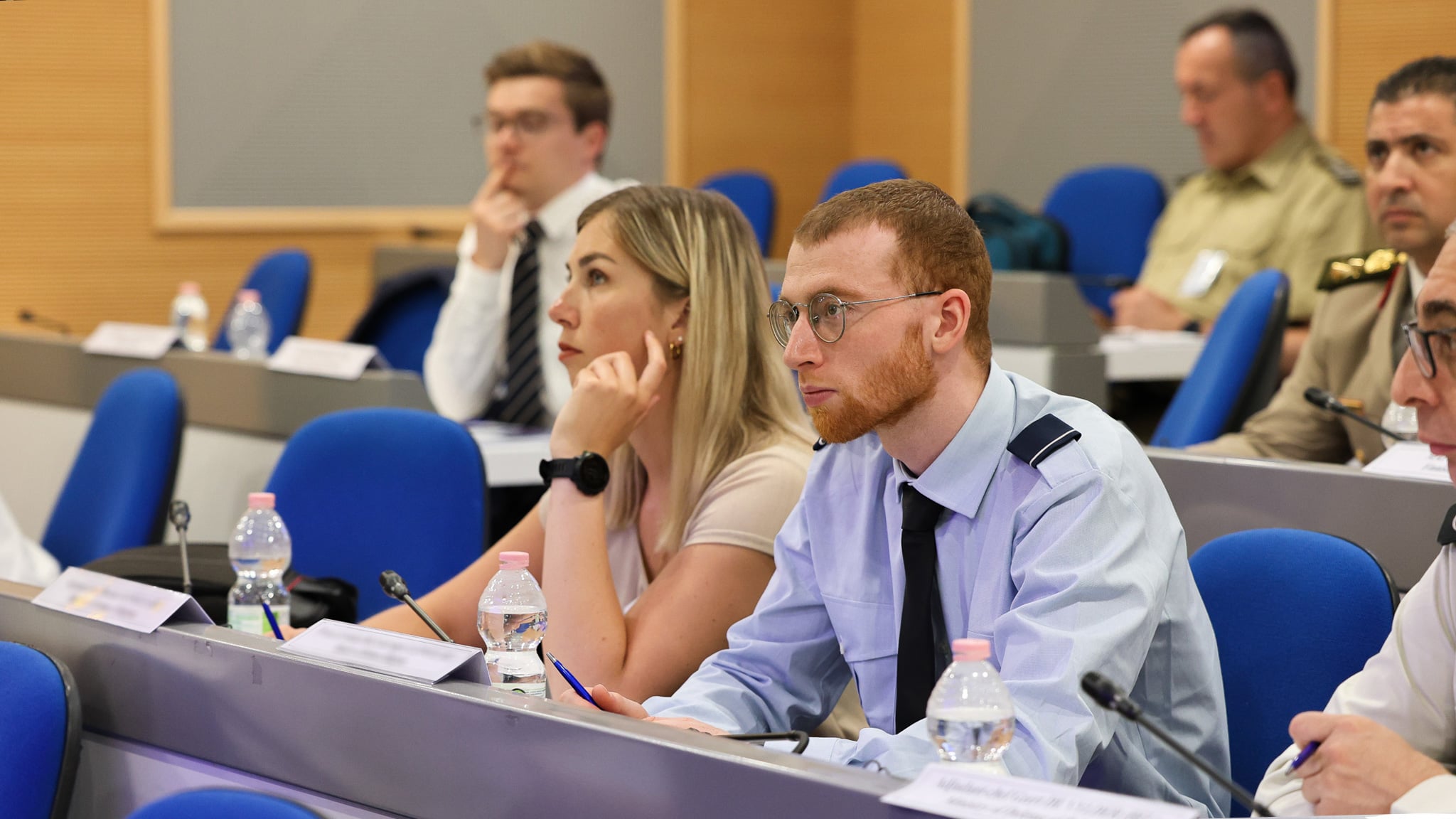
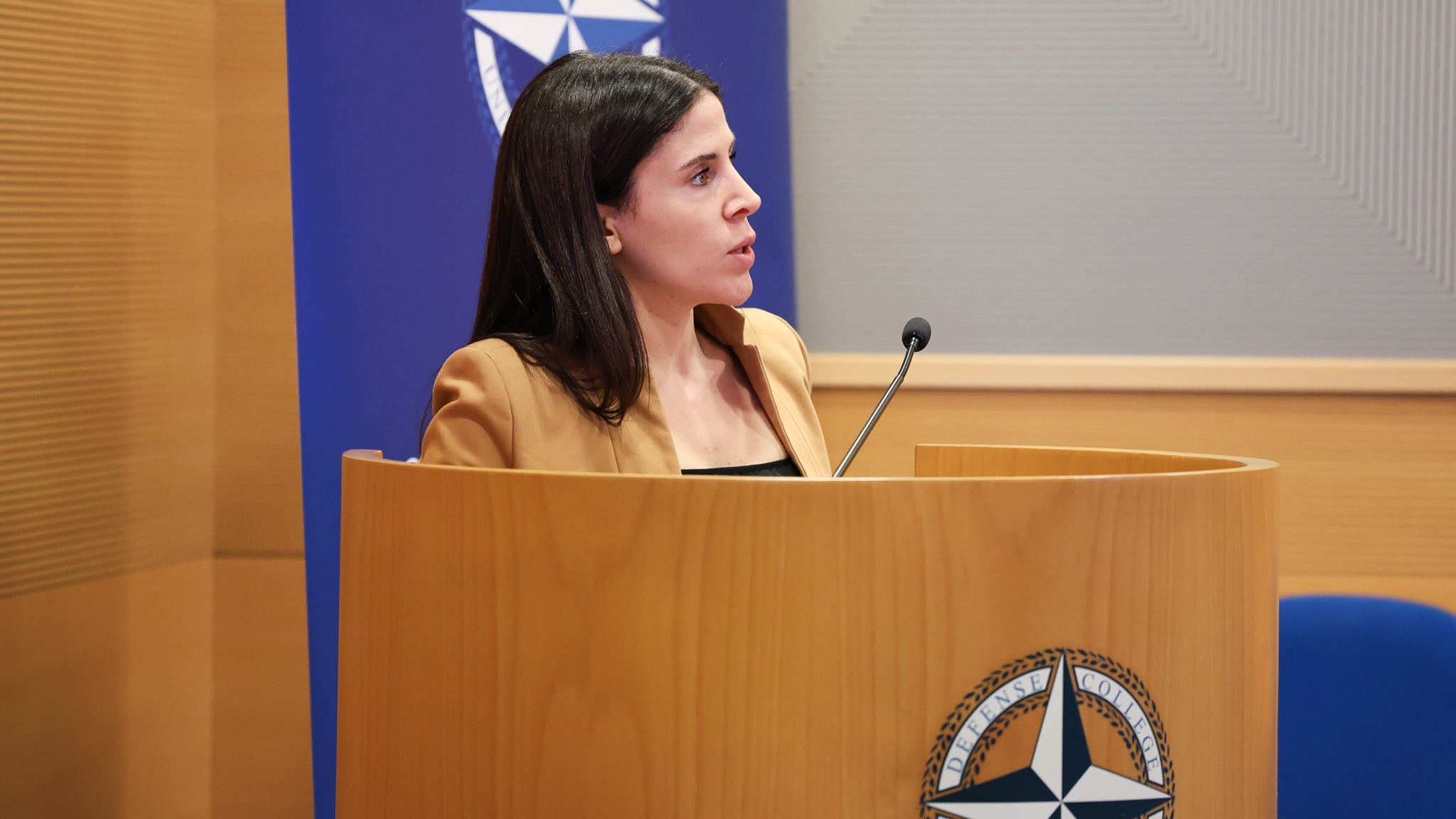
Field Studies are a core component of both the Senior Course and the NATO Regional Cooperation Course curricula. They provide Course Members with unique opportunities to gain first-hand insights into the institutions and strategic priorities of NATO member and partner nations, NATO bodies, the European Union, the United Nations and other international organizations.
The conference fosters closer collaboration between the NDC, national representatives, and points of contact. Through the exchange of experiences and lessons identified from previous editions, participants contributed to the development of robust academic programmes for future Field Studies, while also enhancing the logistical frameworks that enable their successful delivery.
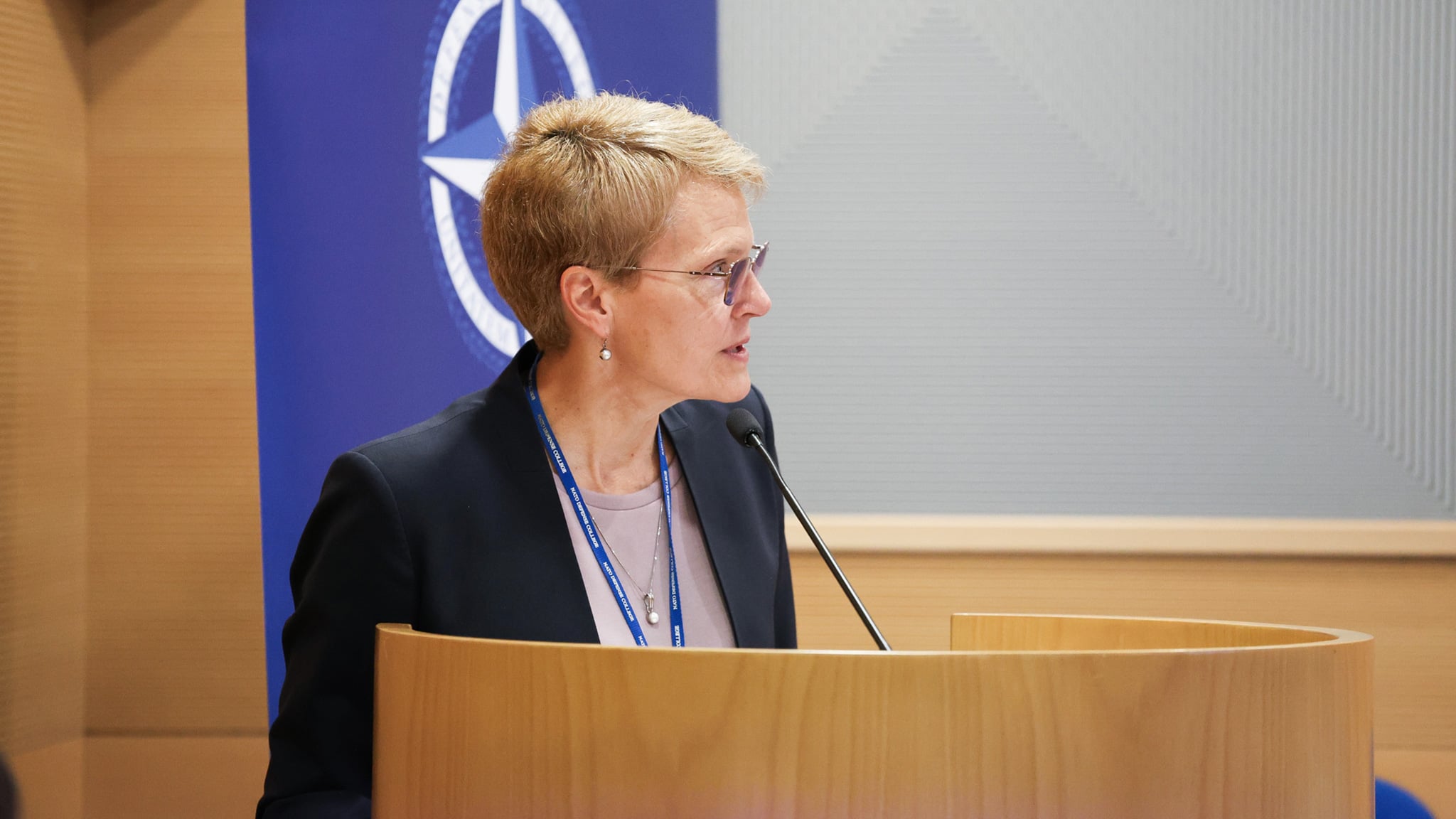
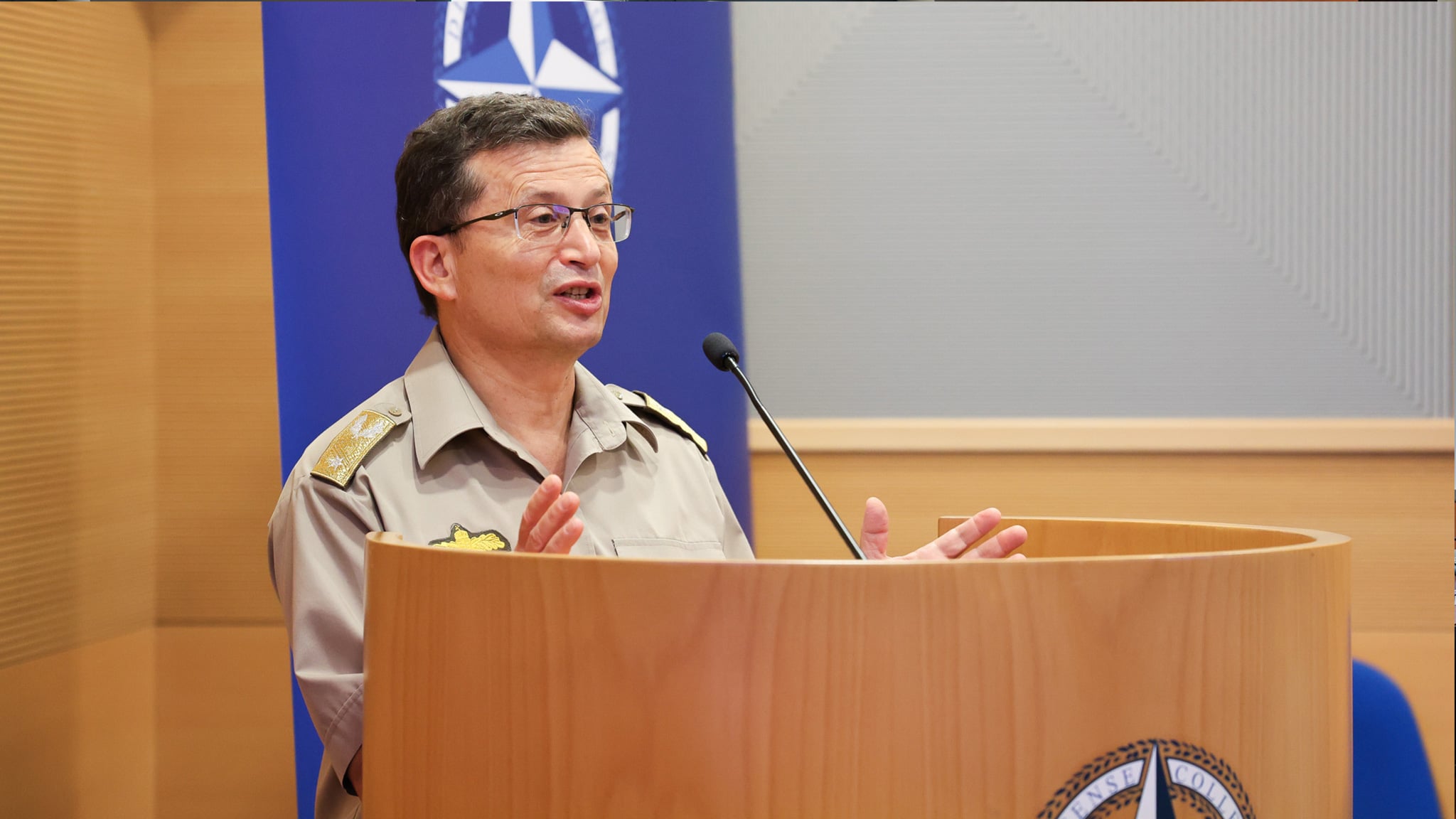
Following opening remarks by NDC Dean Dr Suzanne Nielsen, the Director of Academic Operations, Brigadier General Ferenc Molnár, highlighted the educational value of Field Studies and their contribution to the overall learning experience of Course Members. Participants received comprehensive briefings from the relevant NDC divisions and sections. These presentations covered the academic curriculum, coordination and logistical procedures, drawing on insights and best practices from previous Field Studies.
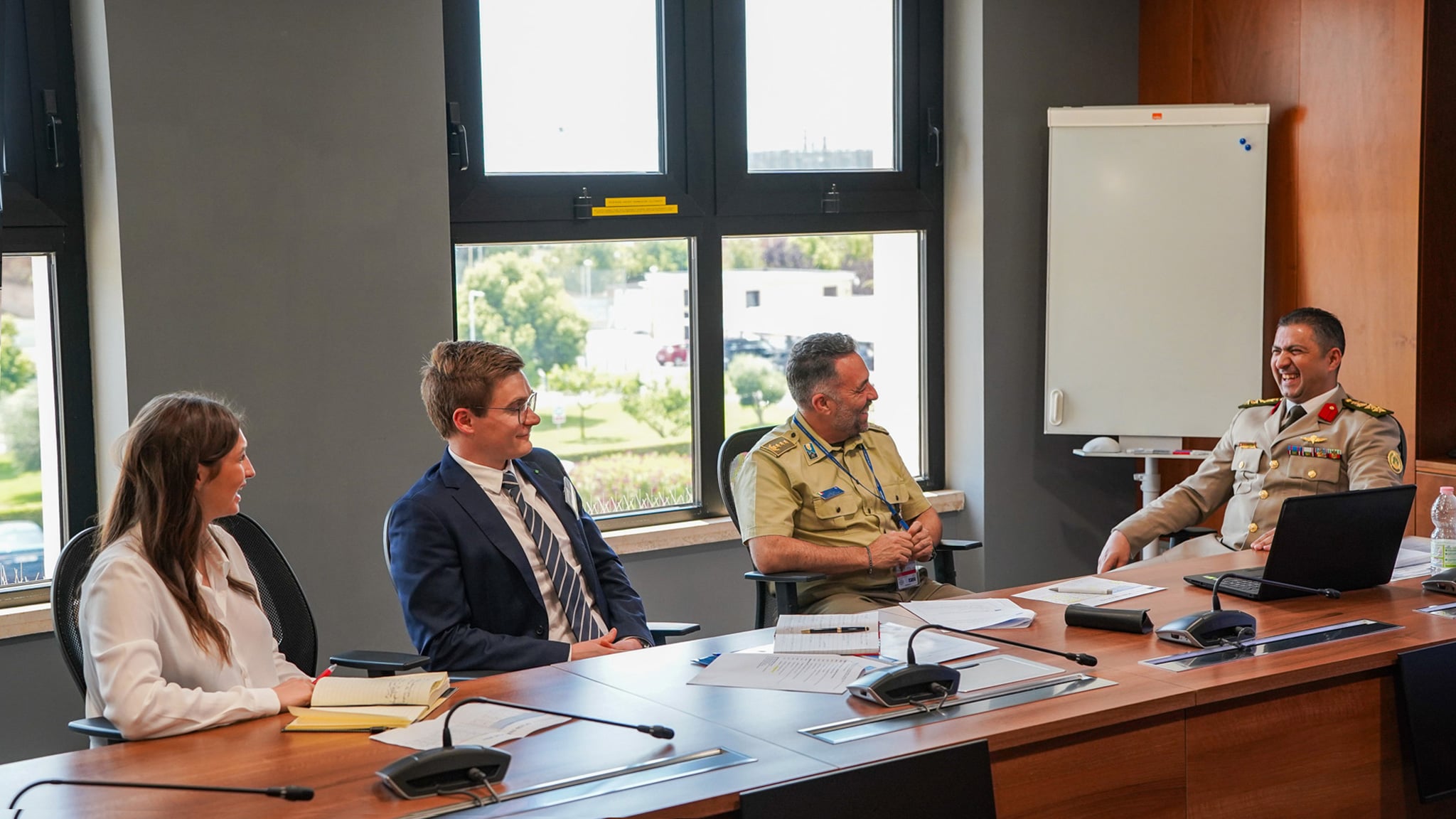
The first day concluded with a series of bilateral meetings involving conference participants, the Field Studies Section, and Senior National Representatives (SNRs). These discussions strengthened cooperation between the NDC and participating nations and provided an opportunity to shape each country’s contribution to the programme. They focused notably on how host nations can offer Course Members a comprehensive understanding of their strategic priorities and their role within regional and international security frameworks. On the second day of the conference, participants followed a cultural programme which included a guided visit of the Quirinale Palace in Rome. The tour provided valuable insight into Italy’s history and institutions, complementing the conference’s objectives of fostering mutual understanding and cooperation.
NDC Public Affairs Office
(Prepared by Ms Chloé Ketels, FRA C)


 Collège de Défense de l'OTAN