

On 7 and 8 April 2025, NRCC 33 visited the Joint Force Command (JFC) Naples to explore the role of a JFC within NATO’s structure and the function of JFC Naples’ Strategic Direction-South Hub. The visit also highlighted the historic battles of Monte Cassino and their lasting significance for the present-day Alliance.

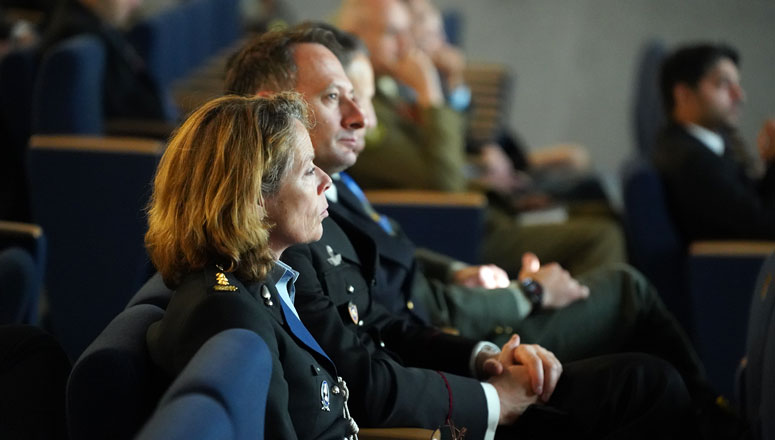
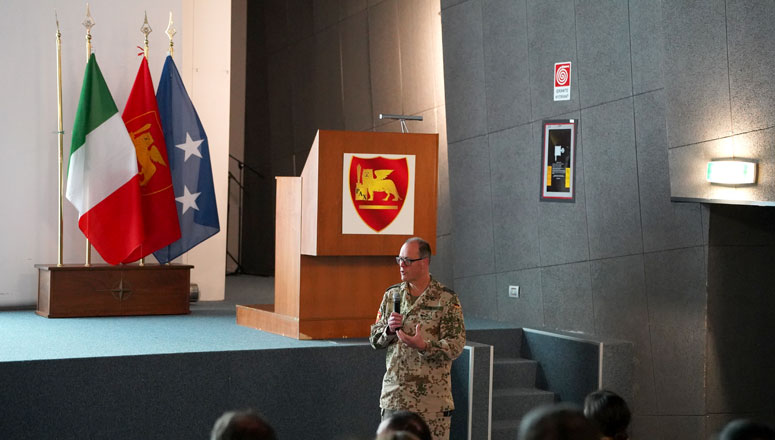
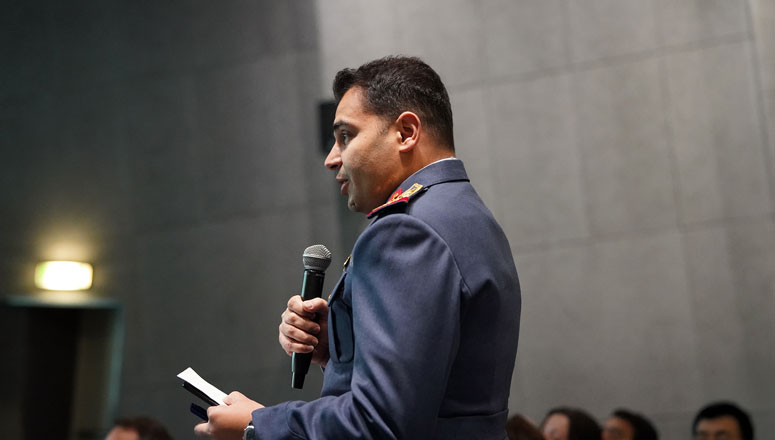
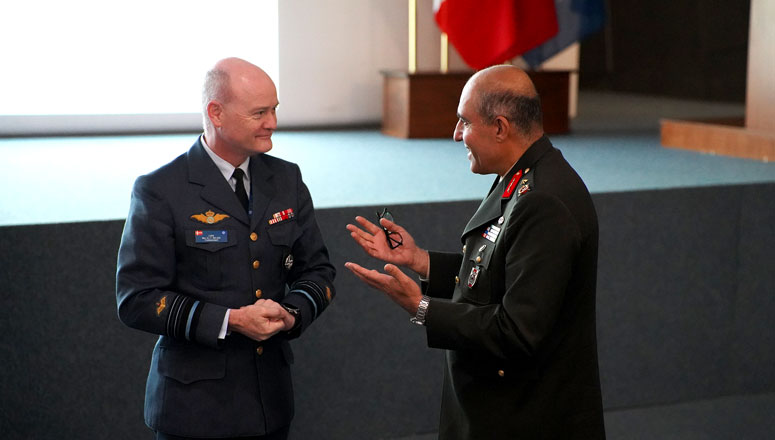
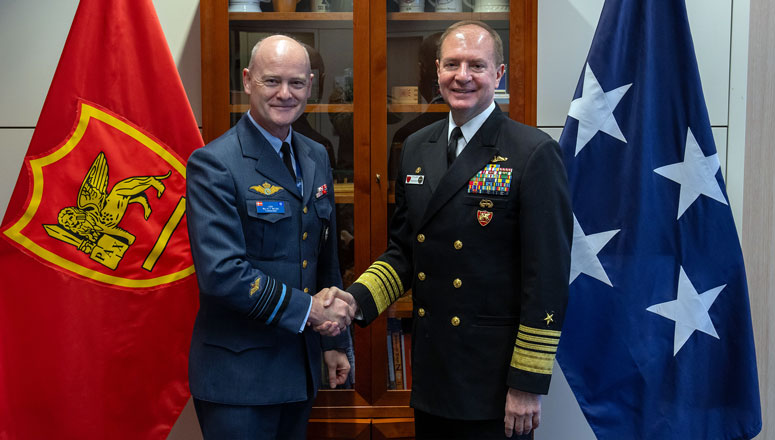


The central focus of the briefings was introduced by Admiral S.B. Munsch, Commander of Joint Force Command Naples, who outlined JFC Naples’ role in translating strategic directives from NATO Headquarters, Allied Command Operations and Allied Command Transformation into operational actions. As one of NATO’s three Joint Force Commands, JFC Naples is tasked with planning and executing the Alliance’s core missions – collective deterrence and defence, crisis prevention and management, and cooperative security on NATO’s south-eastern flank.
Detailed presentations further outlined JFC Naples’ ongoing operations and its key role in fostering cooperation and deconfliction. Course Members explored the NATO Concept for Deterrence and Defence of the Euro-Atlantic Area (DDA), a framework that coordinates NATO’s overall defence strategy to protect Allies from threats like Russia and terrorism, and its implementation through aligned regional and national plans. Moreover, significant emphasis was placed on JFC Naples’ role in supporting cooperative security through military dialogue with Partnership for Peace countries, Mediterranean Dialogue nations and other partners, promoting collaboration in collective training, interoperability and capacity building.
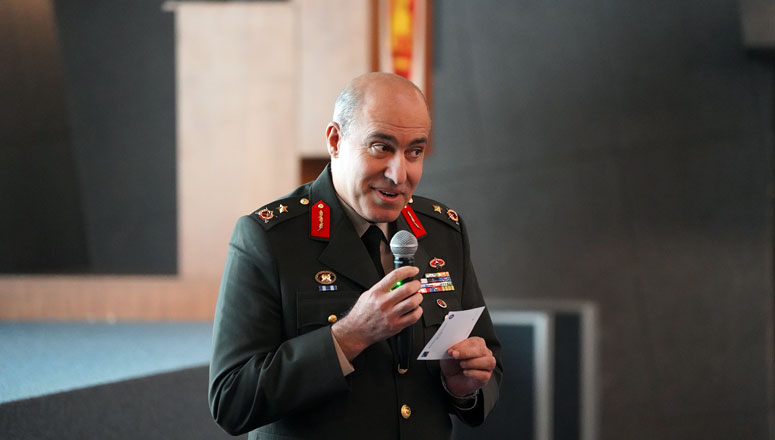
Expanding on dialogue with partners, Course Members were briefed on the Naples-based Strategic Direction-South Hub, which works to strengthen NATO’s understanding of the North Africa, Middle East, Sahel and sub-Saharan Africa regions. Rather than planning operations, the Hub focuses on gathering and analysing regional insights through a network of local experts, in order to assess challenges and identify opportunities for cooperation. By integrating these insights, the Hub supports the shared goal of promoting stability and security, providing NATO civilian and military authorities with mid- to long-term analyses of root causes. As Hub Director Brigadier General Aydin Kiliç stated in his closing remarks: “We have to listen to our partners – not just be present, but listen to their perspectives.”
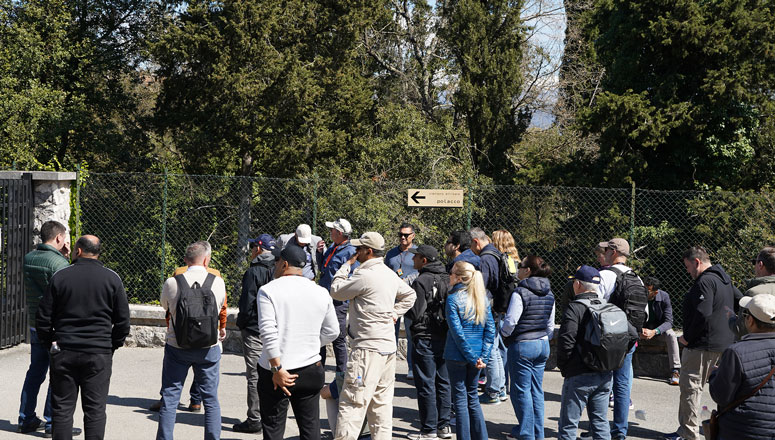
Led by Colonel (Ret.) Søren Knudsen, Course Members spent their second day visiting Monte Cassino Abbey and Point 593, where they gained insights into the tough realities faced by Allies during the four WWII battles of Monte Cassino. The experience underscored the core NATO principles: shared values, consensus-based decision-making, and interoperability through command and force structures. From the vantage point of Point 593, Course Members were able to see the difficult terrain and understand the immense challenges the Allies faced back then. Finally, referring back to NATO’s core principles, Colonel Knudsen pointed out that every strategic decision carries consequences, both immediate and long-term. If not carefully considered, as the Course Members witnessed at Monte Cassino, such decisions can lead to unnecessary destruction, loss of life and failure to meet objectives.
NDC Public Affairs Office
(Prepared by Ms Britt Melinga, NLD C)


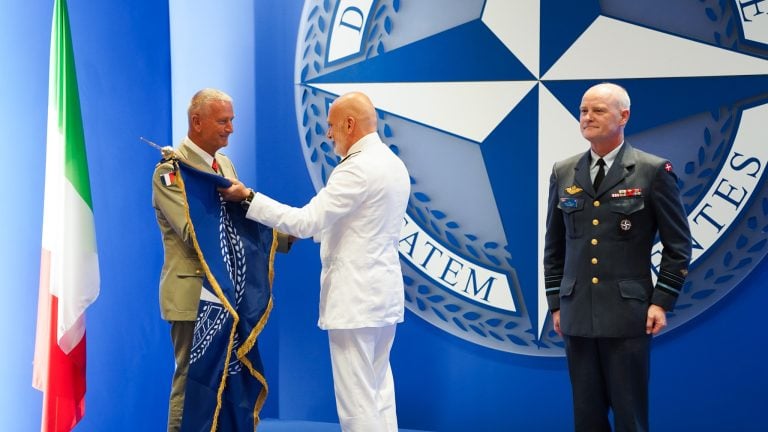
 Collège de Défense de l'OTAN