
Deepening strategic understanding from Belgium to Slovakia and Switzerland
From 15 to 24 March, the 35th NATO Regional Cooperation Course (NRCC 35) conducted a Field Study that deepened participants’ understanding of NATO’s strategic adaptation, the EU’s evolving defence role, and national approaches to resilience. Bringing together 36 Course Members, including 27 from partner countries and 9 from Allied nations, with 21 nations represented in total, the programme provided first‑hand insight into how political and military leaders are preparing for an increasingly contested security environment.
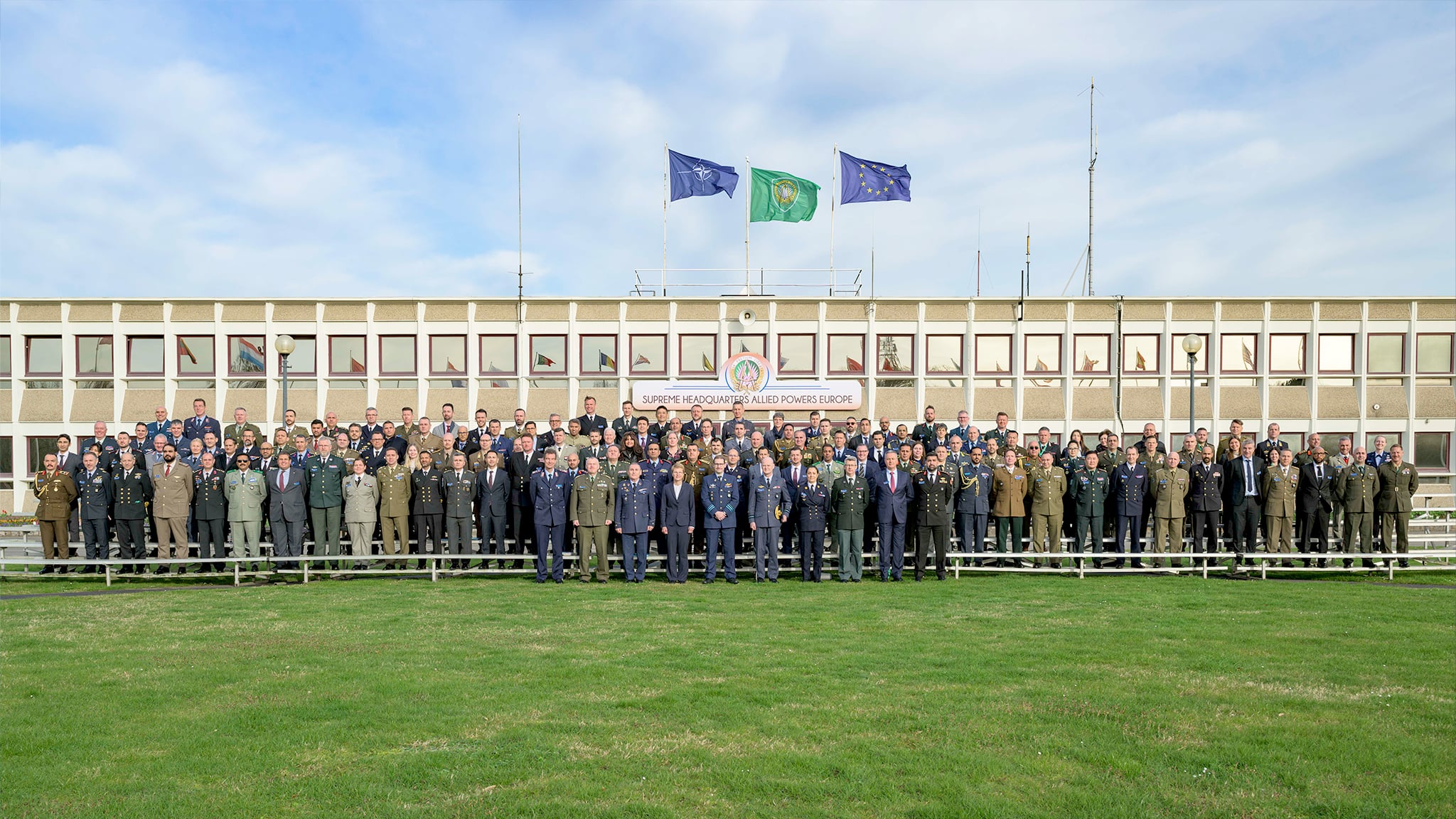
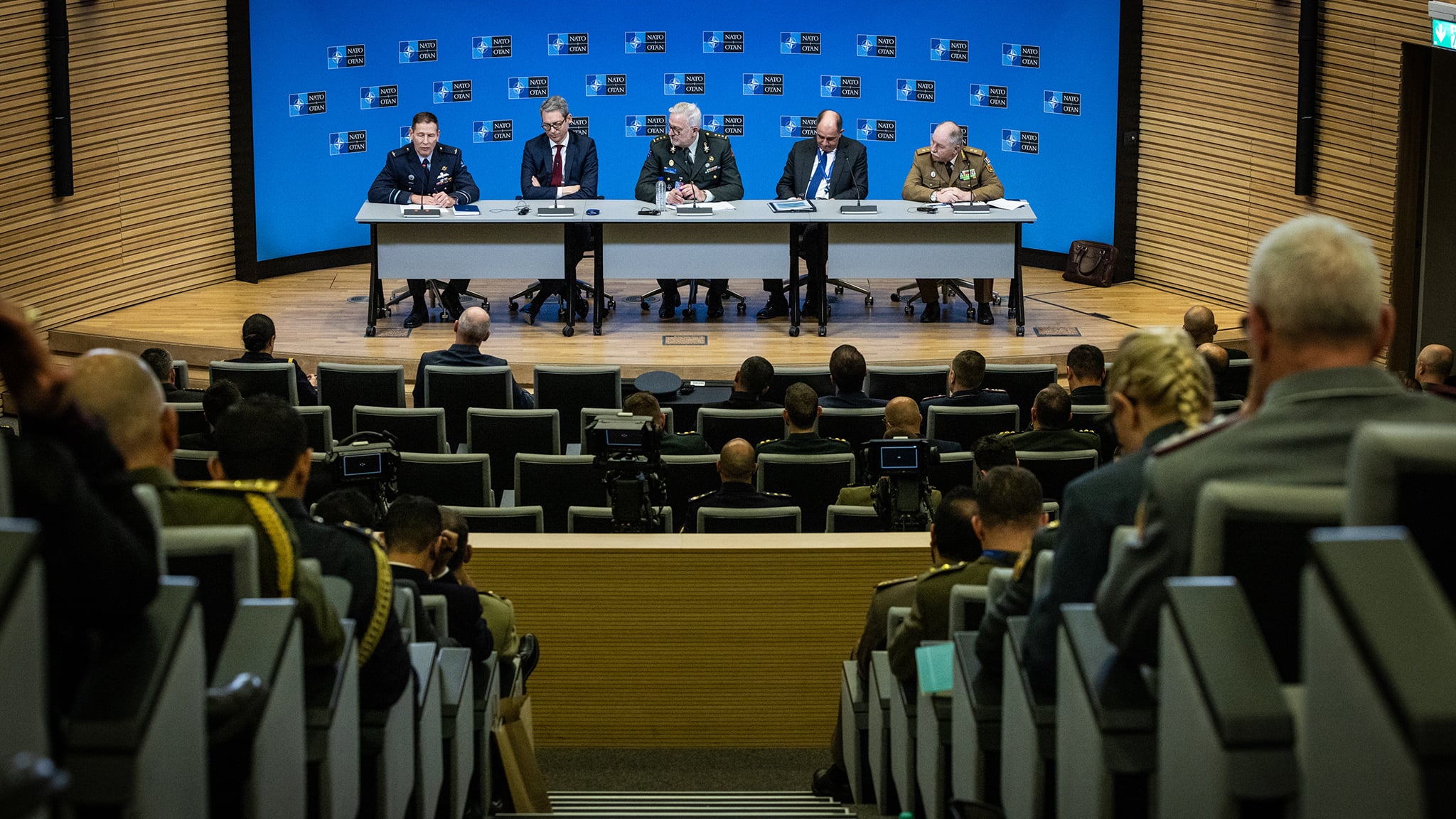
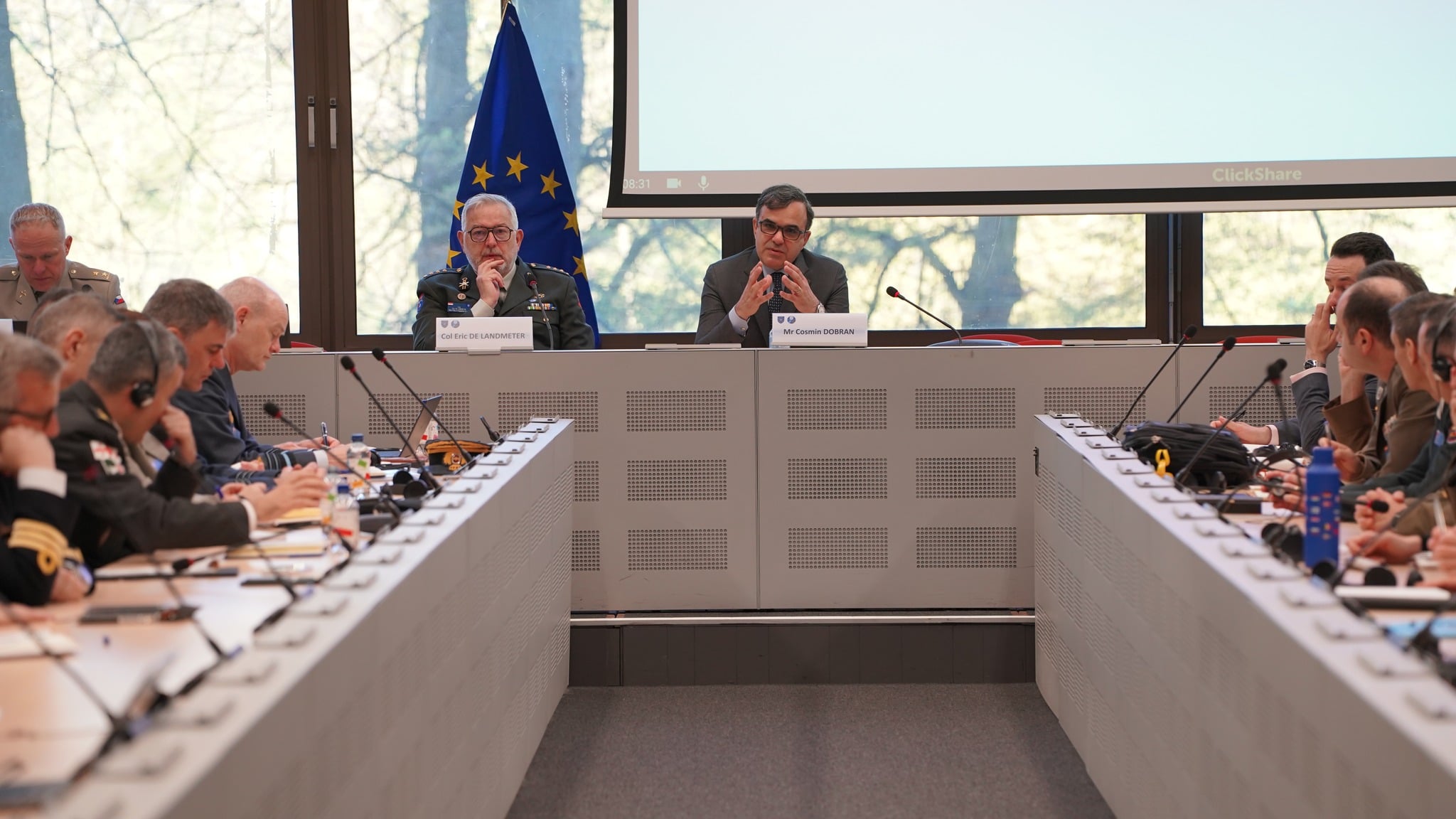
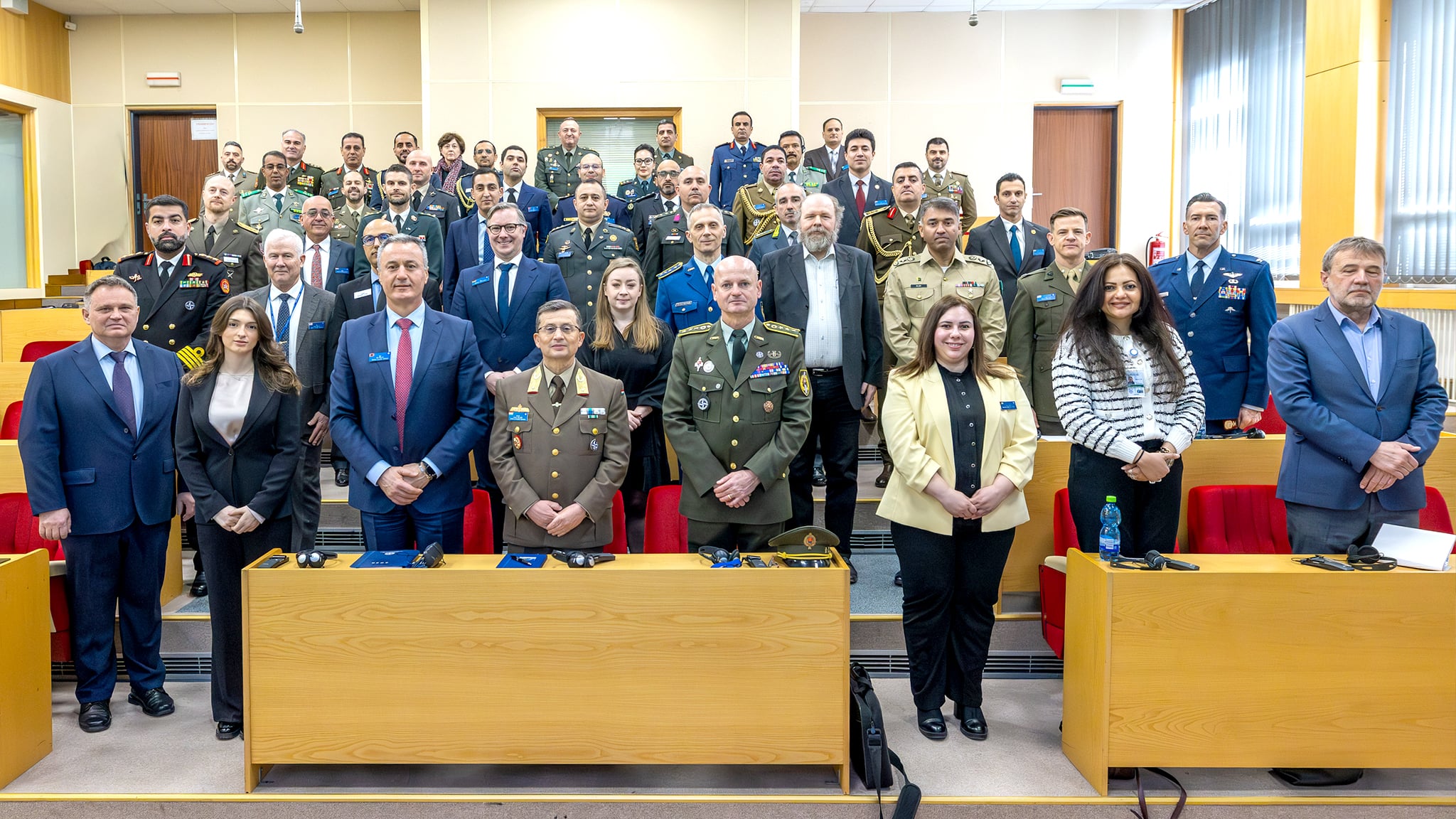
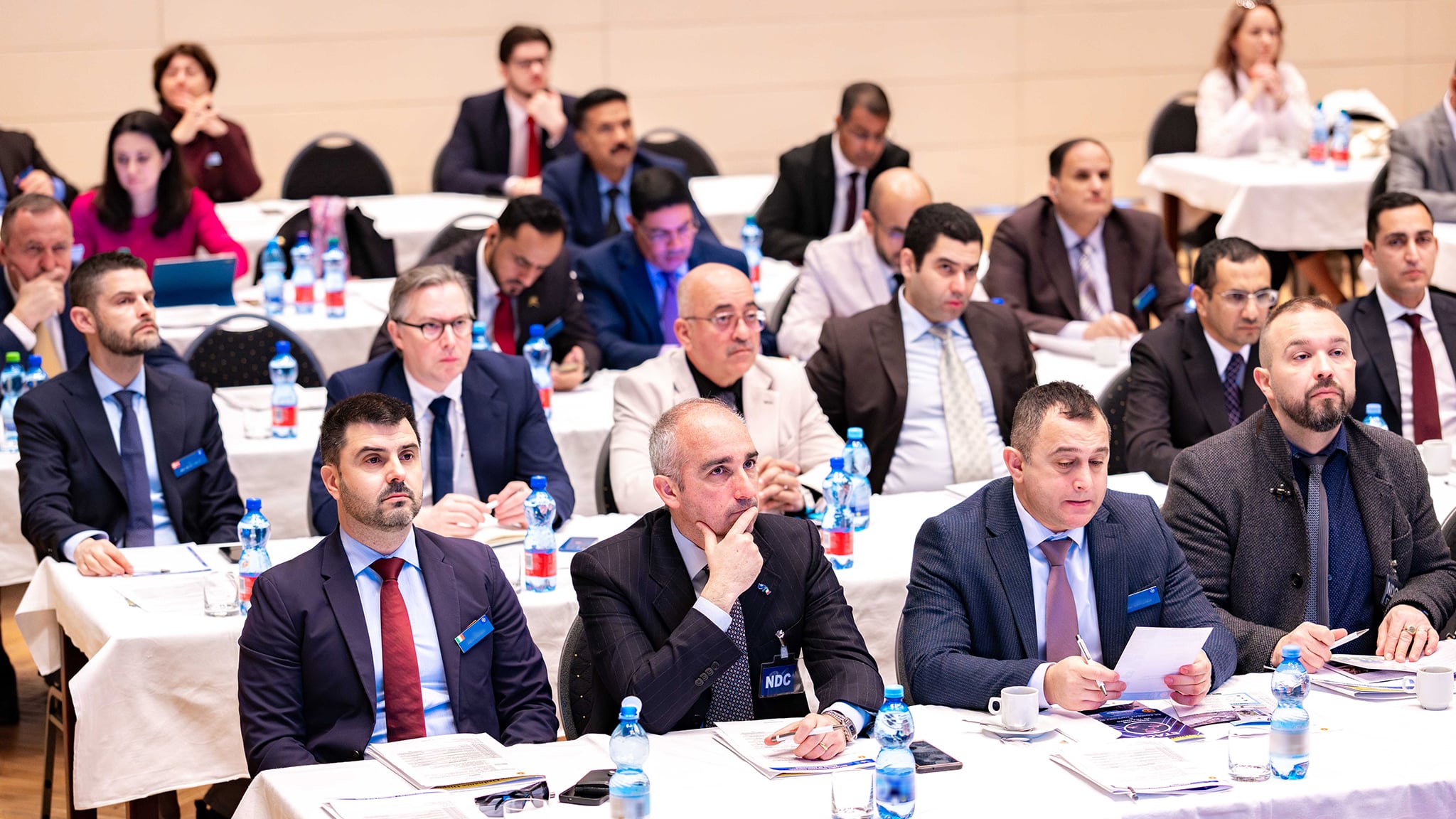
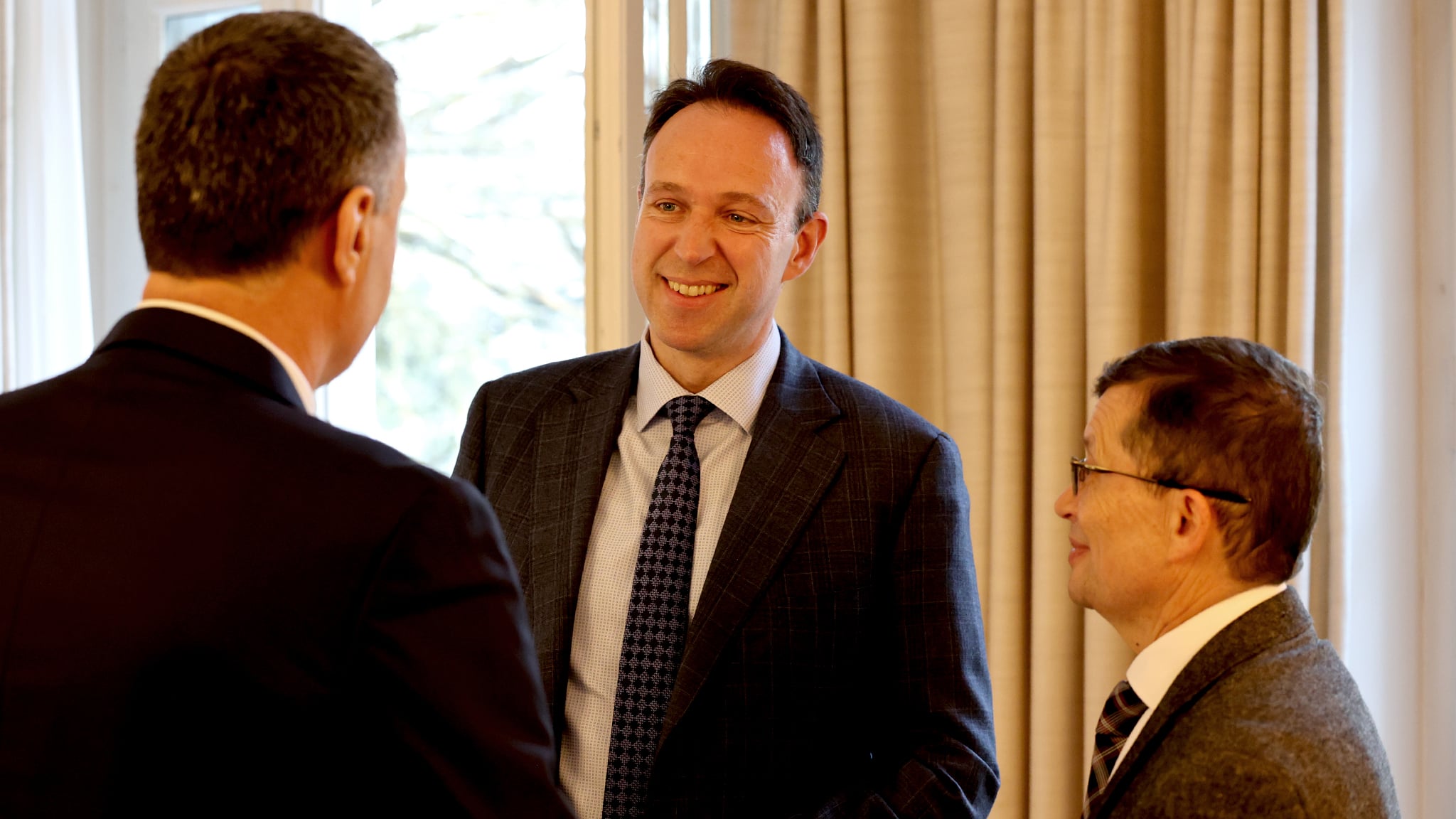
The Field Study began in Belgium with a joint segment alongside Senior Course 148 at Supreme Headquarters Allied Powers Europe (SHAPE), NATO Headquarters and the European Union Military Staff (EUMS). At SHAPE and NATO HQ, Course Members explored how the Deterrence and Defence of the Euro‑Atlantic Area (DDA) concept and its Family of Plans are shaping NATO’s posture, strengthening readiness, defence planning and long‑term support for Ukraine. At the EUMS, discussions focused on the EU’s growing role in European defence, efforts to reinforce industrial output and resilience, and the importance of EU‑NATO complementarity in delivering a coherent 360‑degree approach to security.
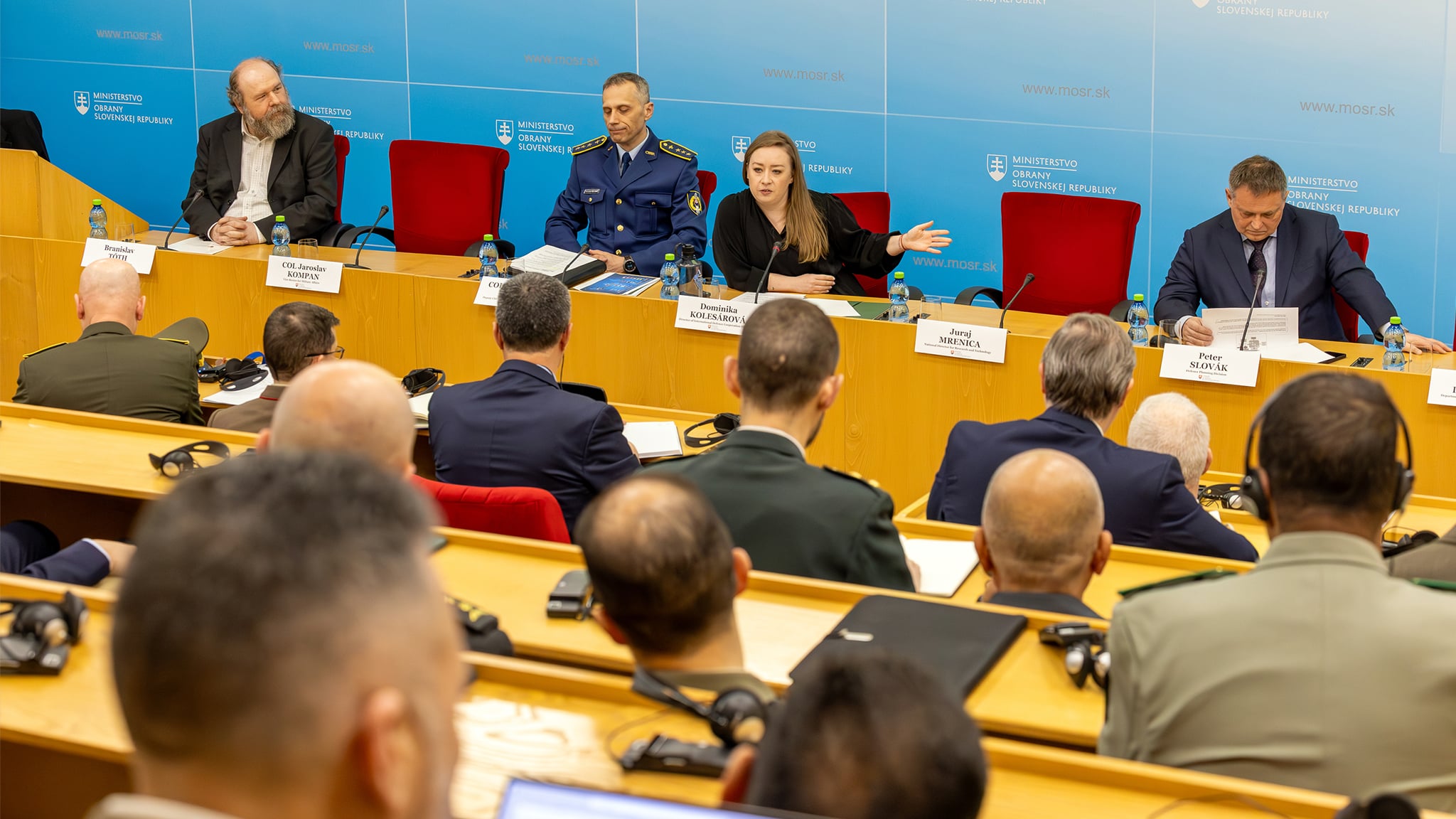
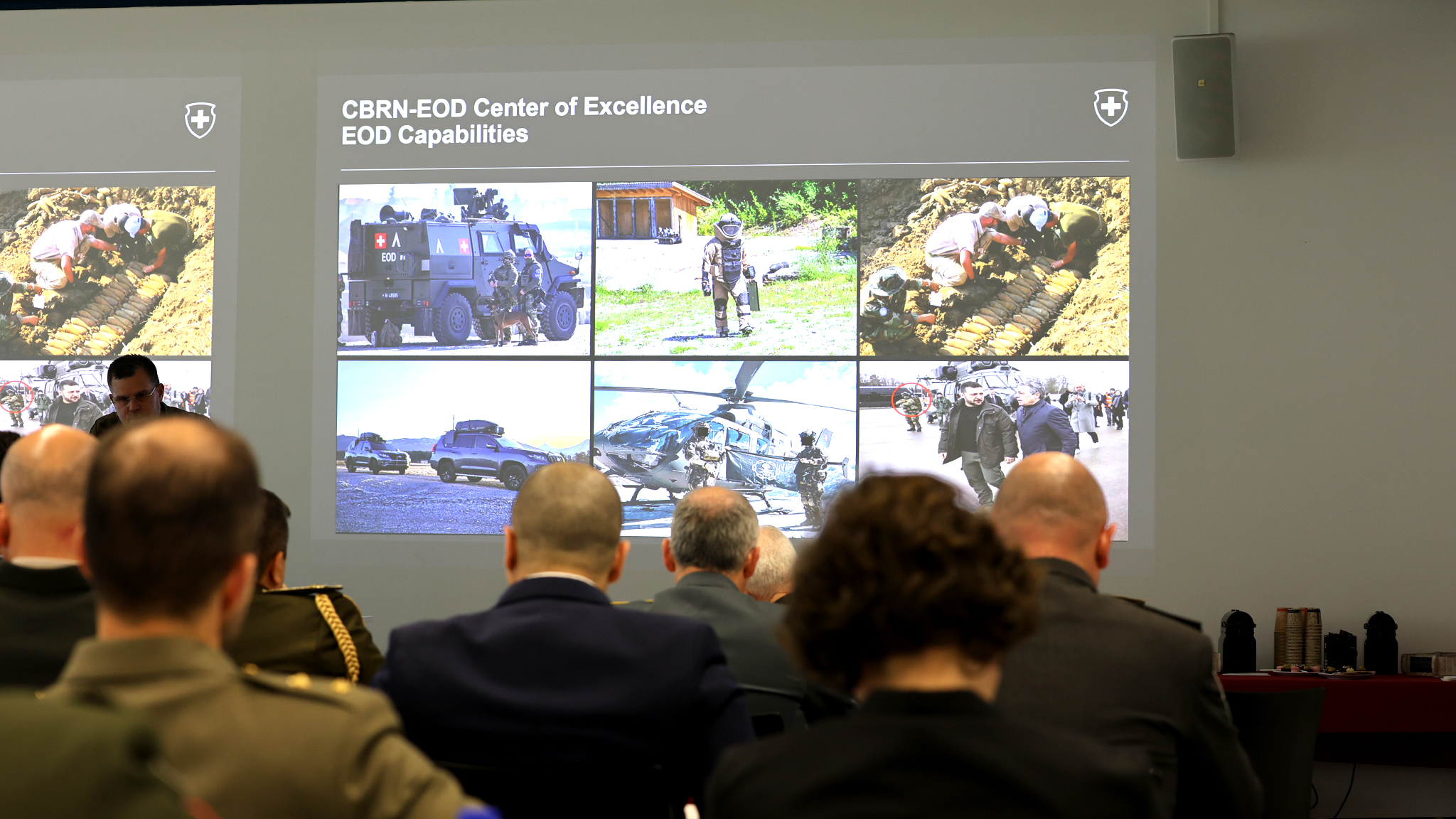
The second part of the Field Study took NRCC 35 to Slovakia for an in‑depth look at a frontline Ally’s defence posture. Hosted by the Ministry of Defence in Bratislava, Course Members examined how Slovakia anchors its security within NATO and the EU, while investing in modernization, cyber resilience and capability development aligned with NATO and EU priorities. Discussions highlighted Slovakia’s strategic position on NATO’s eastern flank, its strengths in ammunition production and mobility, and the political cohesion needed for credible deterrence. In Trenčín, the visit to the NATO‑accredited Explosive Ordnance Disposal Centre of Excellence (EOD COE) illustrated how innovation – through virtual‑reality training, AI‑enabled tools and CBRN‑related developments – supports interoperability and Alliance transformation.
At the institutional level, the NDC’s head of delegation, Brigadier General Ferenc Molnar, Director, Academic Operations Division, met Lieutenant General Miroslav Lorinc, Deputy Chief of Defence, and Mr Igor Melicher, State Secretary of the Ministry of Defence. Discussions underscored Slovakia’s valued contribution to NDC education and addressed how professional military education can respond to emerging challenges, including great‑power competition and hybrid warfare.
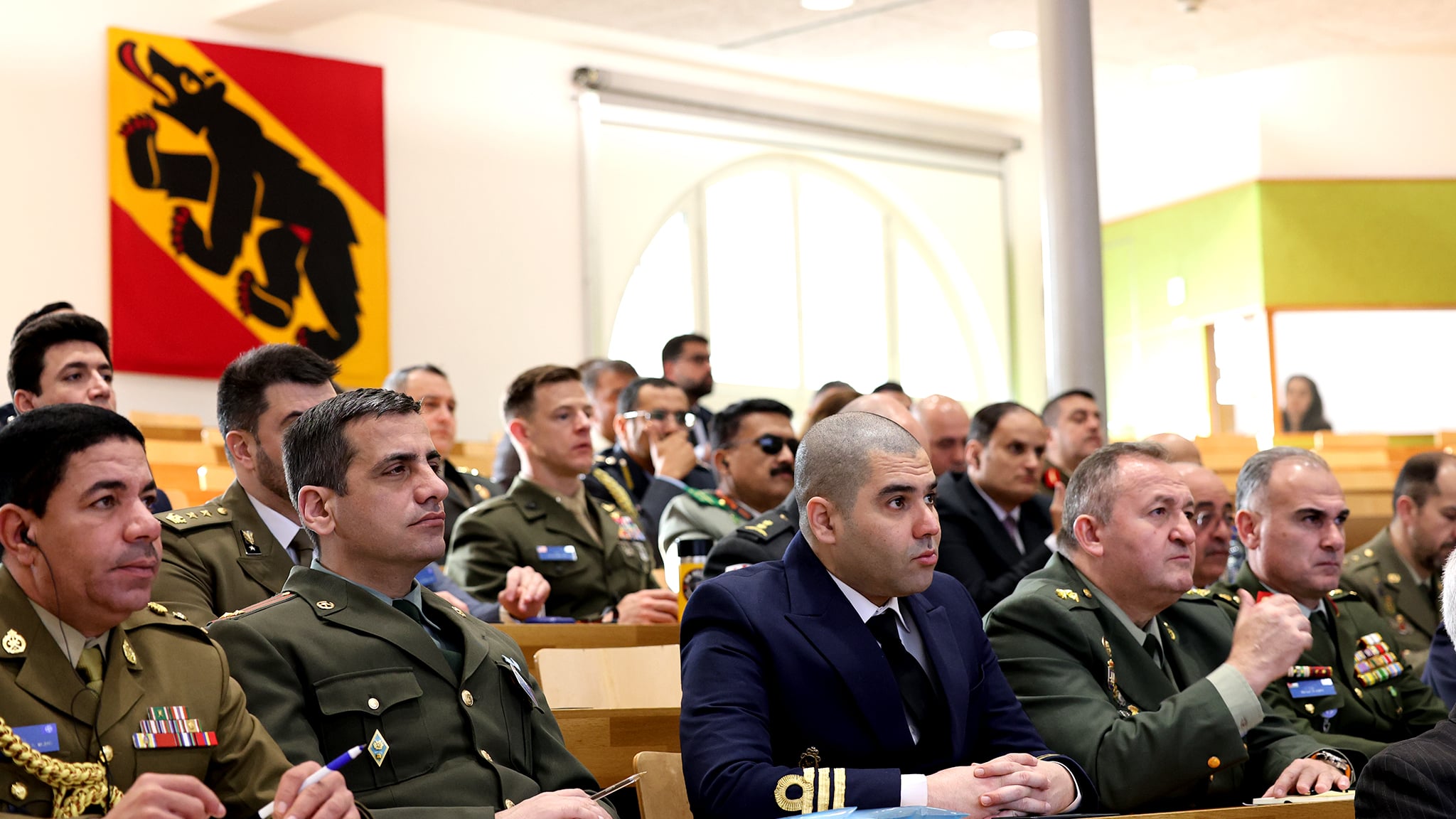
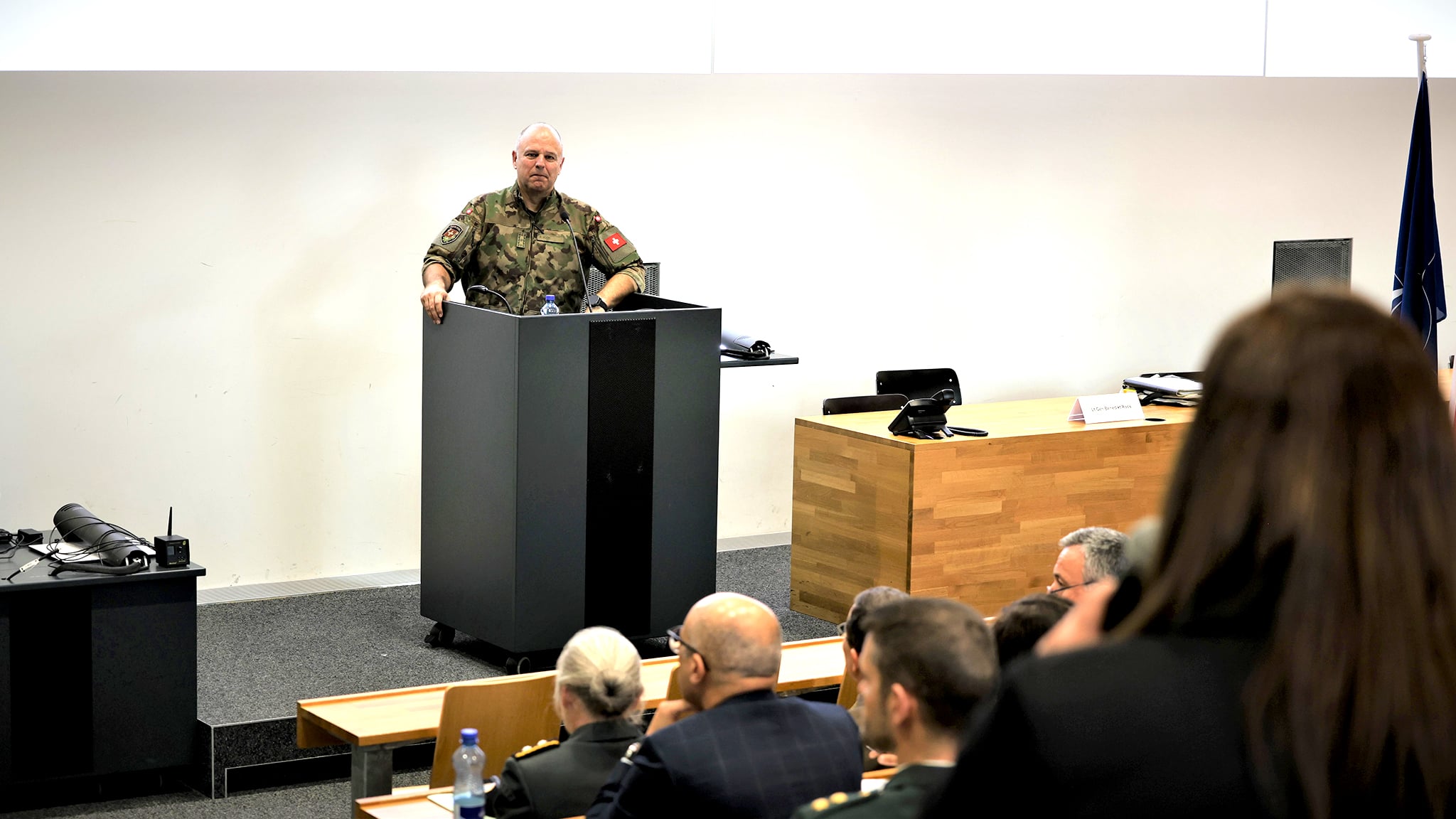
The final leg of the Field Study, in Switzerland, explored how traditional neutrality coexists with close cooperation with NATO and the EU. In Bern, Lieutenant General Benedikt Roos, Chief of the Swiss Armed Forces, delivered a key briefing on the missions, structure and conscription‑based system of the Swiss military. He outlined how Switzerland balances national defence, support to civil authorities, and international engagement, notably in the cyber and hybrid domains. In Spiez, the visit to the NBC EOD Centre of Competence showed participants how Switzerland manages nuclear, biological and chemical risks through scientific expertise, specialized capabilities and international cooperation, reinforcing broader crisis‑management efforts.
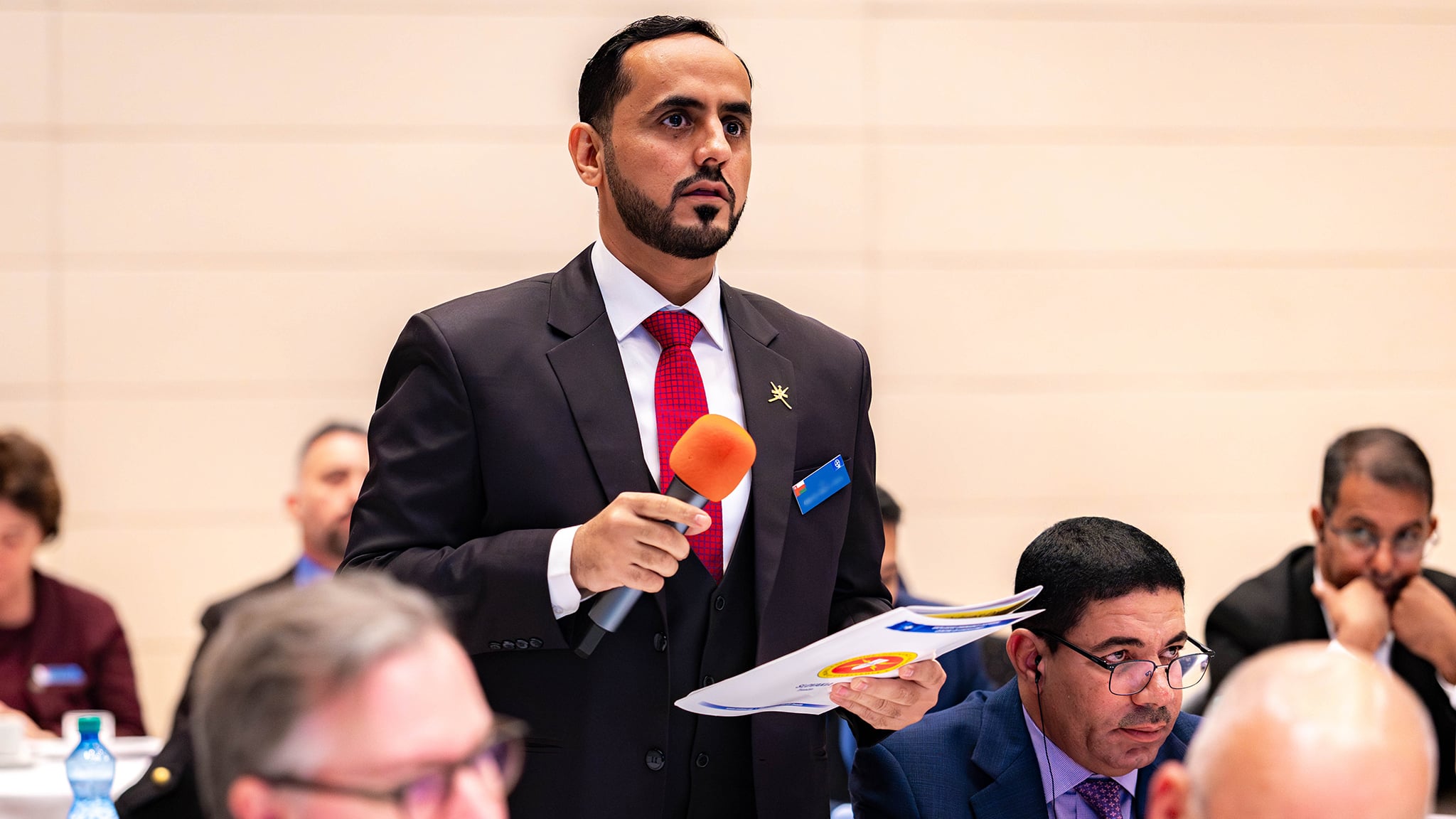
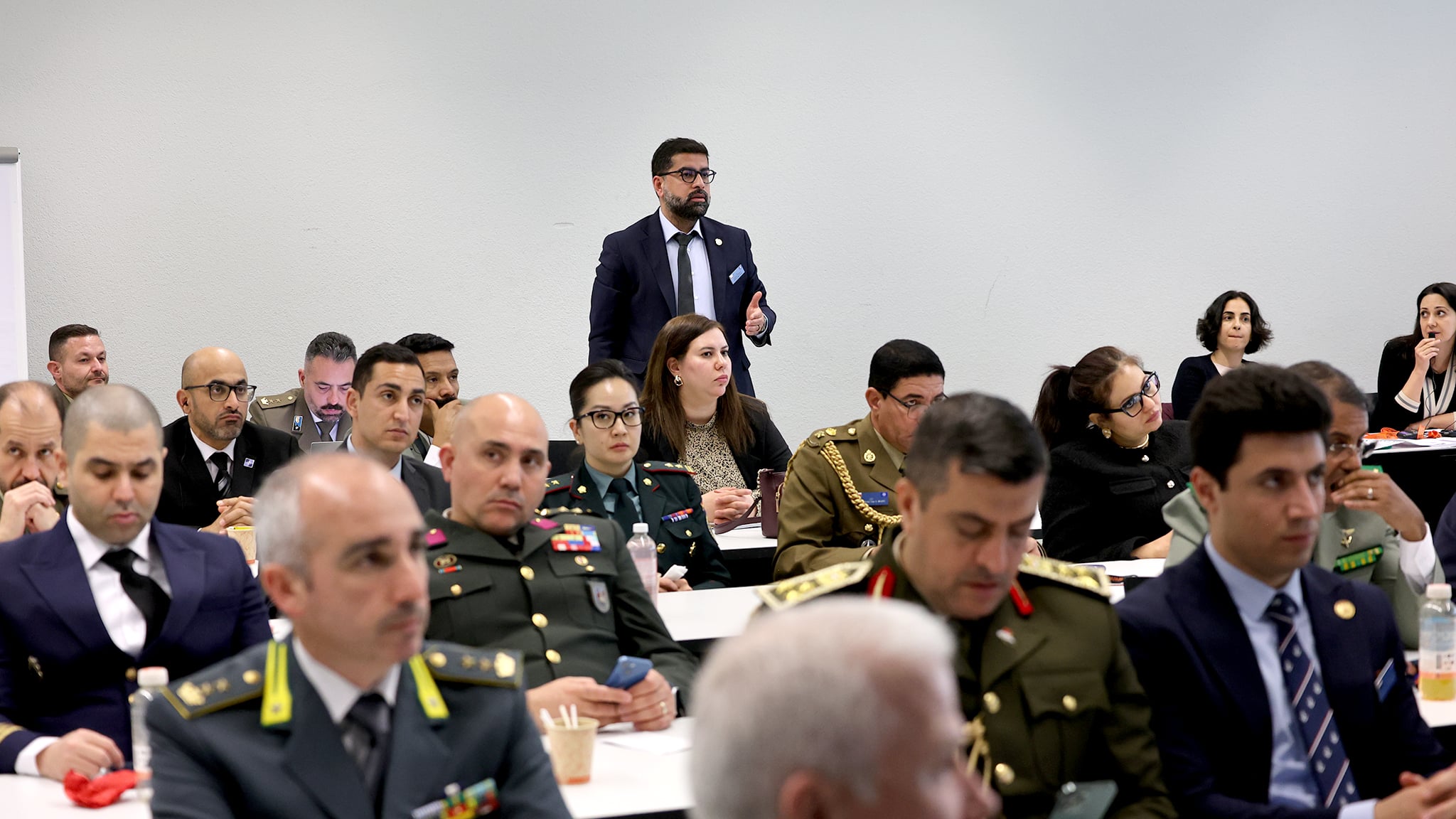
At each stop, Course Members actively engaged in lively Q&A sessions and open exchanges with senior officials, experts and practitioners, fostering an atmosphere of candid dialogue and intellectual curiosity, and usefully complementing the academic curriculum of the NRCC.
The Swiss segment concluded at the Belgian Residence in Bern, where Course Members met H.E. Mr Patrick Van Gheel, Ambassador of Belgium to Switzerland and Liechtenstein and NATO Contact Point Ambassador, who described his role in fostering NATO‑Switzerland cooperation on security and resilience.
Across all destinations, the NRCC 35 Field Study offered a coherent view of how NATO, the EU, Allies and partners are strengthening unity, readiness and defence. Closing the programme, Brigadier General Molnar stressed that the experience equipped participants with deeper knowledge of how shared strategic concepts translate into practice, reinforcing their ability to shape their own nations’ contributions to collective security.
NDC Public Affairs Office

 Collège de Défense de l'OTAN