
From 7 to 19 December 2025, Senior Course 147 (SC 147) held its final Field Study, visiting key institutions in Qatar, Türkiye, Greece, and Morocco to gain comprehensive insights into national defence and foreign policy priorities, and to understand how Allied and partner perspectives align with NATO’s core strategic imperatives.

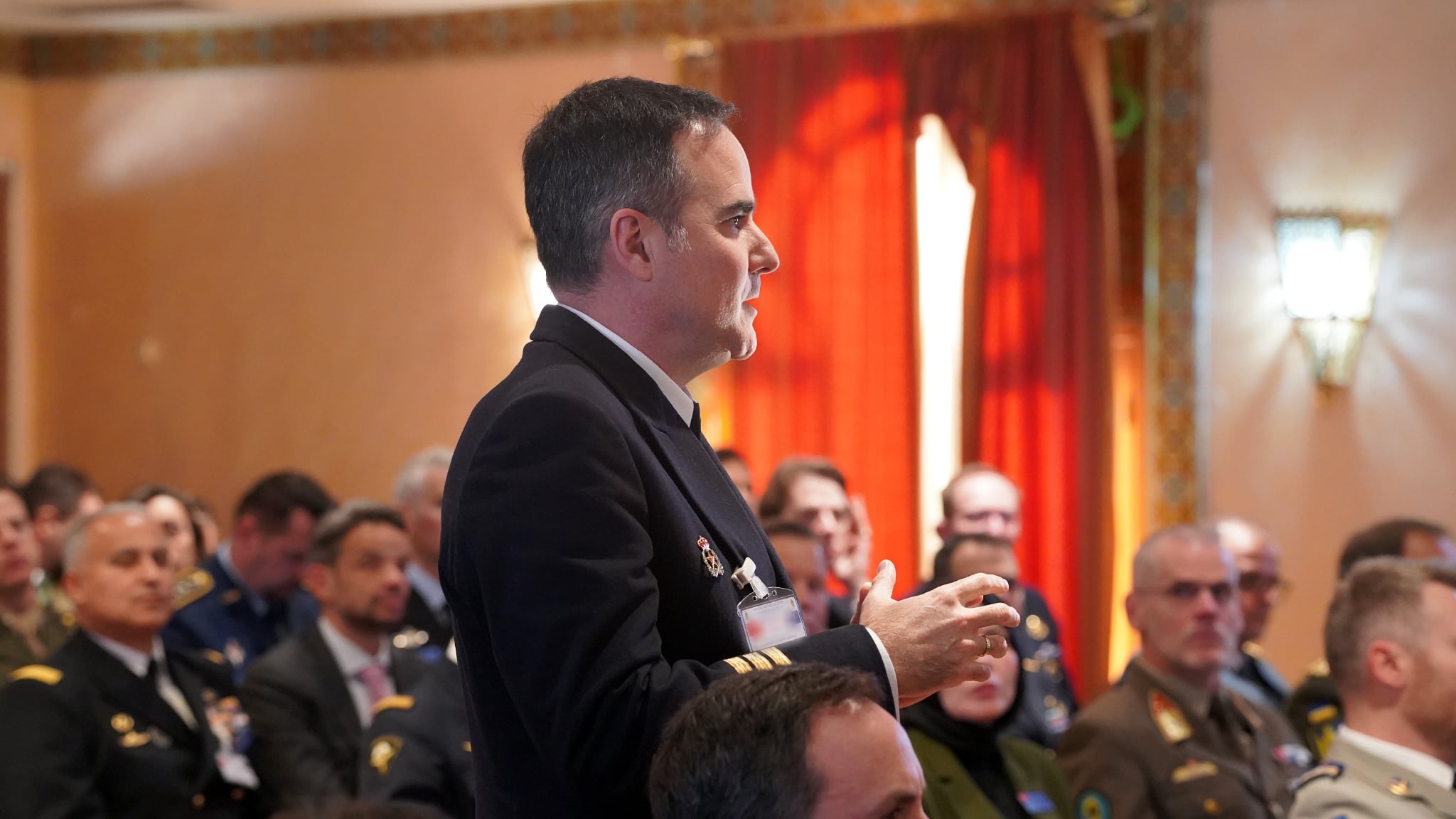
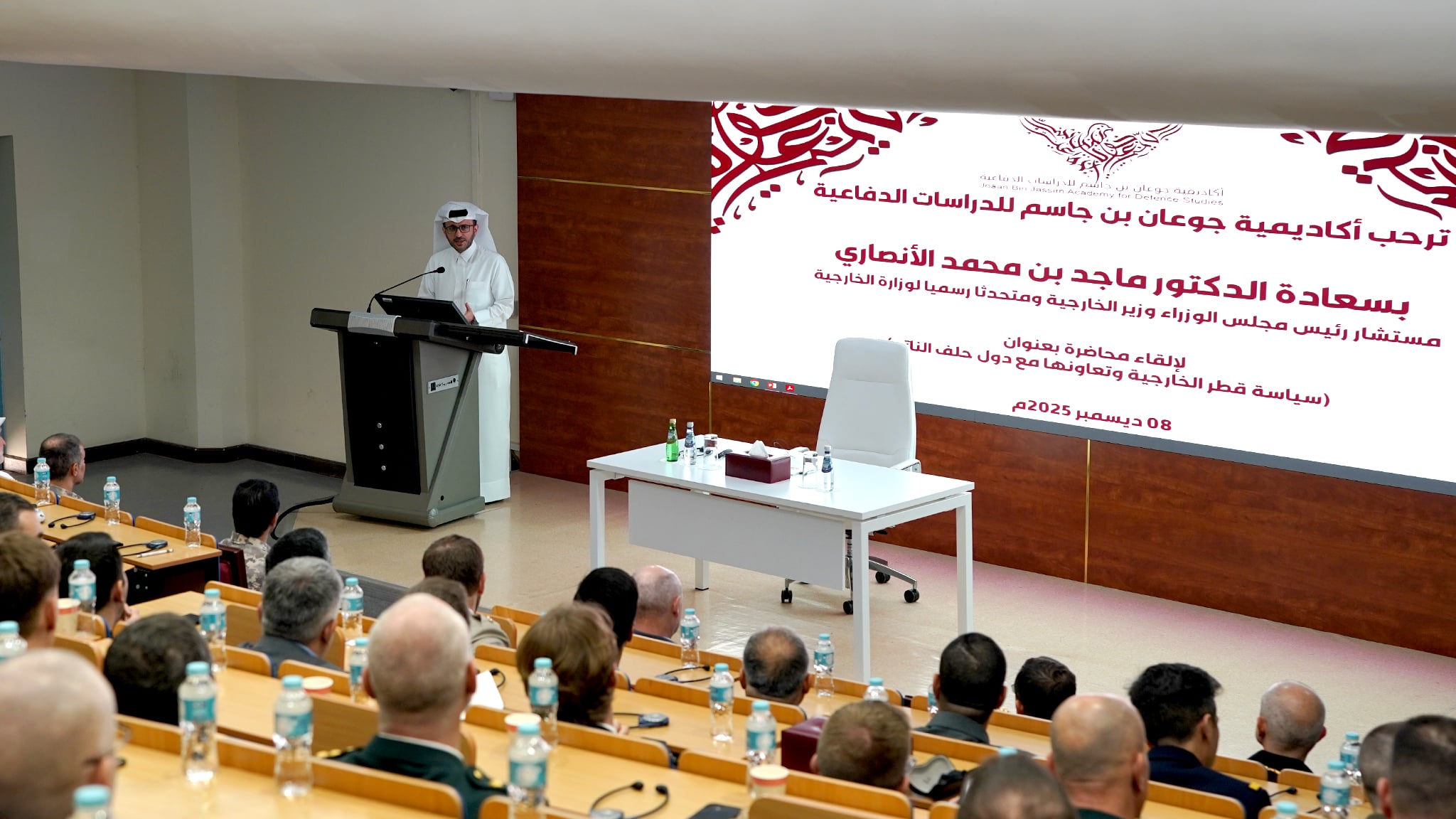
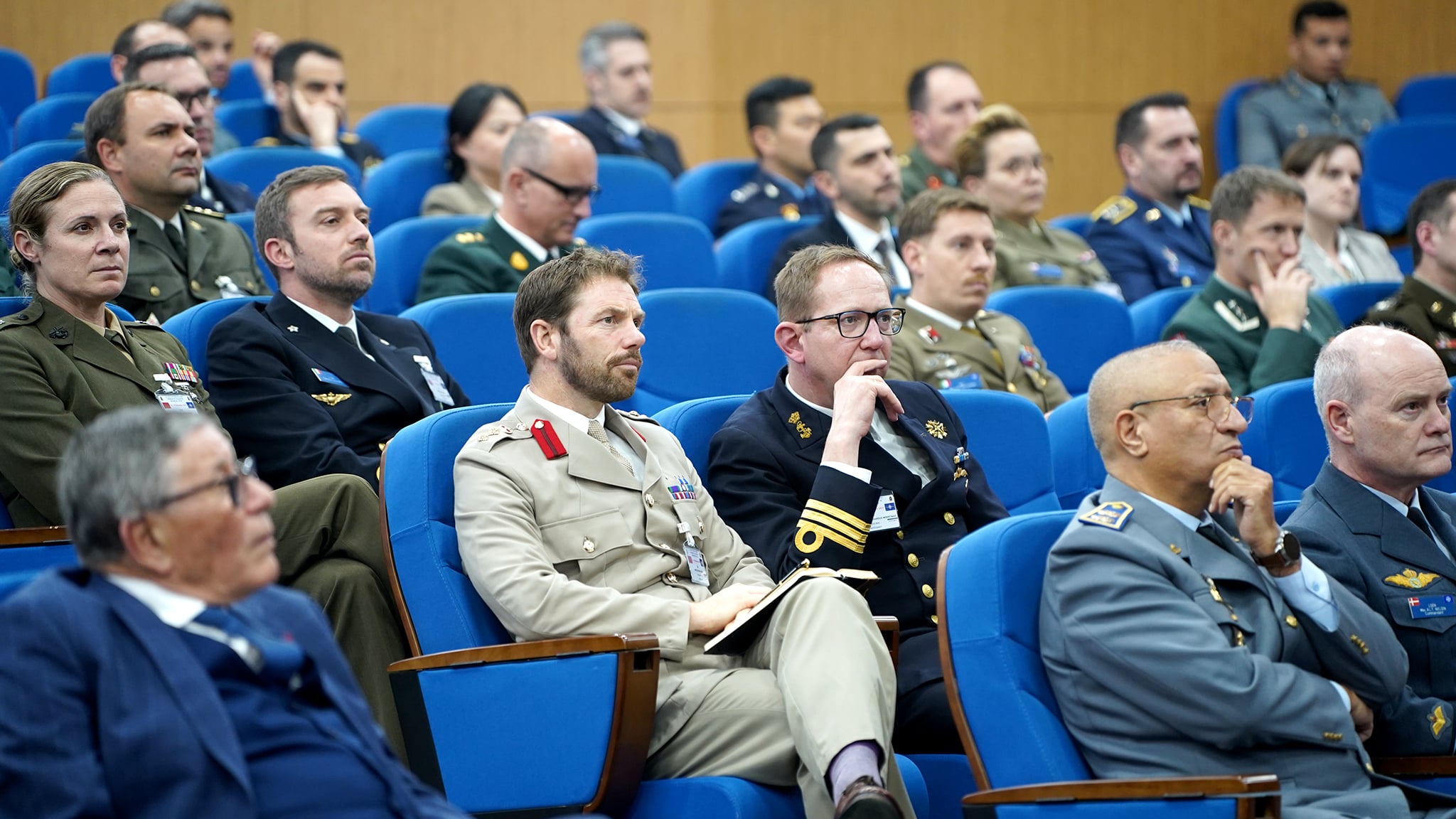
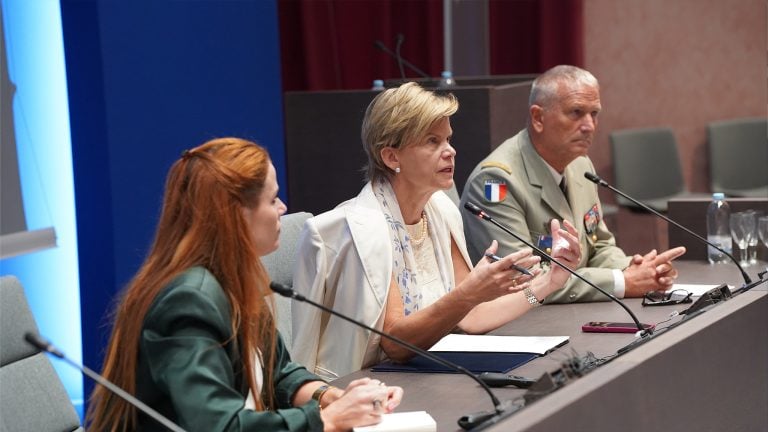
For the first time, the NATO Defense College kickstarted its Field Study in Doha, the State of Qatar, a key partner in NATO’s Istanbul Cooperation Initiative (ICI). Course Members examined Qatar’s strategic role within regional and global security, engaging with senior officials from the Ministry of Foreign Affairs and the Ministry of Defence. The delegation discussed Qatar’s pivotal role in regional mediation and conflict resolution efforts, as well as its evolving partnership with NATO. The briefings demonstrated just how participation in NATO courses and exercises strengthens interoperability and embeds NATO standards within Qatar’s national security and higher military education framework.
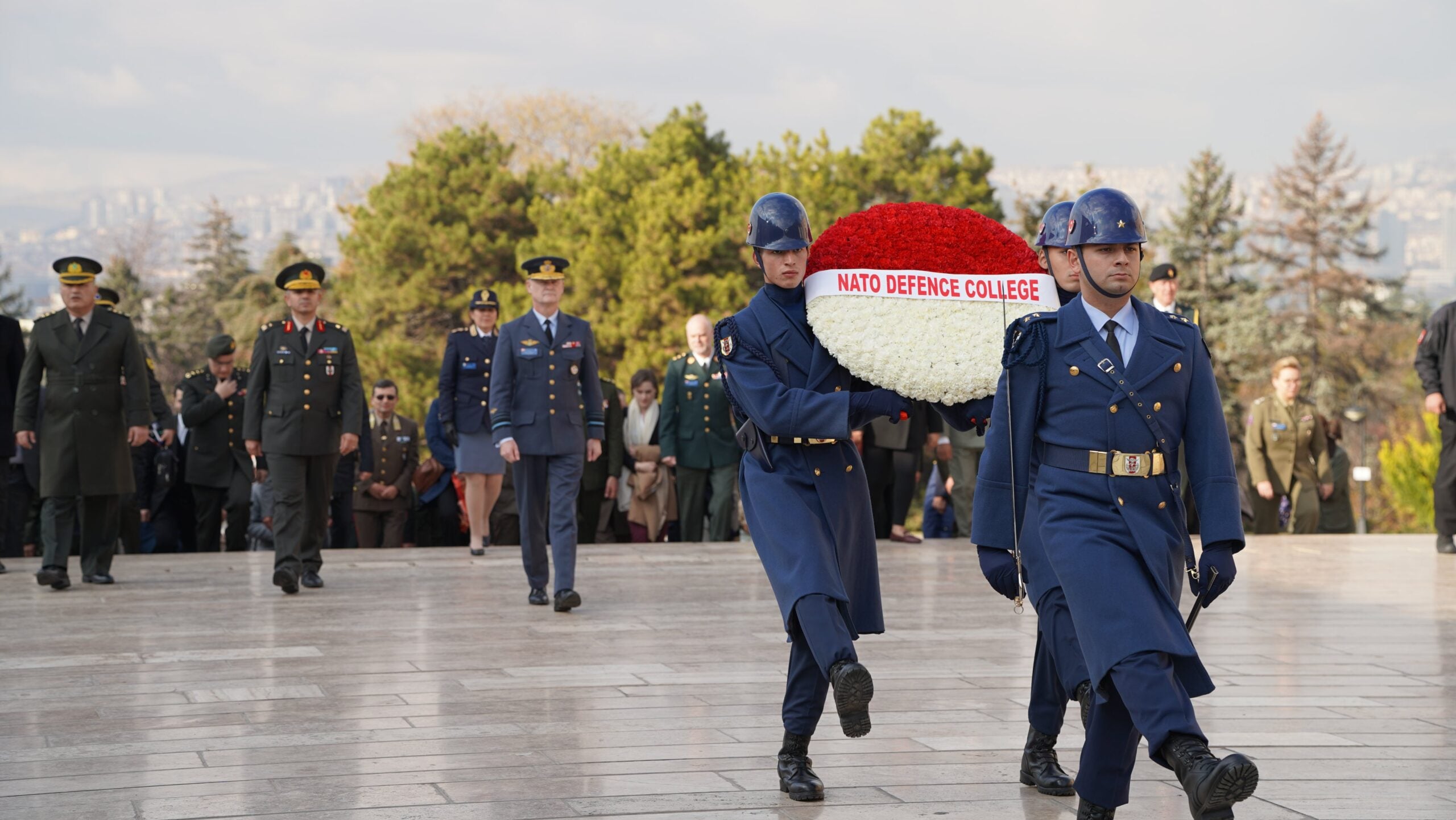
Arriving in Türkiye, SC 147 engaged with officials from the Ministry of National Defence, the Ministry of Foreign Affairs, and the Presidency of Defence Industries. The delegation was able to study Türkiye’s regional role of mediation across the Middle East and Africa, in counterterrorism operations, and innovation efforts to modernize military capabilities with next-generation space, maritime, and anti-drone systems. The briefings notably highlighted Türkiye’s steadfast commitment to NATO, its evolving strategic posture amid Russia’s threat, cyber and disinformation challenges, and the country’s role in NATO’s transforming collective defence and burden-shifting dynamics. The visit concluded with a wreath-laying ceremony at Anıtkabir, honouring Mustafa Kemal Atatürk and his enduring legacy.
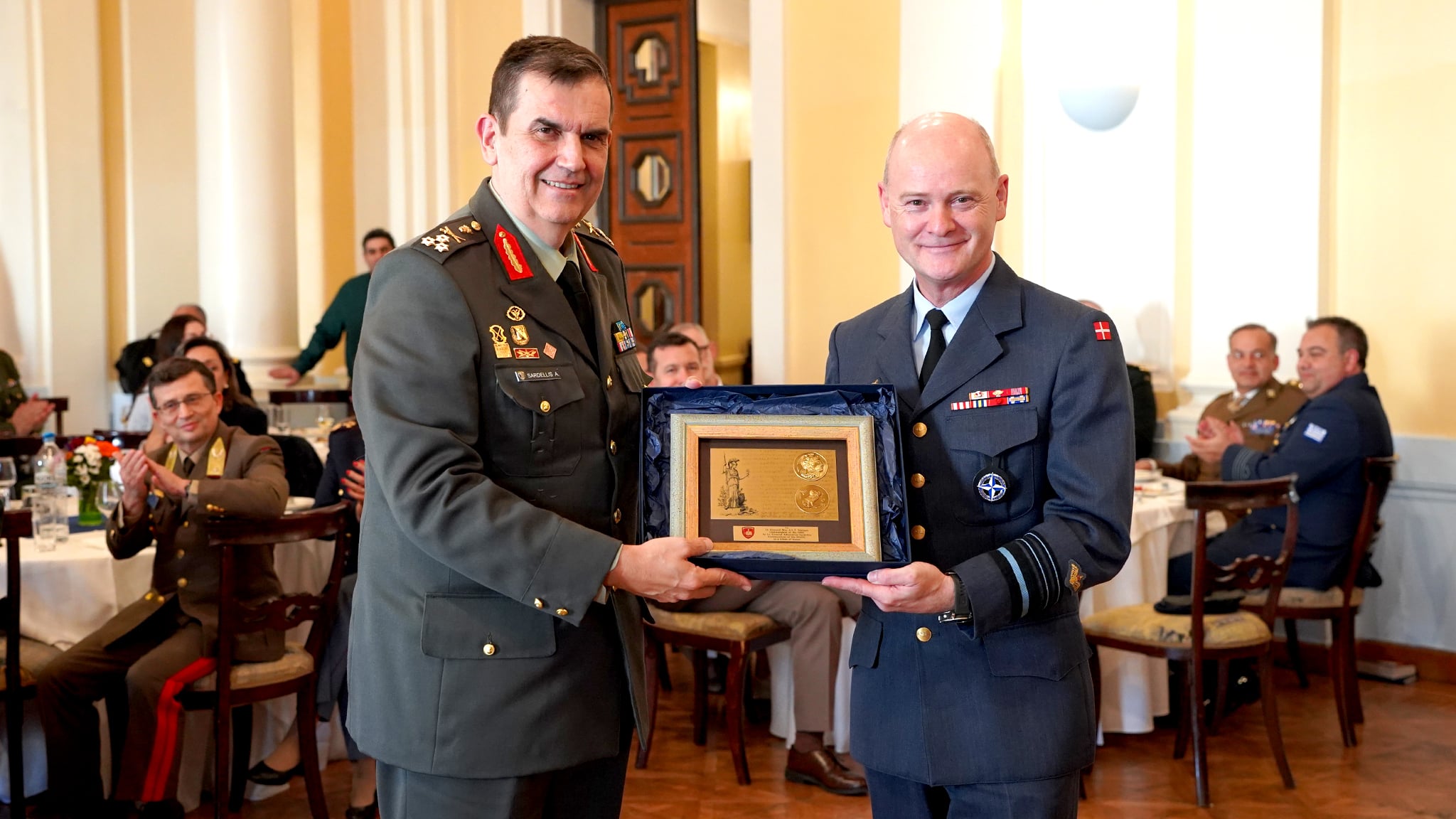
The delegation’s visit to Greece provided further insights into how Allies integrate national defence interests with NATO’s strategic objectives. The Senior Course examined Greece’s national defence posture, maritime operations, and migration management through its 360-degree approach to security and defence. Briefings from the Ministry of Foreign Affairs, the Hellenic National Defence General Staff, and the Coast Guard highlighted how the country builds capabilities through investment, recruitment, and training, and the integration of sea, air, and land assets to strengthen operational effectiveness. The discussions underscored Greece’s dedication to fostering stability in the Eastern Mediterranean and the Western Balkans. This includes contributing to major NATO and EU missions, taking greater responsibility for Europe’s security, and providing sustained support to Ukraine.
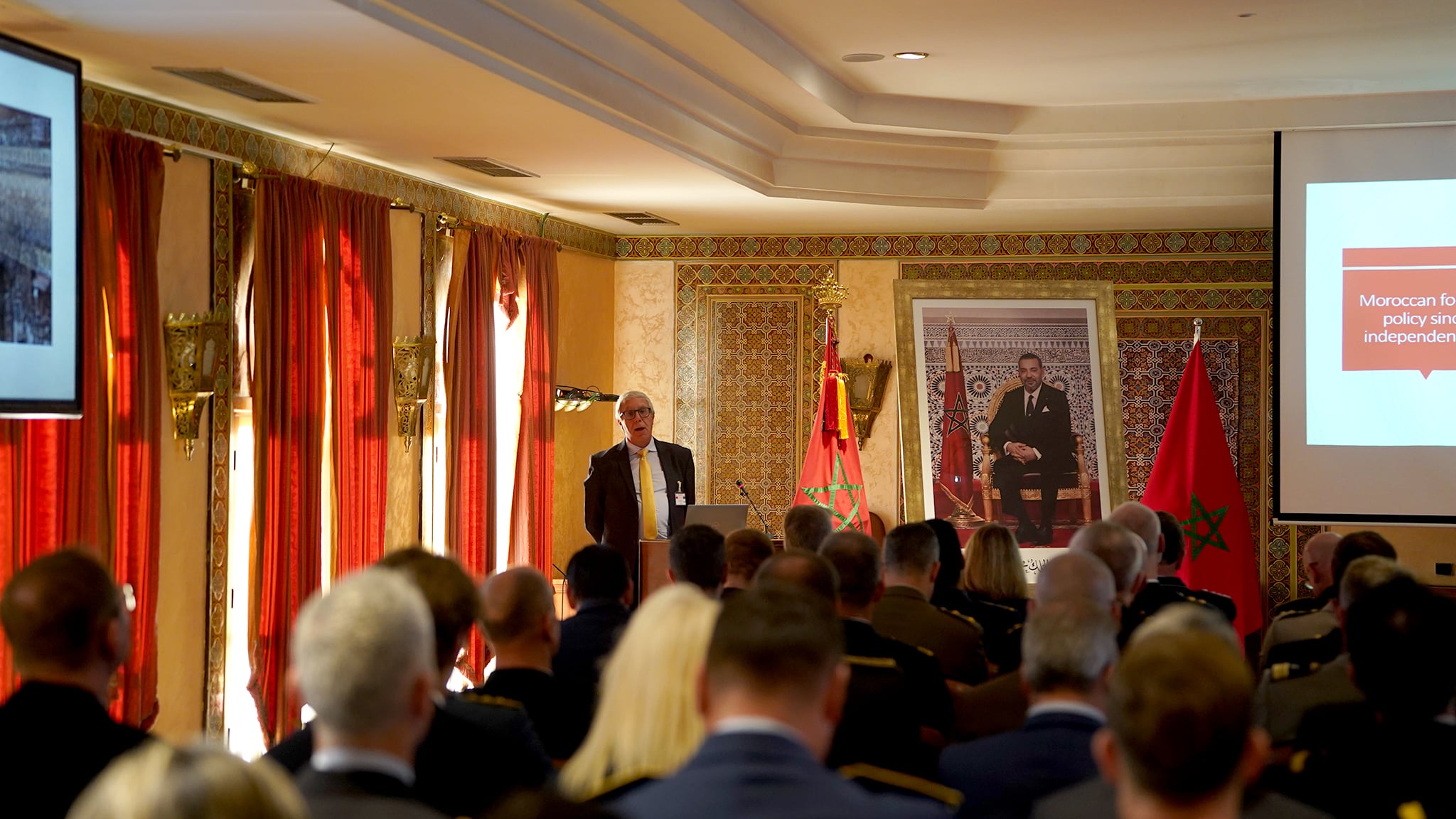
Continuing to North Africa, SC 147 made its final stop in Rabat, the Kingdom of Morocco, engaging directly with NATO’s southern neighbourhood and its long-standing Mediterranean Dialogue partnership. Briefings at the Morocco Royal Academy, the Military History Directorate, and the Royal College of Higher Military Education highlighted the country’s strategic position at the crossroads of the Atlantic, Europe, and the Arab world, its foreign policy shaped by African, Arab, and Western influences, and its sustained engagement in NATO and UN missions. Capacity-building efforts, including gender parity, diversity in the armed forces, and increased defence industry investments, demonstrated Morocco’s commitment to strengthening regional security. The country’s rich history, deep regional knowledge, and strong partnerships enhance NATO’s connectivity and understanding of the southern neighbourhood, informing policy and strategy, and reinforces its role as a vital NATO partner.
Overall, this Field Study brought to the fore NATO’s multidimensional approach to security and the vital role of Allied and partner cooperation in a rapidly changing global landscape. Course Members acquired a thorough understanding of how national and regional perspectives shape NATO’s broader strategic objectives. The complete experience demonstrated each country’s adaptation to complex, multifaceted challenges and the operational impact of modern warfare realities.
The Field Study also offered the Head of Delegation, NDC Commandant LGEN Max A.L.T. Nielsen, and NDC leadership, a valuable opportunity to engage with senior officials and reinforce ties with partner institutions. In Qatar, the Commandant met with His Excellency Brigadier General (Dr) Rajeh Mohammed bin Aqeel Al-Nabit, President of the Joaan Bin Jassim Academy for Defence Studies who spoke of how cooperation provides NDC Course Members with valuable insights into regional security and strategic challenges across the Gulf and beyond.
In Morocco, the programme included exchanges with Mr Lahjomri Abdeljalil, Perpetual Secretary of the Royal Academy of the Kingdom of Morocco and Director of the Royal College, and Brigadier General Youssef El Mehdi, Head of the Moroccan Royal Armed Forces Military History Directorate. The NDC Leadership also met with Major General Mohammed Gle Gadih, Inspector of the Royal Moroccan Air Force, and Colonel Major Lahcen El Hajjami, Director of the Royal College of Higher Military Education (CREMS). These exchanges advanced collaboration in higher military education, strategic training, and in-depth dialogue on academic approaches and regional security challenges.
In Türkiye, the NDC Commandant met with Deputy Chief of the Turkish General Staff, General Levent Ergün, and in Greece, he met again with the Hellenic National Defence College (HNDC) Commandant LGEN Sardellis Athanasios, following their exchange earlier in May at the 54th Conference of Commandants. Both meetings highlighted the importance of maintaining open dialogue, acknowledging differences, and enhancing cooperation to reinforce NATO’s collective defence.
NDC Public Affairs Office
(Prepared by Ms Britt Melinga, NLD C)

 Collège de Défense de l'OTAN