
From 12 to 16 January 2026, Senior Course 147 conducted the Negotiation, Mediation, and Decision-Making Exercise (NMDX), a culminating element of the Course curriculum. During the exercise, Course Members engaged in multinational consensus-building, negotiation, and mediation, and experienced the demands of international crisis management and multilateral politico-military decision-making within a simulated crisis scenario.
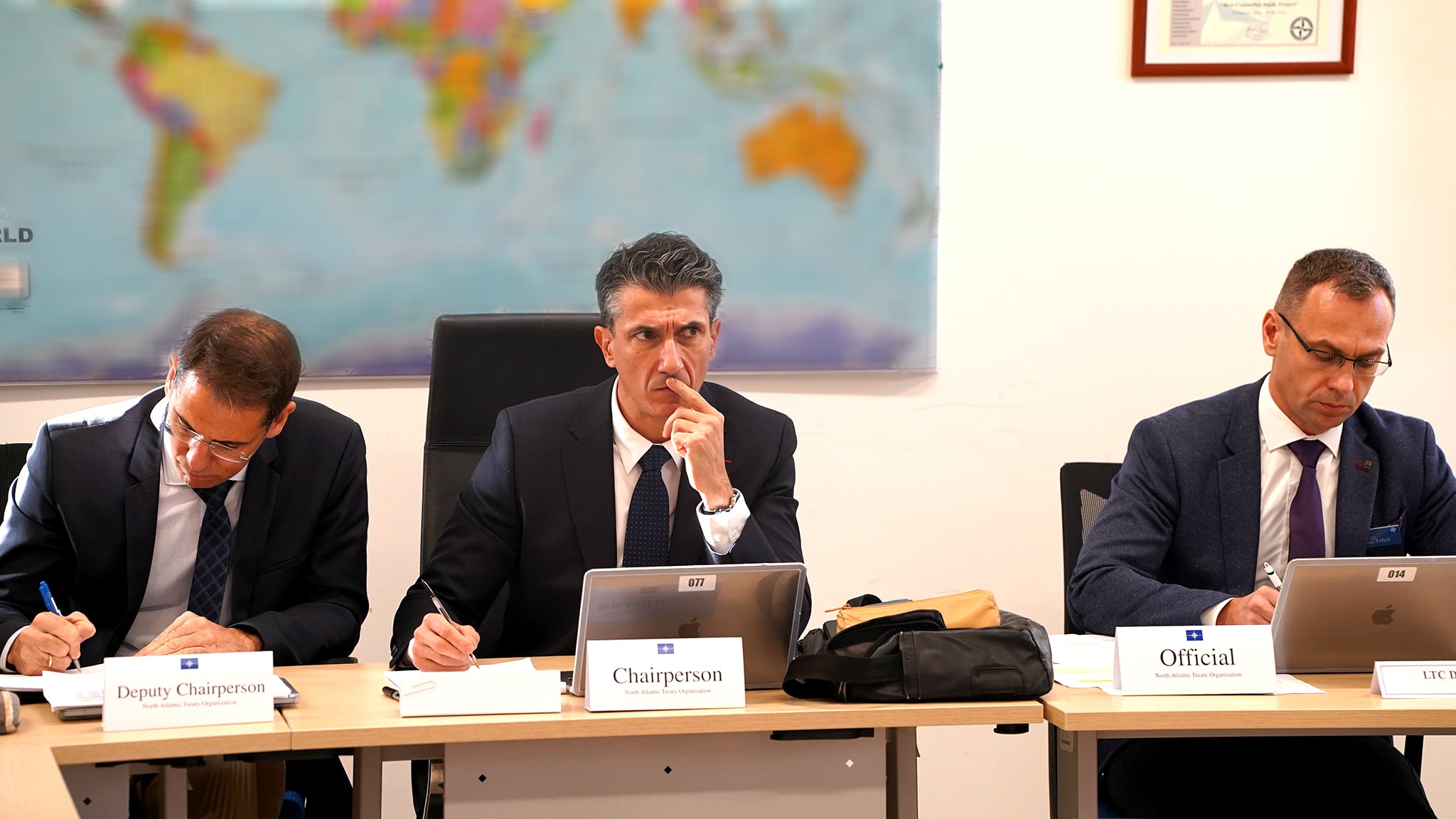

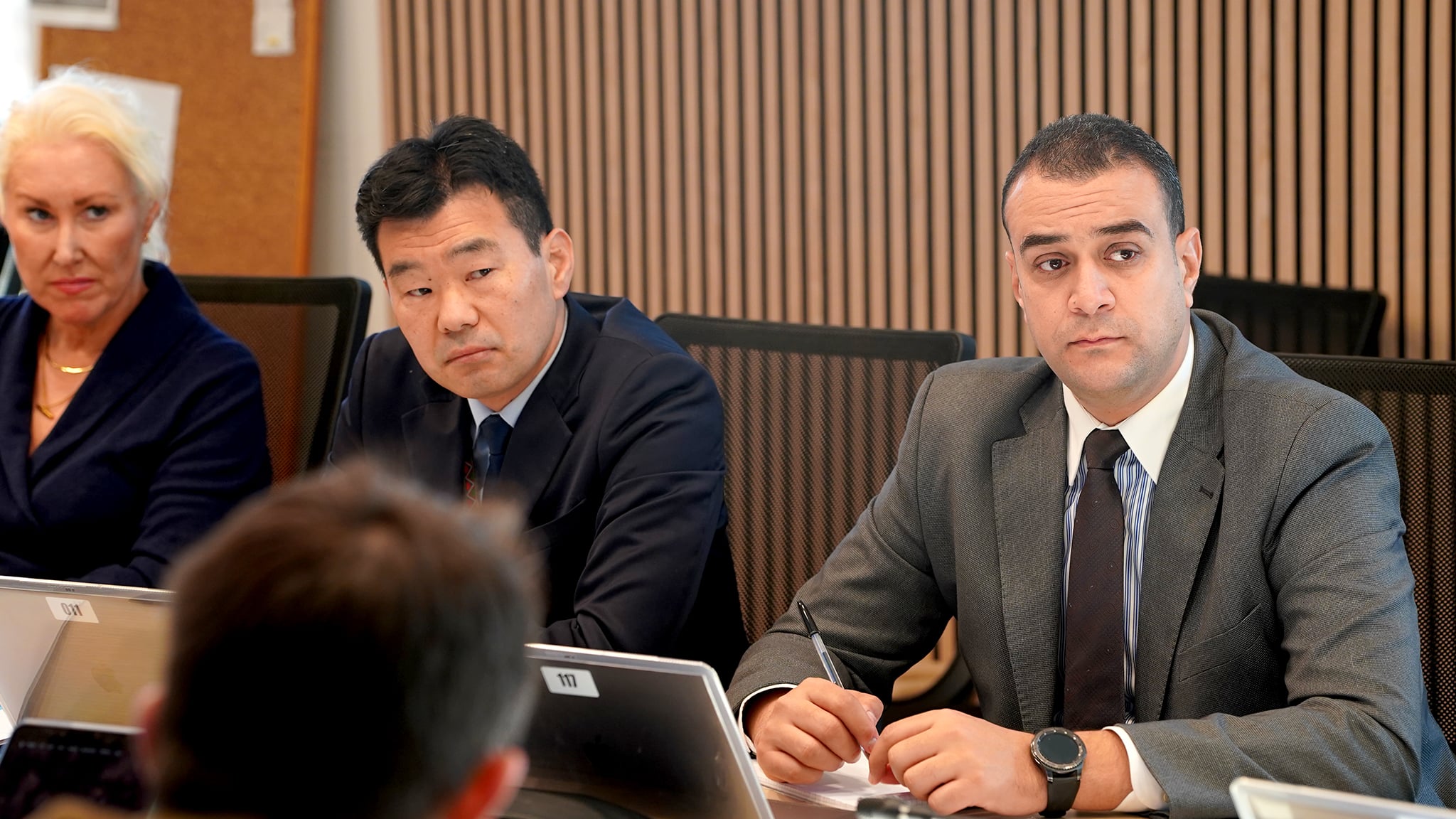
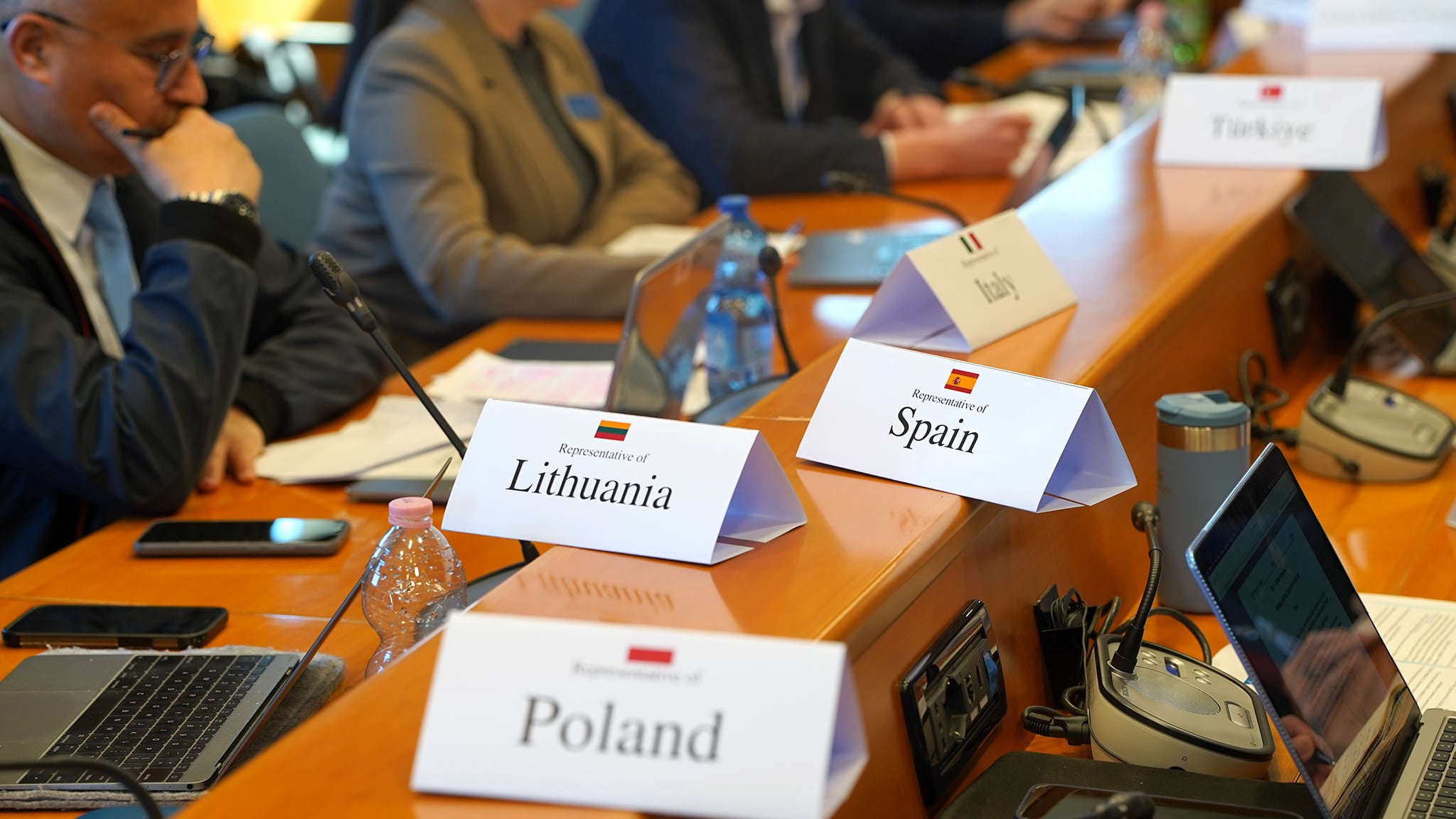
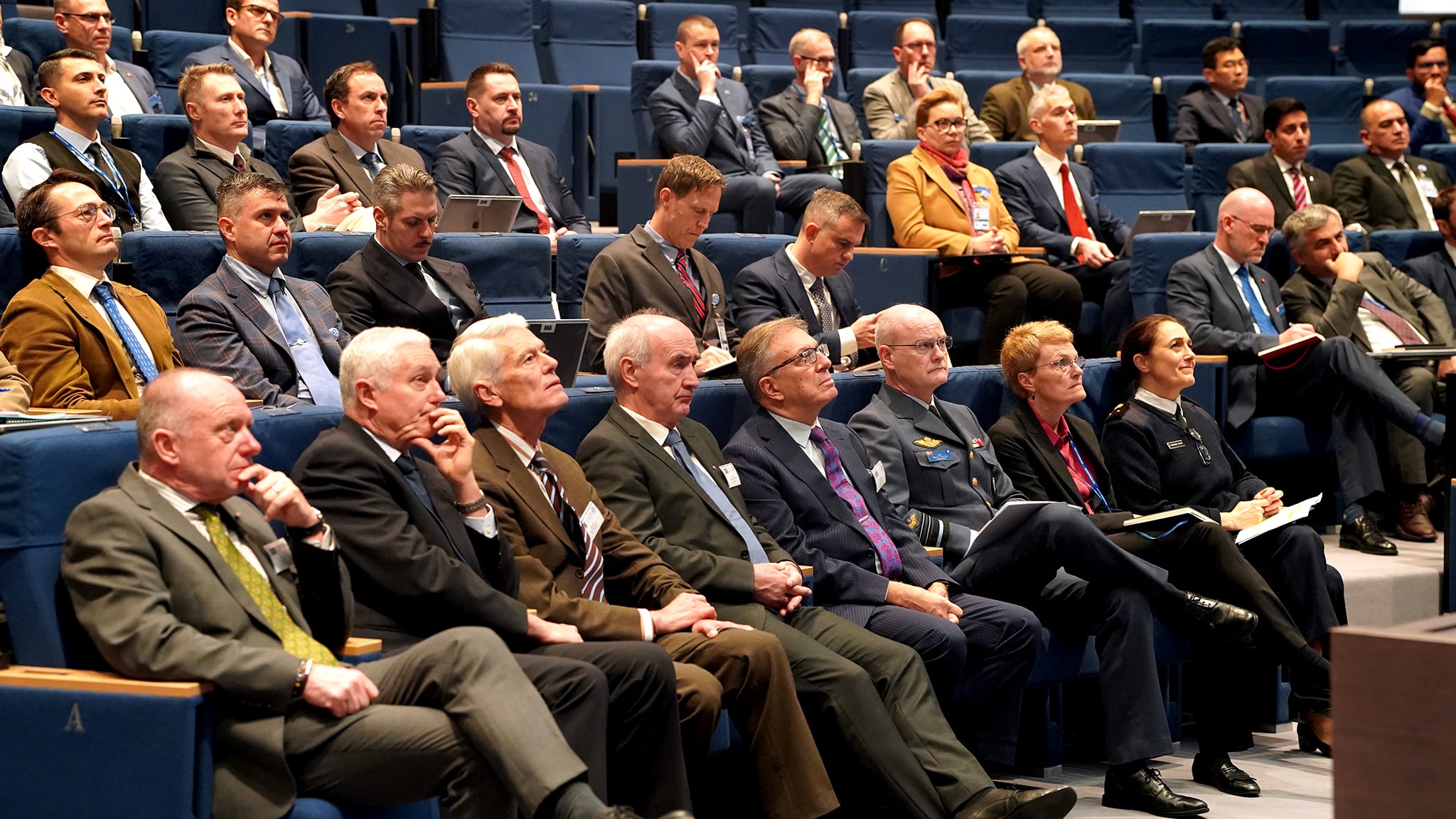
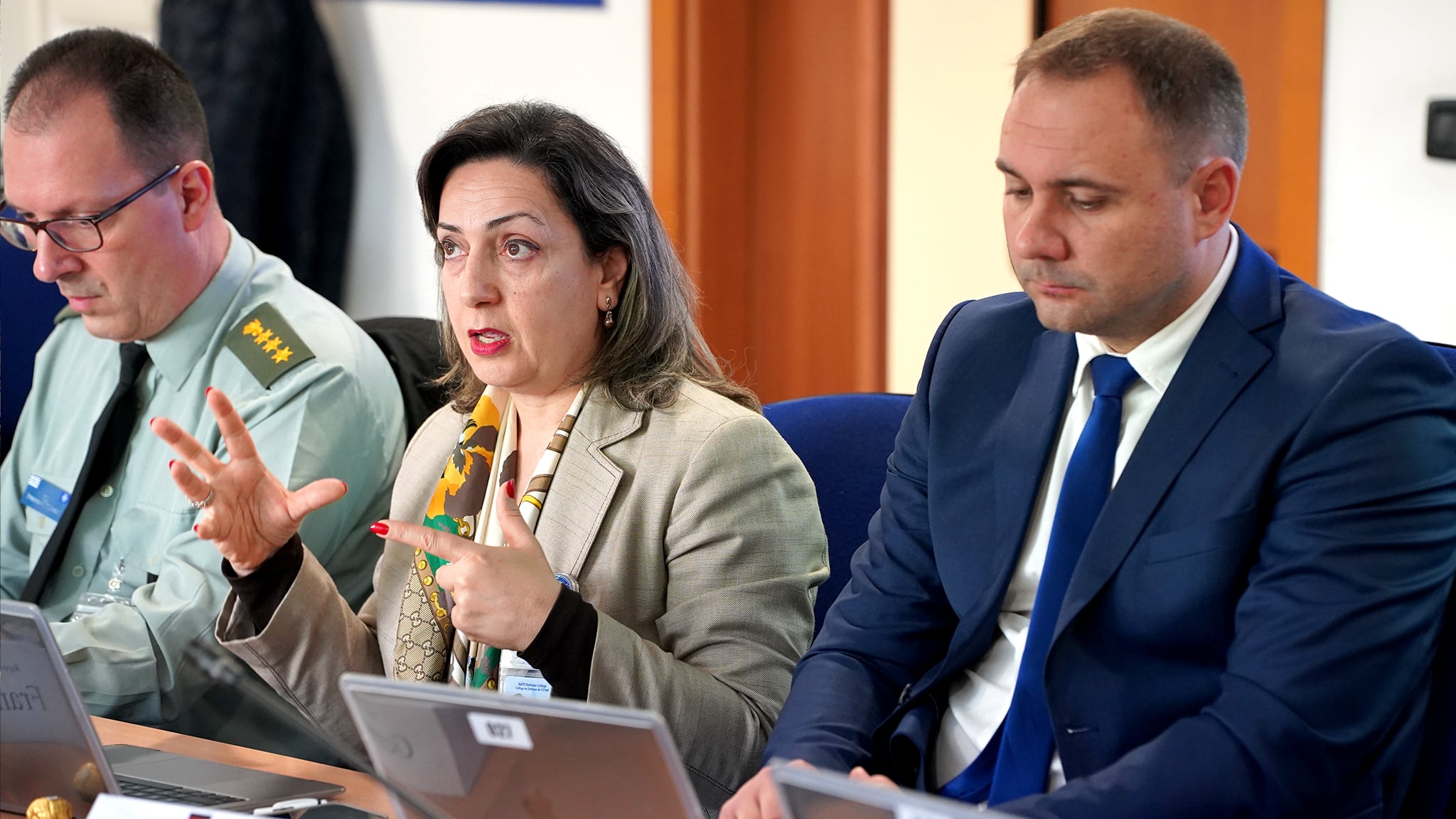
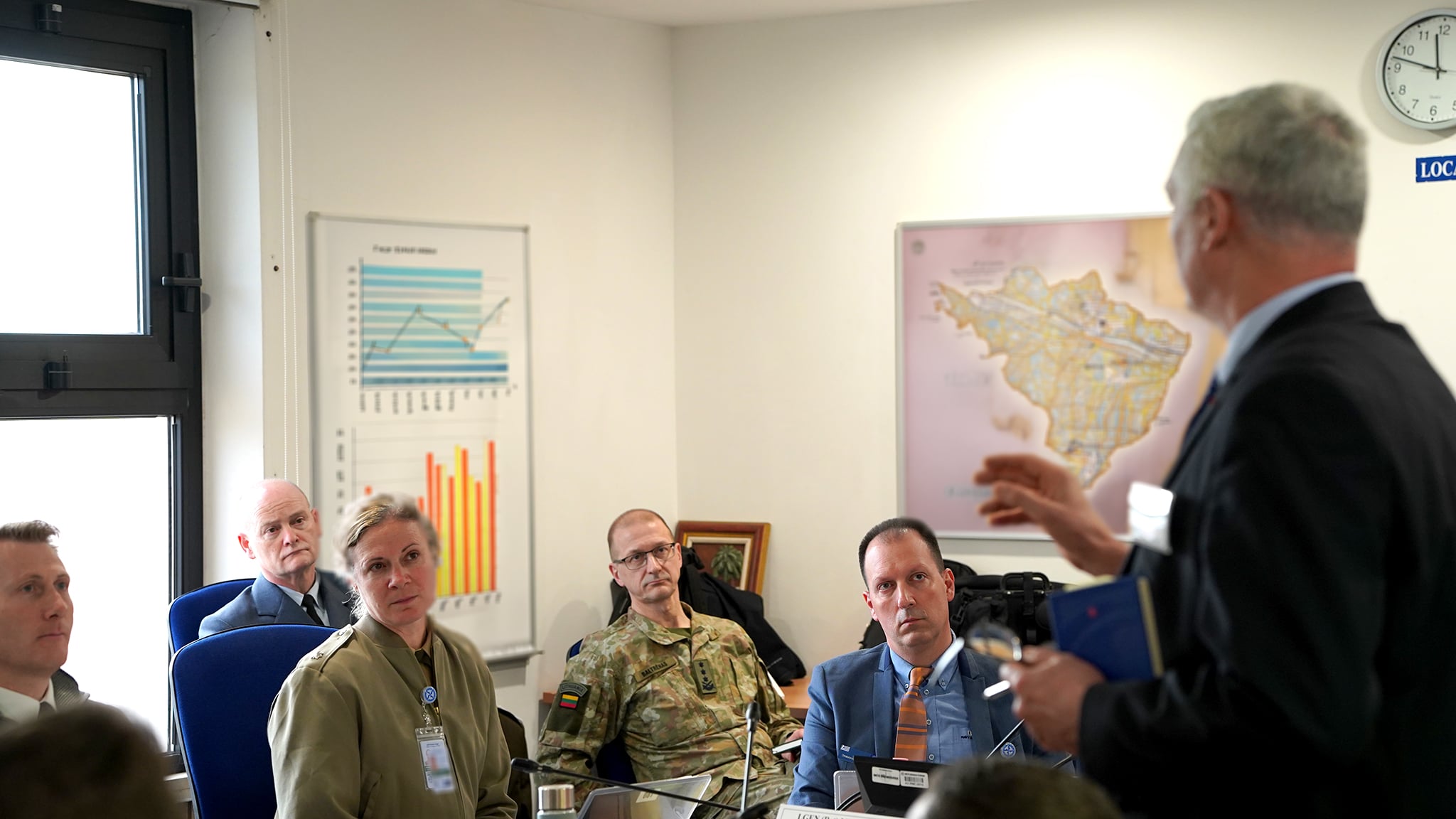
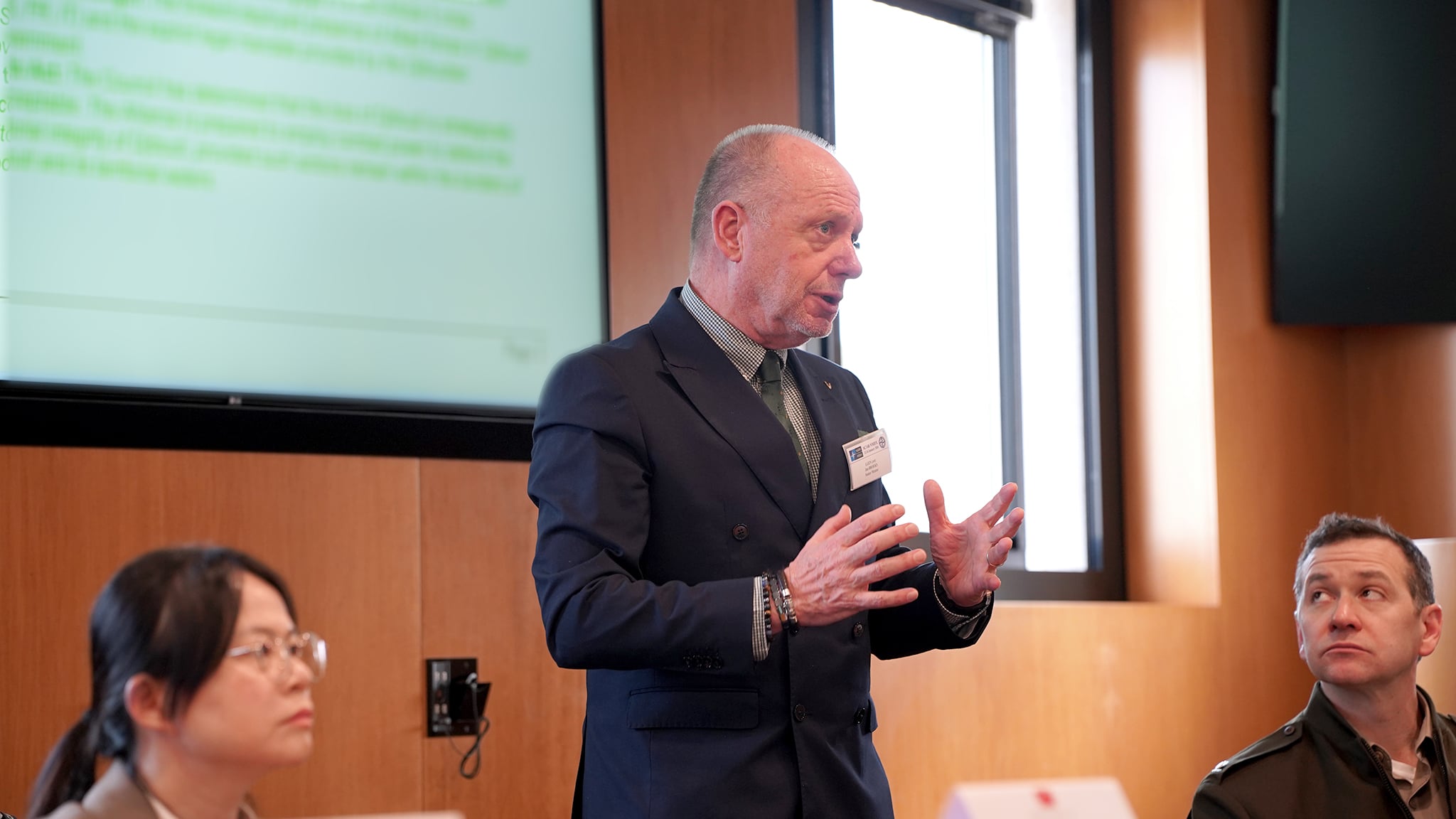
Designed along the lines of the NATO Response System, the NMDX simulated a crisis scenario calling for potential NATO involvement based on Article 51 of the UN Charter and the invitation of a sovereign nation. The exercise reflected the crisis response and decision-making process at the North Atlantic Council (NAC) level and combined real-world geography and historical context with partly fictitious developments. Divided into Working Groups representing NATO officials and national representatives to manage the decision-making process, Course Members negotiated, mediated, further articulated, politico-military and strategic options with the goal of reaching consensus.
While the exercise did not fully replicate NATO procedures, it closely mirrored the dynamics of NAC and NATO committee meetings. Course Members encountered the conditions and special requirements of international crisis management and multilateral politico-military decision-making at the NATO Senior Committee and Ambassadorial level. Moreover, the NMDX enabled them to strengthen negotiation and decision-making skills, deepen their understanding of multinational consensus-building, and examine NATO’s role in Non-Article V Crisis Response Operations and the Alliance’s organization and functioning in crisis situations.
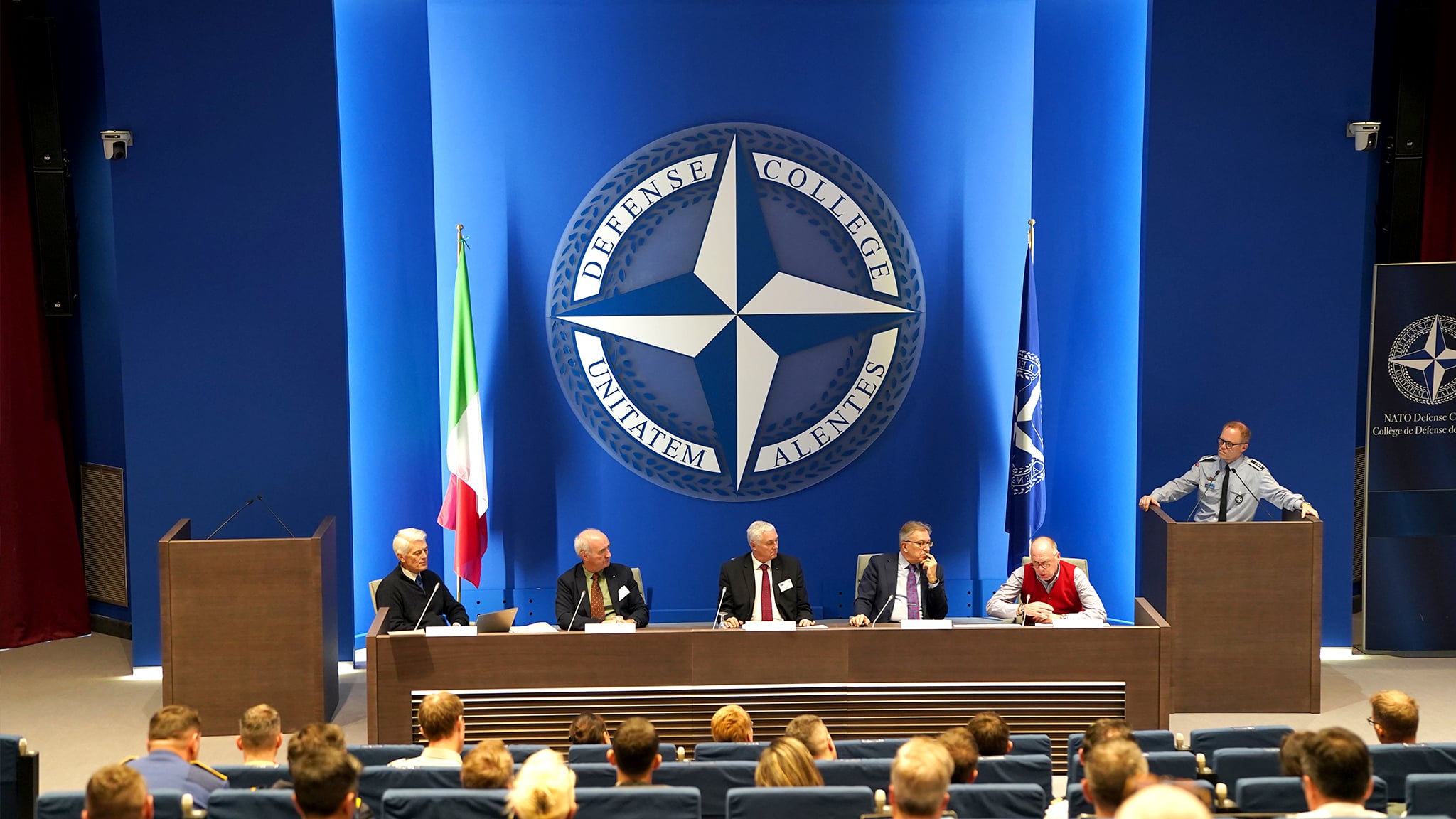
Course Members were mentored throughout the exercise by NATO experts, including Ambassador (Ret.) Tacan Ildem, Lieutenant General (Ret.) Jan Broeks, Lieutenant General (Ret.) Hans-Werner Wiermann, Lieutenant General (Ret.) Michel Yakovleff and Professor Ted Whiteside. The added value of having Senior Mentors leading the exercise is their credibility: their guidance is grounded in real experience. Many Course Members already bring substantial international expertise. Nonetheless, learning from mentors who have navigated complex NATO challenges, shaped strategic decisions, initiated key policies, and signed off on operational withdrawals carries significant weight. The mentors actively test participants’ decisions, areas of improvement, and draw on their own high-level experience to guide Course Members through the NAC decision-making process that the NMDX is designed to simulate.
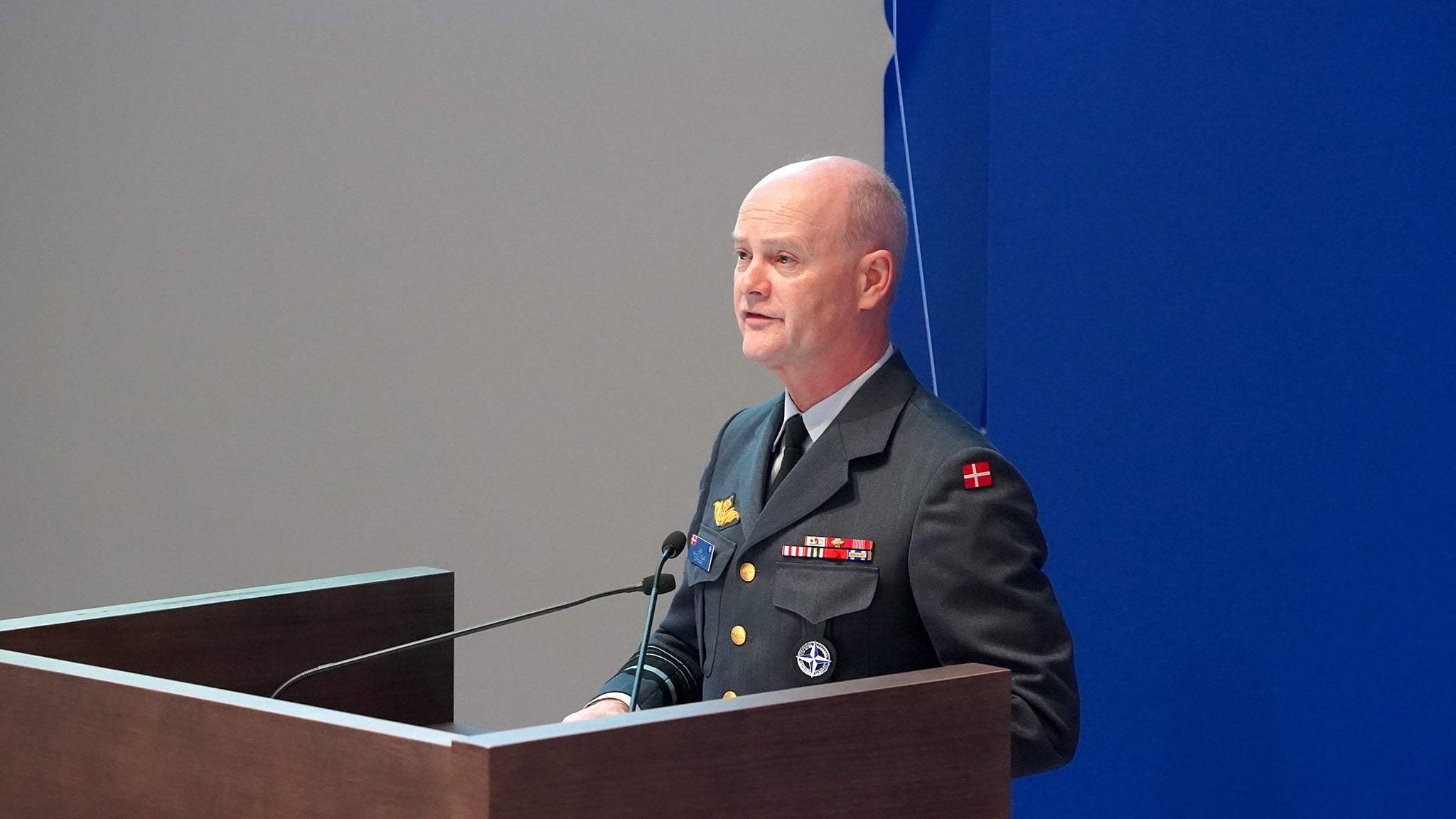
In November last year, NDC Commandant Max A.L.T. Nielsen and Head of the Curriculum Planning Branch John O. Birkeland, together with the Senior Mentors, had the opportunity to brief Allies at NATO Headquarters on the College’s most recent initiatives to strengthen the negotiation, mediation, and consensus-based decision-making skills of Senior Course Members. As a result, the updated NMDX, implemented this January, makes the exercise even more realistic and challenging. These improvements reflect the NDC’s ongoing commitment to keeping its curriculum relevant and ensure that Course Members continue to engage with exercises that closely mirror NATO decision-making at the highest levels.
NDC Public Affairs Office
(Prepared by Ms Britt Melinga, NLD C)

 Collège de Défense de l'OTAN