

From 7 to 9 October 2025, the NATO Defense College hosted the second annual Allied Foresight Conference (AFC), jointly organized with Allied Command Transformation (ACT). Entitled “Tomorrow Starts Today,” this pivotal event brought together leading experts from Allied and partner nations to explore the evolving landscape of warfare, security, and strategic foresight.



The Allied Foresight Conference serves as a premier platform designed to foster high-level dialogue among policymakers, defence planners, scholars, and industry experts. Driven by ACT’s revitalized strategic foresight process, the Conference aims to proactively identify, analyse, and collectively address the challenges posed by an increasingly complex and dynamic global security environment, ensuring that NATO remains agile and prepared to face future threats.
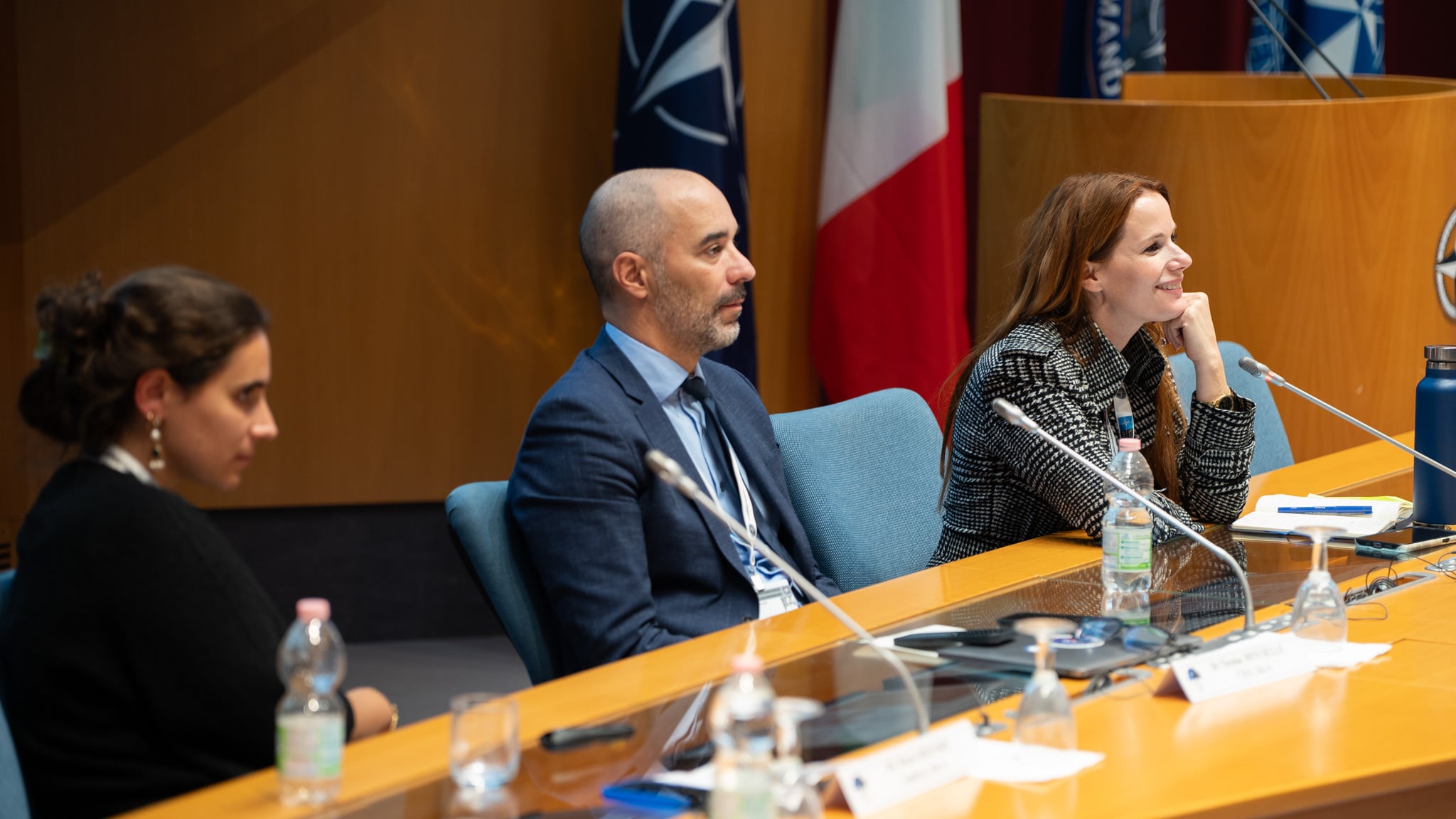
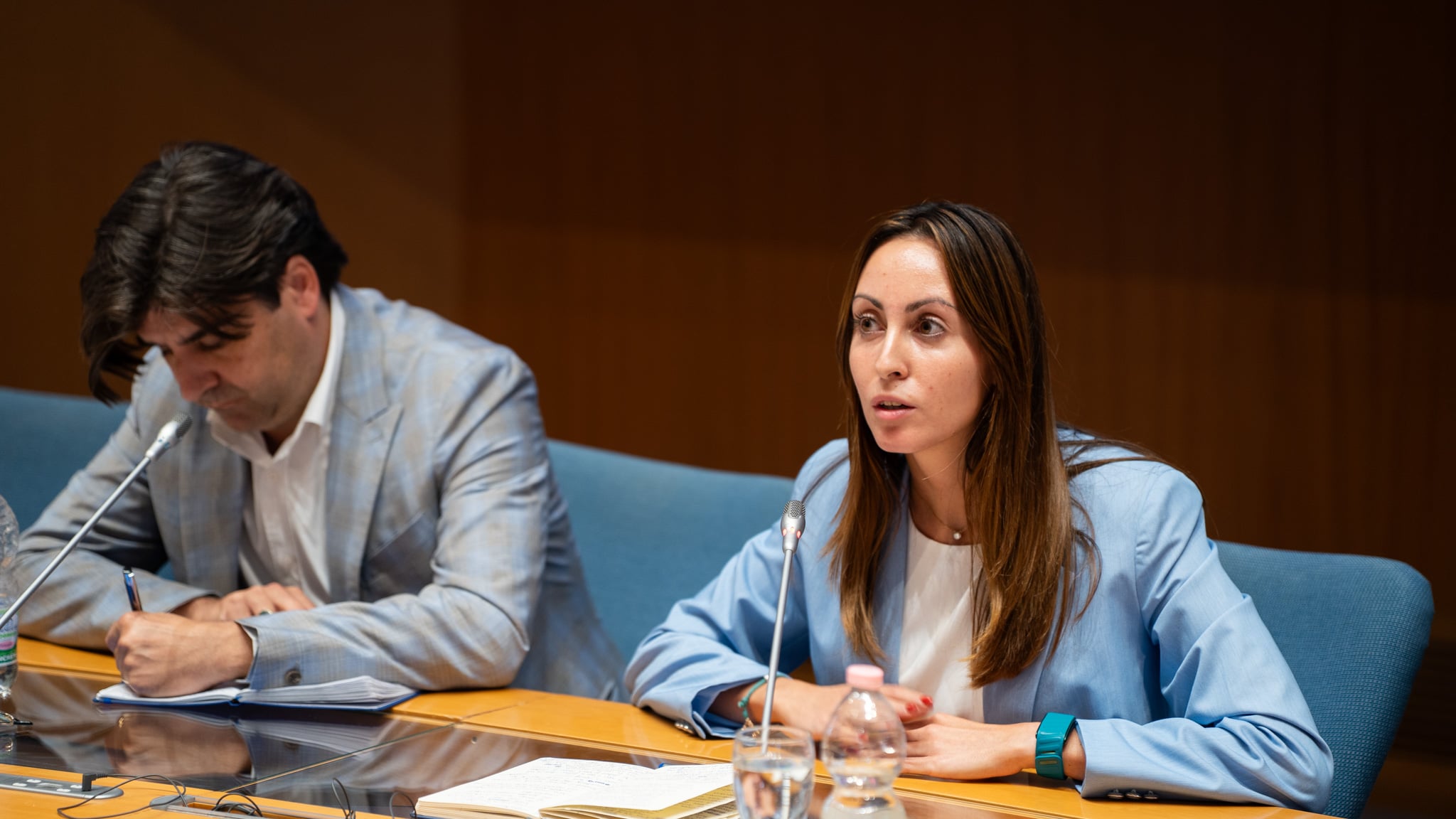
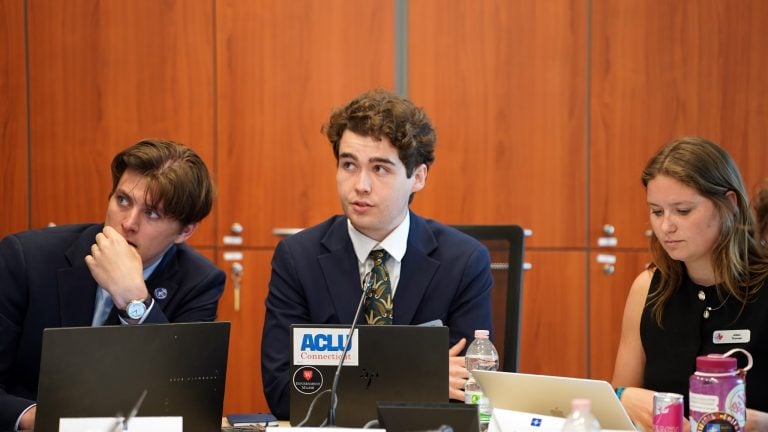
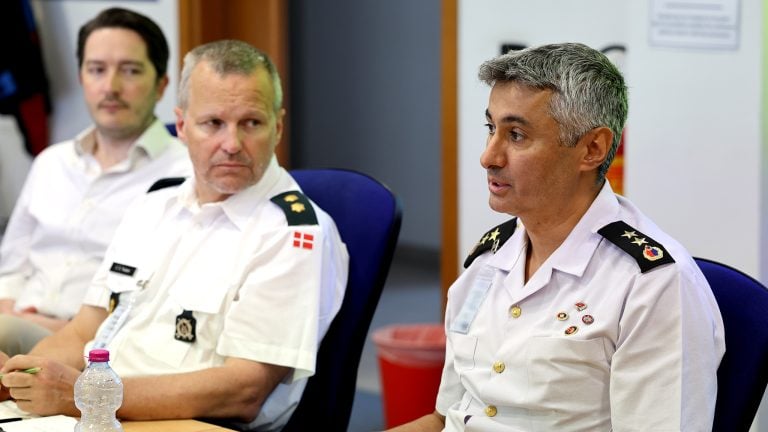
Through a series of keynote addresses, panel discussions, breakout sessions and interactive wargames, participants explored emerging global trends and drivers of instability and uncertainty.
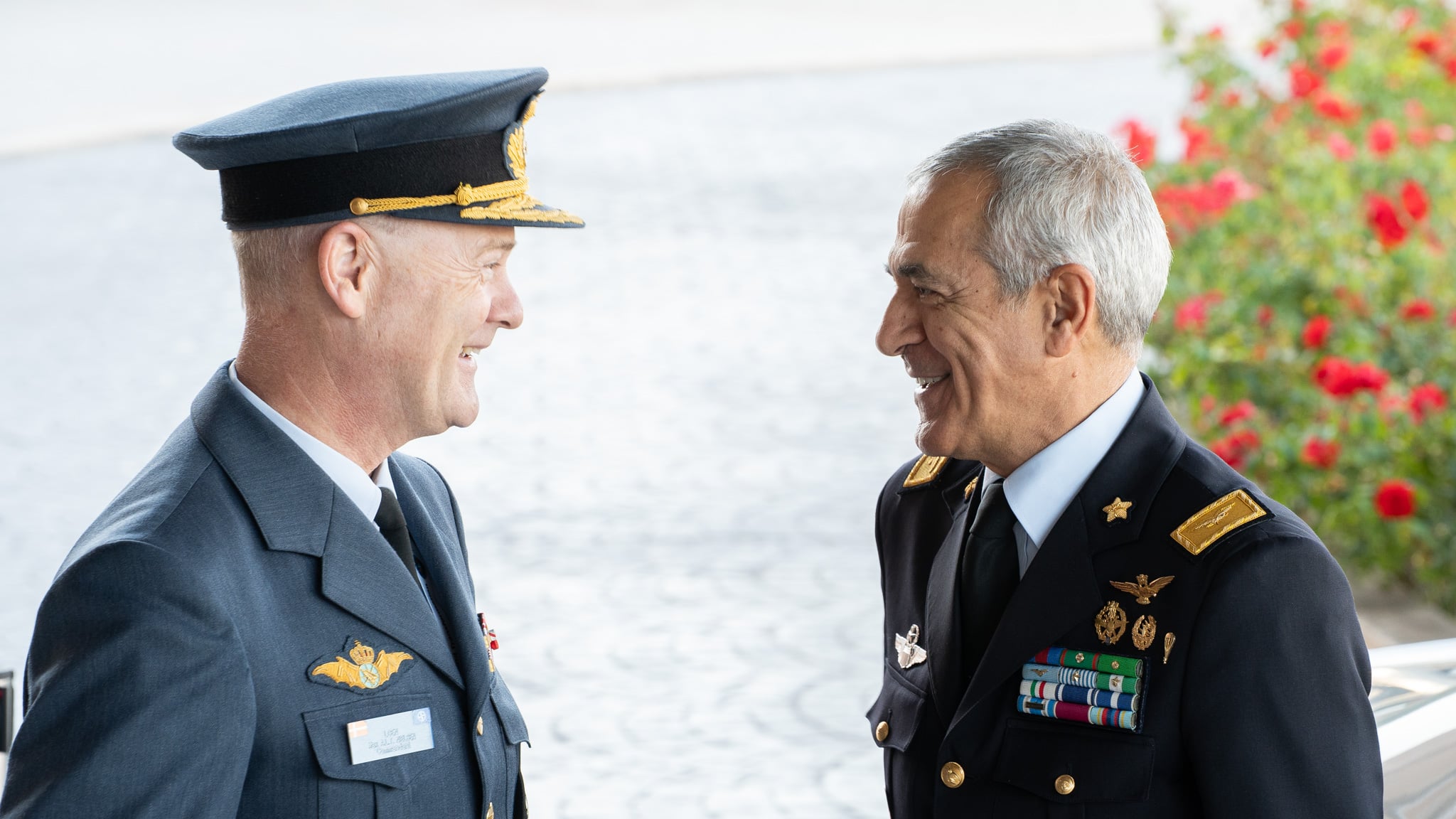
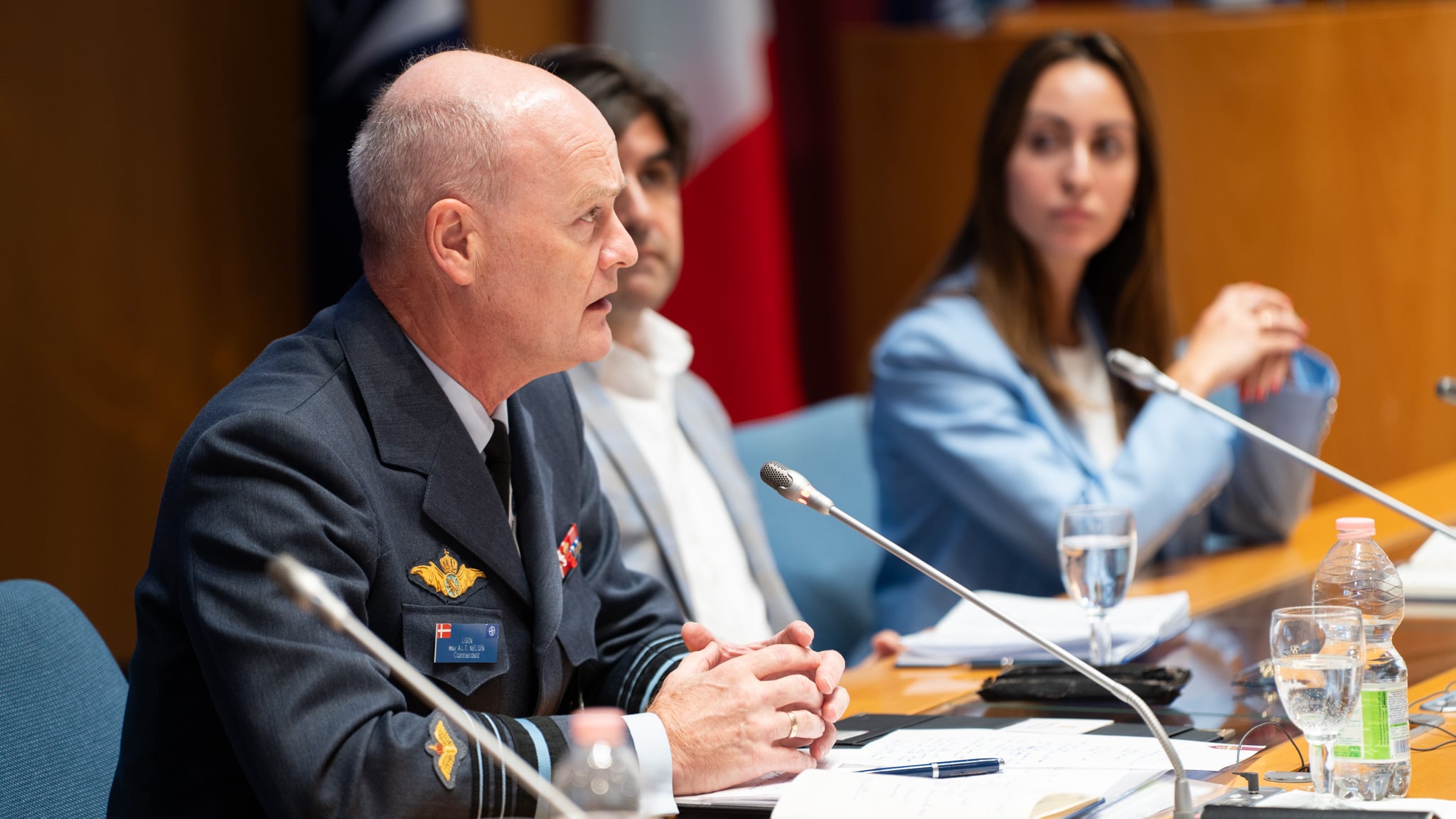
Deputy Supreme Allied Commander Transformation (DSACT) General Aurelio Colagrande and NDC Commandant Lieutenant General Max A.L.T. Nielsen opened the AFC by delivering the opening remarks setting a tone of urgency and optimism, while emphasizing that the future of security will be shaped by foresight, innovation, and collective resolve.
Central to the discussions was the concept of anticipation versus prediction. Speakers underscored NATO’s leadership and imperative to move beyond traditional forecasting to actively shape the future security environment. This means not only preparing for known threats, but also embracing uncertainty to guide strategic decision-making in an era marked by rapid geopolitical shifts and technological advances.
The conference explored the changing international order, marked notably by the rise of the “grey war” and unconventional conflict. Understanding these evolving trends in warfare is crucial for NATO to maintain its strategic edge. Discussions addressed vulnerabilities that extend beyond the military domain into the conceptual realm, rooted in differing perceptions of the future from those of NATO the adversaries.
Another major theme was the importance of resilience, framed as a whole-of-society endeavour, to build deterrence. Participants underscored that societal readiness is tantamount to national readiness. This requires strategic and sustained investment. Such an approach means reframing resilience, to go from enduring crises to actively adapting and thriving within a rapidly changing global landscape.
In this context, the conference reaffirmed NATO’s enduring relevance. The Alliance’s mission must evolve to address long-term challenges such as climate change and the resurgence of nationalism. This broader perspective is vital not only for ensuring current and future security but also to inspire and engage future generations.
To complement these discussions, participants engaged in interactive experiences such as Futures Chess Wargames and Crisis Room 49, an immersive simulation designed to test future crisis response capabilities. These activities underscored the value of innovative foresight tools in preparing leaders for unpredictable and complex environments.
The Allied Foresight Conference ultimately reaffirmed NATO’s commitment to out-think, out-innovate, and out-compete any adversary, remaining at the forefront of deterrence, defence and innovation. In closing the event, General Colagrande reminded the audience of the core objective guiding NATO and the AFC: “to keep our Alliance strong, secure, and one step ahead.”
NDC Public Affairs Office
(Prepared by Ms Chloé Ketels, FRA C)

 NATO Defense College