
On October 4th Senior Course 121 (SC 121) arrived in Bratislava, the final destination of the European Security Perspectives Field Study. The group was accompanied by the Commandant of the NATO Defense College (NDC), LtGen Arne Bård Dalhaug (Nor-A).
The following day Course Members visited the Ministry of Defence of the Slovak Republic, where they were welcomed by Deputy Minister of Defence Mr Miloš Koterec. In his address to the group, Mr Koterec emphasized the importance of education and training as key goals within NATO’s Smart Defence concept, underlining the relevance of the NDC’s contribution to the strengthening of cooperation and trust between the Alliance and its partner nations.
Mr Pavol Svetík, Director General of Defence Policy at the Ministry of Defence, was the second speaker of the day. He offered a historical appraisal of the Security and Defence Policy of the Slovak Republic, and highlighted its main goals. In addition to ensuring a secure environment for its citizens and the defence of national interests, the Slovak Republic is more broadly committed to promoting and maintaining peace and security. The nation is currently undertaking a thorough transformation of its defence sector, to create small, well equipped, highly trained and flexible forces with suitable command structures.
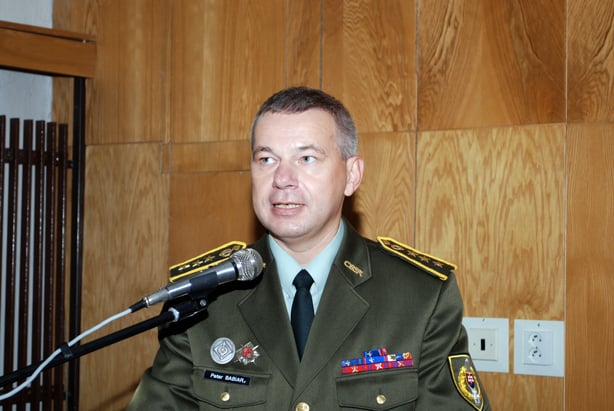
The following lecturer was Col. Peter Babiar, Deputy Chief of the Strategic Planning Staff. He introduced Course Members to the defence objectives of the Slovak Republic, outlining the main phases of their implementation, as well as the ongoing gradual modernization of the Armed Forces.
Mr Peter Michalko, representative of the Political Directorate General of the Ministry of Foreign and European Affairs, underlined the role of NATO and EU membership as fundamental pillars of the country’s foreign policy. The speaker reminded the audience that the Slovak Republic will take over the EU presidency in 2016, and gave several examples of priorities in its foreign policy:
- To maintain reliable and respectful cooperation with partner countries;
- To have good relations with neighbouring countries;
- To support stability and democratization;
- To strive for effective multilateralism;
- To provide diplomatic support to Slovak citizens and businesses abroad.
The last speaker of the session was Mr Gabriel Machlica, Director of the Macroeconomic Division within the Ministry of Finance’s Institute of Financial Policy. He emphasized the implications of the global economic crisis for current Slovak economy. This presentation, like the previous ones, was followed by a lively Q&A period which enabled Course Members to pursue an in-depth discussion of the issues addressed during the morning.
Overall, the first SC 121 Field Study gave Course Members a unique and outstanding opportunity to learn more about essential security and defence perspectives in six European NATO member states.
More about the Field Study:

 NATO Defense College