
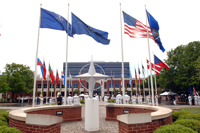
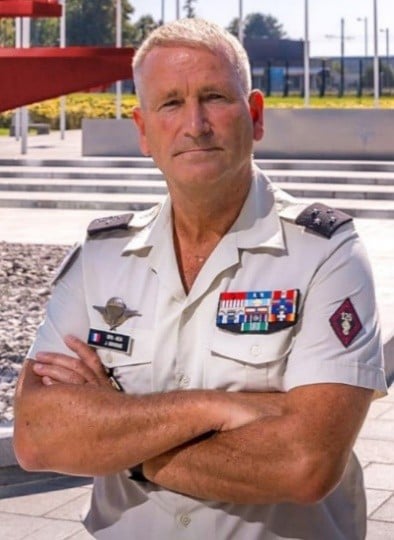
On 7 November, SC123 visited Allied Command Transformation (ACT) in Norfolk, Virginia and was warmly welcomed by Gen Mirco Zuliani, Deputy SACT.
In his opening remarks, the General focused on ACT’s mission, structure and tasks, underling the importance for NATO’s future, of interoperability, training and education, strategic thinking and Smart Defence.
The first speaker of the day’s briefings was Capt Svindall, who presented the Connected Forces Initiative (CFI), giving a general overview of the structure and mandate and again, stressing the role of education and training, increased exercises and a better use of technology. He emphasized the importance of individual training in NATO issues as a complementary tool to improve one’s knowledge base, as well as to foster interoperability within the Alliance and between NATO and its partners.
Capt S.Pearson provided an overview of the implementation of the NATO Defence Planning Process (NDPP), focusing on the importance of political guidance and the visibility of this project. The NDPP provides holistic and integrated advice to the North Atlantic Council (NAC). The principal challenges currently facing the NDPP are “collective targets”, whereby the planning domains and the sharing of information with EU battle groups require careful harmonization. One of the main advantages of the NDPP is its transparency and traceability, which help to move forward in the implementation of the Comprehensive Approach (CA).
Next, LtCol J.McGowen briefed Course Members on Smart Defence, explaining that the main purpose of the initiative is to develop capabilities more efficiently and with a greater degree of consultation with partners and industry. He gave examples of projects being implemented by ACT, to promote and improve multinational solutions for the future. Looking forward, Smart Defence will help the Allies to better cooperate, will enhance deconfliction and complementarity with the EU, and will make better use of ‘lessons learned’ for the future.
The next speaker, LtCol B.Jacola, gave a lively presentation of the new strategic operating environment, and more specifically, the Strategic Foresight Analysis.
Mr J.Reynold discussed NATO partnerships, focusing on global connectivity and the pressing need to work more with a broader range of players, including NGOs and IOs. As recent NATO operations have shown, partnerships are vital to help face future challenges, especially in countries which are geographically distant and which have very different cultures. Maintaining peace and security will only be possible through cooperation.
The session concluded with a panel discussion and a lively Q&A, during which panelists provided frank and candid answers.
SC123’s visit to the USA will continue with visits to US institutions in Washington D.C.
NDC Public Affairs Office

 NATO Defense College