
In response to Strategic Guidance issued to the NATO Defense College (NDC) by the North Atlantic Council and the Military Committee (MC123/10), The mission of the NATO Defense College is:
To contribute to the effectiveness and cohesion of the Alliance primarily through senior-level education, on transatlantic security issues, enabled by research on matters relevant to the Alliance, and supported by engagement with Allies, Partners and Non-NATO Entities (NNEs), with a 360 degrees approach.
OBJECTIVES AND ACTIVITIES
The NDC objectives are to develop critical, creative, and strategic thinking on the key issues facing the Alliance. In line with its mission, the NDC has a primary objective to provide military and civilian officials with senior-leader education on NATO issues while developing multi-national consensus-building skills and enhancing Alliance cohesion by providing networking opportunities in a multi-cultural setting.
The NDC also has two additional objectives:
- Conduct research on matters of interest to the Alliance and ensures that research supports NDC academic programmes;
- Undertake engagement activity with a variety of designated stakeholders to support the Alliance’s strategic objectives and to promote its values;
The scope of NDC’s education, research and engagement activities includes:
- Promoting the Alliance’s shared values and interests, current and prospective missions, politico-military concepts, policies, organization and working methods while contributing to the cohesion of the Alliance by reinforcing Alliance solidarity;
- Analysing potential risks and considering opportunities to the security for the Alliance and its members;
- Addressing NATO’s transformation and adaptation, including defence planning and resource management;
- Understanding the political, security, defence and socio-economic systems and interests of the Allies and partners; their capabilities, limitations and prospects in international relations;
- Examining the role of, and interaction with, other key security-related international organizations;
- Conducting research, policy support and discussions on security issues;
- Fostering effective communication using both English and French languages;
- Engaging with NATO entities, designated partners including academic relationships, and Non-NATO Entities as detailed in Section VI, in line with relevant policies and procedures.

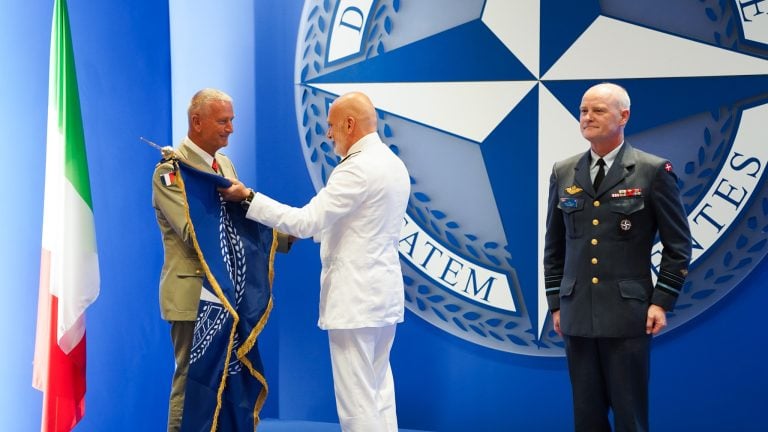
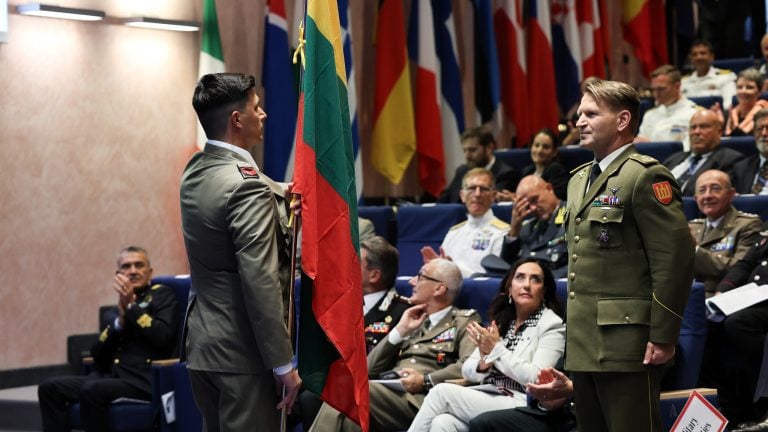

 NATO Defense College