
From 19 to 26 June 2026, Senior Course 148 navigated the complexities of one of the Alliance’s most fundamental principles: building consensus among 32 Allies. During the Negotiation, Mediation and Decision-Making Exercise, participants navigated a complex crisis scenario that exposed them to the realities of multinational consensus-building, strategic decision-making, and crisis management at the highest level in NATO.
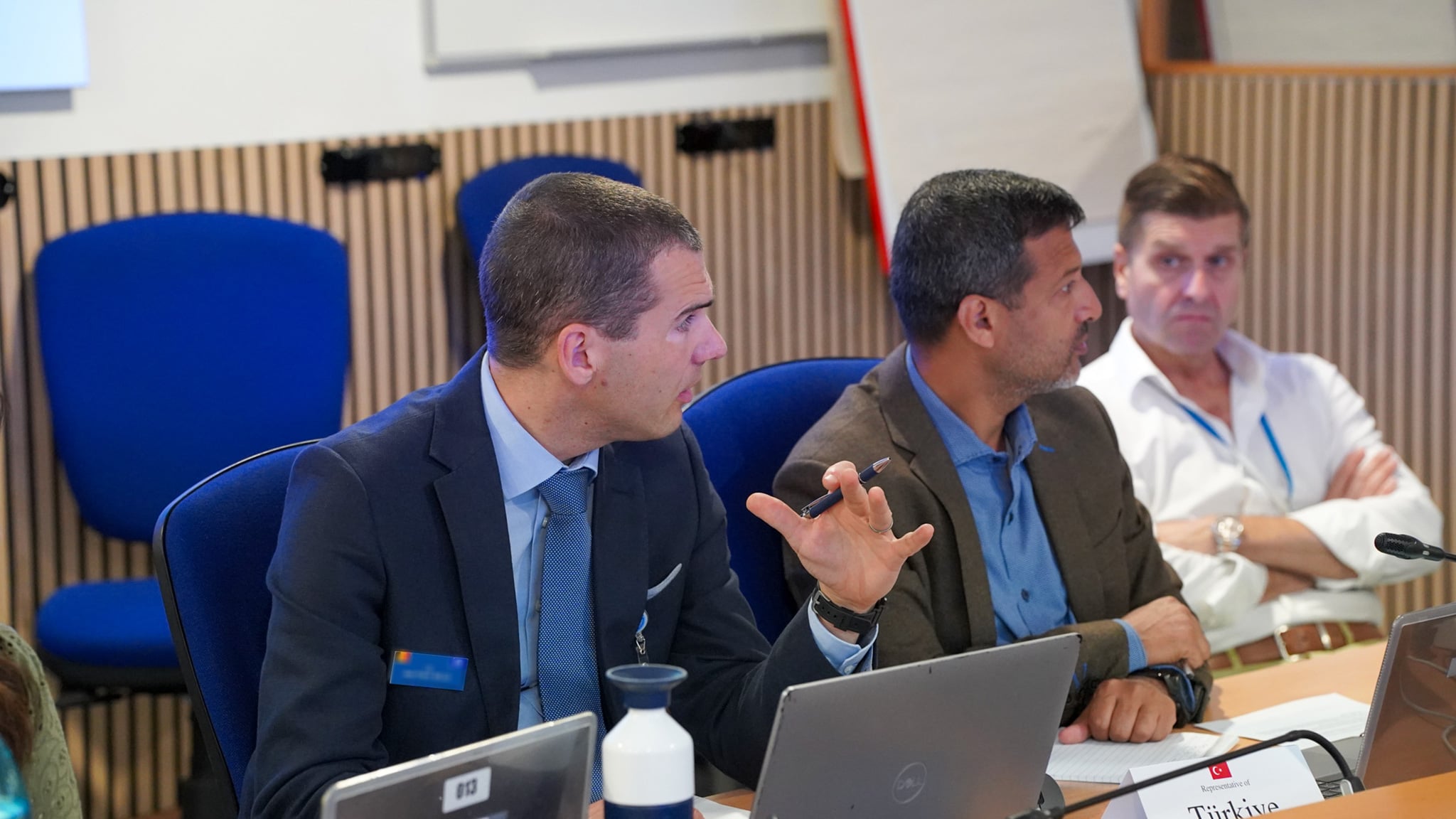
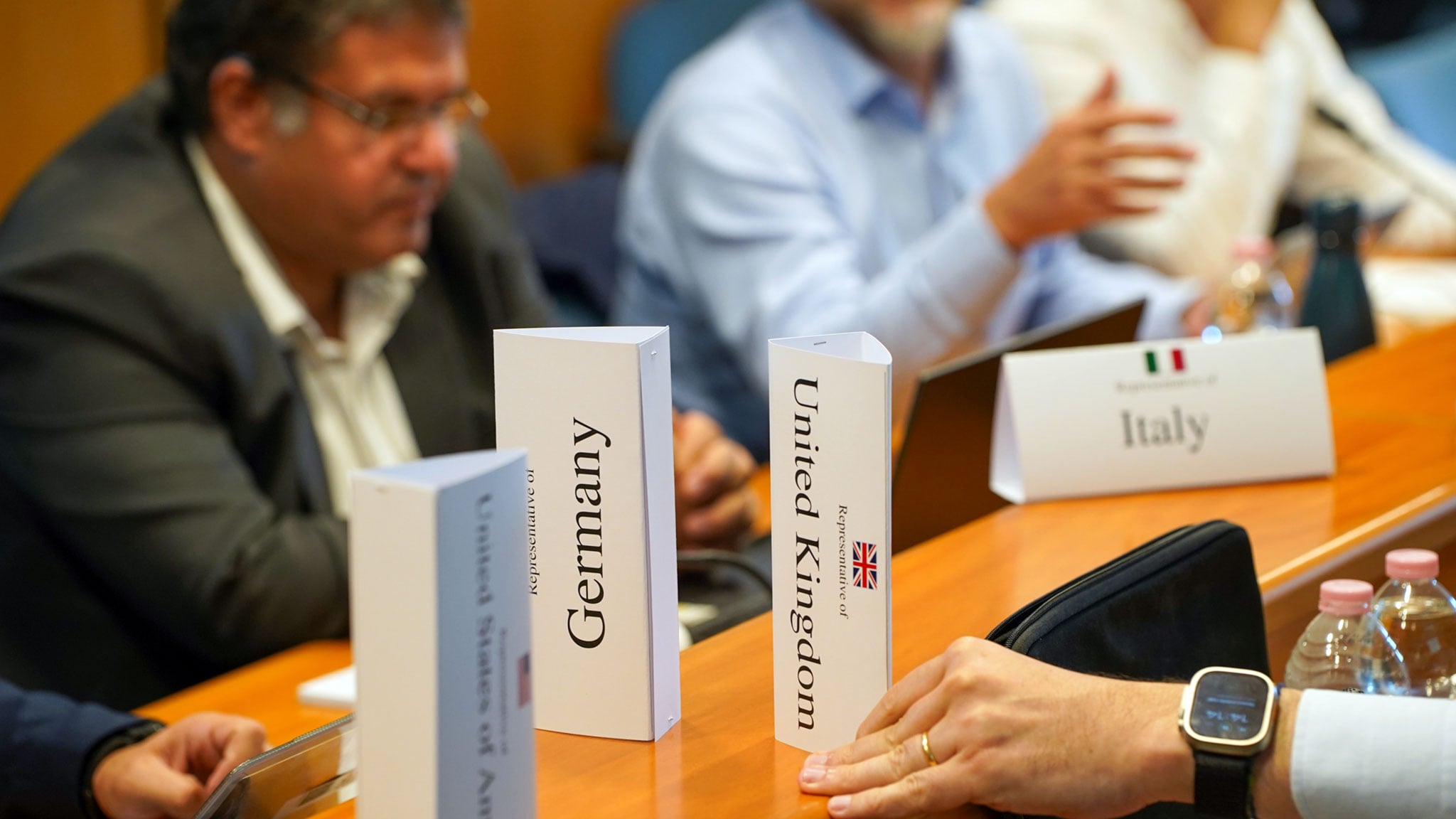
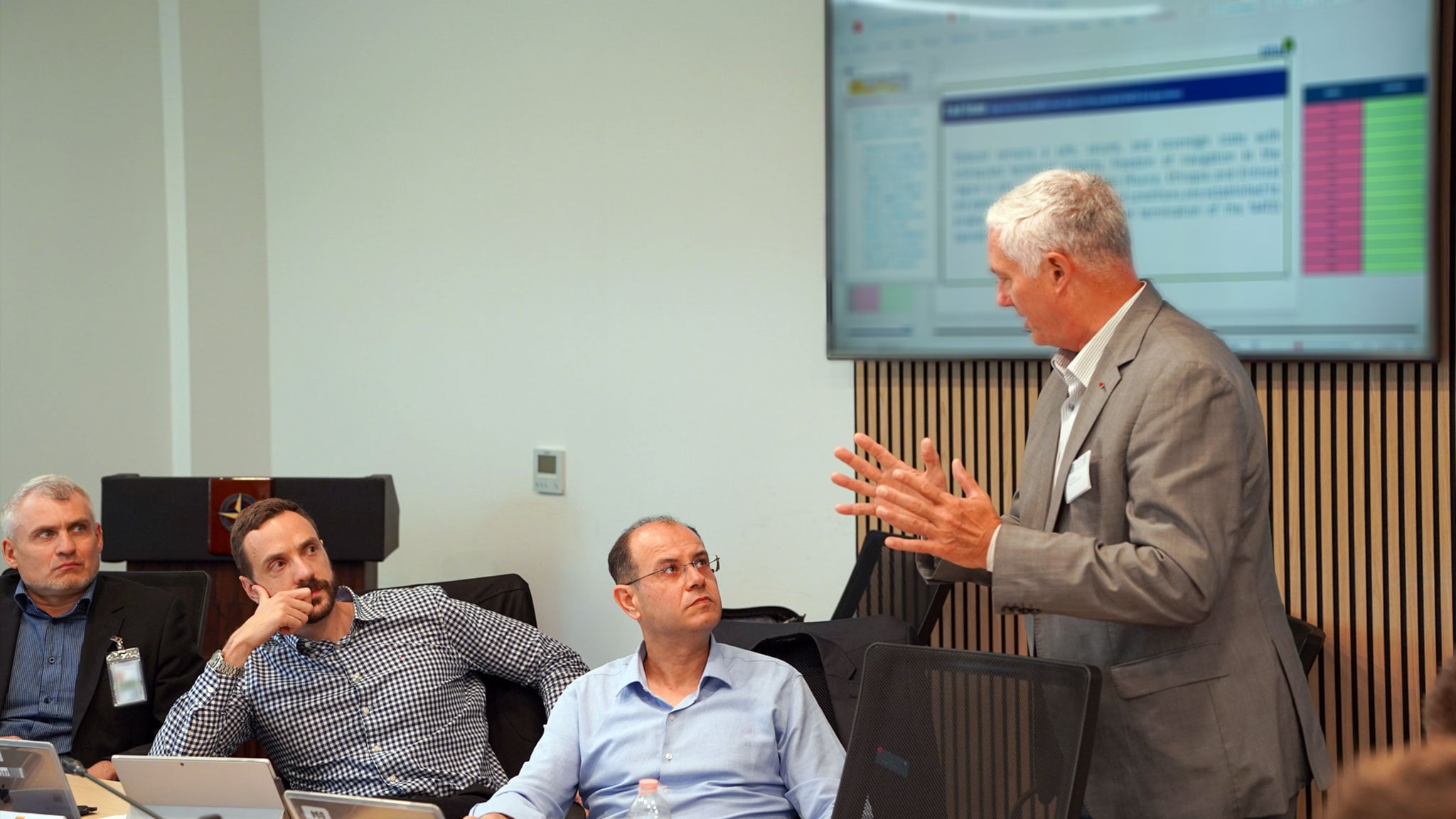
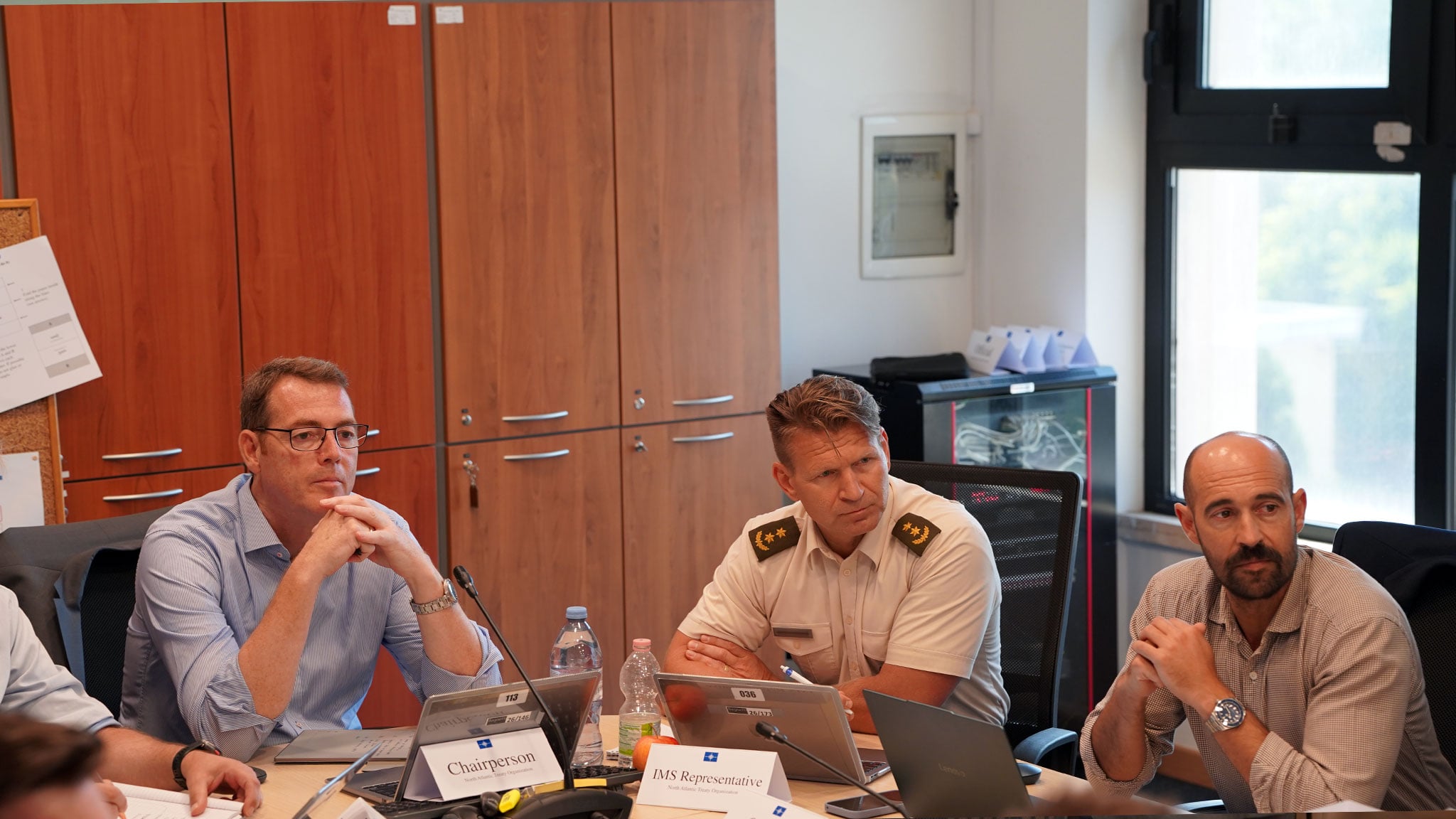
The Negotiation, Mediation and Decision-Making Exercise (NMDX) is the culminating exercise of the NATO Defense College Senior Course. Adapted to reflect the revised NATO Response System (NRS) and today’s complex strategic environment, it simulates the committee structure at the strategic level within NATO Headquarters. Based on a realistic scenario combining historical context and geographic realities with fictitious developments, the exercise presents a non-Article V crisis that may require NATO involvement under Article 51 of the UN Charter at the invitation of a sovereign nation.
Over one week, Course Members assumed the roles of NATO officials and national representatives serving on NATO committees and the North Atlantic Council (NAC). Organized into mixed working groups, they analysed the crisis scenario, developed political-military and strategic options, and worked through negotiation and mediation processes to reach consensus on the desired end state of a complex operation. The exercise reflects NATO’s crisis response and decision-making procedures and closely resembles the dynamics of real-world committee discussions at NATO Headquarters.
The NMDX provides Course Members with a practical understanding of multinational consensus-building, strategic decision-making, and crisis management. It exposes participants to the challenges of reconciling differing national interests, navigating complex negotiation dynamics, and understanding the interpersonal relationships that often shape outcomes at the strategic level. By combining academic learning with realistic practice, the exercise deepens participants’ understanding of NATO’s organization, functioning and decision-making processes in times of crisis.
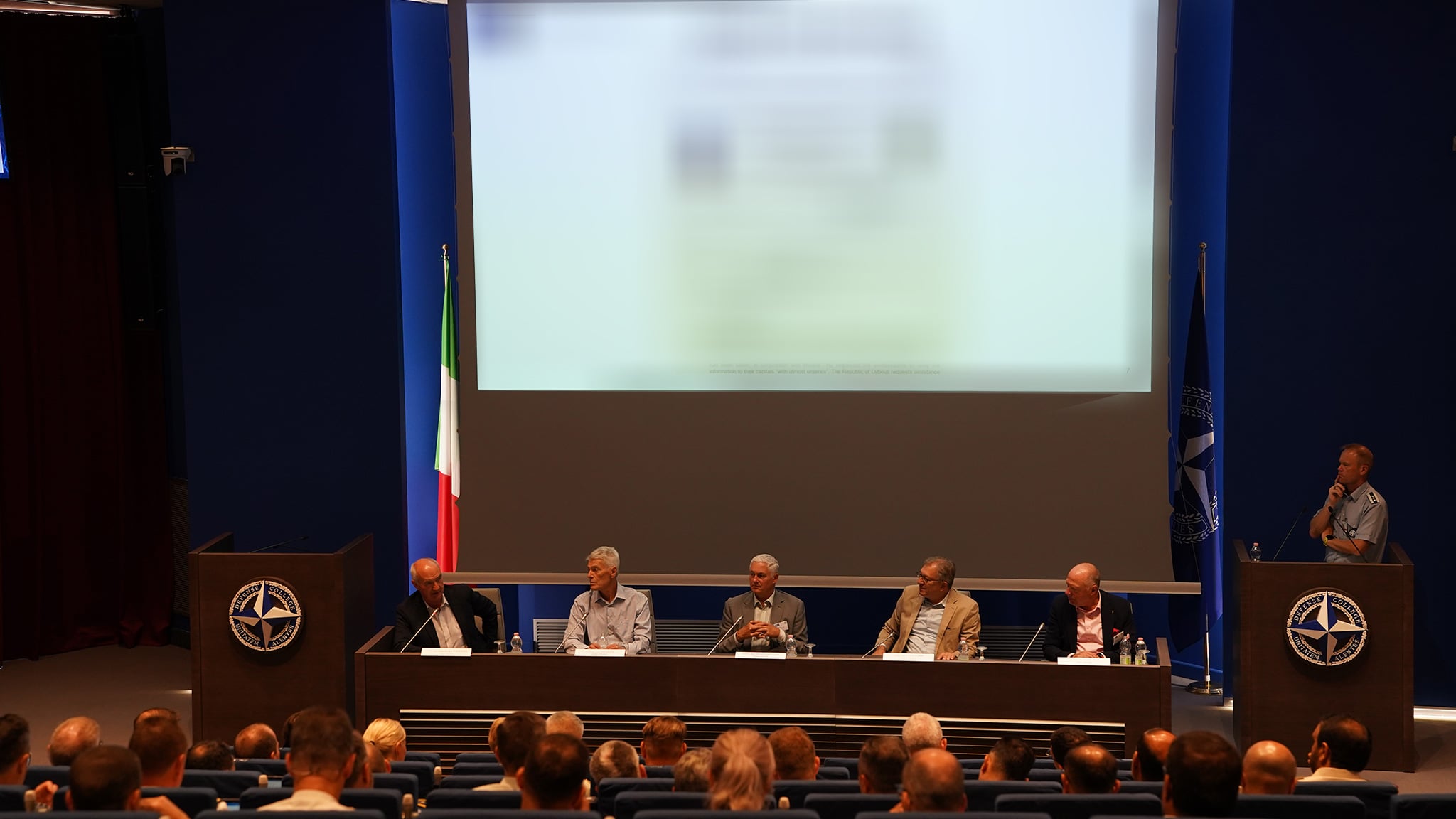
Course Members were mentored throughout the exercise by NATO experts, including Ambassador (Ret.) Tacan Ildem, Lieutenant General (Ret.) Jan Broeks, Lieutenant General (Ret.) Hans-Werner Wiermann, Lieutenant General (Ret.) Michel Yakovleff and Professor Ted Whiteside. As Senior Mentors, they serve as the backbone of the NMDX, bringing credibility and first-hand experience from the highest levels of NATO decision-making. Having navigated complex NATO challenges, shaped strategic decisions, initiated key policies, and signed off on major operational decisions, they provide participants with guidance grounded in a real-world perspective that carries significant weight.
While many Course Members already bring with them substantial international expertise, learning from mentors who have operated within NATO’s strategic environment provides invaluable insights. The Senior Mentors actively challenge participants’ decisions, identify areas for improvement, and draw on their own experience to guide Course Members through the NAC-level decision-making process that the NMDX is designed to simulate.
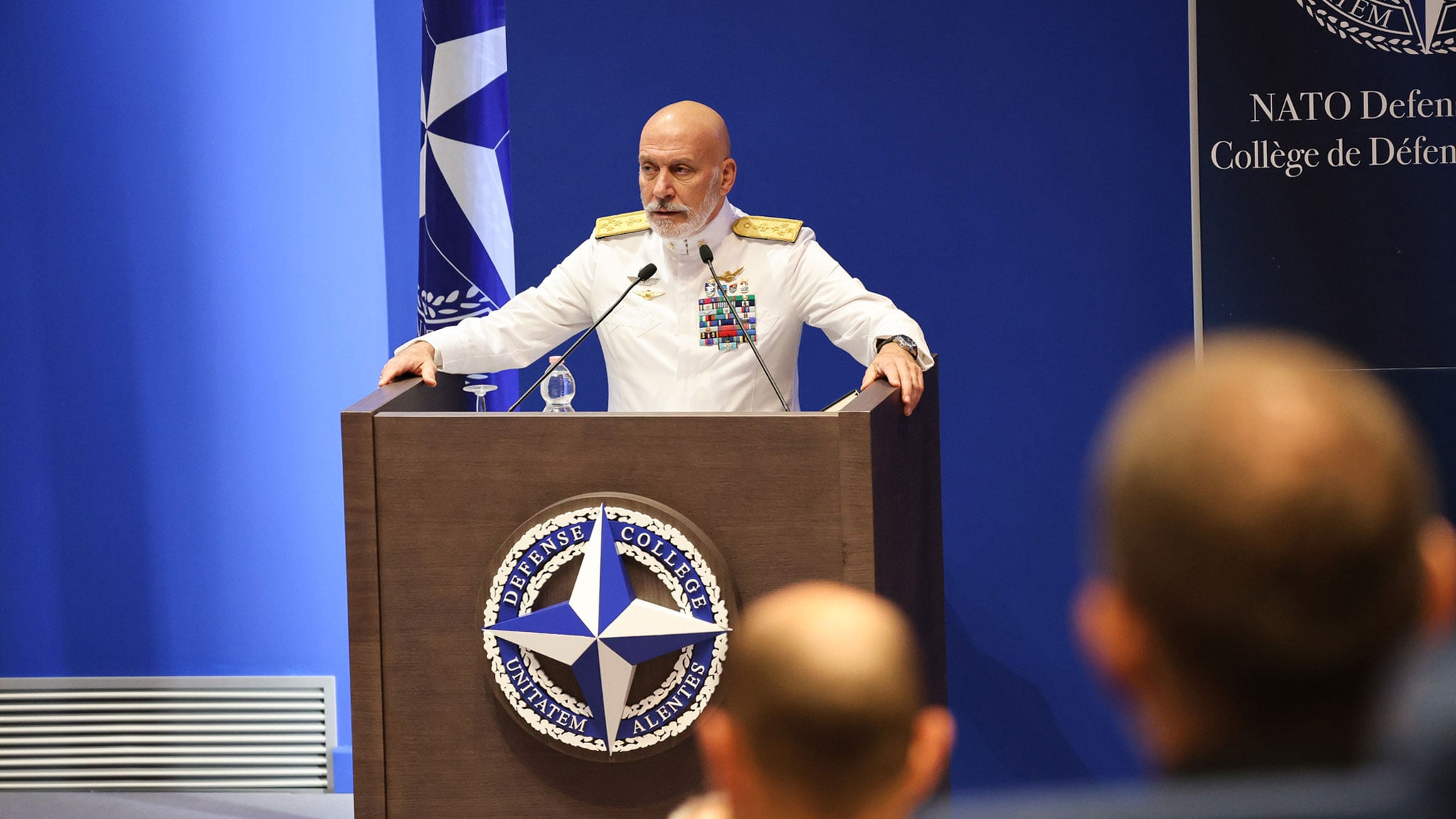
Just before the NMDX, Senior Course 148 had the opportunity to engage with the Chair of the NATO Military Committee (CMC), Admiral Giuseppe Cavo Dragone, who provided a unique perspective on leadership, strategic decision-making and the realities of operating within the Alliance. Drawing on his extensive experience and his current role as CMC – one of the senior roles simulated by Course Members during the exercise – Admiral Cavo Dragone highlighted the complexities and responsibilities involved in providing military advice at the highest level of the Alliance, setting the tone for the week ahead.
The CMC emphasized that NATO remains a political-military Alliance and that, when the political leaders of 32 nations need to determine what is militarily sound, possible and wise, they rely on the unfettered military advice provided by the Military Committee. Reflecting on his experience as Chair, Admiral Cavo Dragone noted that the differences among Allies can make consensus highly challenging, but that these same differences make consensus even more meaningful and powerful: 32 sovereign nations choosing, every time, to act together. This ability to unite diverse viewpoints around common decisions, he underlined, remains one of NATO’s greatest strengths.
The success of this NMDX iteration underscores the value of immersive, scenario-based learning in preparing participants for the realities of NATO decision-making. By integrating the Alliance’s crisis response procedures into a realistic and dynamic exercise environment, the updated format – fully implemented this January – offered a practical understanding of the challenges of consensus-building and strategic leadership in a complex political-military context. Ultimately, the continuous evolution of the NDC curriculum is key to fulfilling the College’s mission to develop leaders who can bring together diverse perspectives, foster consensus, and contribute to the effectiveness and cohesion of the Alliance.
NDC Public Affairs Office
(Prepared by Ms Britt Melinga, NLD C)

 NATO Defense College