
From Monday 4 May to Friday 8 May 2026, the NATO Defense College (NDC) conducted the Generals, Flag Officers and Ambassadors’ Course (GFOAC). This high-level Course hosted 73 participants from Allies, the Mediterranean Dialogue and other selected partners across the globe. The Course is designed to enhance the participants’ understanding of current politico-military issues affecting the Alliance, while fostering mutual understanding and promoting networking among participants.
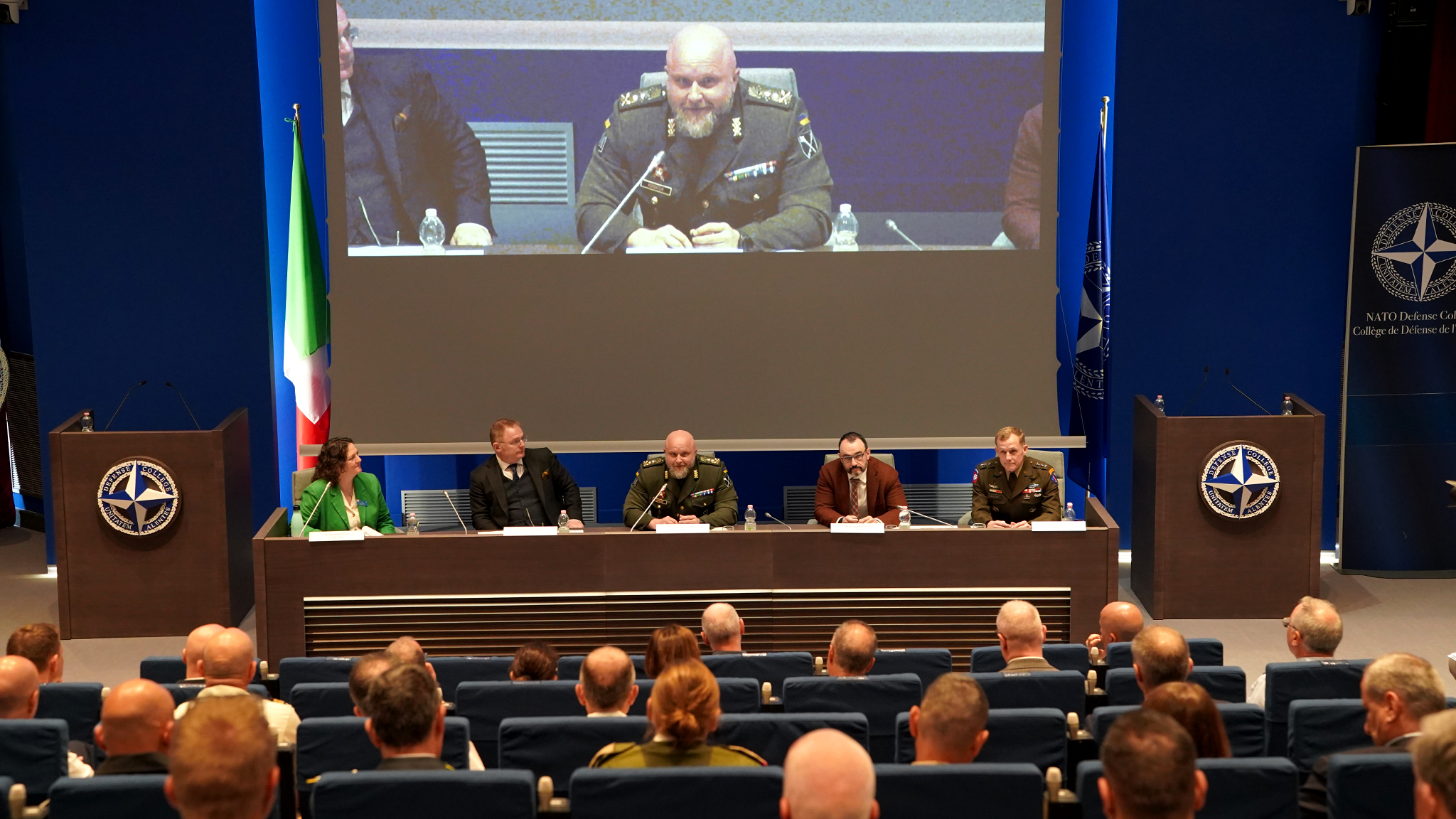
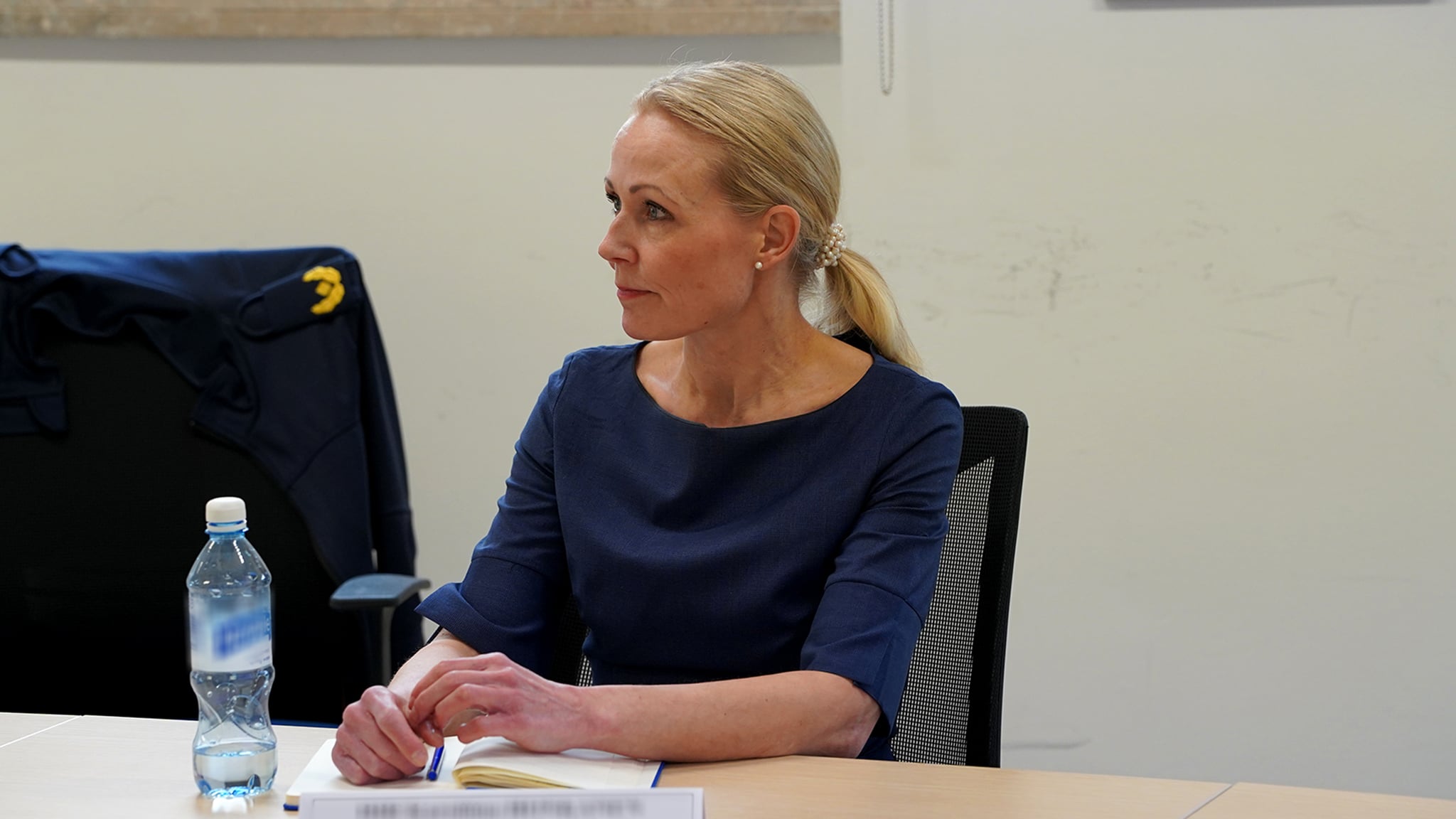
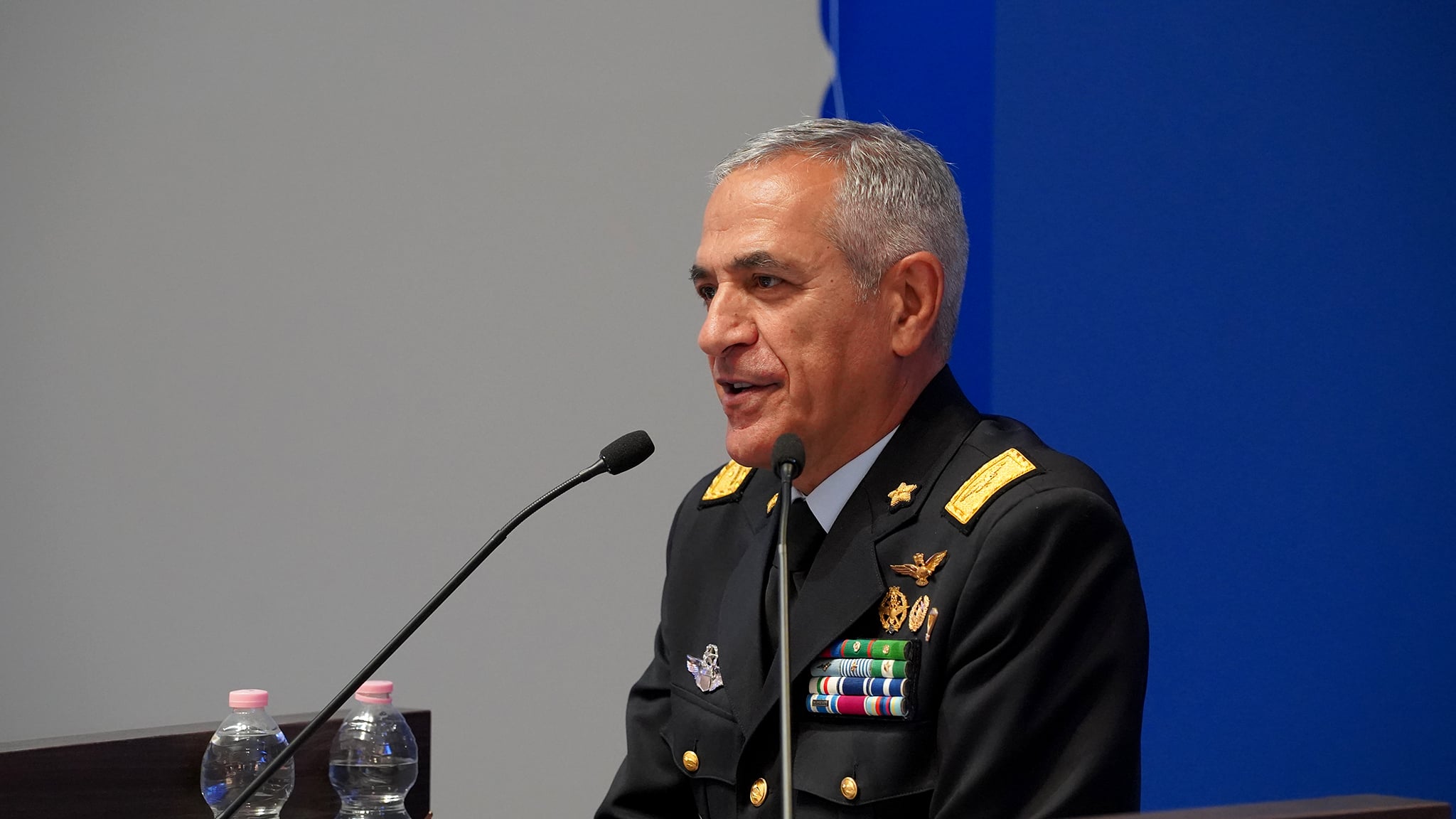
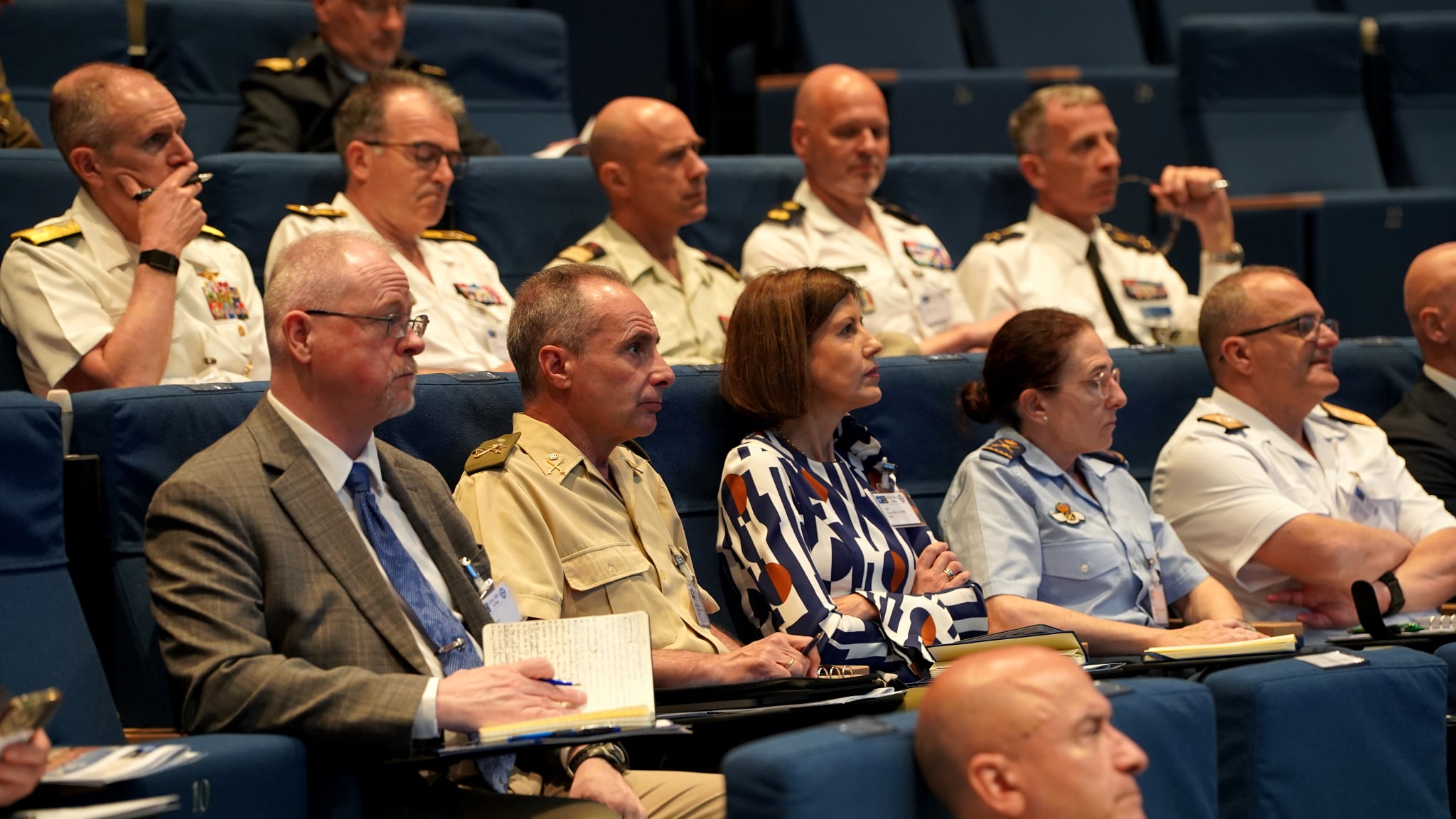
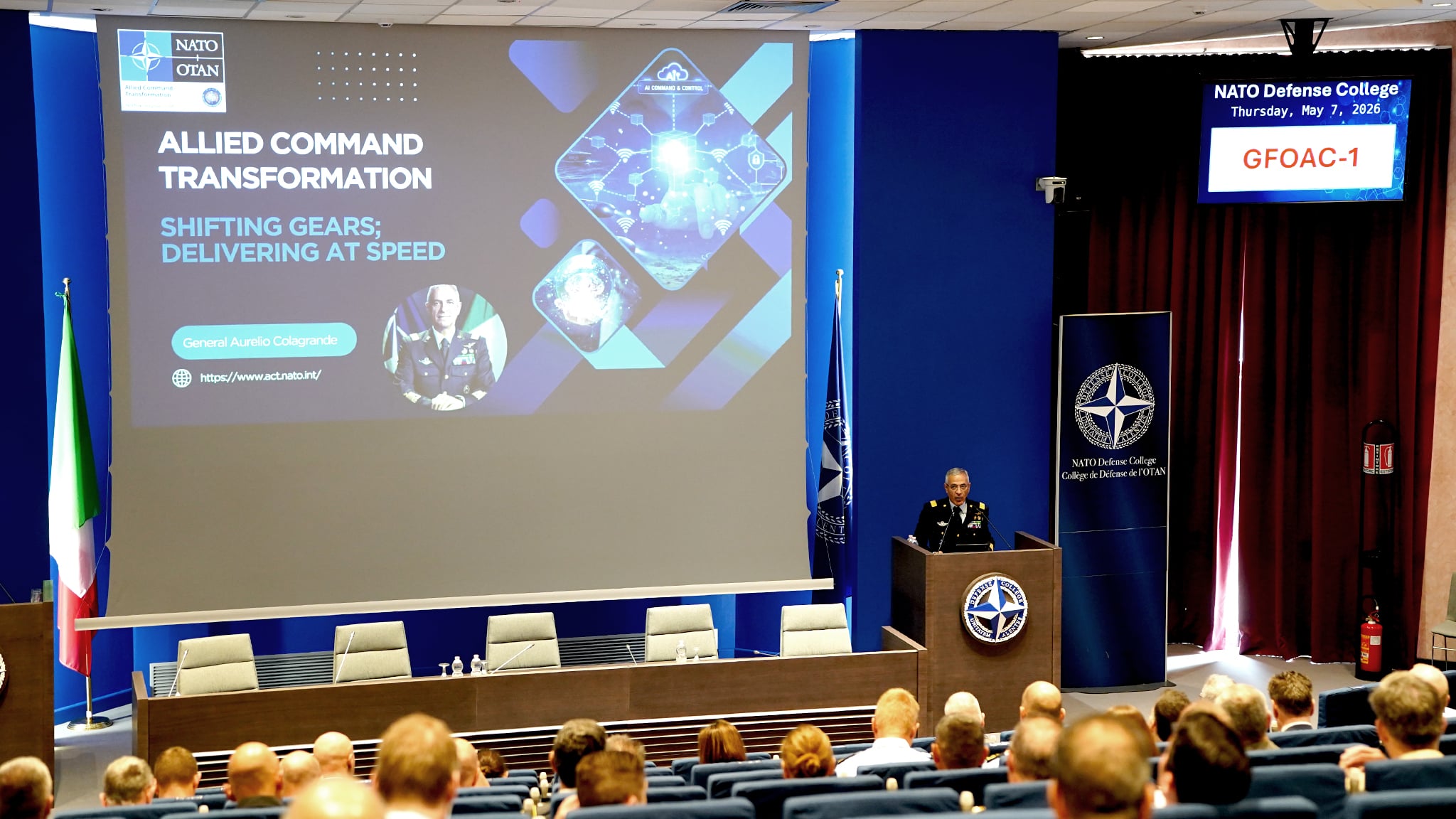
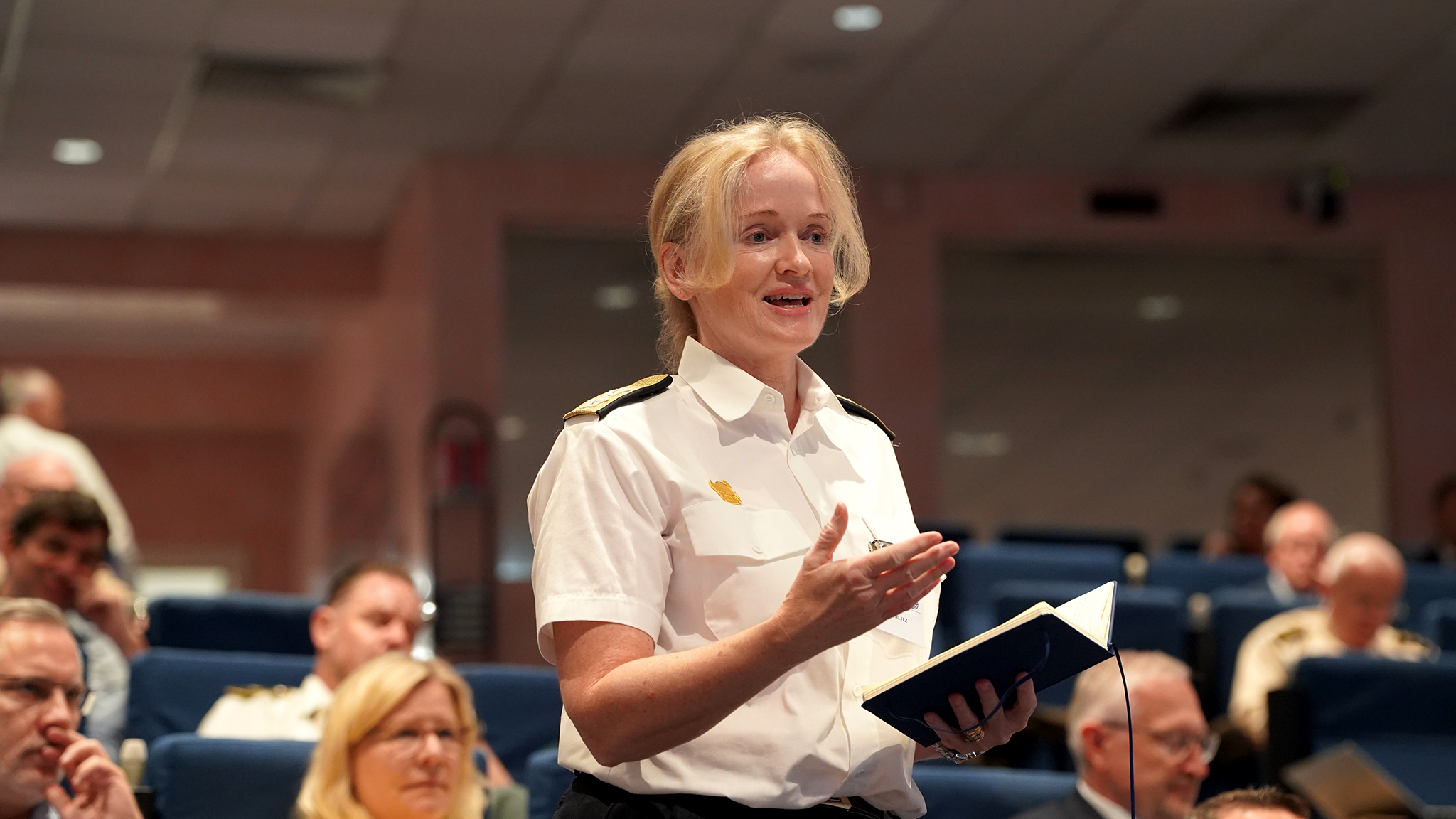
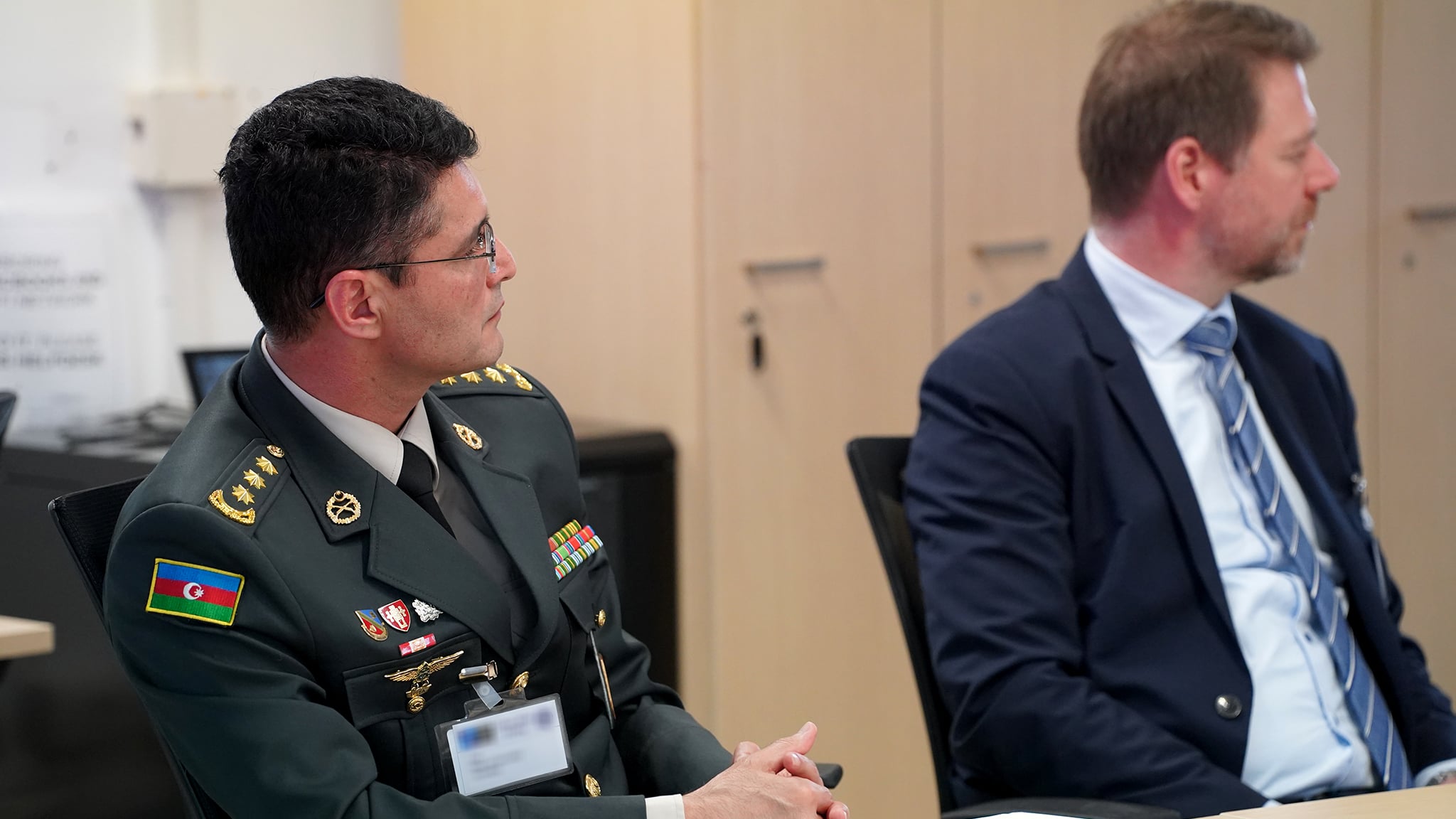
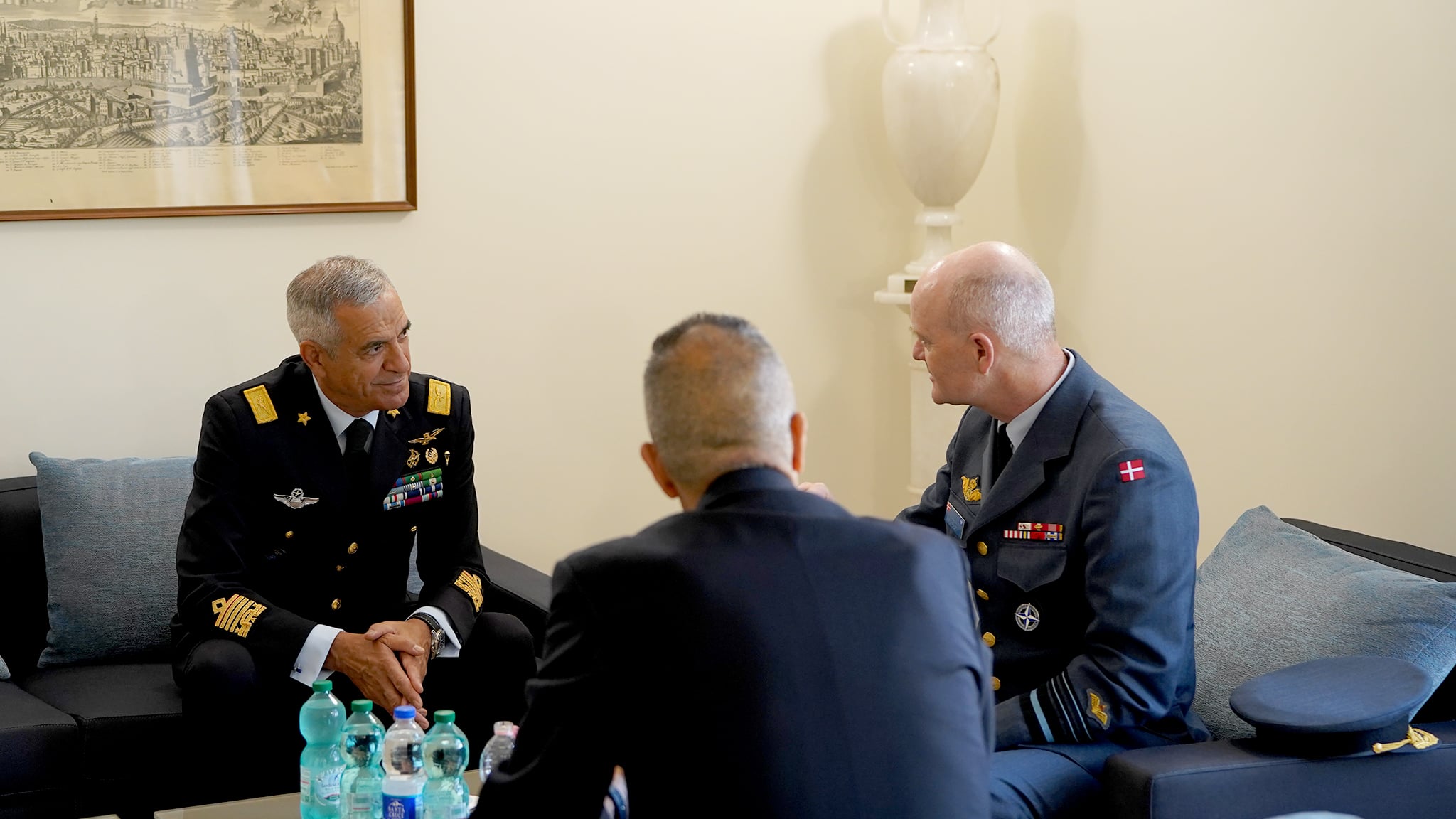
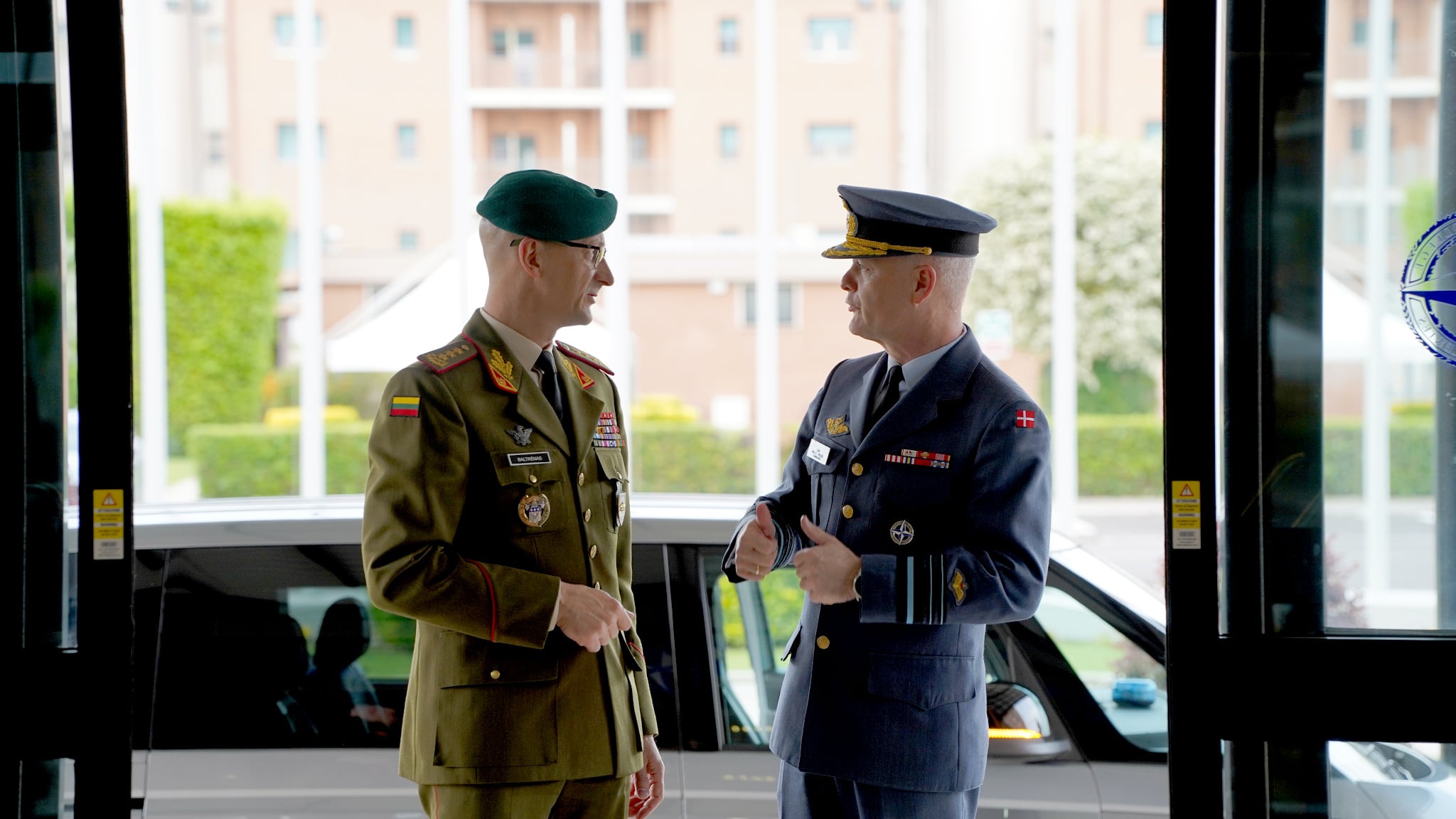
Throughout the week, the demanding programme featured keynote speeches, lectures and panel discussions with subject-matter experts. It followed a three-phase format, beginning with the introduction of topics through lectures or guided questions in moderated sessions, continuing with in-depth exploration through question-and-answer exchanges with speakers, and concluding with committee discussions among participants, consolidating the main themes of the day.
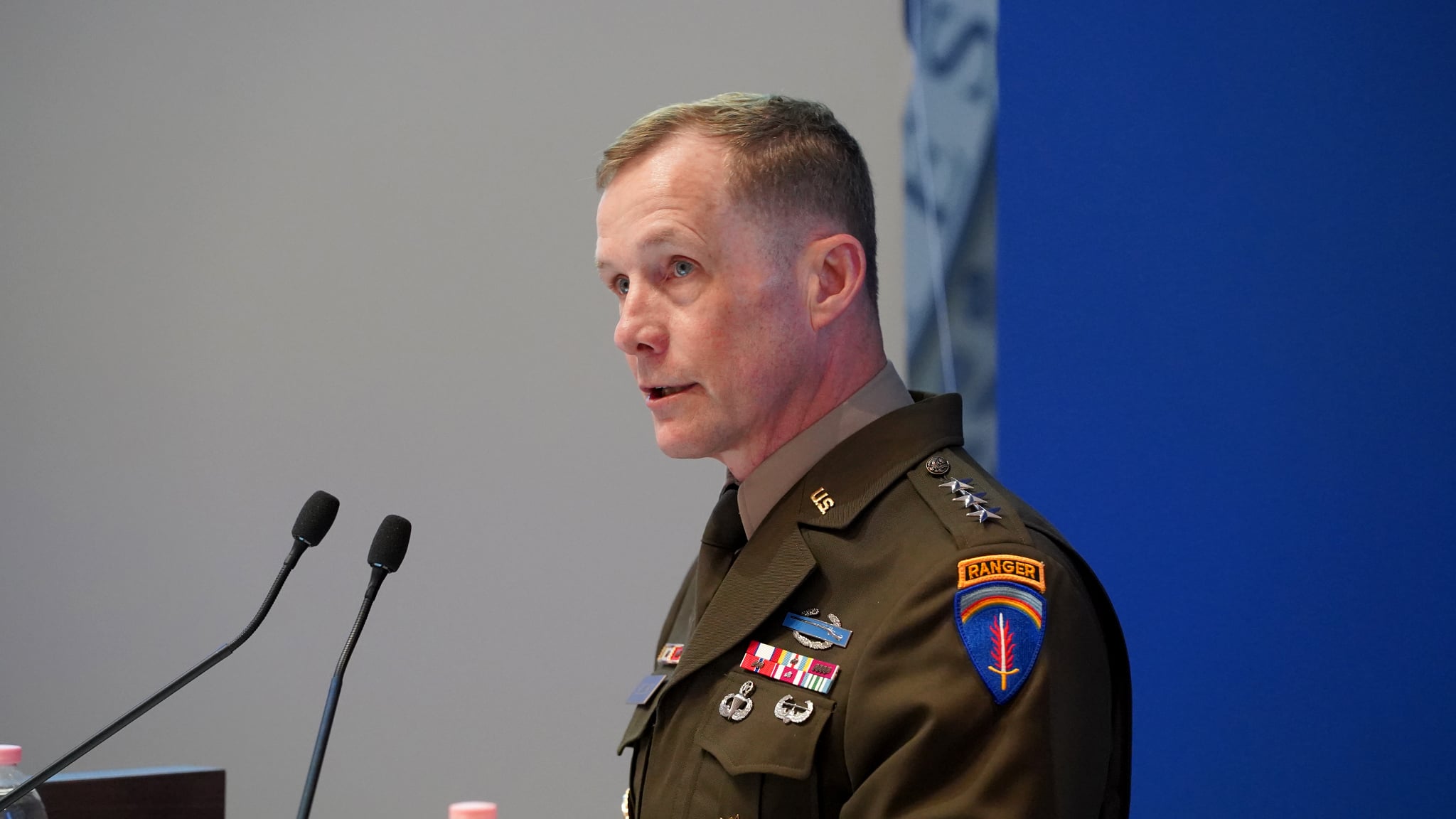
The five-day Course was structured around a series of thematic discussions, opening with two panels on NATO’s most pressing challenges: Russia in the context of the war in Ukraine, and the Alliance’s current deterrence and defence posture. These discussions were reinforced by a keynote address on NATO activities in support of Ukraine, delivered by Lieutenant General Curtis Buzzard, Commander of the NATO Security Assistance and Training for Ukraine command, who set the tone for the Course’s strategic focus:
“Ukraine’s resilience in the face of Russia’s aggression is extraordinary, and it carries a message for every Ally and partner: we must learn from this war as fast as Ukraine is fighting it. Ukraine is offering us unprecedented insight into modern, multi-domain conflict – from industrial‑scale warfare to unmanned systems, electronic warfare and societal resilience. As I noted in my remarks, ‘Ukraine is not only fighting for its own survival. It is showing us the future of warfare.’ Their adaptability and will to endure should drive our own. NATO’s support remains essential, not only to help Ukraine defend itself, but to ensure the Alliance evolves with the character of modern conflict. This is a moment for collective learning, collective action, and collective resolve – because Ukraine’s fight is shaping the security of the entire Euro‑Atlantic area.”
After examining the transatlantic link and China as a strategic competitor, the programme moved on to the multifaceted challenges in the High North and the Southern Neighbourhood. Participants explored the growing impact of hybrid threats and cognitive warfare on the Alliance’s security landscape, as well as the evolving nature of NATO’s partnerships and their continued importance as a cornerstone of collective security.
Deputy Supreme Allied Commander Transformation General Aurelio Colagrande delivered a keynote address on the work of Allied Command Transformation. Subsequent lectures and discussions addressed rapid battlefield-driven technological change and the growing importance of societal resilience across the Alliance. General Colagrande emphasized: “In this environment, the Alliance’s credibility rests not only on what we have in our militaries today, but on how quickly we can learn, adjust and adapt. That is why this particular audience really matters to us. Generals and Flag Officers turn intent into readiness. Ambassadors sustain political cohesion and the long-term commitment that readiness requires”.
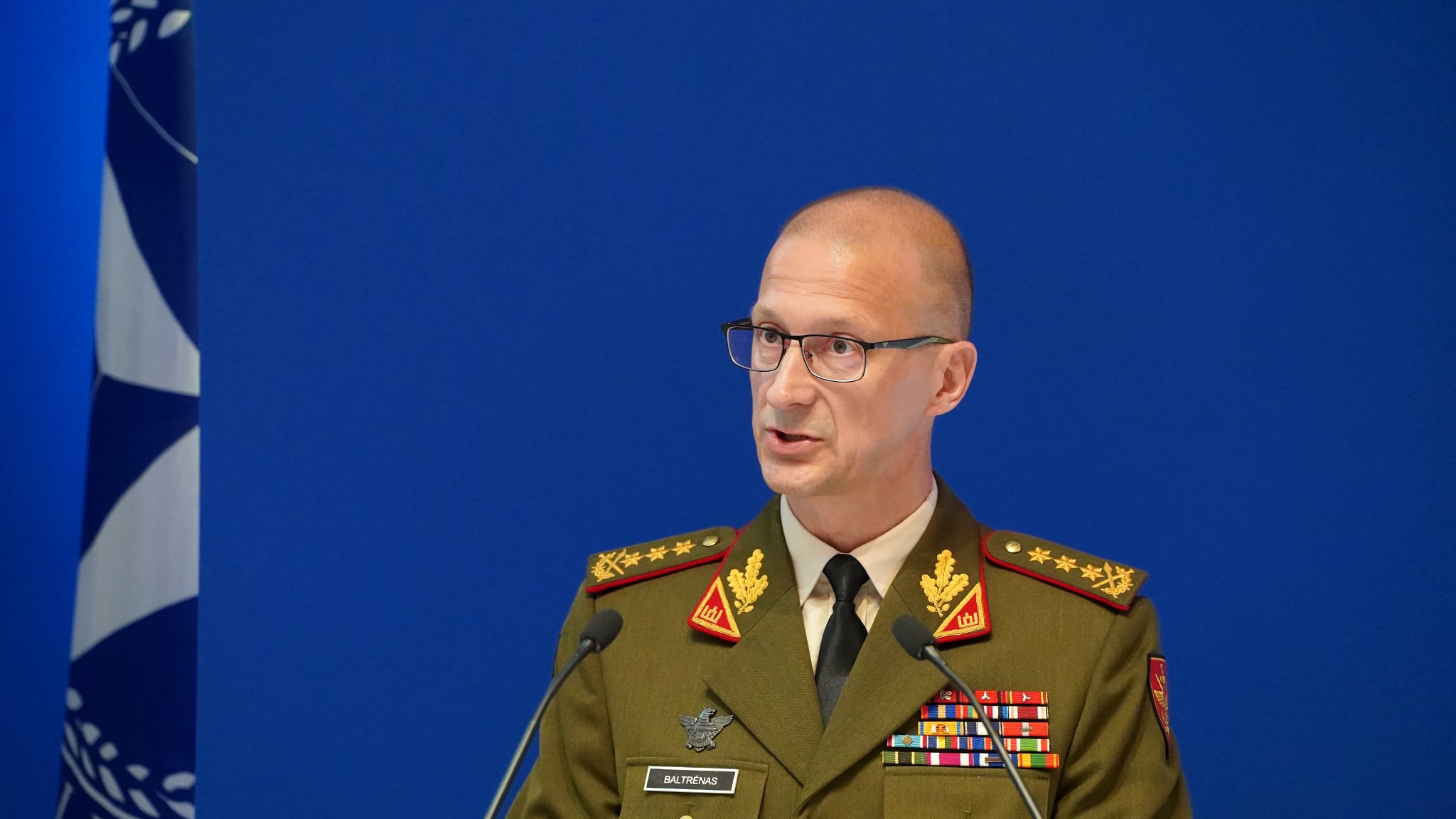
The Director General of the Military Staff (DGIMS), Lieutenant General Remigijus Baltrėnas, delivered the final keynote address of the Course. GFOAC 2026-1 concluded with a session on NATO’s relationship with the defence industry, underlining the importance of innovation and cooperation in delivering the capabilities required in a rapidly evolving security environment. In his address, DGIMS highlighted: “NATO’s partnerships will remain one of the Alliance’s greatest strategic advantages in the years ahead. Through structured partnerships with non-member states and international organisations, NATO strengthens stability, builds resilience, and enhances collective security.”
“NATO’s strength ultimately rests on the cohesion and trust that bind Allies and partners together. I hope this week has contributed, however modestly, to reinforcing those bonds.” – NDC Commandant Lieutenant General Max A.L.T. Nielsen. Overall, GFOAC 2026-1 offered participants a unique opportunity for high-level dialogue among NATO and partner nations. Conducted under the Chatham House Rule, the Course facilitated open and candid exchanges on how NATO needs to adapt and evolve in response to the current security environment.
NDC Public Affairs Office
(Prepared by Ms Britt Melinga, NLD C)

 Collège de Défense de l'OTAN