

From 15 to 26 March 2026, the NATO Defense College’s Senior Course 148 embarked on its inaugural Field Study across Europe. The programme offered the 81 officers, civilians, and diplomats first-hand insights into the Alliance’s strategic priorities within the rapidly shifting security environment.


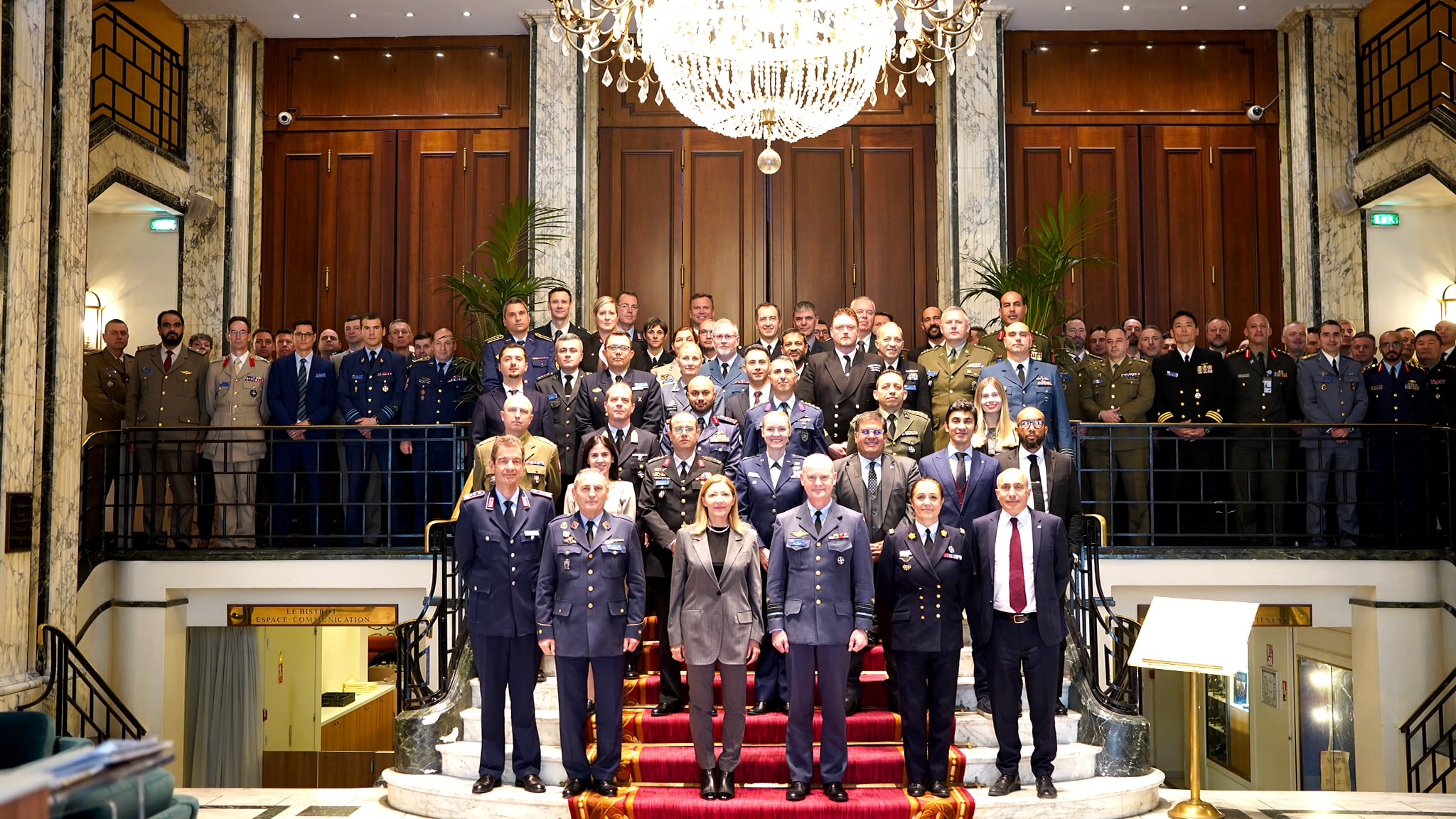

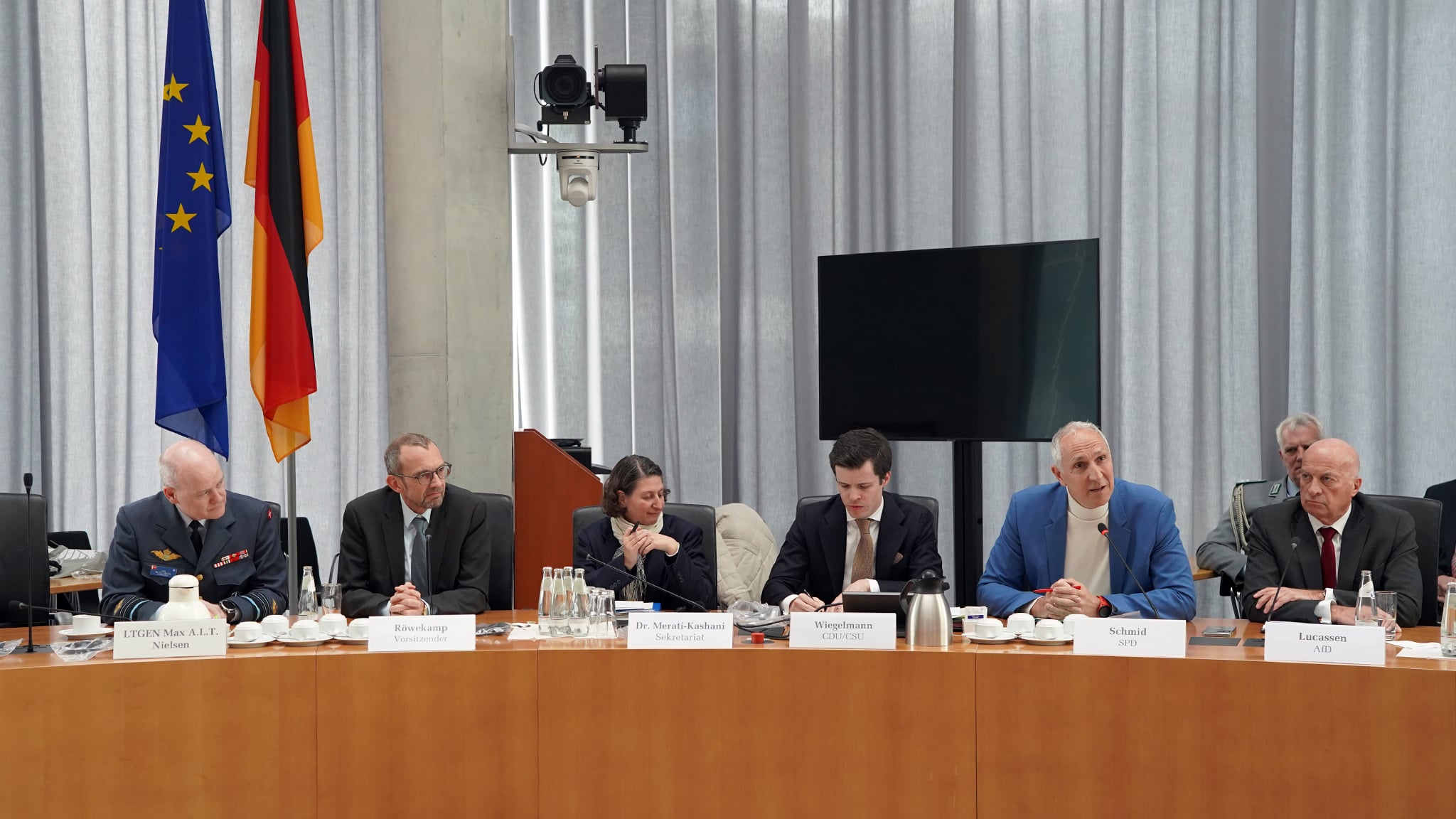
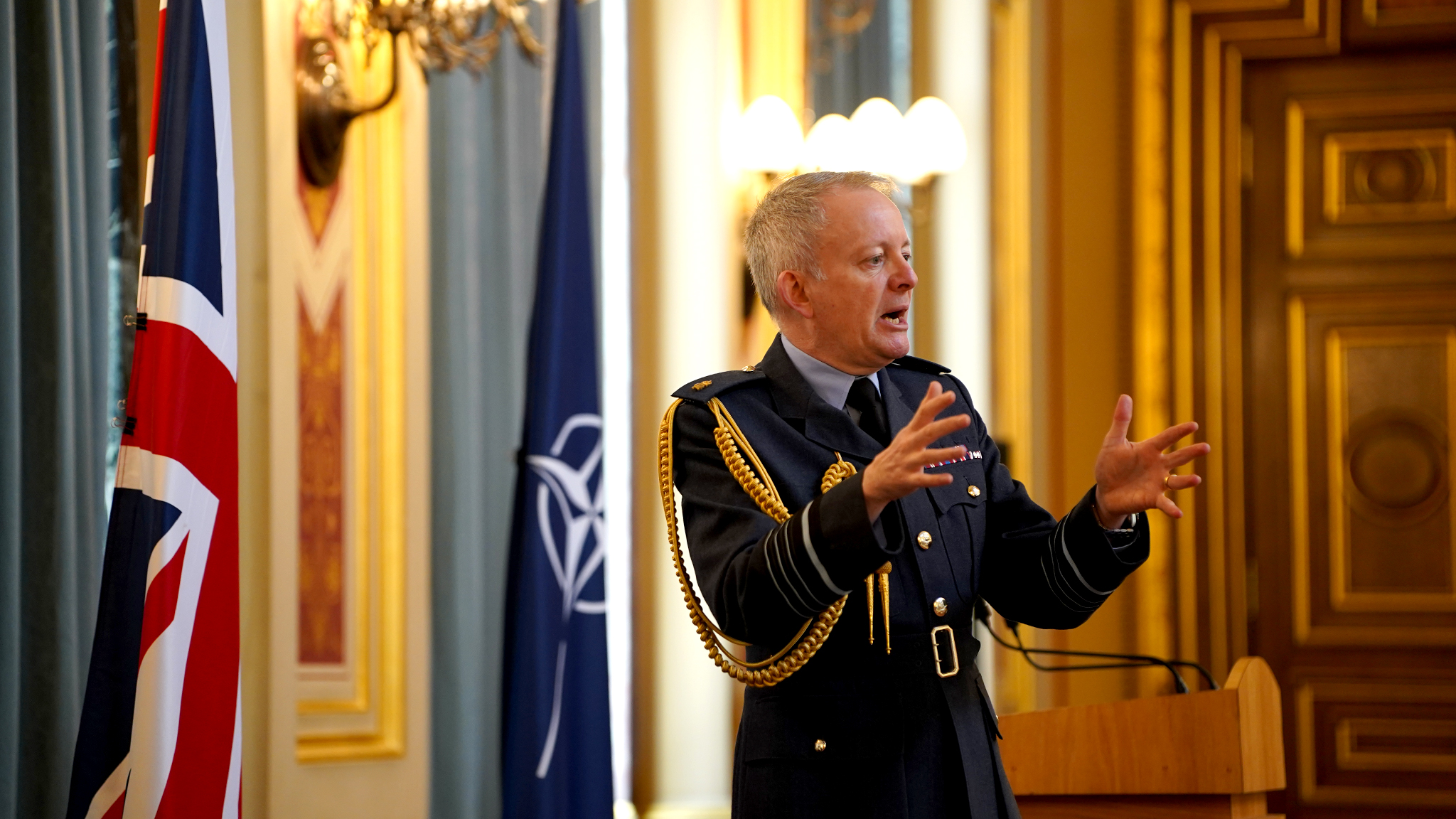
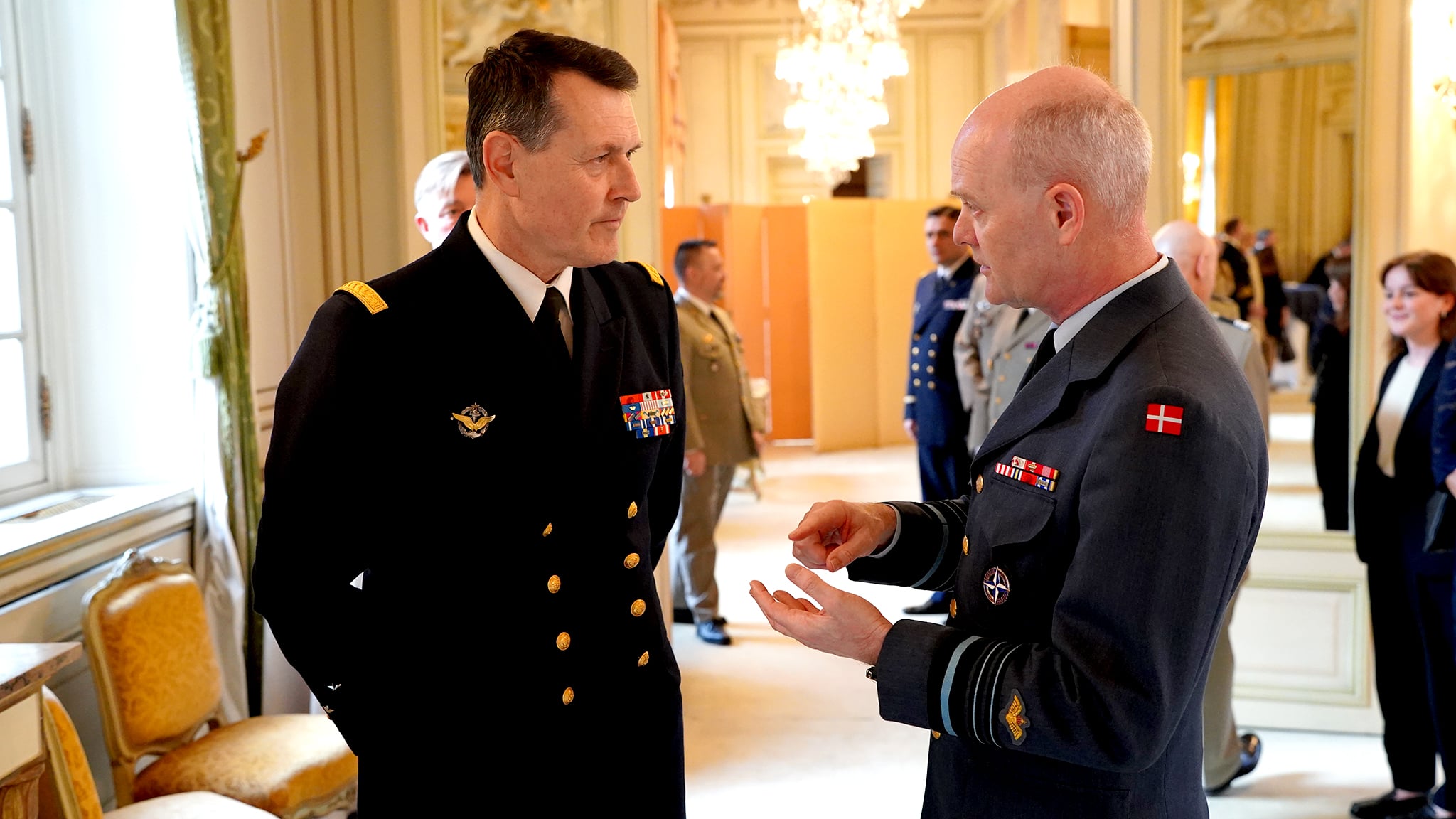
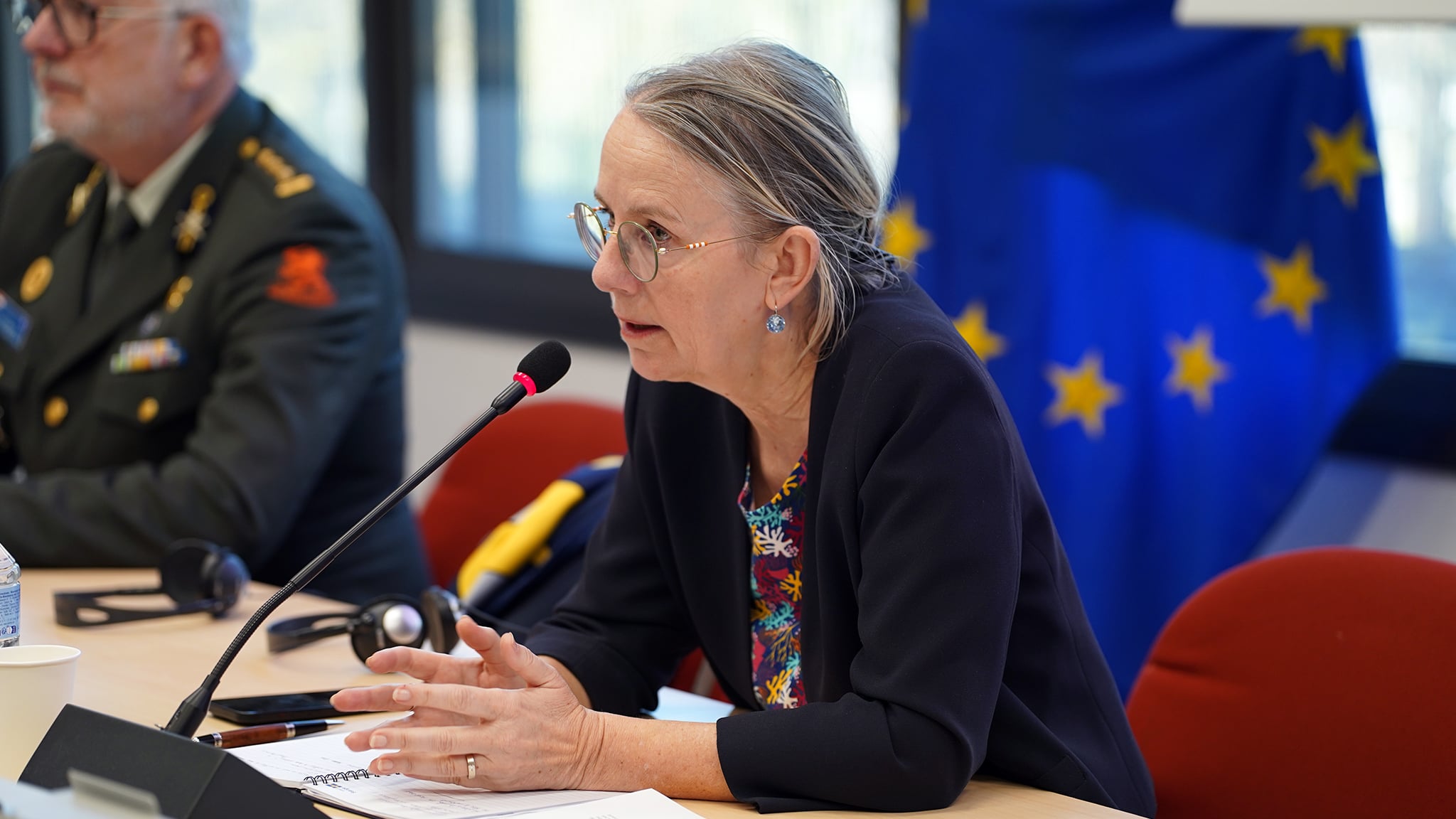
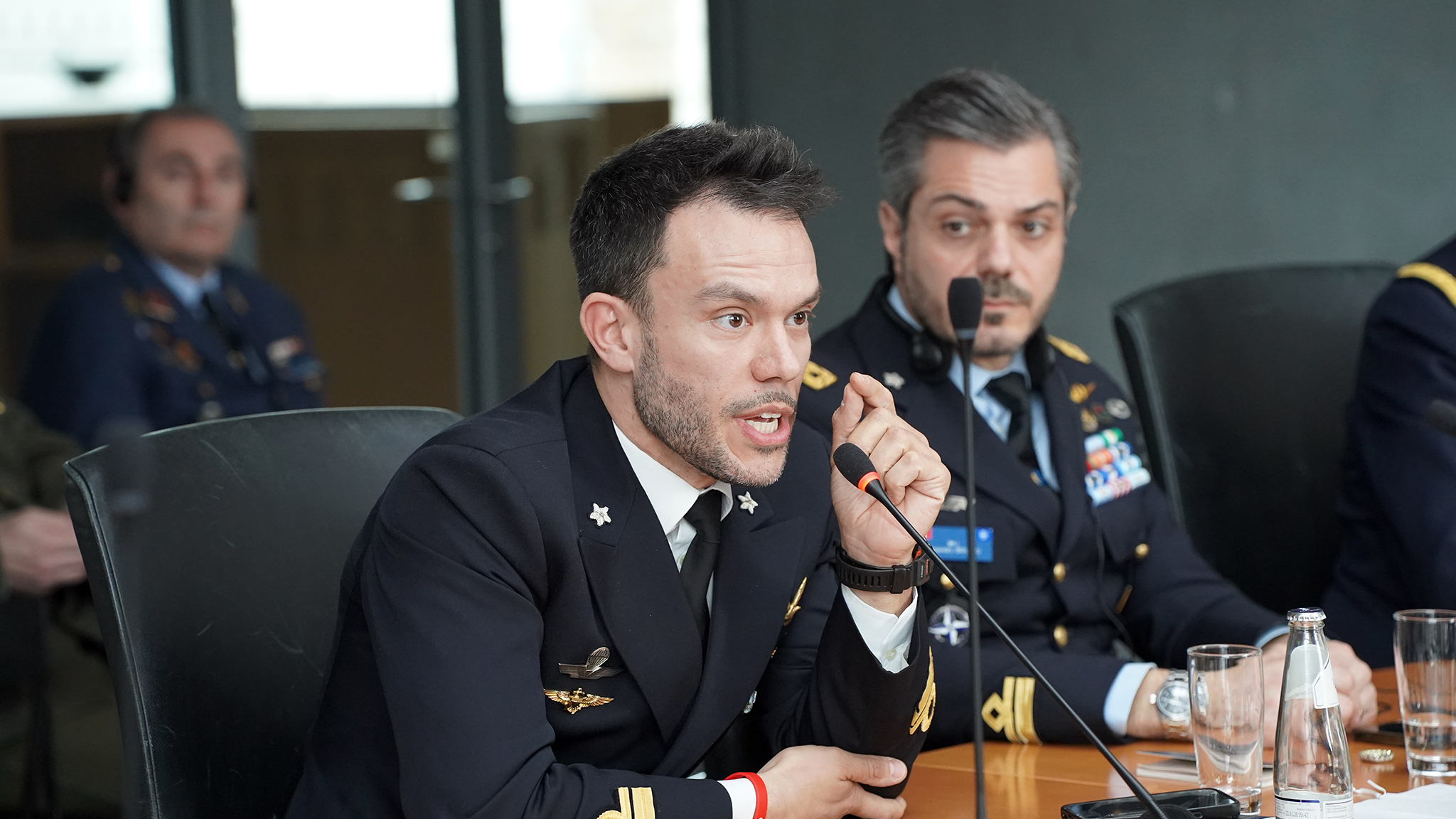
Through in-depth briefings and direct engagement with military and political leaders at key NATO and national institutions, participants analyzed the most pressing challenges currently facing Euro-Atlantic security.
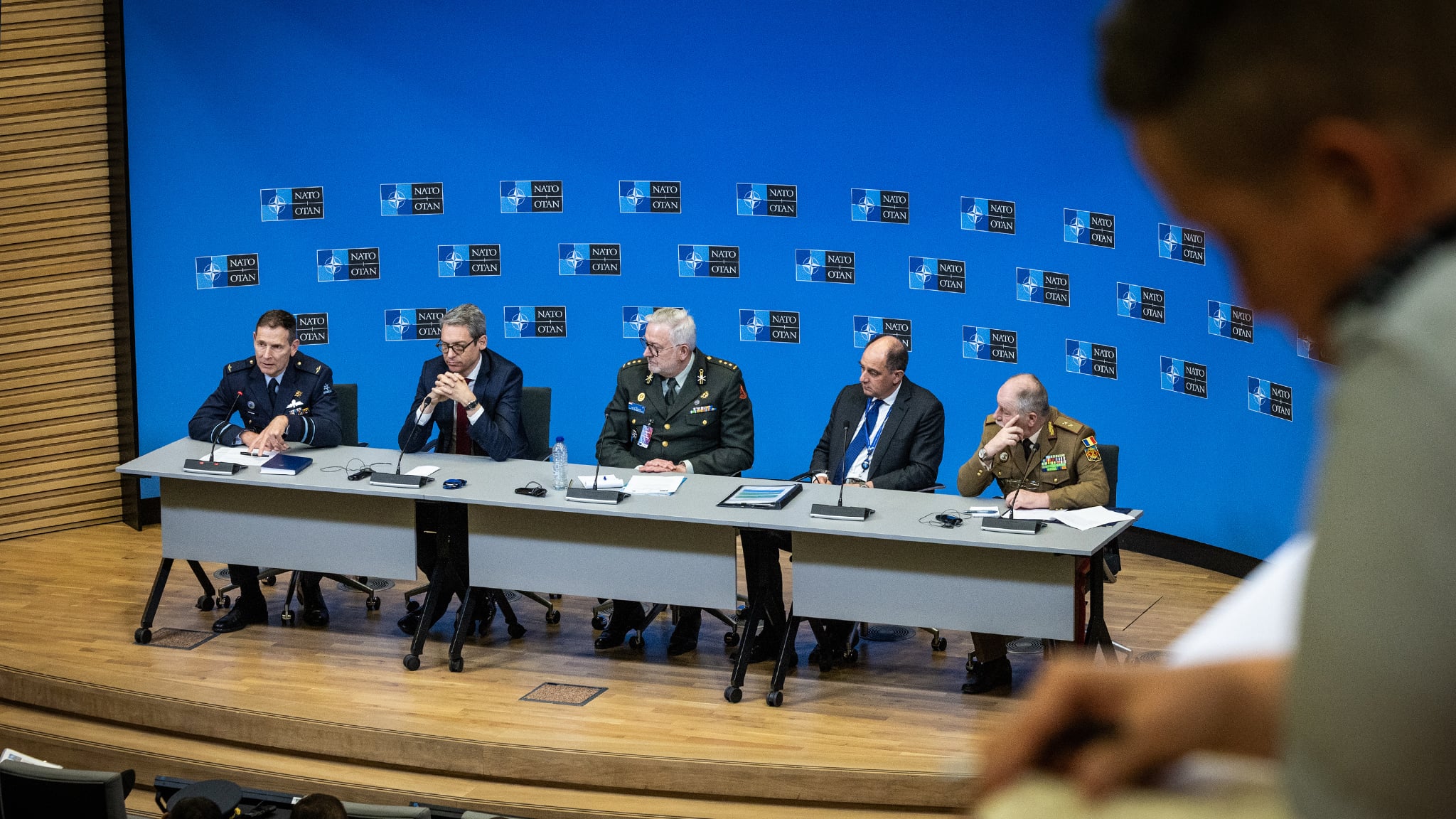
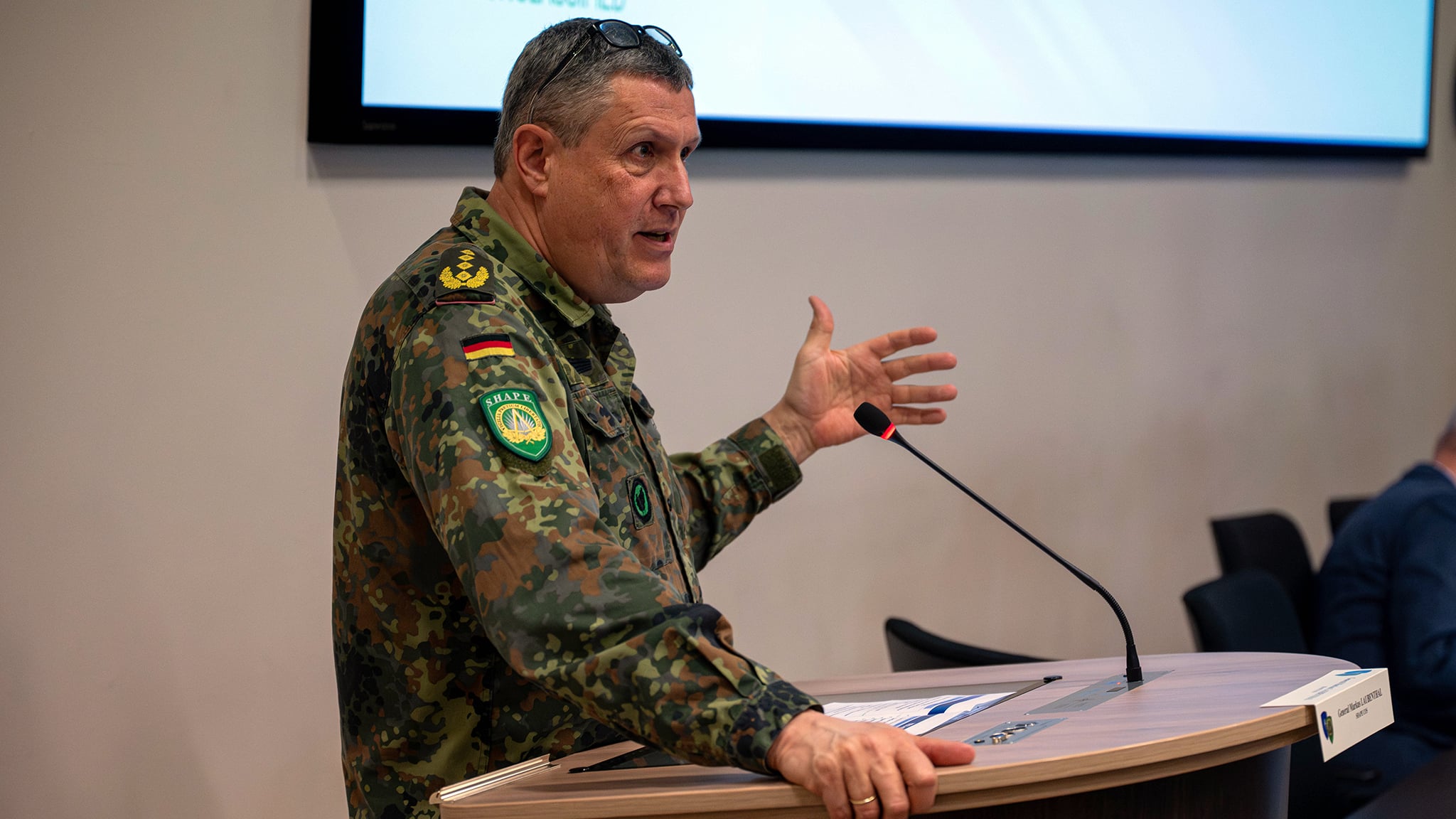
Discussions at NATO Headquarters and Supreme Headquarters Allied Powers Europe (SHAPE) in Brussels at the outset of the Field Study underscored the Alliance’s commitment to its core task: collective defence. Briefings addressed the fast adaptation of military capabilities, a renewed emphasis on conventional and nuclear deterrence, and the implementation of the Deterrence and Defence of the Euro-Atlantic Area (DDA) concept. Operationalized through the DDA Family of Plans, this framework forms the foundation of NATO’s comprehensive, 360-degree approach to protecting Allied territory.
As an integral part of the curriculum, Couse Members had direct engagement with SHAPE, NATO’s Strategic Warfighting Headquarters, and gained vital insights into the Alliance’s operational priorities. To reflect the current security environment, the NDC continues to integrate the DDA concept more deeply into its academic curriculum, ensuring research and education align with the Alliance’s strategic transformation.
Continuing through Brussels, London, Paris, and Berlin, the Field Study further demonstrated how national defence policies are evolving in line with the Defence Investment Pledge reaffirmed at the 2025 NATO Summit in The Hague. Allies are increasing spending to enhance readiness across multi-domain operations, spanning the land, air, maritime, cyber, and space domains. To support this, the Allies are prioritizing interoperability, information sharing, and joint procurement as one of the core pillars of a stronger European presence within NATO.
A review of national strategies forms a key part of the Field Study. The extensive discussions highlighted diverse regional priorities, such as Belgium’s commitment to regional interoperability through the ‘BeNeLux’ framework, the United Kingdom’s focus on space, cyber, and digital capabilities to bolster whole-of-society resilience, and Germany’s reinforced presence alongside Allies and partners in the MENA and Indo-Pacific regions. Simultaneously, France emphasized the reconstruction of Europe’s security architecture through ‘forward deterrence’ and revitalized reciprocal partnerships. This nuanced understanding of national interests enriched the Course Members’ comprehension of the complex security landscape facing the Alliance. Ultimately, all exchanges reinforced the complementarity of NATO and the European Union.
A consistent theme during all the engagements was the unwavering support for Ukraine, recognized as a critical priority for European security. Discussions emphasized the need for enhanced cooperation among European Allies to ensure sustained military aid and support, with the aim of reinforcing the principle that defending Ukraine means defending Europe. Learning from Ukraine’s experience is also central to understanding the future of warfare, particularly the integration of drones and new technologies. These capabilities are essential for European nations to effectively defend themselves in an increasingly volatile landscape.
A special highlight of the Field Study was participation in the Paris Defence and Strategy Forum, where Course Members engaged with various subject-matter experts and leaders. Now in its third year, this forum enables European strategic thinking to contribute effectively to the broader debate on major security and defence issues. Centred on the theme “Sovereignties, Alliances and Partnerships,” the discussions on European resilience prove more vital than ever.
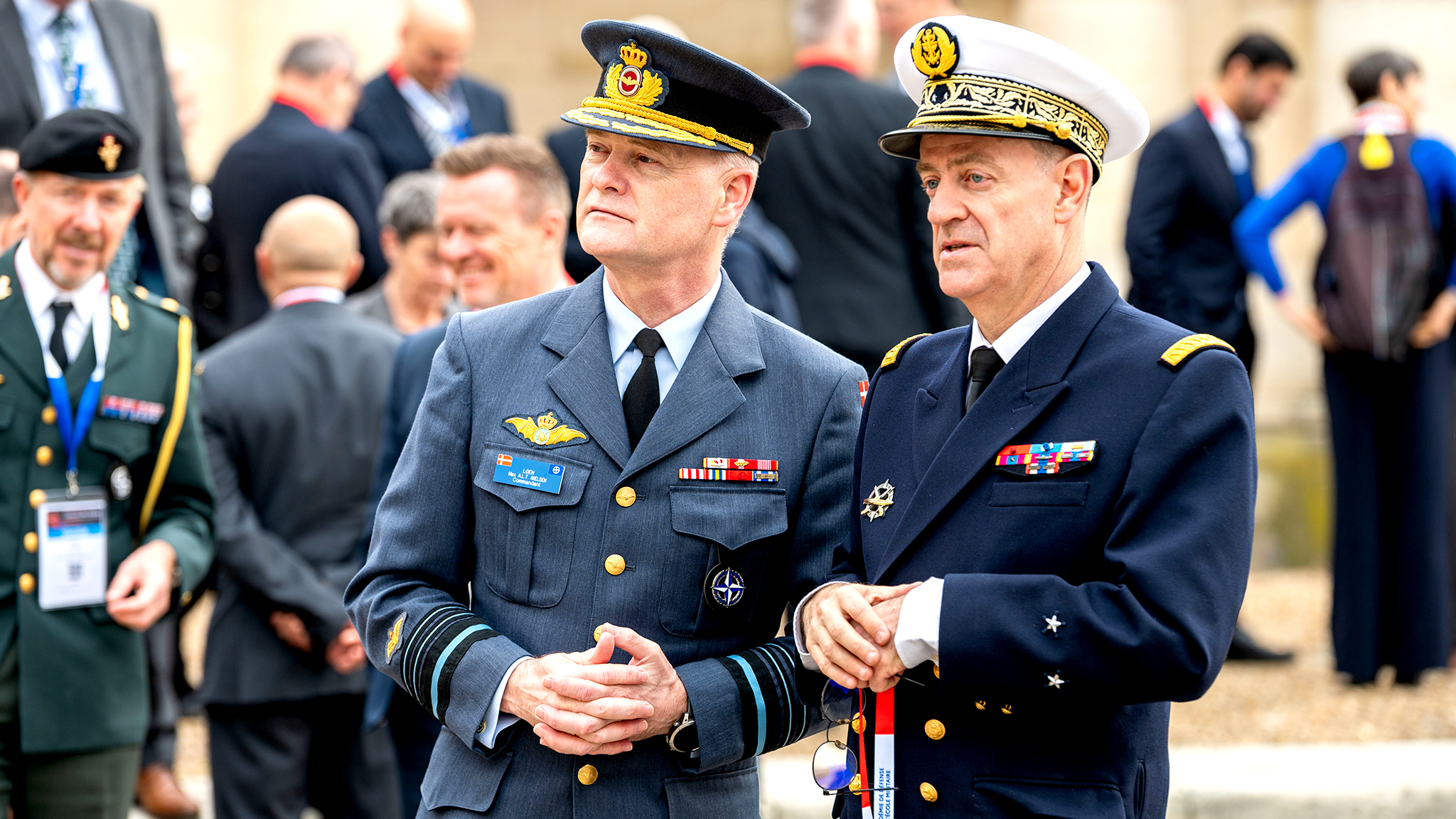
Coinciding with the 75th Anniversary of the NATO Defense College this year, the visit to the forum in Paris held significant historical resonance. The delegation returned to the historic Académie de défense de l’École militaire, the NDC’s original home from 1951 to 1966. This return to the College’s roots served as a testament to its enduring legacy as the Alliance’s leading strategic-level educational and research institution.
Overall, this comprehensive European tour offered Course Members a unique opportunity to examine how national defence policies intersect with NATO’s overarching strategic priorities and contribute to Euro-Atlantic collective defence.
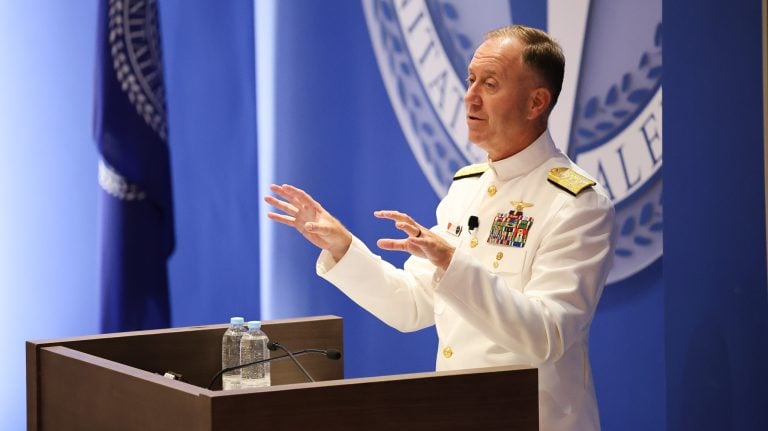
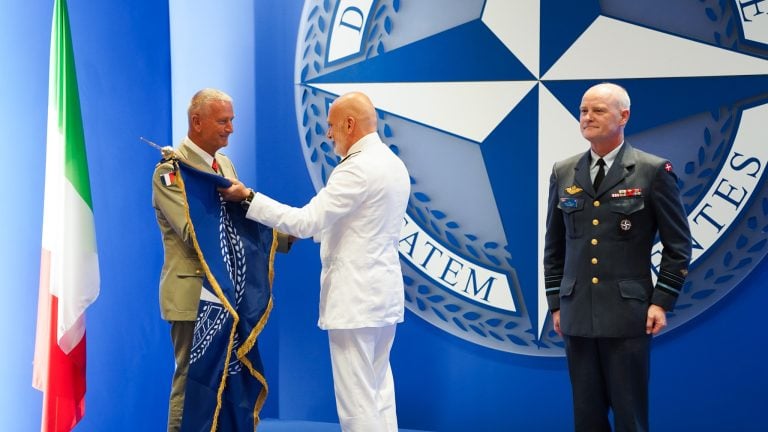
Moreover, the NDC Commandant Lieutenant General Max A.L.T. Nielsen leveraged his final Field Study to engage with key stakeholders of the College by conducting bilateral meetings with counterparts from European and NATO institutions.
NDC Public Affairs Office
(Prepared by Ms Britt Melinga, NLD C)

 NATO Defense College