
From 27 April to 9 May, the NDC’s Senior Course 148 conducted its transatlantic Field Study across Italy, Canada and the United States. Exploring the evolution of the transatlantic bond, this journey also addressed how NATO is adapting to remain fit for purpose in an increasingly contested security landscape, shaped by strategic competition and ever-evolving security threats.
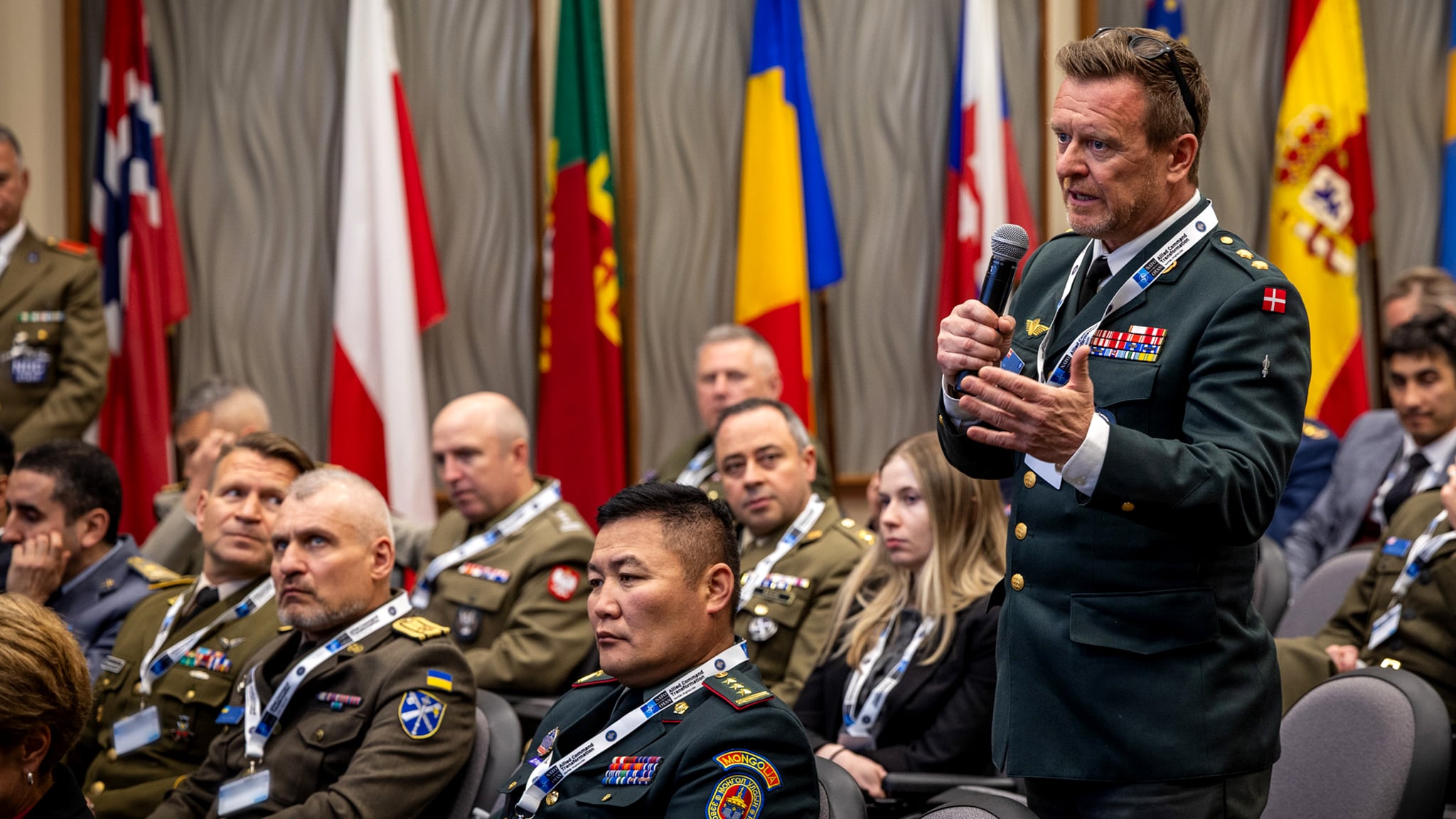
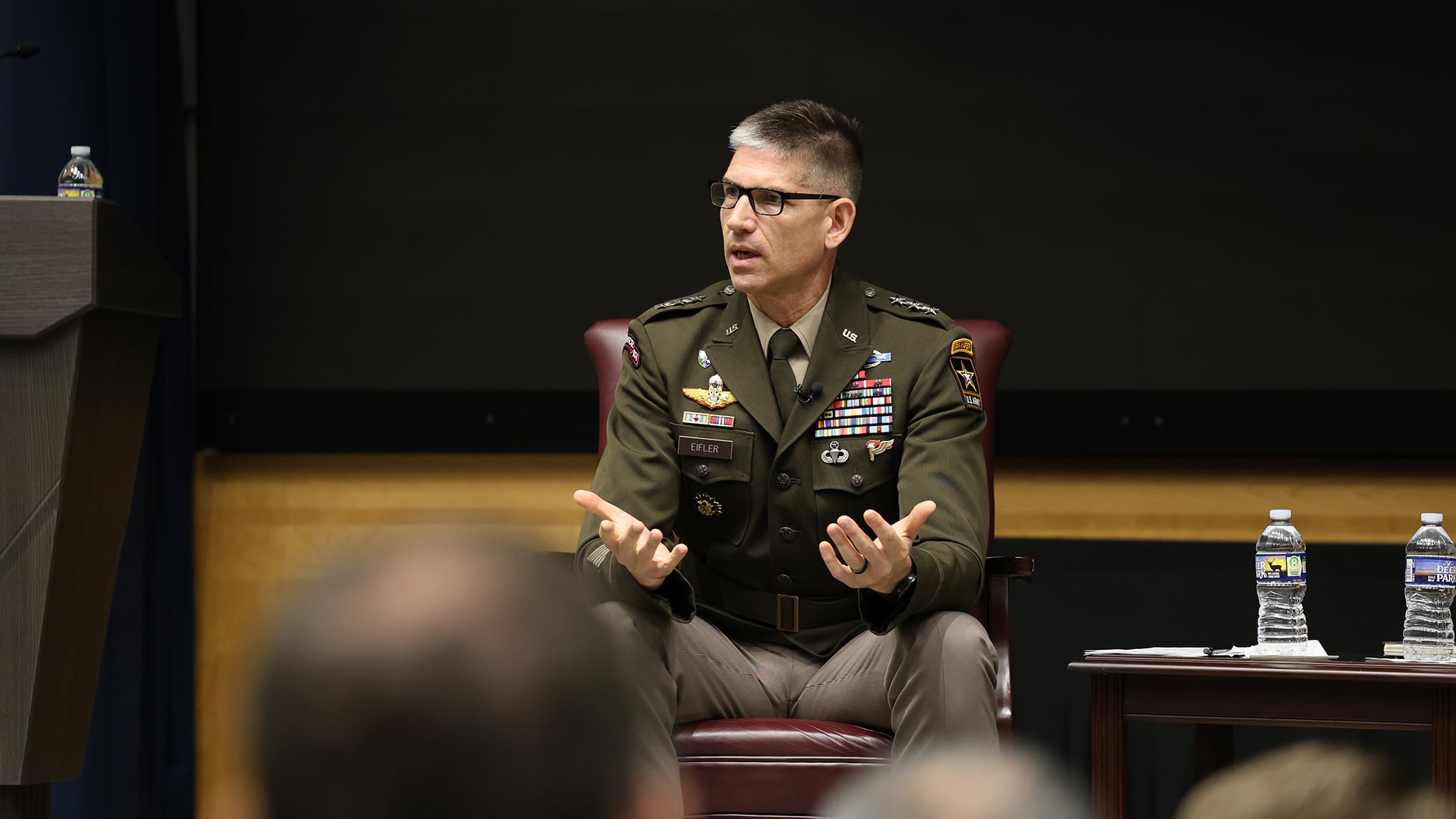
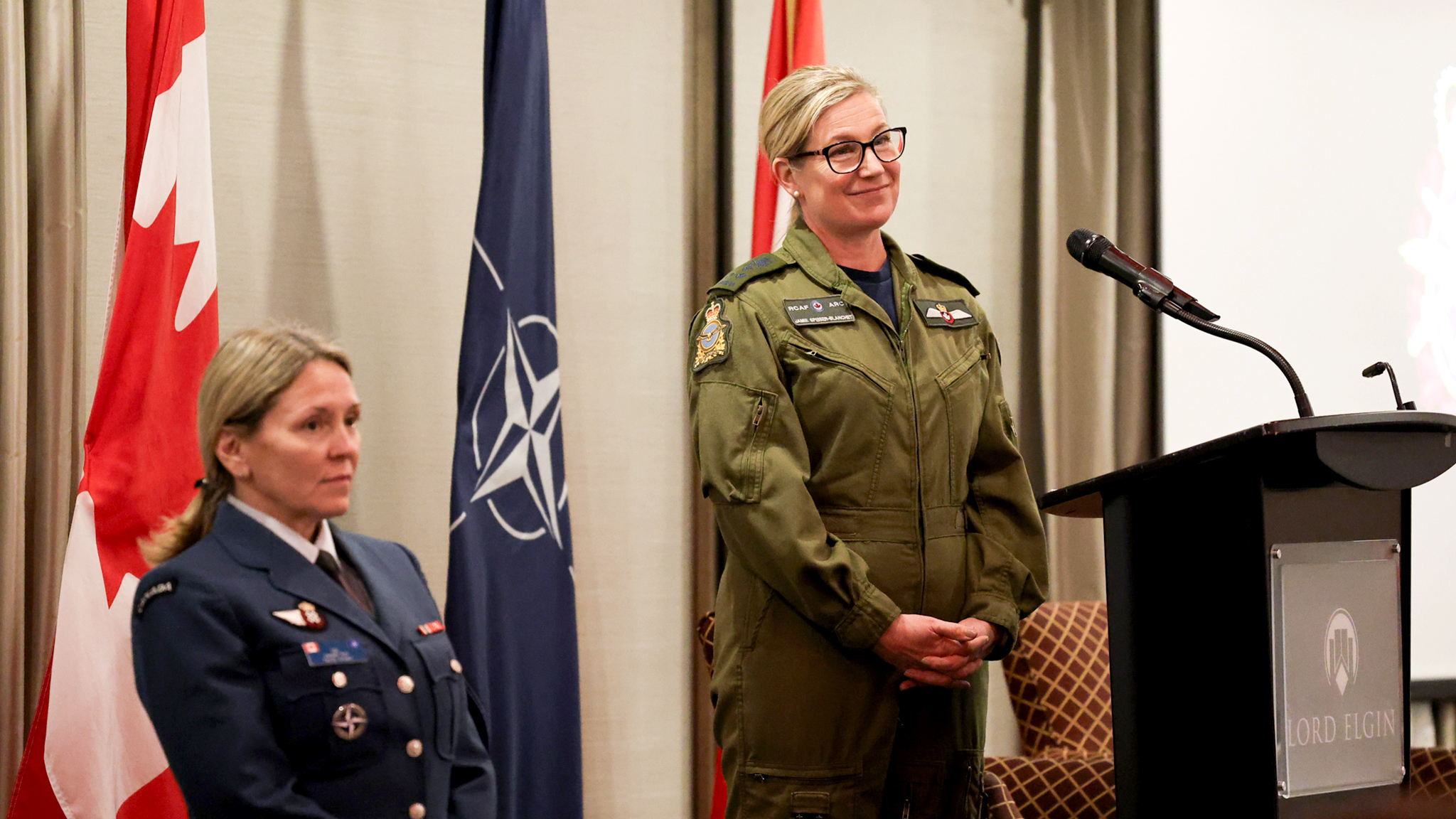
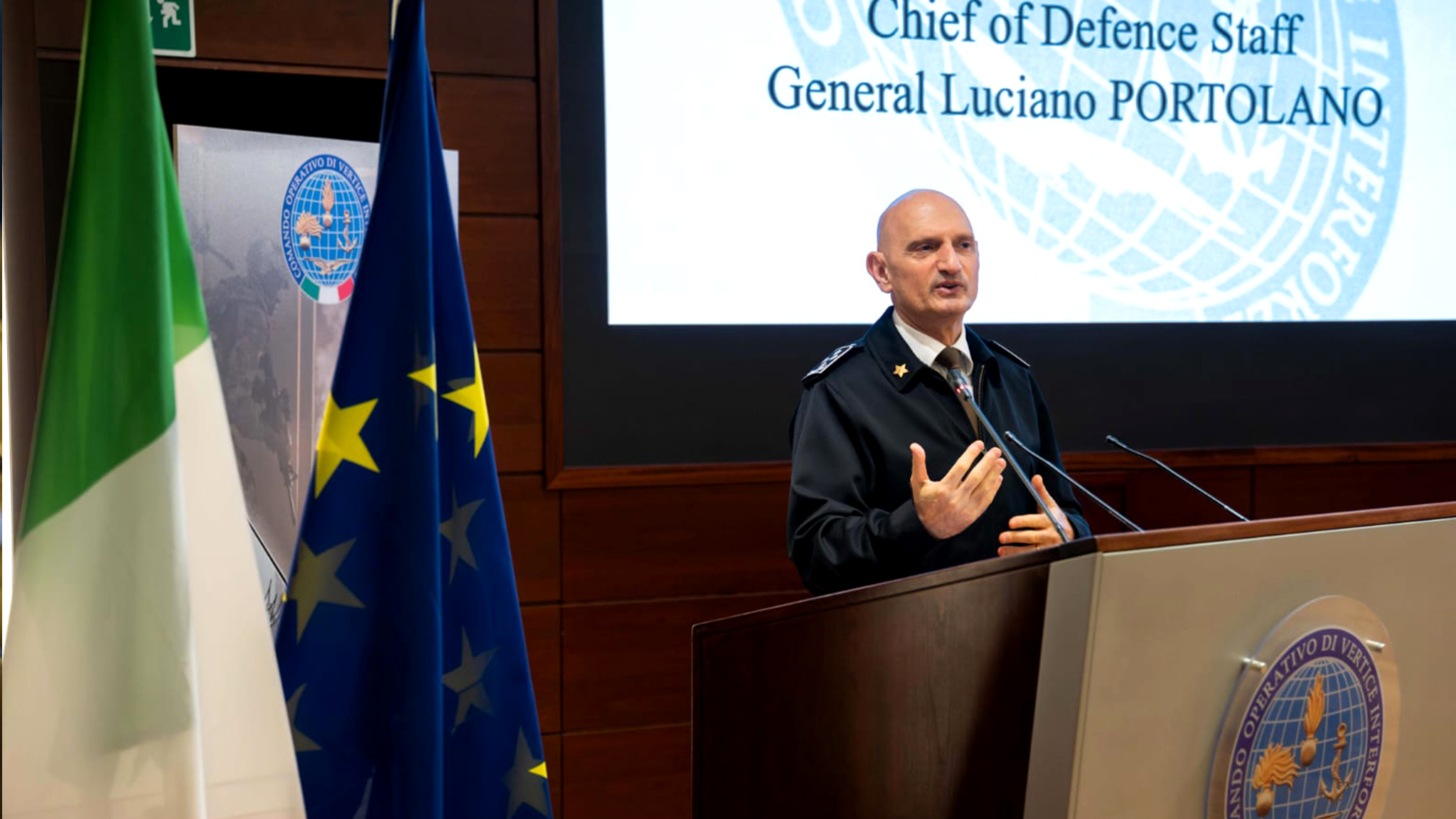
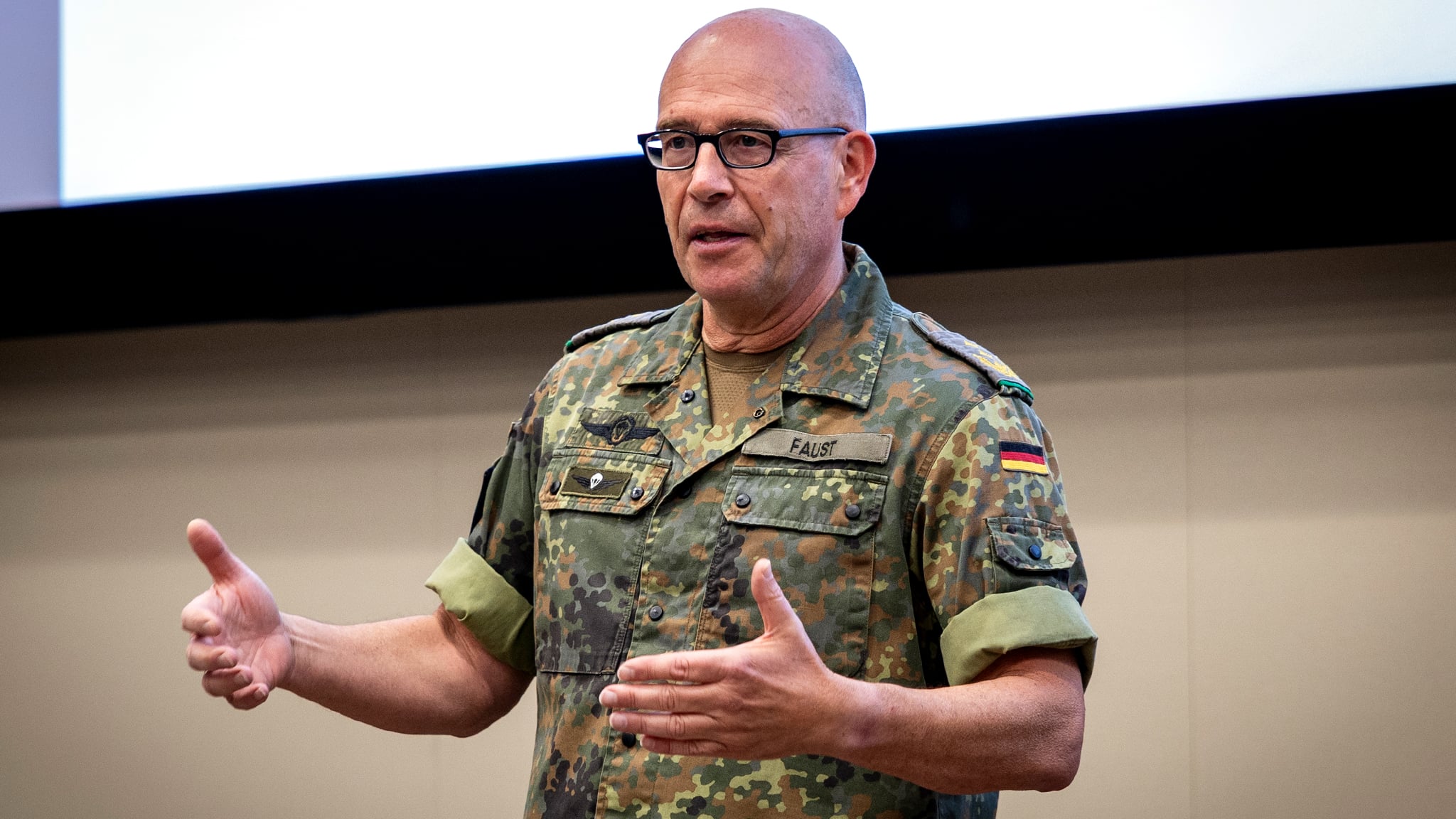

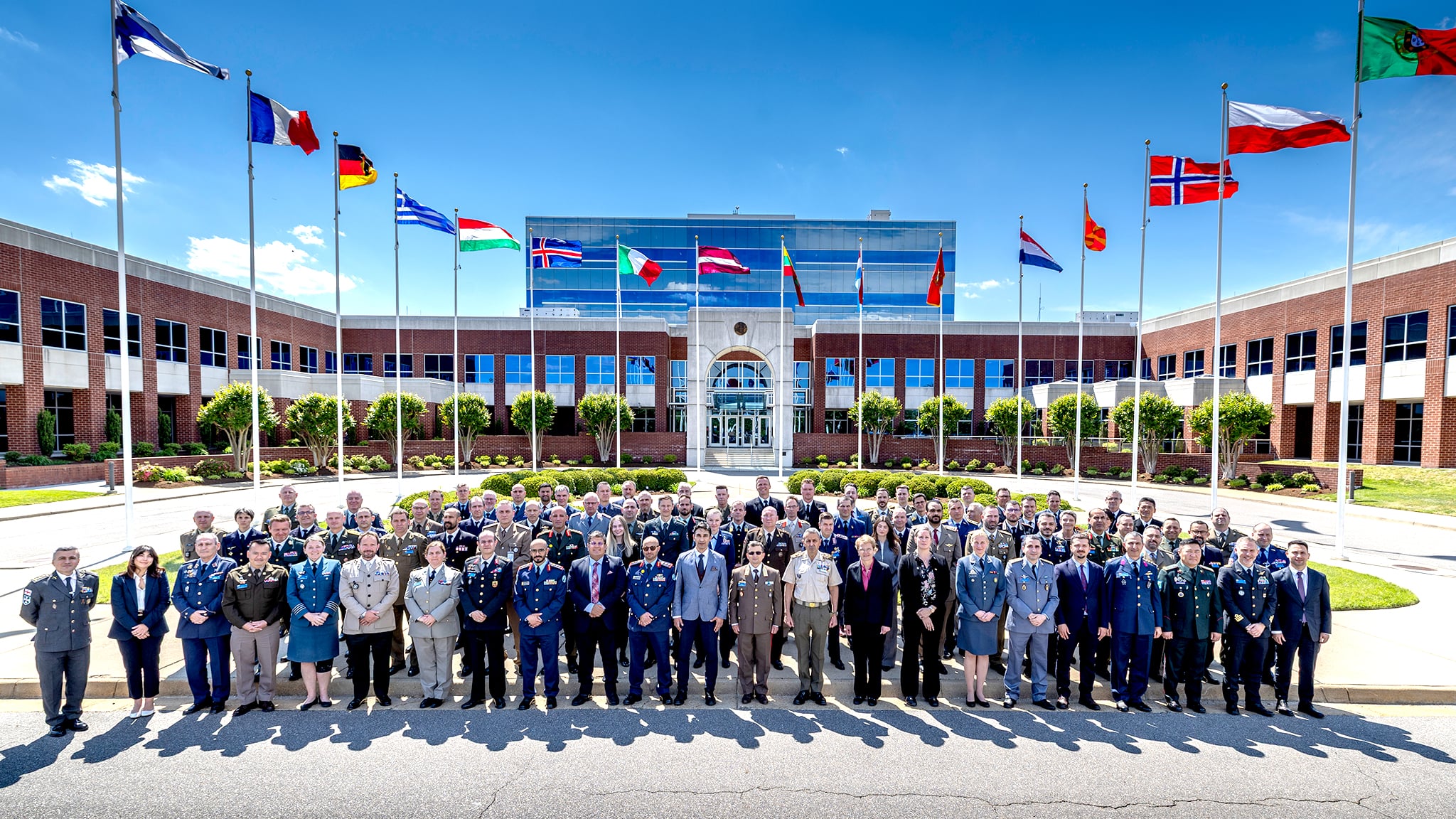
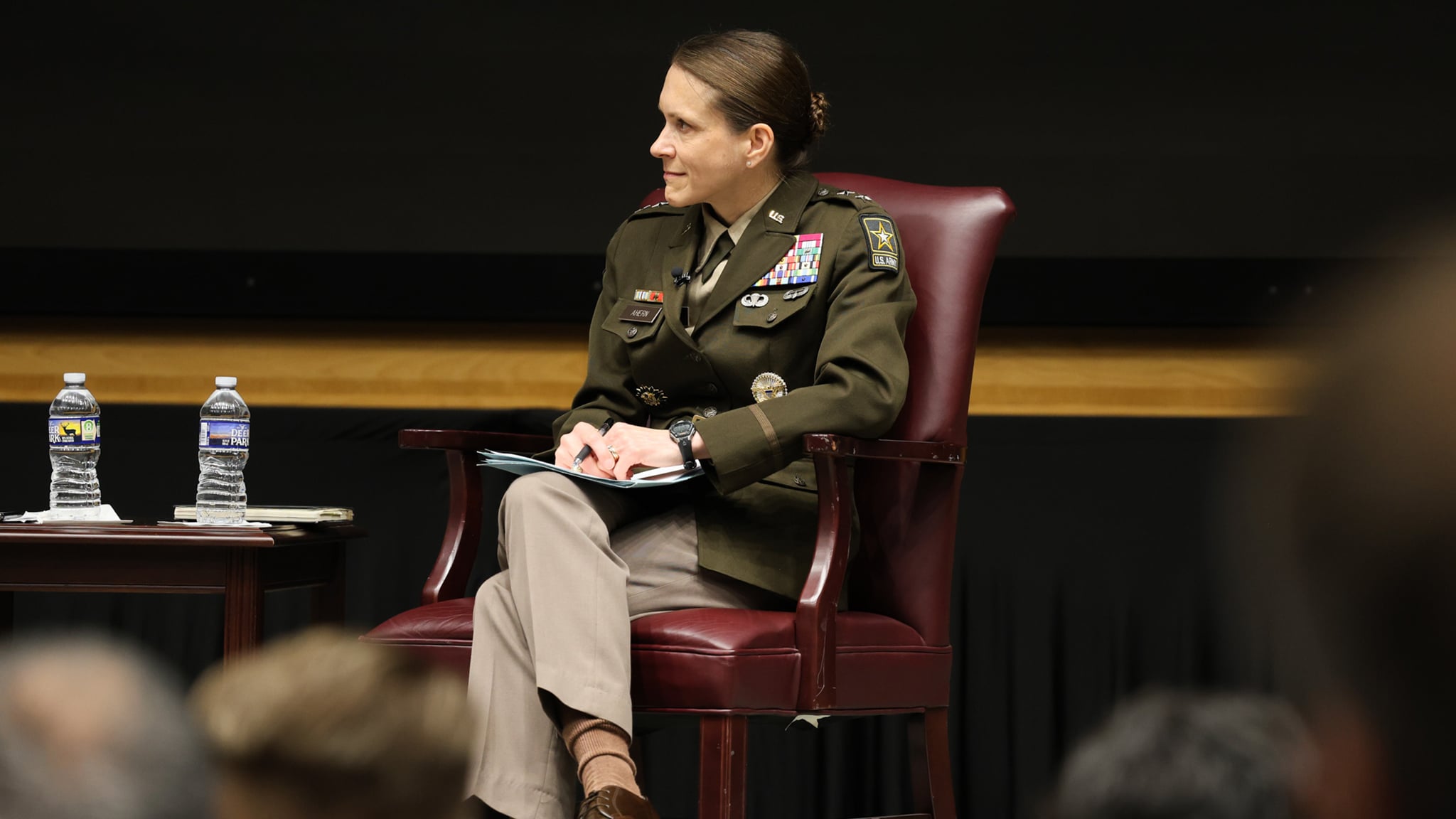
Composed of 80 Course Members from 34 NATO and partner nations, the NATO Defense College (NDC) delegation began its second Field Study in Rome with a series of briefings from Italian defence and security officials. The programme continued across the Atlantic with a stop in Ottawa, where participants engaged with representatives from the Canadian Defence Academy and Canadian institutions. The delegation then headed to the United States, beginning in New York City with visits to the Turkish Representation to the United Nations and United Nations Headquarters. In Norfolk, participants visited Allied Command Transformation (ACT), where they also received briefings from officials of Joint Force Command Norfolk, NATO’s newest Joint Force Command. The Field Study concluded in Washington, D.C., with stops at the National Defense University, the Department of War and Capitol Hill.
A recurring theme throughout the Field Study was the rapidly evolving security environment and the need for the Alliance to adapt to modern warfare, multi-domain threats and the return of an era of strategic competition. In Rome, Italian Chief of Defence General Luciano Portolano described a strategic landscape in which conventional warfare increasingly overlaps with “insidious and less visible” threats. His remarks highlighted the growing complexity of contemporary warfare and the need for NATO to operate effectively across multiple domains simultaneously.
At Allied Command Transformation, discussions emphasized NATO’s ongoing evolution toward a more agile, interoperable and multi-domain-enabled Alliance. Participants explored ACT’s central role in driving this transformation and its complementarity with Allied Command Operations, bridging current operations with future warfighting adaptation. Discussions notably addressed the NATO Warfighting Capstone Concept (NWCC), the Alliance’s military “North Star” guiding the Alliance’s transformation.
The need for multi-domain readiness was also reflected in discussions on innovation and the defence industrial capacity. At the Italian National Armaments Directorate, briefings underscored the importance of sustained investment in research, innovation and emerging technologies, including artificial intelligence, cyber defence, and air and space capabilities. Similar themes emerged in Ottawa and across engagements in the United States, where modernizing military capabilities and strengthening the national and transatlantic defence industrial base were consistently framed as strategic imperatives. Discussions notably highlighted the importance of accelerating industrial production and reducing Allies’ dependency on strategic competitors for critical materials and technologies.
Another key theme throughout the programme was the layered and interconnected nature of contemporary strategic competition. From the High North to the Alliance’s Eastern and Southern flanks, discussions underscored the need for NATO to prepare for simultaneous regional challenges affecting the security of all Allies.
In Ottawa, the delegation examined the growing strategic relevance of the Arctic and the High North as an increasingly contested area where national sovereignty, continental defence and collective security converge. This region was similarly highlighted by Joint Force Command Norfolk as a critical strategic frontline within its Joint Operational Area.
In this context of multiplying and interconnected threats, the US Ally reiterated the importance of both burden-sharing and burden-shifting within the Alliance. In Washington, D.C., briefings highlighted the ongoing recalibration of the United States’ role within NATO, shaped by an enhanced focus on the Indo-Pacific and long-term competition with China. European Allies are expected to assume greater responsibility for the conventional defence of Europe and continued support to Ukraine. Discussions framed this evolution as part of a broader “NATO 3.0” vision, characterized by a more operational and increasingly European-led Alliance. Recognizing the rise in European defence spending, American officials emphasized that this adjustment does not represent a weakening of the transatlantic bond, but rather a redefinition of roles allowing the Alliance to effectively address multiple and simultaneous security challenges.
Across all engagements, multilateralism, cooperation and interoperability remained key themes. The visit to the United Nations in New York served as an important reminder that deterrence and defence must be complemented by robust diplomacy. Briefings underscored the enduring relevance of mediation, multilateral dialogue and NATO-UN cooperation as essential components of sustainable peace and security.
Ultimately, this Field Study provided Course Members with valuable insights into the evolving transatlantic dynamics within NATO, shaped by an increasingly contested and rapidly changing security environment. While discussions highlighted an ongoing recalibration of roles and responsibilities between European and North American Allies, the programme reaffirmed that cooperation, interoperability and the transatlantic bond remain the essential foundations of the Alliance’s collective security.
NDC Public Affairs Office
(Prepared by Ms Chloé Ketels, FRA C)


 NATO Defense College