
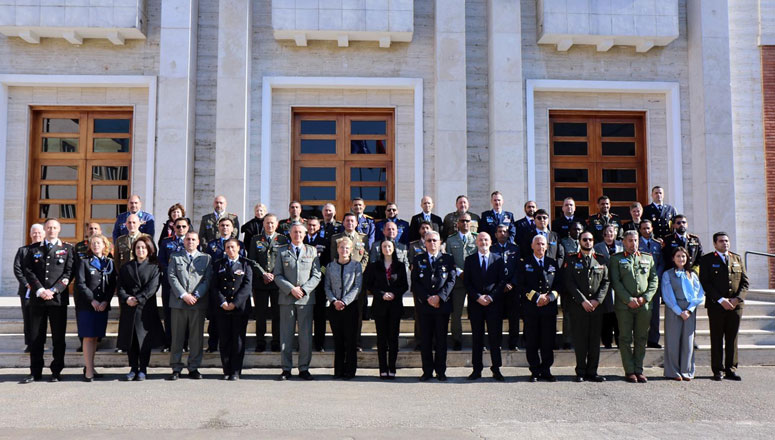
From 17 to 22 March 2025, NATO Regional Cooperation Course (NRCC) 33 conducted a Field Study trip to Brussels, Belgium and Tirana, Albania. The visit provided Course Members with an in-depth look into NATO and EU defence priorities, as well as Albania’s growing role within the Alliance.

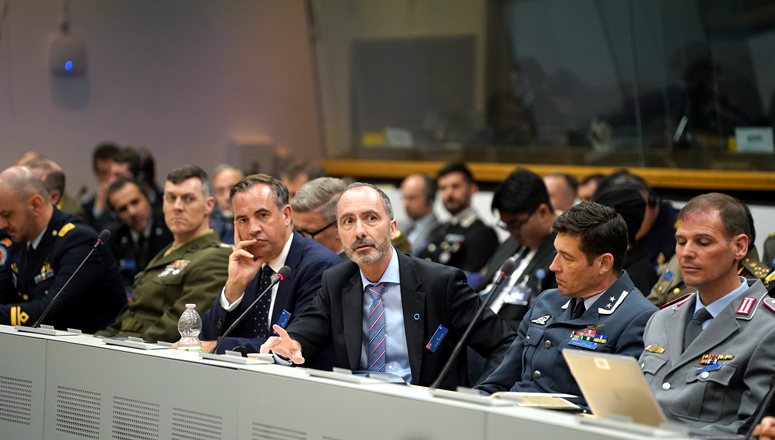
In Brussels, the delegation visited the European Union Military Staff (EUMS), receiving briefings on the EU’s evolving defence strategy. Discussions addressed key topics such as enhanced support for Ukraine, efforts to strengthen deterrence and defence through the first EU Commissioner for Defence and Space, the ReArm Plan and the upcoming White Paper on the Future of European Defence. Speakers highlighted the importance of deeper NATO-EU cooperation, increased interoperability, joint procurement and enhanced societal resilience.
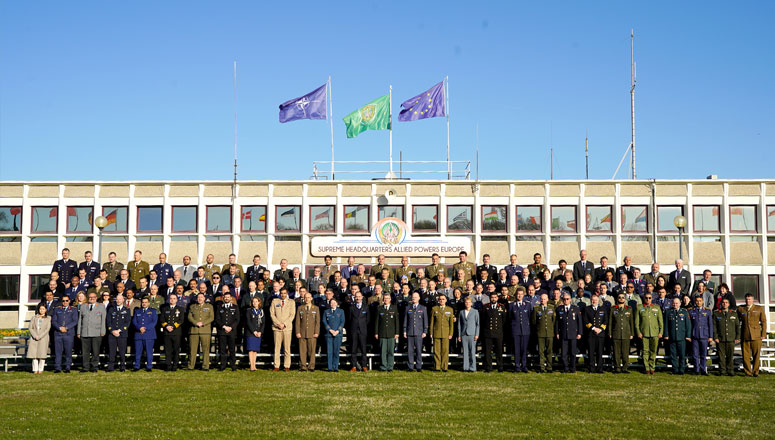
The group also visited NATO’s Supreme Headquarters Allied Powers Europe (SHAPE), where they learned about NATO’s operational readiness and its strategic plans under the Concept for Deterrence and Defence of the Euro-Atlantic Area (DDA). The briefings emphasized SHAPE’s transformation into a strategic warfighting command, the modernization of military capabilities, as well as enhanced training and collective defence efforts.
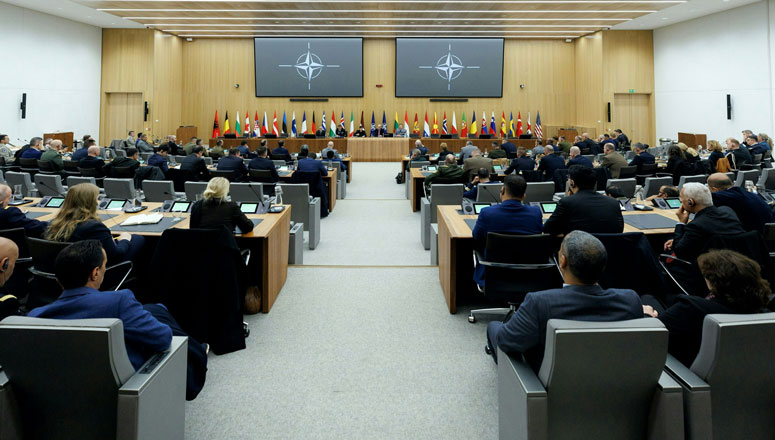
At NATO Headquarters, Course Members engaged with senior officials including Lieutenant General Janusz Adamczak, Director General of the International Military Staff, along with representatives from key NATO departments. The dialogue focused on reinforcing Euro-Atlantic deterrence, maintaining support for Ukraine, enhancing defence investment, ensuring credible nuclear capabilities and strengthening cooperation with partners and regional organizations.
This visit underscored NATO’s multidimensional approach to security and the vital importance of Allied cooperation in an increasingly complex global environment.
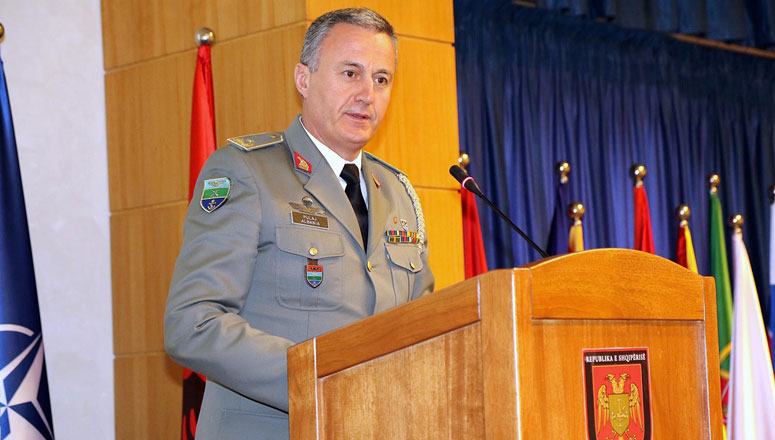
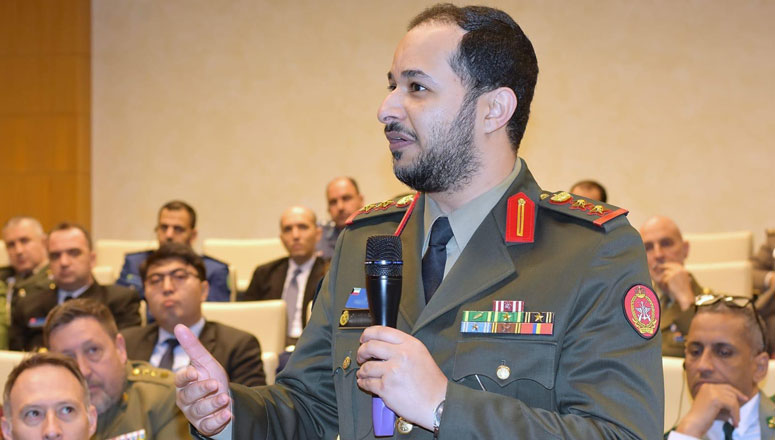
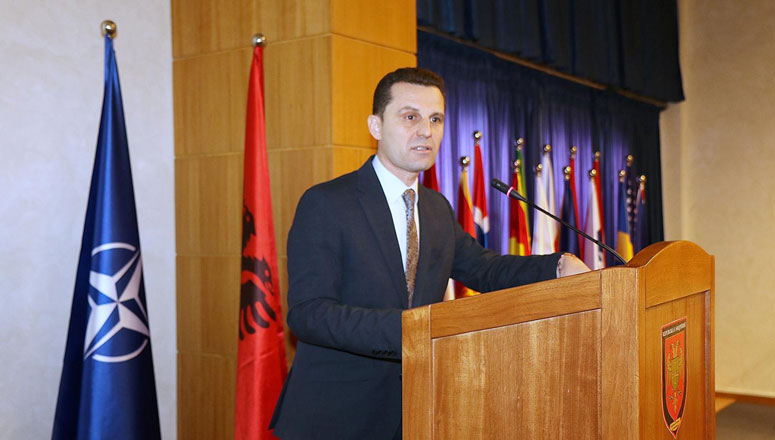
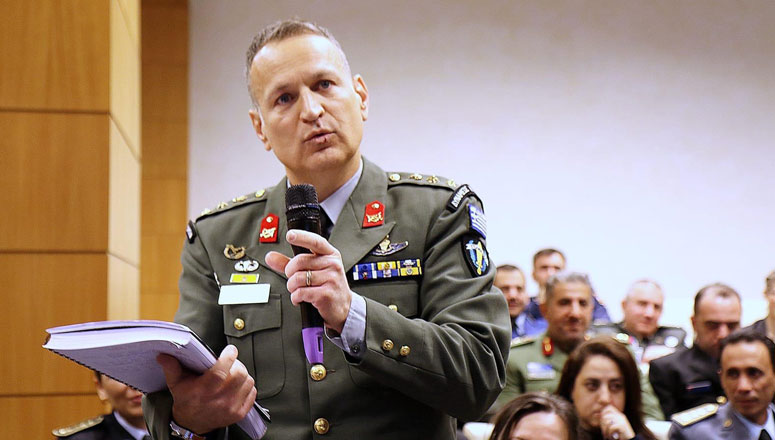
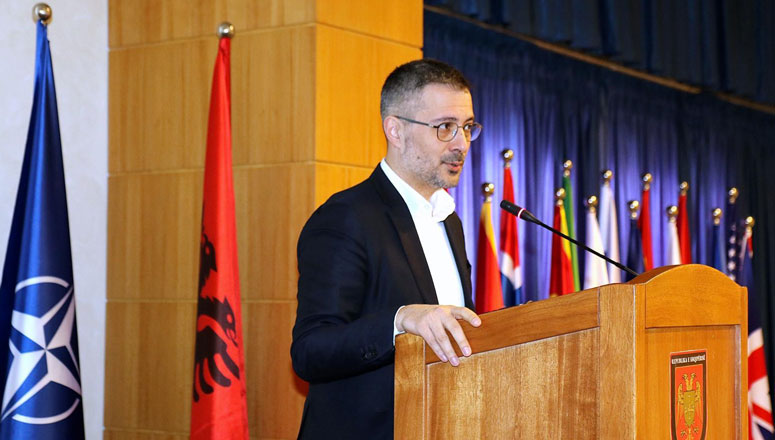
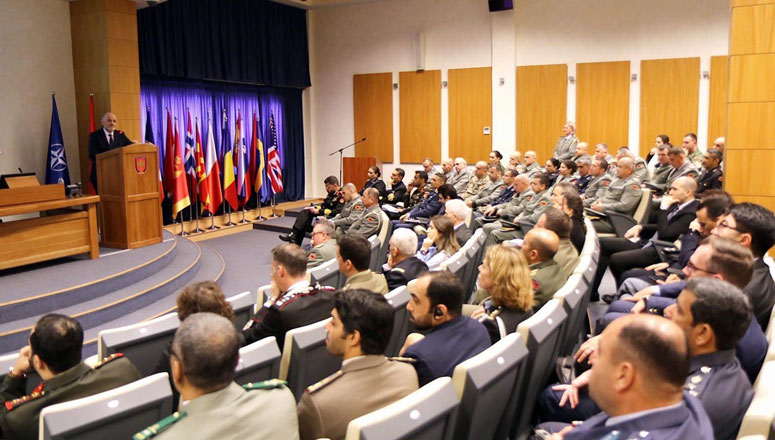
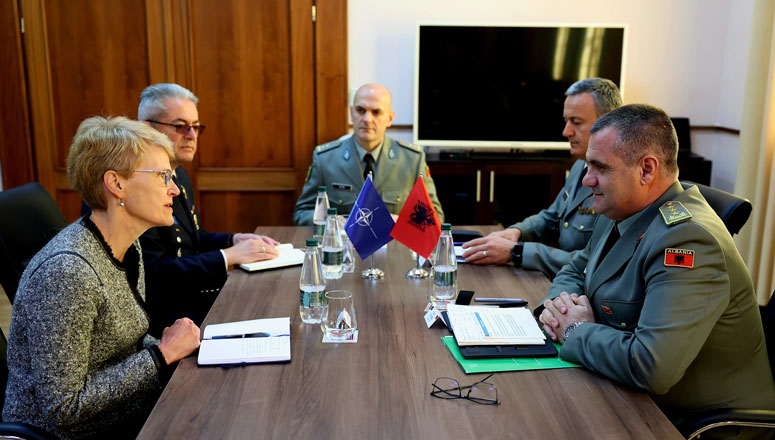
The second leg of the Field Study took NRCC 33 to Tirana, Albania, where the group was hosted by the Albanian Defence and Security College. Course Members met with senior officials from Albania’s Ministries of Defence, Foreign Affairs, and Infrastructure and Energy. Discussions emphasized the complementary roles of national, NATO and international efforts in advancing security, and offered valuable insights into Albania’s contributions to the Alliance and its support for Ukraine.
The briefings also underlined the significance of strategic planning for Euro-Atlantic integration and broader European security. They also pointed to Albania’s progress towards EU membership, which was a further demonstration of the country’s growing profile as a credible and committed contributor to stability and security.
The visit provided a deeper understanding of national perspectives, regional security dynamics, and Albania’s evolving role as a NATO Ally actively engaged in regional and European integration.
NDC Public Affairs Office
(Prepared by Ms Sofia Carvalheiro, PRT C)

 NATO Defense College