
From 30 June to 2 July, the NATO Defense College (NDC) ran the fourth edition of the Generals, Flag Officers and Ambassadors Course for Partners Sahel (GFOAC-P Sahel). Hosted by the G5 Sahel Defence College (CDG5S) in Nouakchott, Mauritania, this Course underscored NATO’s commitment to strengthening security and fostering cooperation in the Sahel region through strategic education.
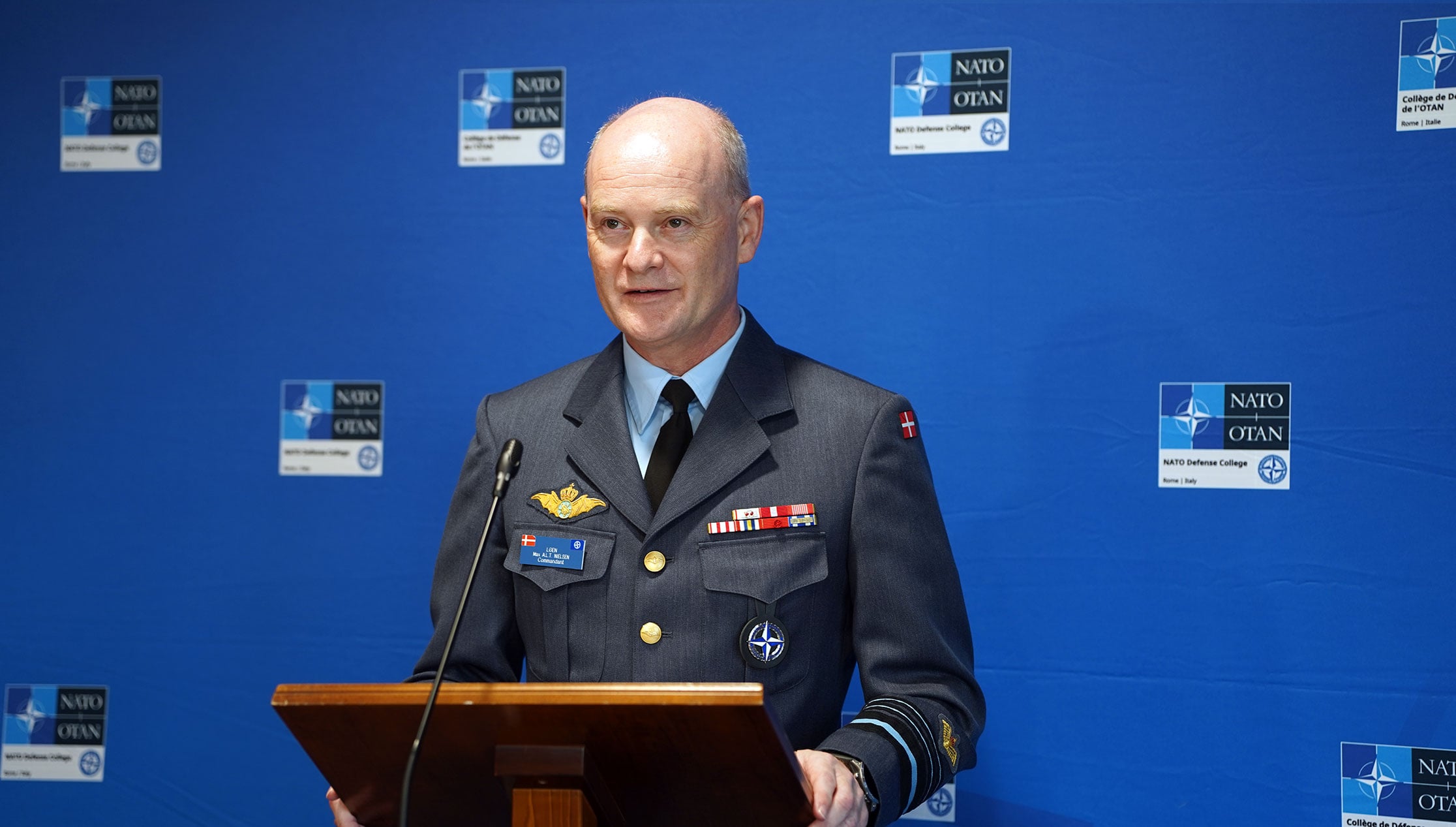


The GFOAC-P Sahel is a vital component of the Mediterranean Dialogue partnership, offering academic training and promoting an exchange of perspectives on the Alliance’s current security policies. The programme received financial support from NATO’s Defence Capacity Building (DCB) Package for Mauritania and the Defence Education Enhancement Program (DEEP), demonstrating NATO’s investment in regional stability.
Structured into two distinct modules, the GFOAC-P Sahel first provided course members from the 7th promotion of the CDG5S with foundational knowledge of the Alliance through the “Introduction to NATO.” On the third day, the course brought together Mauritanian authorities and participants from NATO partner countries (Morocco, Tunisia, Algeria, Egypt) and non-NATO entities (Ghana, Nigeria, Senegal, Ivory Coast, Chad, and Cameroon). Lectures focused on NATO’s current security environment and the role of the Sahel region in the security of the Alliance and Europe during this sensitive and unstable period.
Participants engaged in high-level lectures delivered by subject-matter experts from the NDC, NATO HQ, and various think tanks and research institutes. These sessions included interactive Q&A segments, fostering deeper understanding and productive dialogue among the attendees.
The event featured prominent keynote addresses and lectures, particularly on 02 July 2, from the NDC Commandant LGEN Max A.L.T. Nielsen, Director of CDG5S BGEN Mohamed Lemine Mohamed Blal, NATO Secretary General’s Special Representative for the Southern Neighborhood Mr Javier Colomina, and a representative from the Ministry of Defence of Mauritania.
Module 1 focused on NATO’s role in the defence of the Euro-Atlantic area and beyond, exploring the history and geography of the Alliance, its role in European security, along with its partnerships and its multilateral and cooperation frameworks. Crisis management, both historically and in contemporary contexts was also addressed, with a specific focus on crisis prevention in practice and responses to hybrid threats.
Module 2 delved into critical regional challenges such as the fight against terrorism and maritime security, highlighting the relevance and the importance of the Sahel and broader Southern Neighbourhood for NATO and the Allies.
By equipping future leaders with a deeper understanding of shared security challenges and fostering robust dialogue, the GFOAC-P Sahel reinforces the enduring partnership between NATO and its partners in the Sahel. This collaborative educational initiative is a testament to the shared commitment to building a safer and more secure future together.
NDC Public Affairs Office
(Prepared by Ms Chloé Ketels, FRA C)
 NATO Defense College