
From 29 September to 9 October 2025, the NATO Defense College’s Senior Course 147 (SC 147) embarked on its first Field Study across Europe. The immersive programme took the 75 senior officers, civilians and diplomats hailing from NATO Allies and partner nations to key institutions and capitals, where they gained first-hand insights into Europe’s evolving security landscape and the Alliance’s strategic priorities.

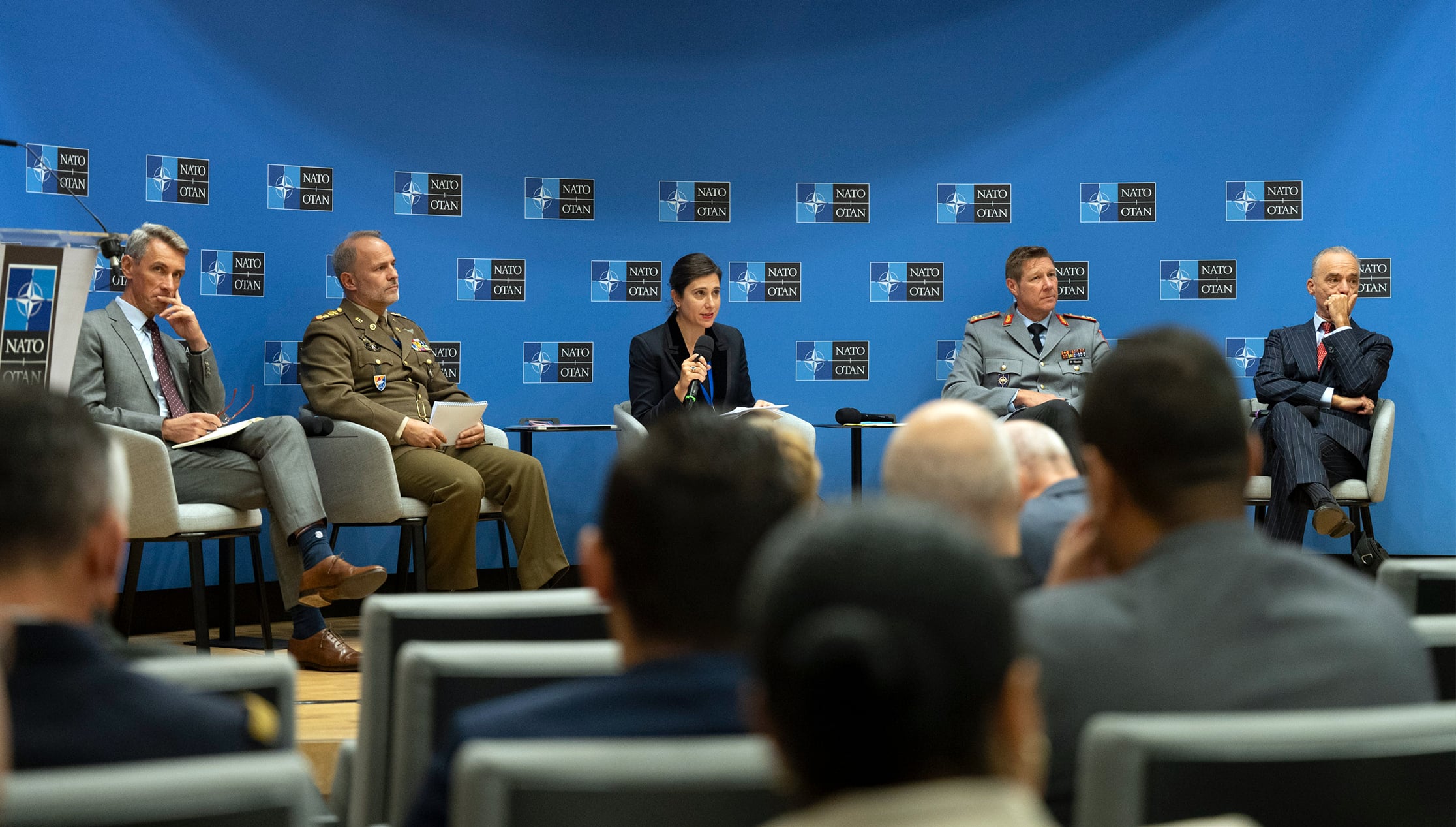
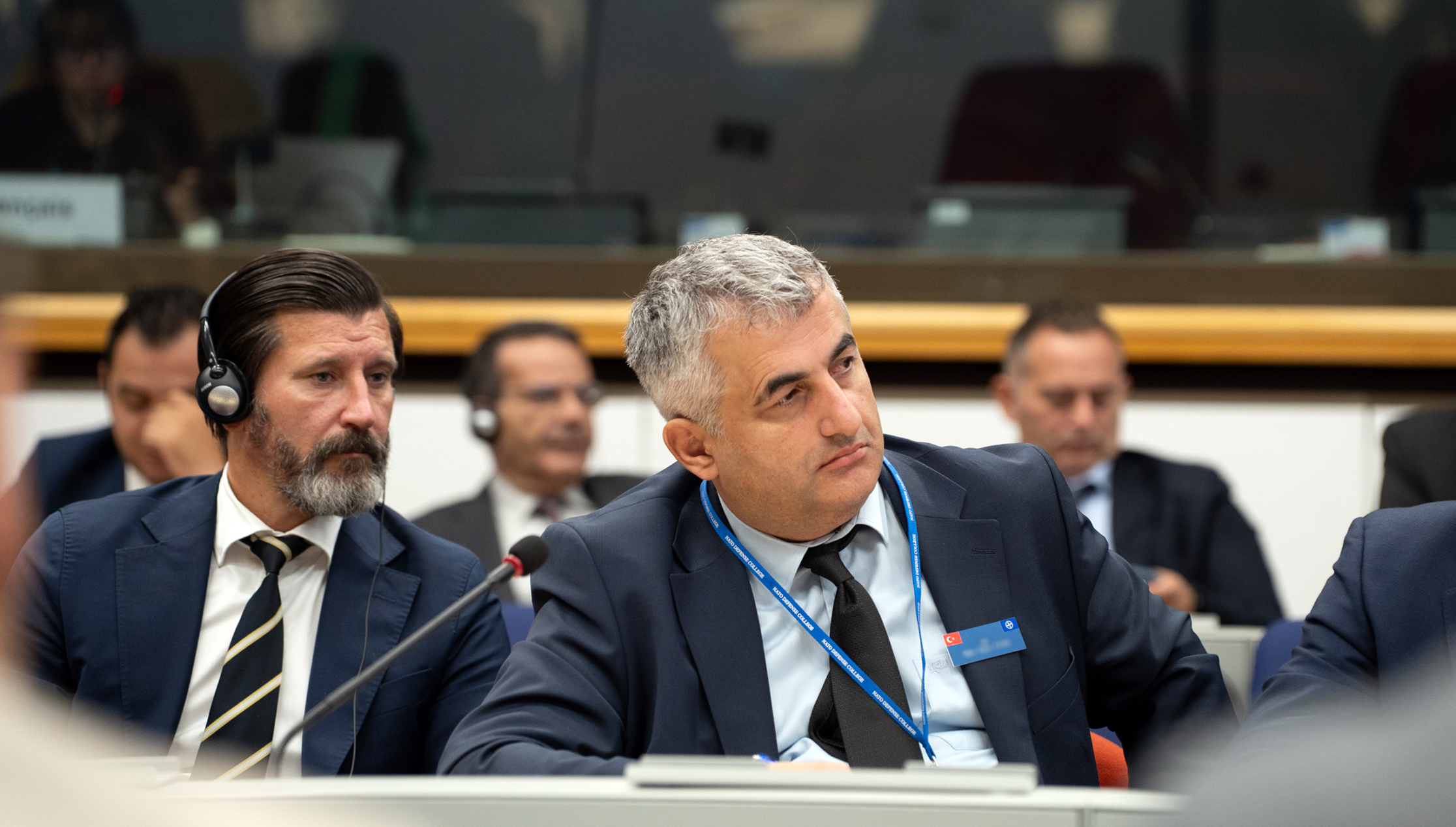
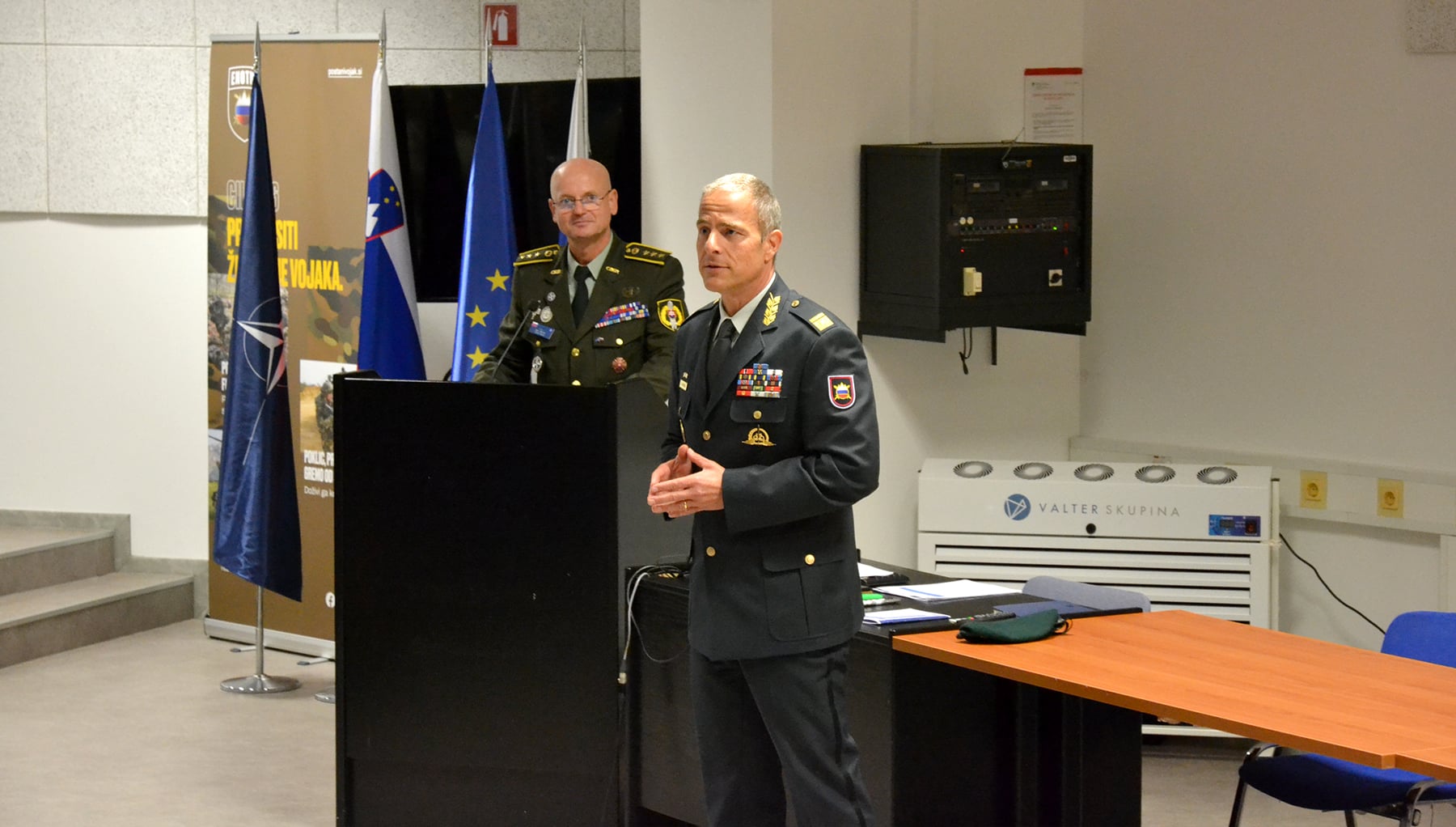
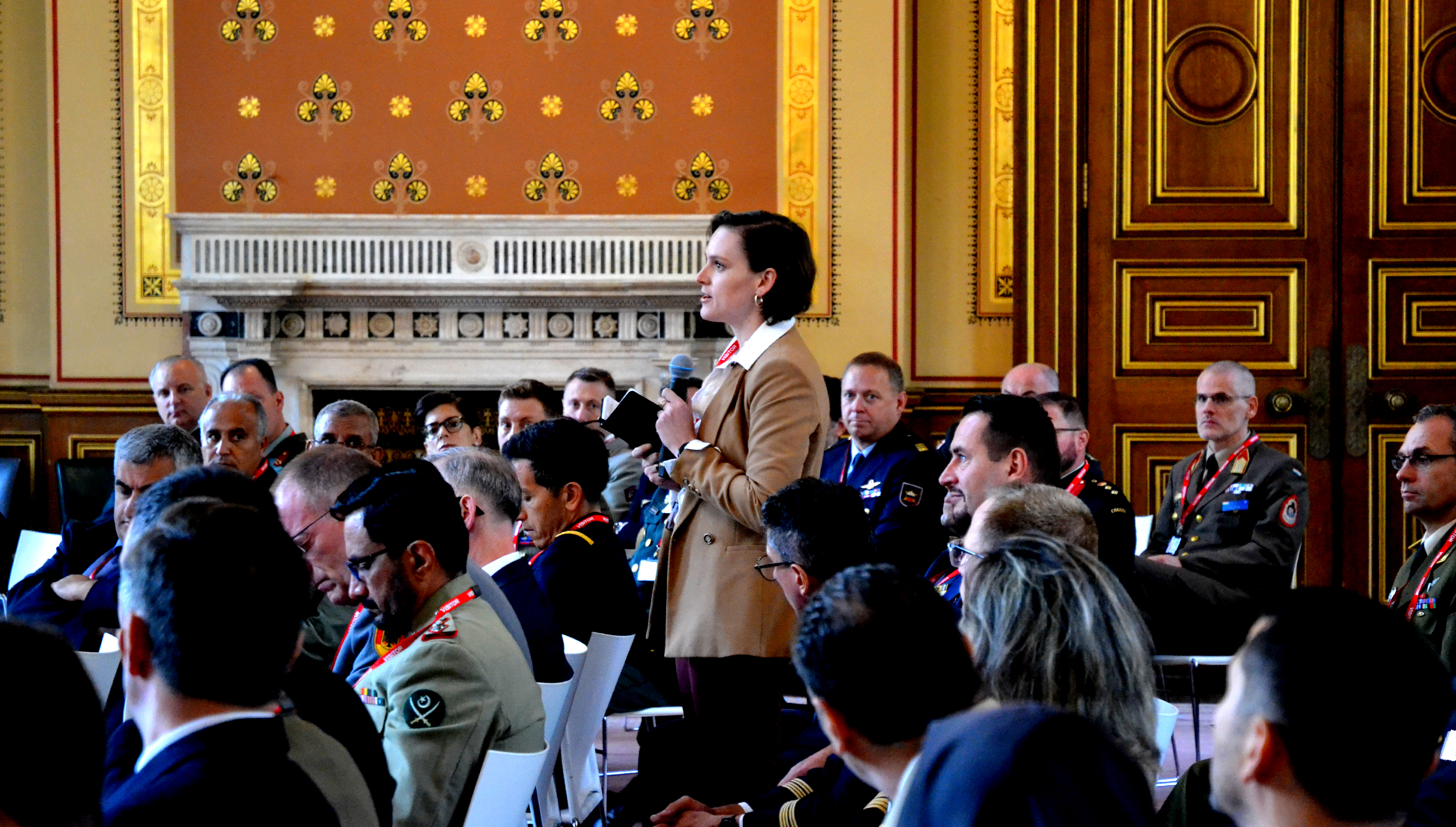
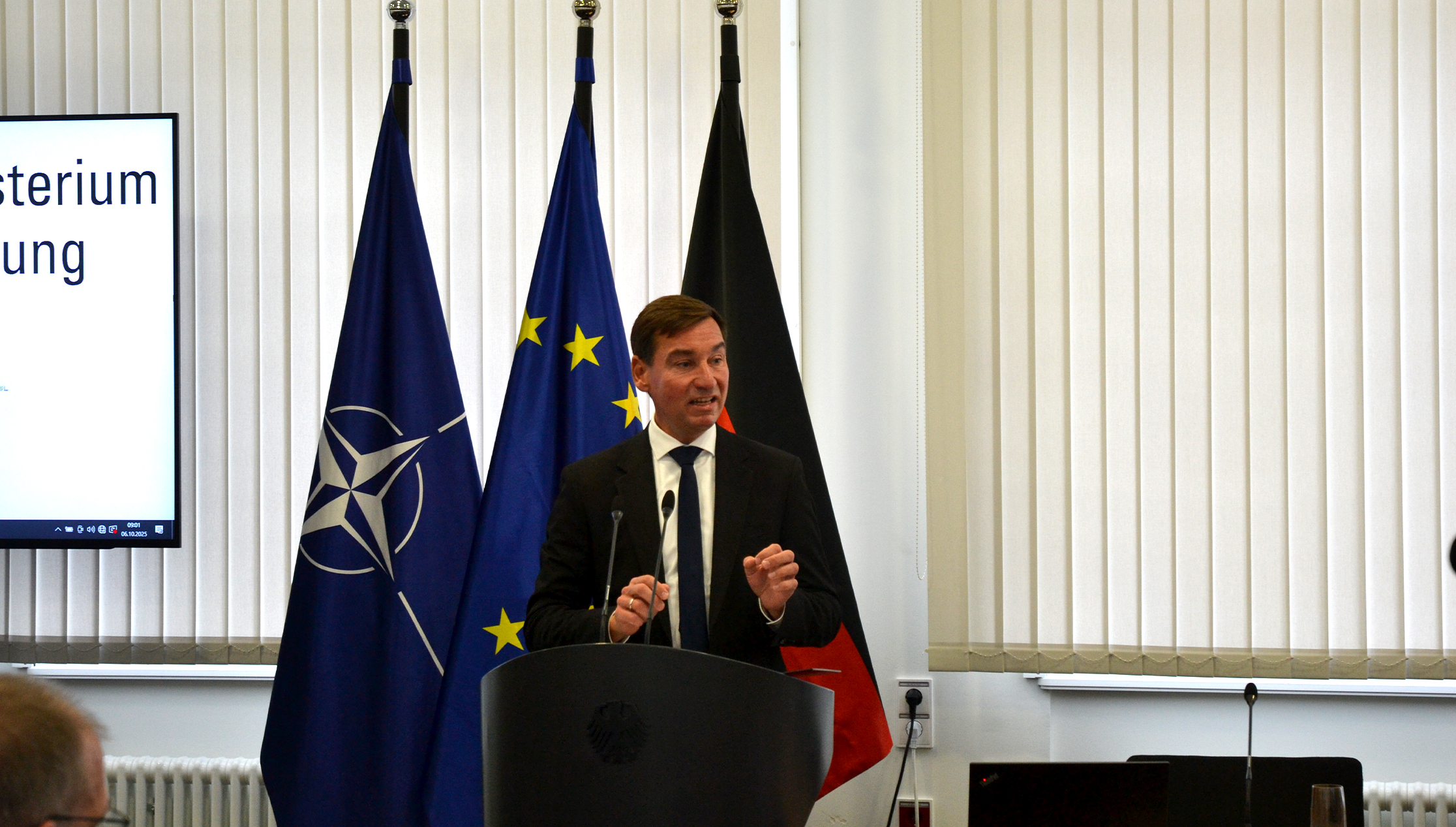
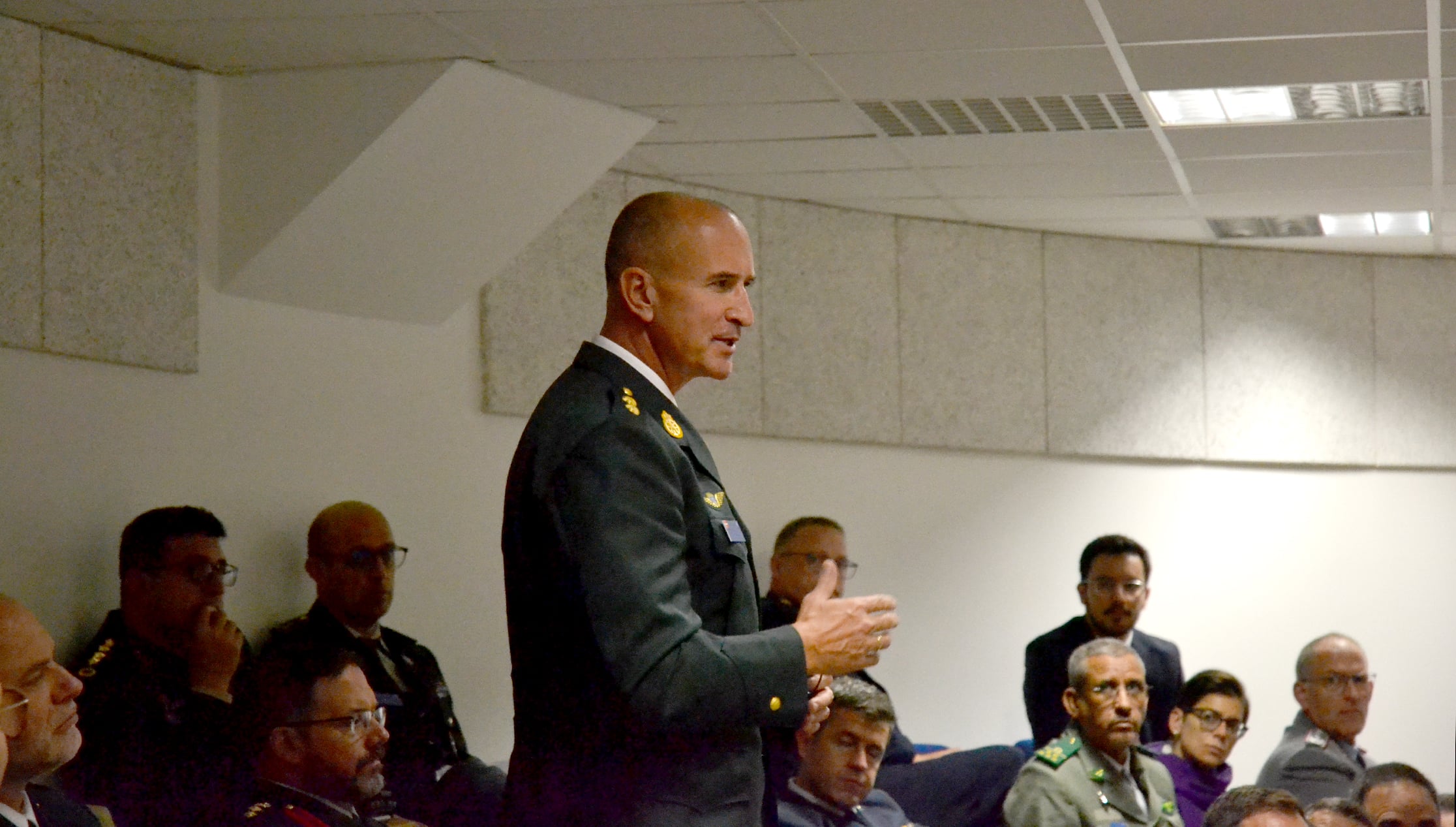
The Field Study started in Brussels, with visits to NATO Headquarters, NATO’s Supreme Headquarters Allied Powers Europe (SHAPE) and the European Union Military Staff (EUMS). Subsequently, the delegation travelled to the UK’s Foreign Commonwealth and Development Office (FCDO) in London, Germany’s Federal Ministry of Defence (FMoD) and the Deutscher Bundestag in Berlin. The journey concluded with a visit to the Slovenian Armed Forces (SAF) in Ljubljana, Slovenia.
This comprehensive tour offered SC 147 a unique opportunity to discuss and connect national defence policies to NATO’s overarching strategic priorities, balancing national interests and collective defence. The conversations at NATO Headquarters underscored NATO’s response to the security challenges the Alliance is currently facing and its core strategic priorities. These include increased defence spending, capacity building and enhanced resilience across all domains of conflict: land, air, maritime, cyber and space. A consistent focus throughout all engagements was the continued support for Ukraine, as a cornerstone of Euro-Atlantic security, and ongoing efforts to prevent escalation with Russia.
At SHAPE, Course Members were introduced to SHAPE’s ongoing transformation into a strategic warfighting headquarters. This transformation is driven by the implementation of the Deterrence and Defence of the Euro-Atlantic Area (DDA) concept, which is operationalized through the DDA Family of Plans. These plans form the foundation of NATO’s comprehensive, 360-degree approach to deterrence and defence. The European Union, while pursuing strategic alignment and closer cooperation with NATO, is also advancing its own defence capabilities through joint procurement initiatives and by securing more resilient supply chains.
During discussions on the national defence policies of the UK, Germany and Slovenia, Course Members examined each country’s strategic priorities and objectives, including their commitment to boosting defence spending, building and modernizing capabilities, and enhancing warfighting readiness. Briefings explored how national policies address a range of security challenges, from cyber threats and disinformation to energy security. The UK’s “NATO First” policy and Germany’s “one-theatre approach” emphasized how both countries strengthen collective security and enhance whole-of-society resilience by coordinating civil and military efforts to respond to polycrises.
Engagements also focused on each country’s approach to reinforcing strategic partnerships through bilateral, regional and broader multilateral cooperation. Briefings examined initiatives to maintain situational awareness in the Indo-Pacific and support stability in the Middle East and Africa, demonstrating how these efforts contribute to broader regional security.
Overall, Senior Course 147’s first Field Study examined NATO’s multidimensional approach to deterrence and defence. The journey underscored how national perspectives contribute not only to increased national security but also to the broader security of the Euro-Atlantic area and to NATO’s core strategic objectives.
NDC Commandant Lieutenant General Max A.L.T. Nielsen leveraged this Field Study to engage with key stakeholders of the College by conducting bilateral meetings with counterparts from European and NATO institutions. These included the recently appointed Director General of the NATO International Military Staff (IMS), Lieutenant General Remigijus Baltrėnas; the Strategic and International Affairs Advisor to the Supreme Allied Commander Europe, Mr Stephen Covington; the Vice Chief of Staff at SHAPE, Lieutenant General Ludovic Pinon de Quincy; and the European Union’s first Commissioner for the combined portfolio of Defence and Space, Mr Andrius Kubilius.
In the UK, the delegation was welcomed by the Chief of the Defence Staff, Air Chief Marshal Sir Richard Knighton, and briefed by high-level FCDO officials. In Germany, Course Members met with Parliamentary State Secretary to the Federal Minister of Defence Sebastian Hartmann, officials from the Ministry of Defence and Members of Parliament from various parties. Finally, in Slovenia, Brigadier General Ferenc Molnar, Head of Delegation and Director of the NDC Academic Operations Division, met bilaterally with Deputy Chief of Defence Brigadier General Uroš Paternus. Course Members also held discussions with SAF officials and Members of the Slovenian Parliament.
NDC Public Affairs Office
(Prepared by Ms Britt Melinga, NLD C)
 NATO Defense College