
From 7 to 11 April, the NATO Defense College (NDC) conducted its Modular Short Course Partners Integrated (MSC-PI) on “Global Security Environment and Drivers of Change”. This week-long programme explored the primary sources of instability and volatility shaping today’s complex security landscape, and critically examined how NATO is adapting to maintain its relevance and effectiveness.

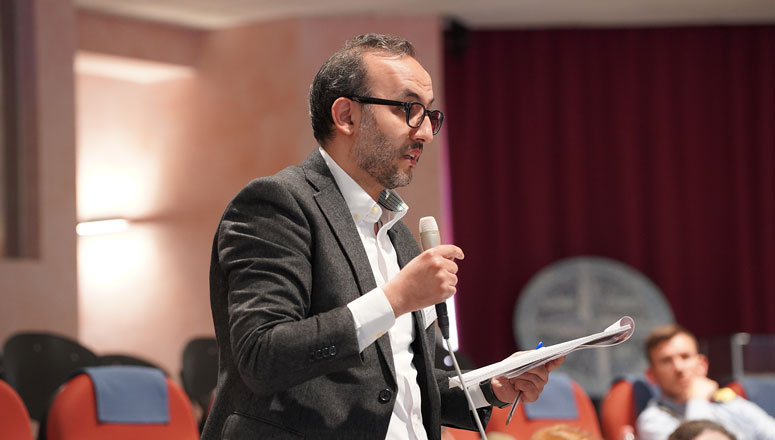
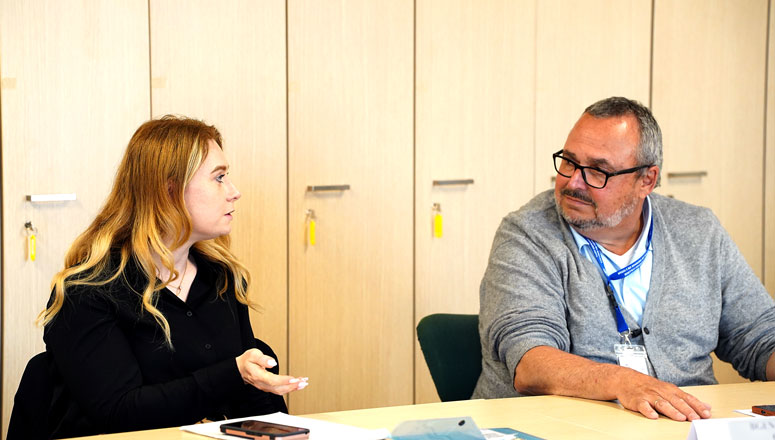
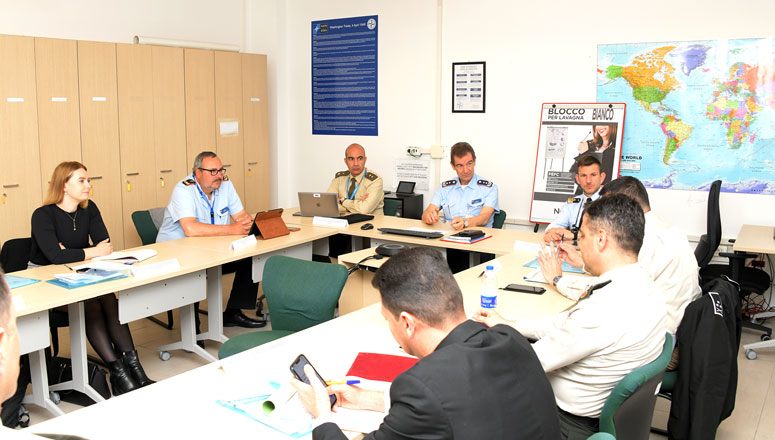
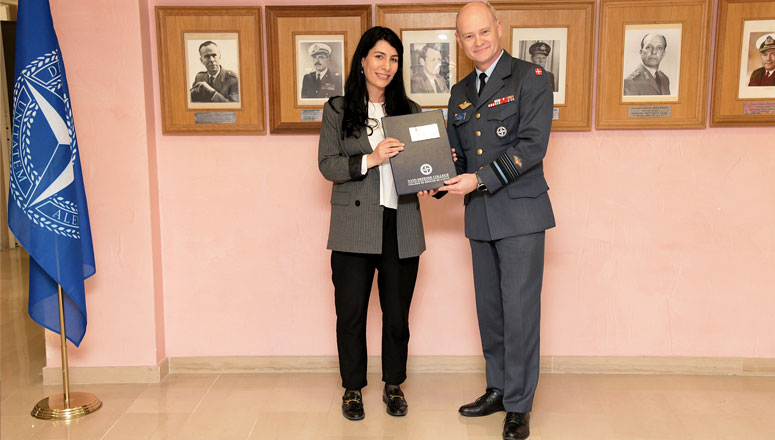
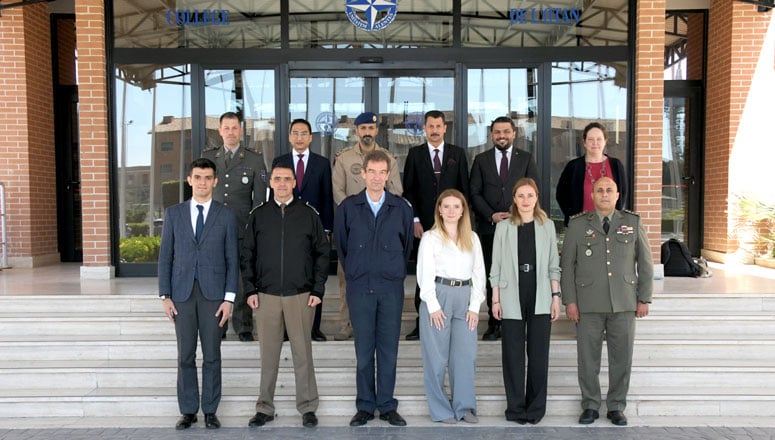
The MSC-PI welcomed 14 participants representing NATO’s diverse network of partner countries. Following the curriculum and lectures of the NDC Senior Course and the NATO Regional Cooperation Course, this short course offered valuable insights into the current challenges facing the Alliance. Bringing together participants from the NATO Partnership for Peace, Mediterranean Dialogue, Istanbul Cooperation Initiative, and Global Partners activity, the MSC-PI contributes to strengthening these vital partnership programs.
The Course delved into key topics that shape the contemporary security landscape such as global economic trends, the growing influence of non-state actors, the persistent threats of terrorism, the role of religion, the imperative of human security, energy security, and the transformative impact of emerging technologies. Beyond exploring these challenges, the course provided participants with a comprehensive overview of NATO’s core mission, internal processes, and its ongoing efforts to adapt to the rapidly evolving security environment.
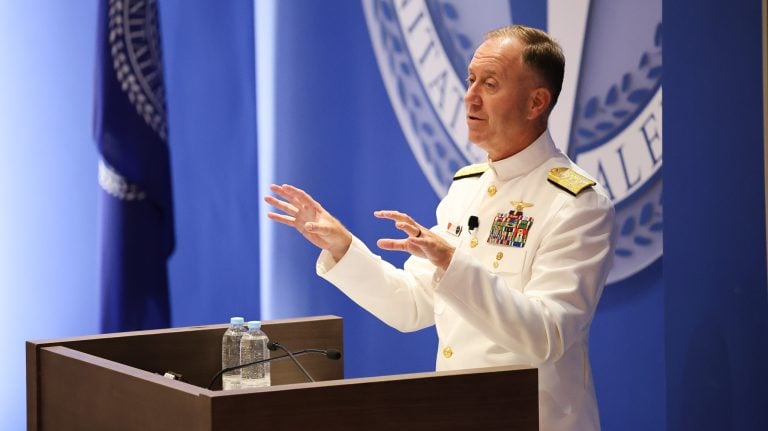
Participants benefited from lectures delivered by leading subject-matter experts and engaged with their peers during committee work sessions. These sessions integrated MSC-PI participants with Course Members from Senior Course 146, fostering greater dialogue between representatives from NATO member states and partner nations.
NDC Public Affairs Office
(Prepared by Ms Chloé Ketels, FRA C)

 NATO Defense College