
From 7 to 17 June 2026, Senior Course 148 conducted its final Field Study, exploring the security priorities of three Allied nations located on NATO’s eastern and northern flanks: Lithuania, Estonia and Norway.
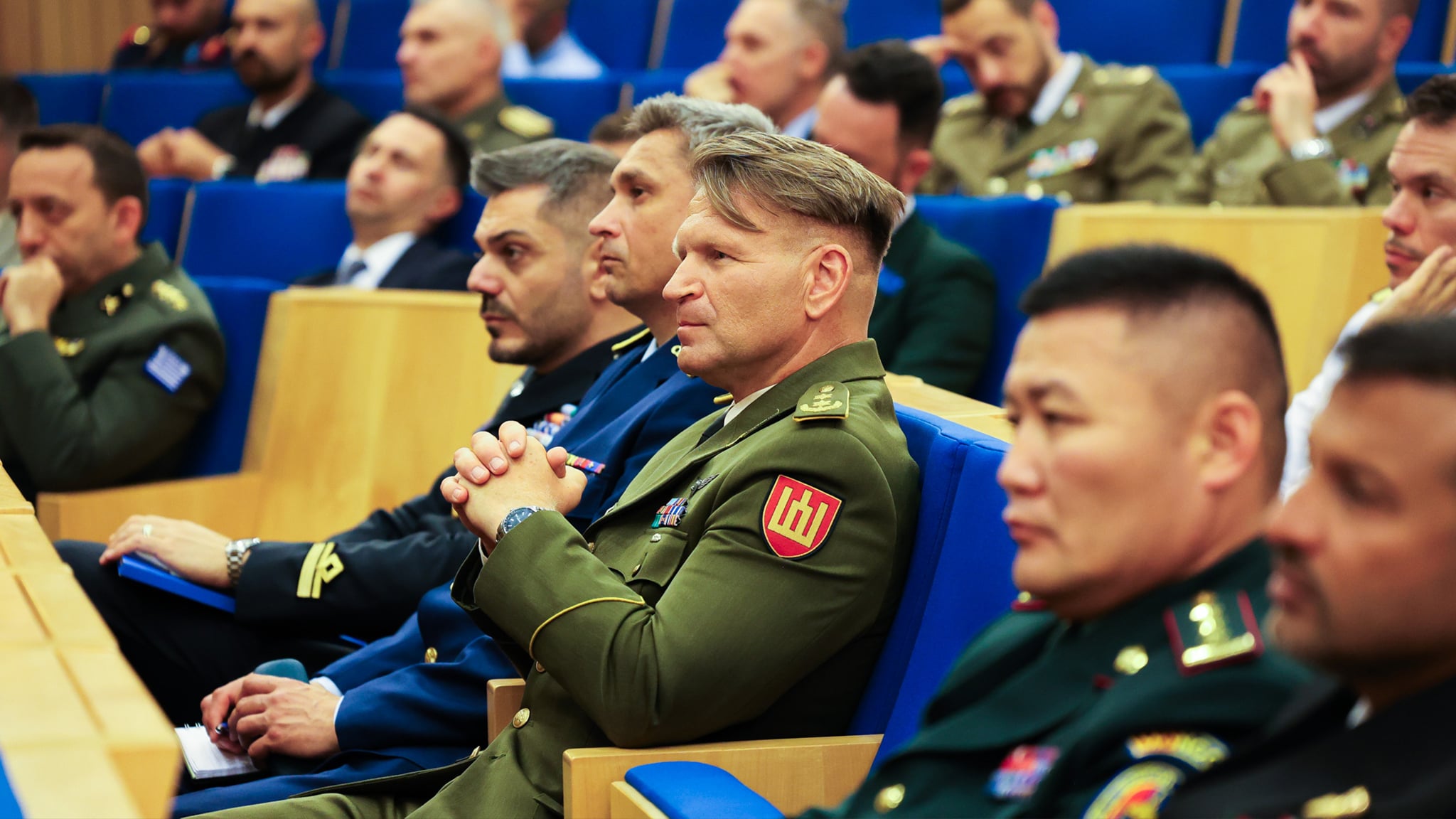
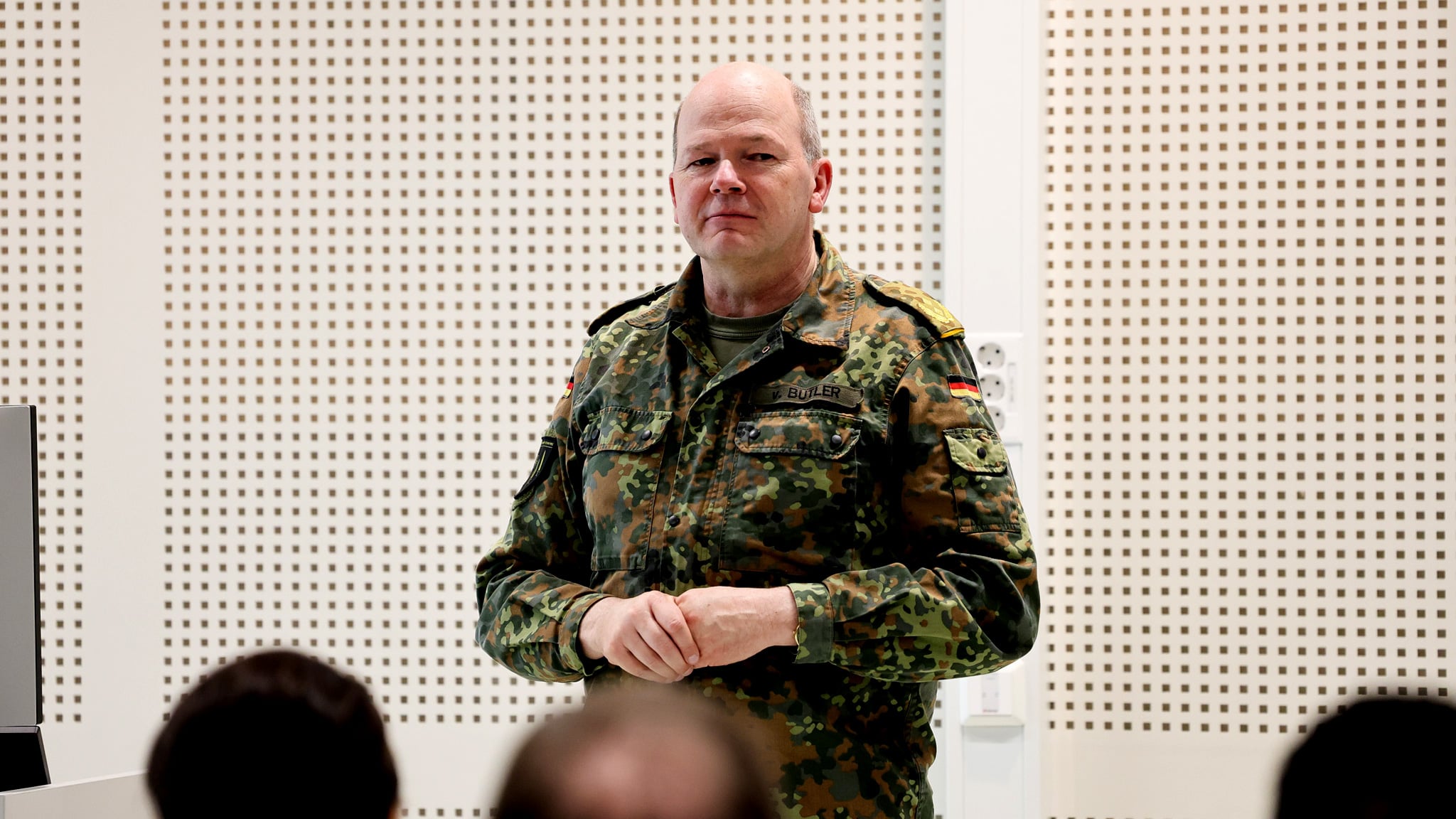
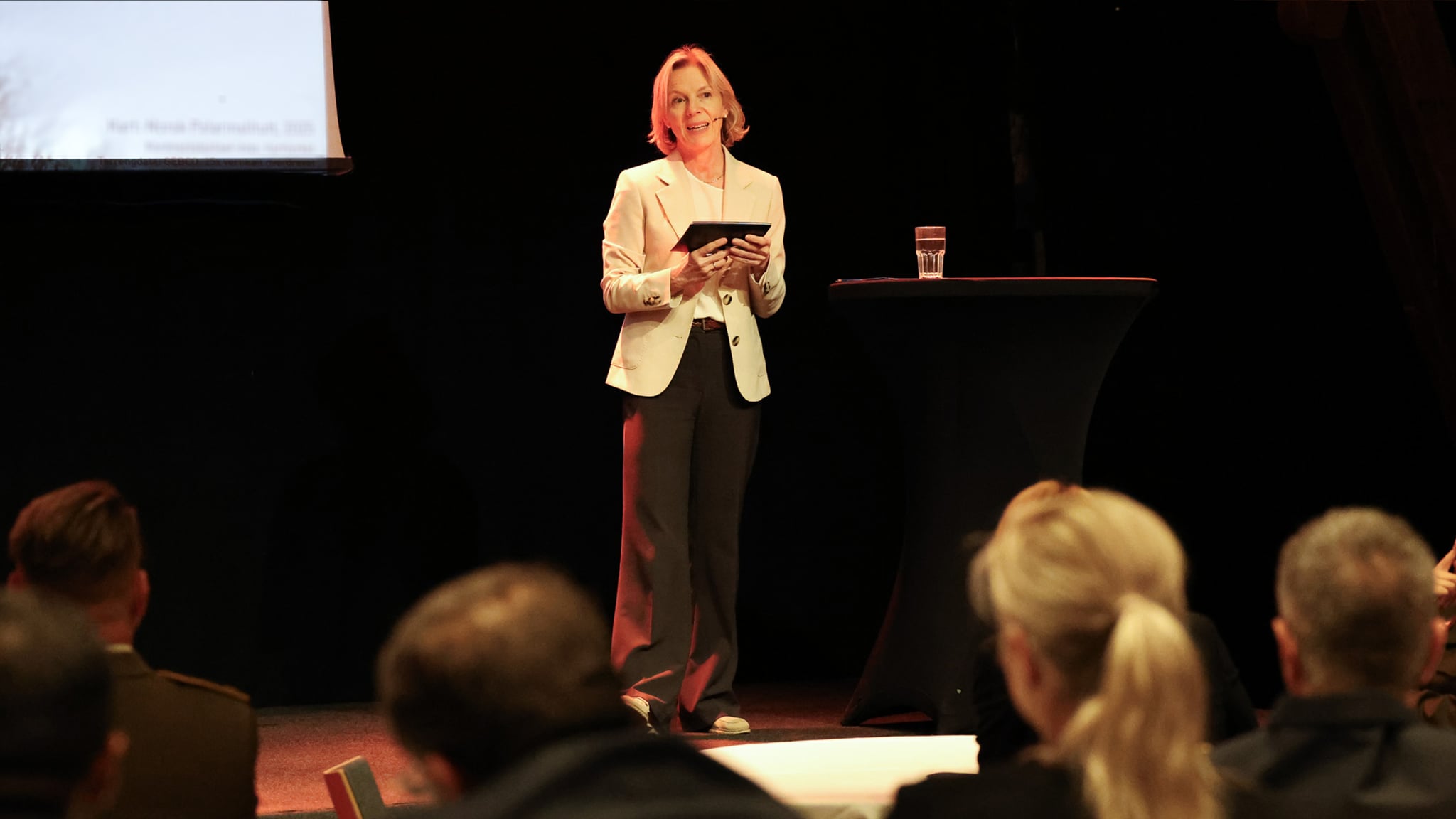
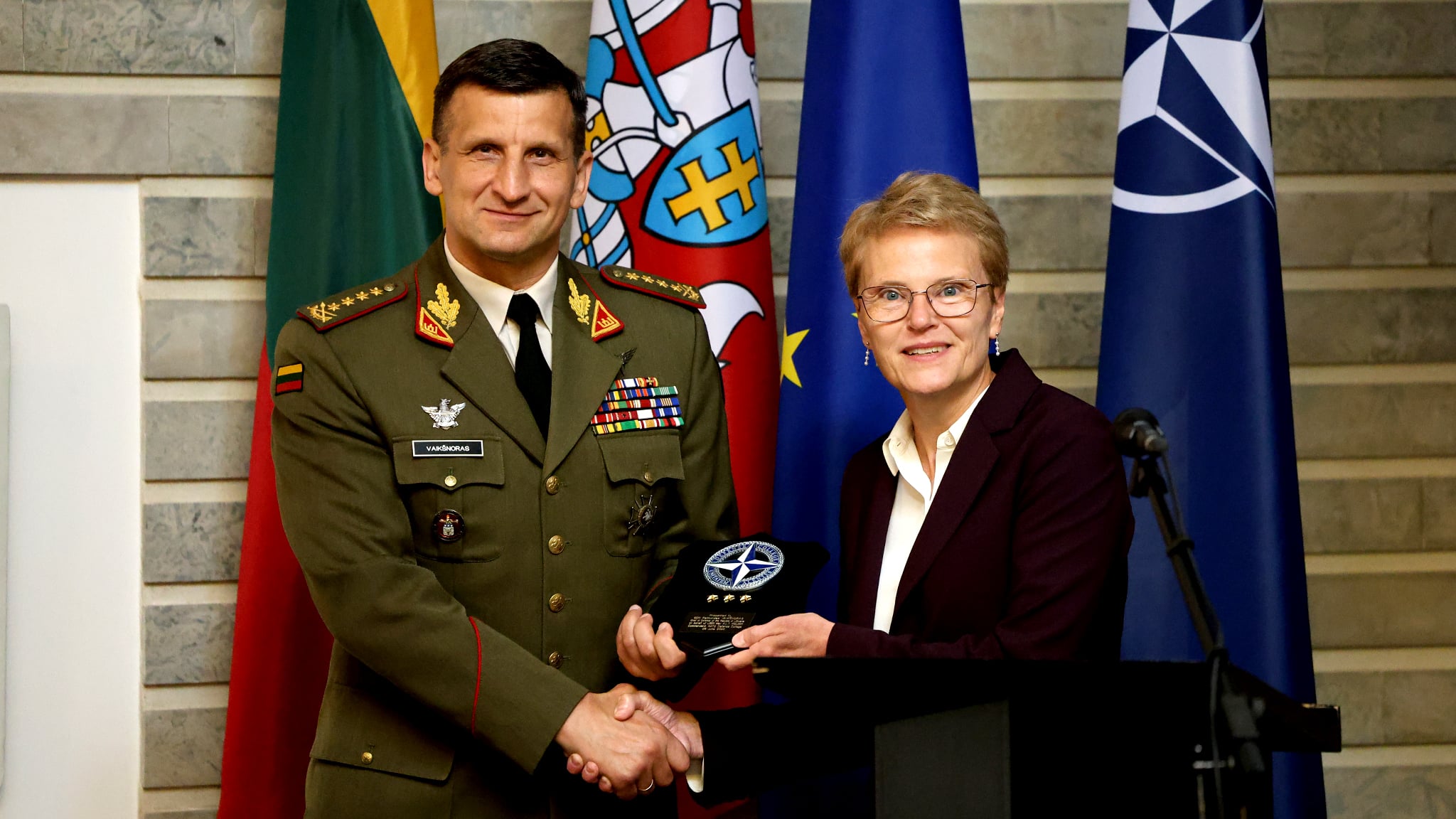

The Field Study began in Lithuania with a visit to the Ministry of National Defence, before continuing to Estonia. There, the delegation had the opportunity to visit CR14 and engage with a range of security and defence stakeholders. The final leg of the Field Study took place in Norway, beginning in Oslo and concluding with a visit to the Joint Warfare Centre in Stavanger.
Although each visited nation faces distinct geographic and strategic realities, discussions with government officials, military leaders, parliamentarians, defence industry representatives and academic experts revealed converging challenges and priorities in their assessment of the current global security environment.
A central theme throughout all three visits was the long-term challenge posed by Russia. Whether in the Baltic region or in the High North, speakers consistently identified Russia as the primary and enduring security threat, shaping defence planning, readiness requirements and deterrence strategies. Particular attention was given to Russia’s long-term military development, its increased integration with Belarus, and the growing risks associated with its use of non-conventional warfare, especially in the cyber and information domains.
In the current security environment shaped by Russia’s full-scale invasion of Ukraine, support for Ukraine is a key priority for all three countries. Norway emphasized that Ukraine’s security is directly linked to its own, and highlighted Ukraine as a long-term security partner whose battlefield experience offers invaluable lessons for Allies.
The war in Ukraine has demonstrated the importance of military readiness, societal resilience and defence-industrial capacity. It has also highlighted the enduring relevance of conventional military capabilities while underscoring the necessity of innovation, technological and military adaptation, as well as preparedness across all domains.
In this context, all three countries are significantly increasing defence spending, accelerating capability development and adapting their armed forces to operate effectively in a more contested and unpredictable security environment.
The briefings emphasized the strategic importance of strengthening national defence industries and deepening cooperation across the European defence-industrial base. The war in Ukraine has demonstrated the critical role of production capacity in sustaining military operations over time. For Norway, expanding defence production and enhancing European industrial cooperation are among the key lessons learned from the conflict. For Estonia, a stronger defence industry not only supports national defence objectives but also enables continued assistance to Ukraine.
Estonia notably showcased its growing defence technology sector and cyber expertise, including its contributions to NATO through its role in the NATO Cooperative Cyber Defence Centre of Excellence (CCDCOE). Across all three countries, the defence industry is increasingly viewed as a strategic asset that contributes both to national security and to NATO’s collective readiness.
Despite broad public support for defence, all three countries acknowledged the challenges of sustaining increased defence expenditure and the resulting pressure on national budgets and economies. Nevertheless, defence investment is widely regarded as an essential component of a broader whole-of-society approach to preparedness, deterrence and defence.
This theme was central throughout the Field Study. Lithuania’s Total Defence model integrates military preparedness, societal resilience, critical infrastructure protection and citizen engagement as key pillars of national security. Estonia’s comprehensive defence approach combines military readiness, civic participation and resilience. Supported by the Defence League and reinforced through efforts to strengthen its reserve forces, it complements the capabilities of the Defence Forces and contributes to national preparedness. In all three countries, discussions reflected a shared understanding that national defence extends far beyond military institutions. Governments, industry and citizens are increasingly seen as integral components and contributors to national security and credible deterrence.
Despite their differing national perspectives, Lithuania, Estonia and Norway all underscored the key role of NATO and collective defence. Lithuania highlighted the importance of Allied forward presence and rapid reinforcement on NATO’s eastern flank. Estonia stressed the need for credible deterrence, Alliance unity and collective defence. Norway emphasized the importance of greater European responsibility for its own security, while reaffirming the enduring value of the transatlantic relationship and US engagement.
Norway also highlighted the High North and the Arctic as increasingly contested strategic regions where military, economic and geopolitical interests overlap, making them areas of growing importance for the Alliance. Regional cooperation within Nordic-Baltic frameworks and through bilateral defence agreements was consistently presented as a force multiplier that enhances deterrence and defence.
Overall, the Field Study provided a comprehensive overview of how Baltic and Northern Allies are adapting to a rapidly evolving security environment shaped by the war in Ukraine and growing strategic competition, notably in the Arctic and the High North. Lithuania, Estonia and Norway each emphasized that preserving security across the Euro-Atlantic area will require credible deterrence, resilient societies, stronger defence-industrial capacity, continued support for Ukraine and close cooperation within NATO and among like-minded partners.
NDC Public Affairs Office
(Prepared by Ms Chloé Ketels, FRA C)


 NATO Defense College