
From 5 to 15 November, the NATO Defense College’s Senior Course visited several European capitals as part of a comprehensive Field Study exploring European defence and security as well as the contributions of European Allies to NATO. Composed of 78 senior officers, civilians and diplomats from NATO Allies and partner nations, the delegation engaged in a series of lectures and discussions with high-level government and military officials.

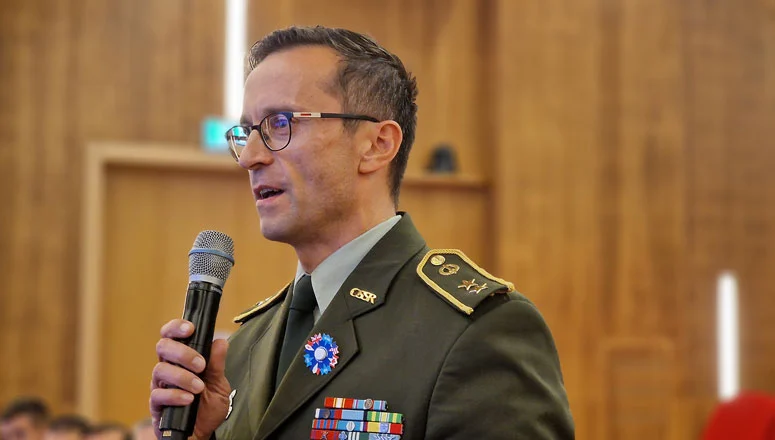
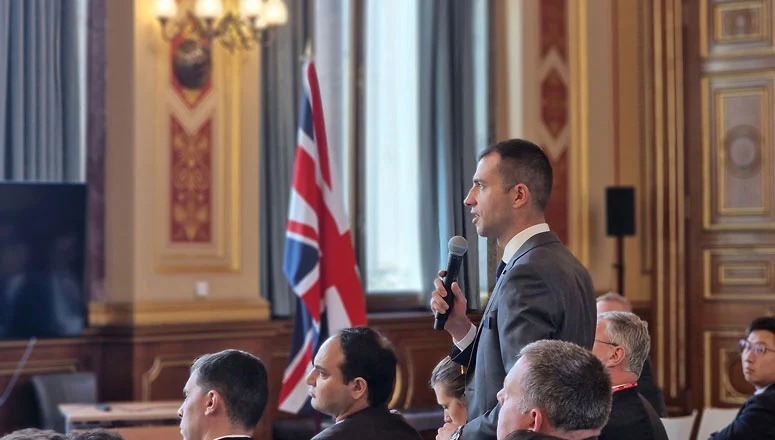
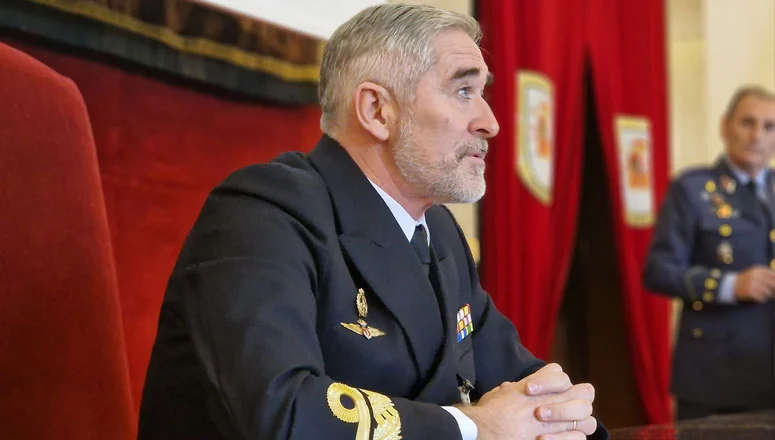
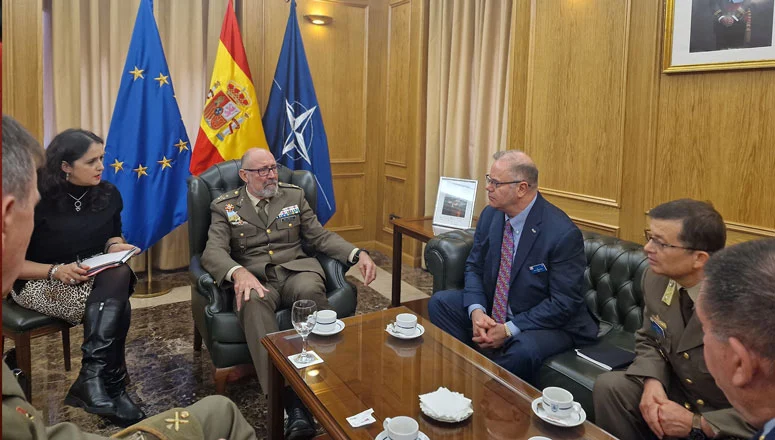
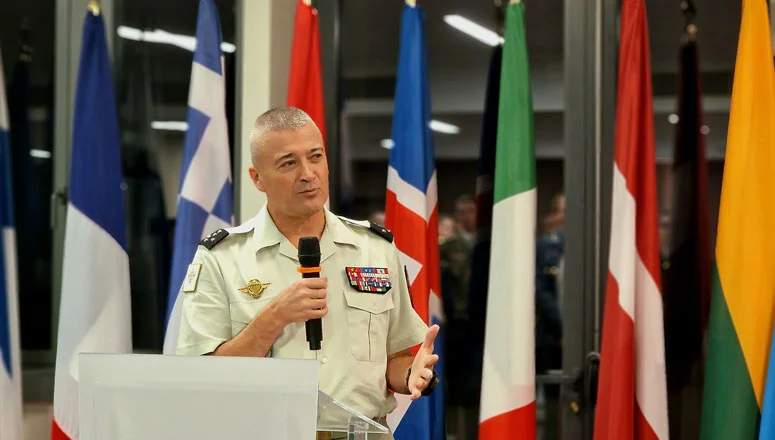
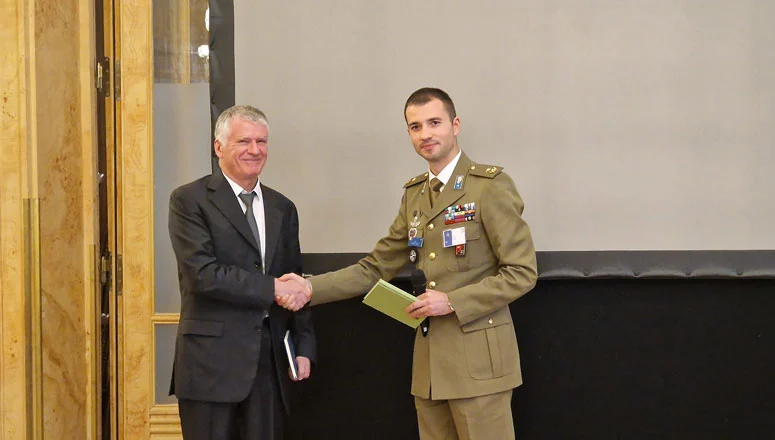

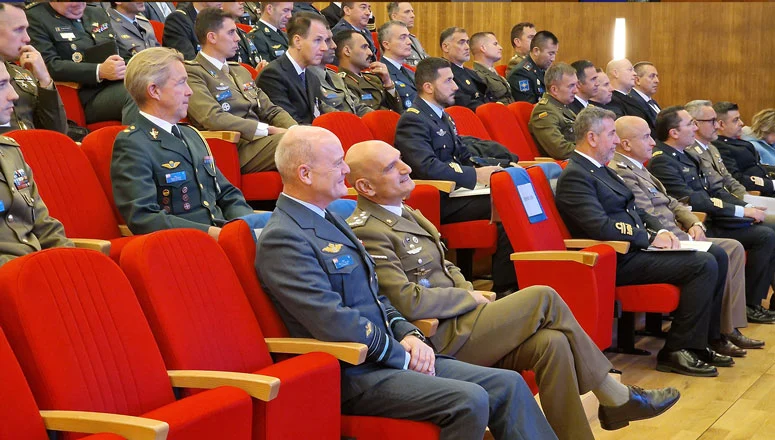

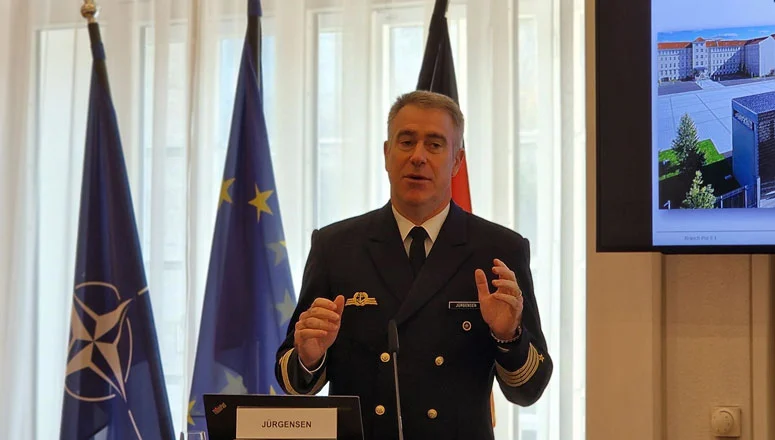
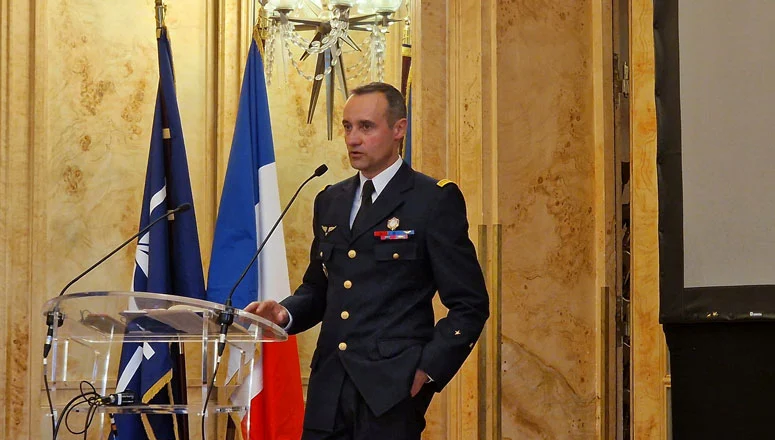
Visiting major defence and foreign affairs institutions in Berlin, Madrid, London, Paris and Rome, NDC Course Members learned about each country’s unique defence capabilities, decision-making processes, and strategic priorities concerning their national defence. They also explored their commitment and contributions to collective defence and security, in particular through the EU and NATO.
A recurring theme throughout the Field Study was European nations’ renewed emphasis on defence and deterrence in response to Russia’s ongoing aggression in Ukraine. European nations have significantly increased their investment in strengthening their own defence capabilities and fostering closer ties with the defence industry. Discussions addressed defence spending and financial contributions to NATO, recognizing the importance of burden-sharing. Overall, the discussions highlighted European nations’ efforts in assuming greater responsibility for their own security, notably by developing a stronger EU defence policy.
Each capital reaffirmed their support to their Ukrainian partner “for as long as it takes”, placing the war and the pushback against Russia at the forefront of their strategic priorities. The briefings underscored the importance of learning from this war, not least regarding the changing nature of warfare. The adaptation to multi-domain threats was also a central focus of the discussions. European Allies expressed their commitment to implementing the new NATO Force Model – agreed upon at the 2022 NATO Summit in Madrid – which is designed to achieve higher readiness at greater scale across domains and to improve NATO’s capacity to respond at short notice.
Looking beyond the eastern flank, European nations are fostering a 360-degree approach to security and defence. They emphasized the importance of NATO’s southern neighbourhood, especially for Italy and Spain, viewing the Mediterranean, the Middle East and Africa as strategic regions with a direct impact on Euro-Atlantic security and stability. The Indo-Pacific was also highlighted as an increasingly important area of focus for the Allies, with particular attention paid to China as NATO’s and Europe’s main strategic competitor. London discussed its “cooperate, compete and challenge” approach to its relationship with Beijing, aimed at containing China’s growing influence while maintaining secure ties in certain areas such as trade, climate change and global health.
The lectures underscored European nations’ commitment to multilateralism and collective security. The host countries highlighted their contributions to multilateral organizations, especially the EU and NATO. While addressing the need for the EU to play a more central role in its own defence, the briefings reaffirmed NATO’s role as a cornerstone of Europe’s security. In particular, the discussions emphasized the importance of enhanced cooperation and interoperability between the EU and NATO.
This Field Study also provided Course Members with first-hand insights into the specific aspects of national postures towards NATO and European security. Indeed, the briefings presented contrasting perspectives between France and the UK, two key European nuclear powers. While London stressed the alignment of its approach to nuclear deterrence with its “NATO first” policy, Paris explained how it strives to balance collective defence with its commitment to strategic autonomy, thereby relying strongly on its nuclear deterrent.
Overall, the NDC’s visits to key European capitals provided participants with invaluable insights into the evolving European security landscape and highlighted the shared commitment of NATO Allies to global, collective security. While the war in Ukraine remains a central concern, European nations are also focusing on broader security challenges, including those posed by China and instability on NATO’s southern flank. Underscoring the importance of transatlantic cooperation, of EU-NATO synergies and of a balanced approach to national interests and multilateralism, the discussions offered the delegation a comprehensive overview of the current strategic imperatives facing European players.
NDC Public Affairs Office
(Prepared by Ms Chloé Ketels, FRA C)


 NATO Defense College