
This Field Study marked the NATO Defense College’s first visit to the Indo-Pacific/East Asia region, reflecting its significance as outlined in NATO’s 2022 Strategic Concept. The Strategic Concept identifies China as an emerging strategic challenge and a significant regional and global power, emphasizing the need to strengthen dialogue and cooperation with regional partners to enhance global security, with an increased focus on the Indo-Pacific.
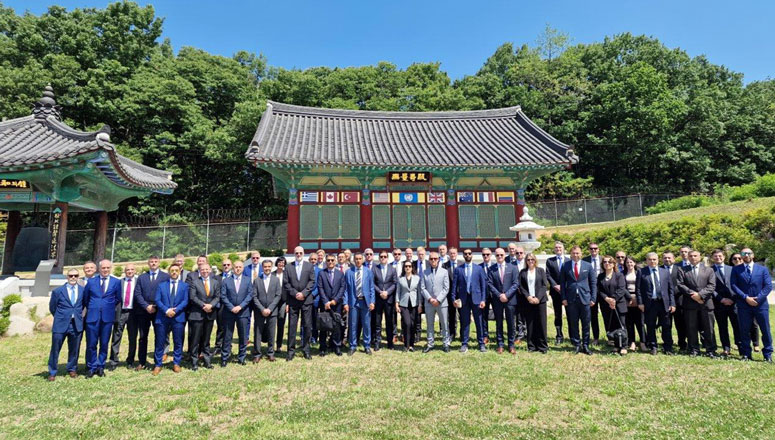
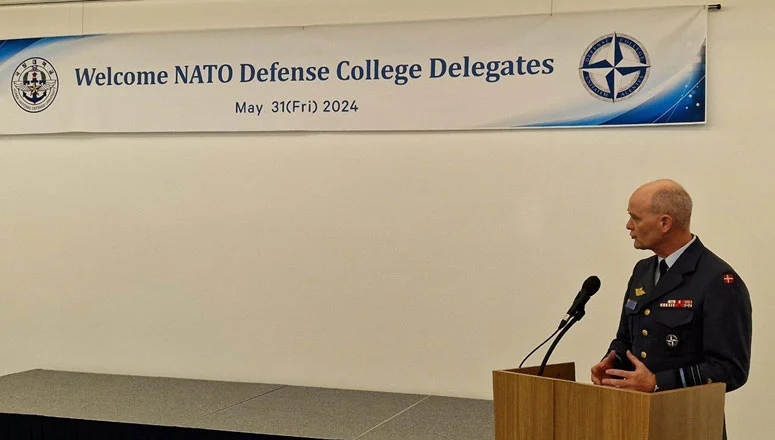
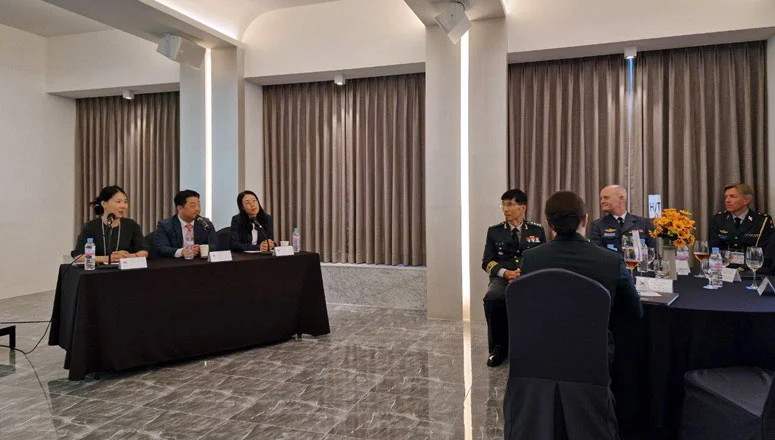
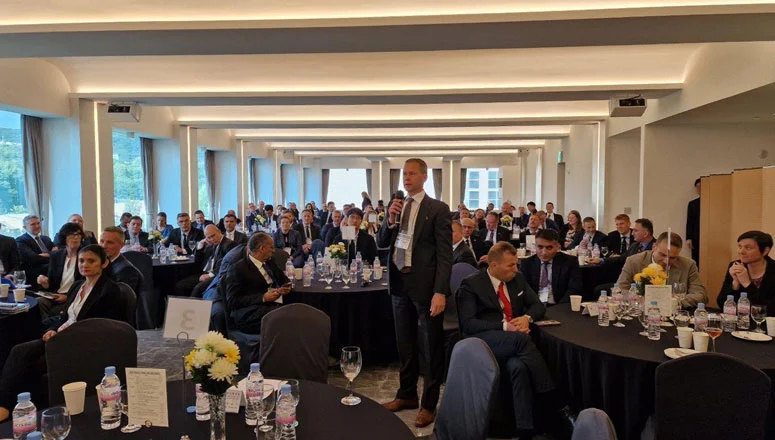
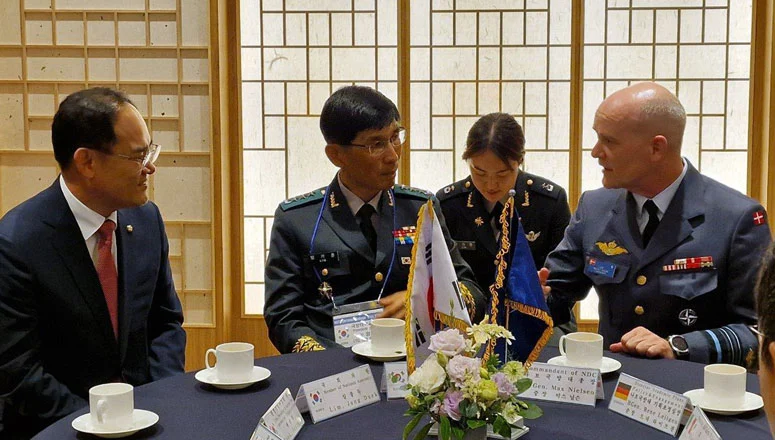
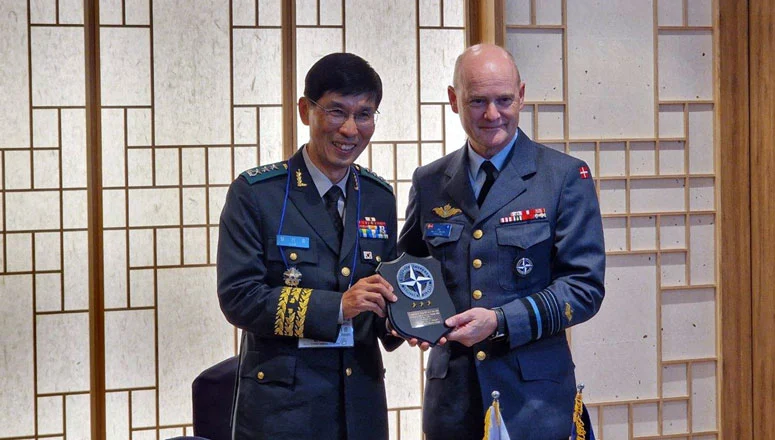
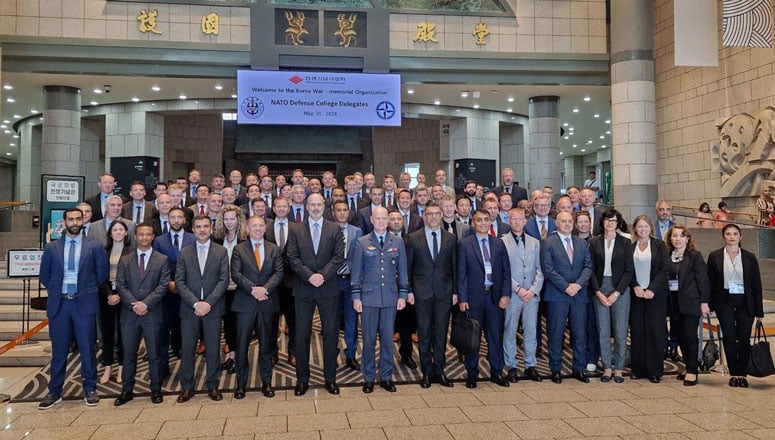
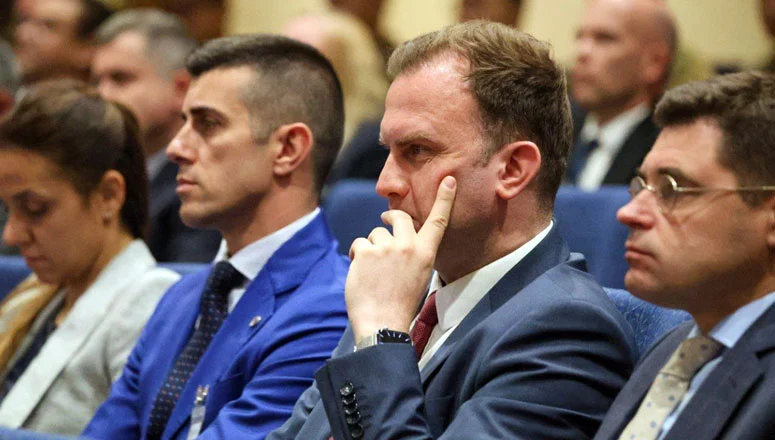
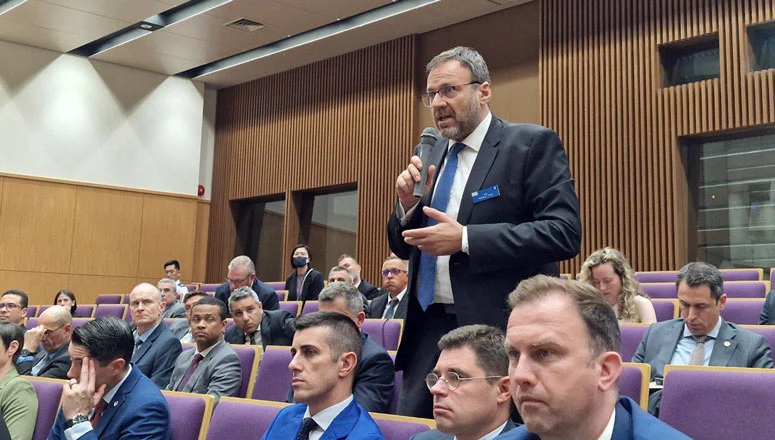
The visit aimed to provide Course Members (CMs) with a better understanding of the Republic of Korea’s (ROK) strategic imperatives, national security strategy, and its role in the Indo-Pacific. It was also designed to elicit insights into ROK’s collaboration with the United States and NATO’s adaptation to dynamic security challenges. The DPRK’s nuclear ambitions and unpredictable behaviour pose a significant threat to regional stability and global security, undermining denuclearization and non-proliferation efforts. The visit was also an opportunity to strengthen ties between the NATO Defense College and the Korean National Defence University. As NATO’s premier educational institution, the NDC recognizes the importance of understanding the Indo-Pacific to address NATO’s priorities effectively. The ROK’s strategic position in East Asia and its insights into contemporary challenges are crucial to NATO’s strategic planning. Sustained dialogue, cooperation and capacity-building are therefore increasingly necessary to promote peace, stability and prosperity in the region.
The first stop on this leg of the Field Study was a visit to the Joint Security Area (JSA), a unique section within the Korean Demilitarized Zone where North and South Korean forces face each other for diplomatic engagements. The United Nations Command Security Battalion – Joint Security Area (UNCSB-JSA) secures this location, enforces the Armistice Agreement, and facilitates diplomatic dialogue. Since 1953, the UNCSB-JSA has been crucial in building trust through direct interactions with the North Korean military.
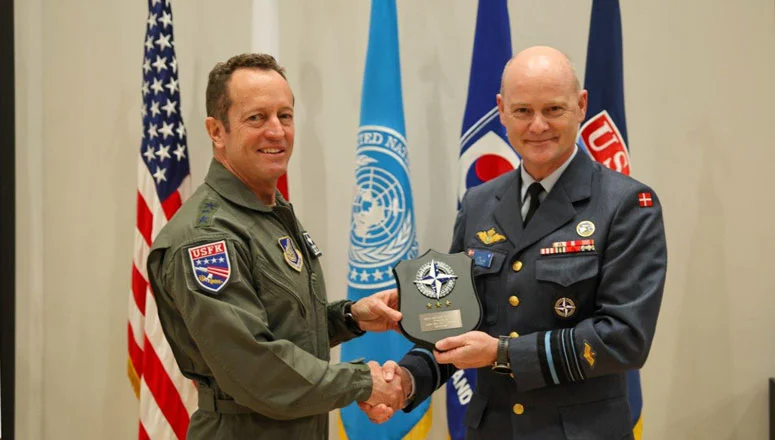
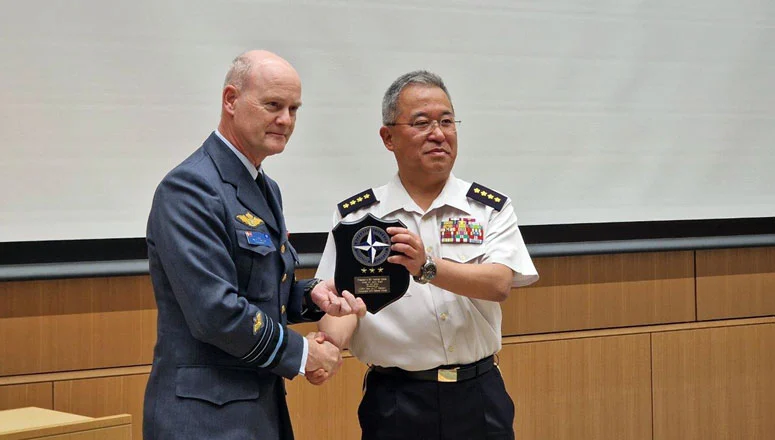
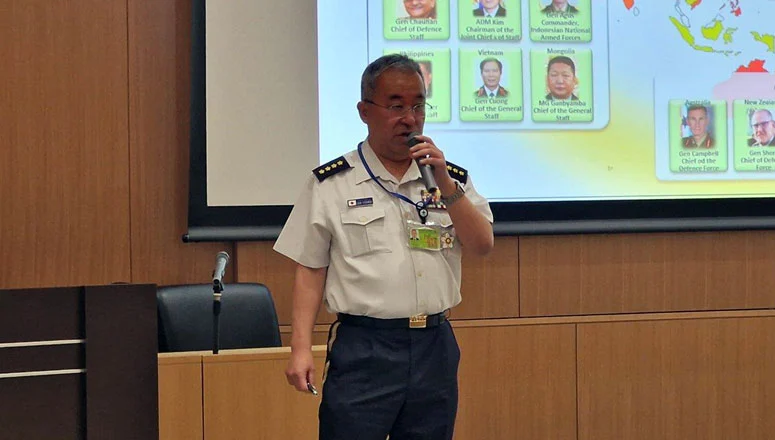
The NDC delegation then moved to the War Memorial of Korea, where Lieutenant General Max A.L.T. Nielsen, Commandant of the NDC, met with Lieutenant General Lim Ki-hoon, Director of the Korean National Defence University, and other relevant authorities. This meeting explored potential areas of cooperation and synergy in strategic education and research, such as joint research projects, lectures and study periods. Subsequently, a representative of the Ministry of Defence delivered a briefing on ROK’s defence policy and organization, covering topics such as security situation assessment, trends in North Korea, regional threats, the Indo-Pacific defence strategy, and the defence industry. The Ministry of Foreign Affairs then presented on NATO’s Indo-Pacific partnership and the ROK’s foreign policy, focusing on the importance of partnership programmes between the Republic of Korea and NATO.
Course Members then went on a captivating tour of the National War Museum. As a vital repository, the museum preserves the nation’s history of resilience against foreign forces and its determination to defend its independence in times of crisis. It serves as a powerful symbol of Korea’s commitment to peace and unity.
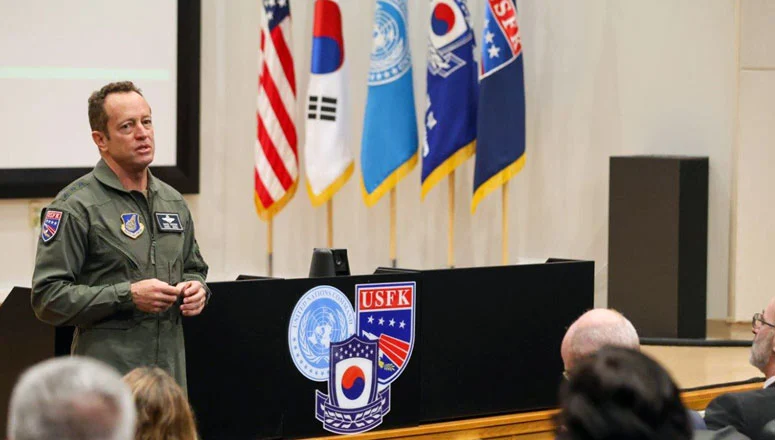
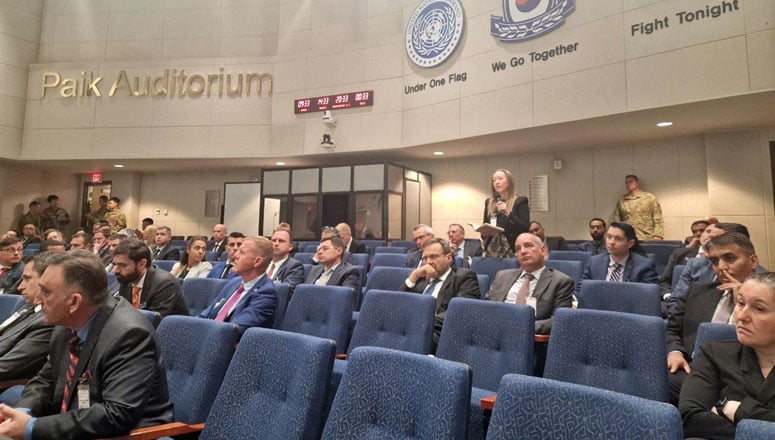
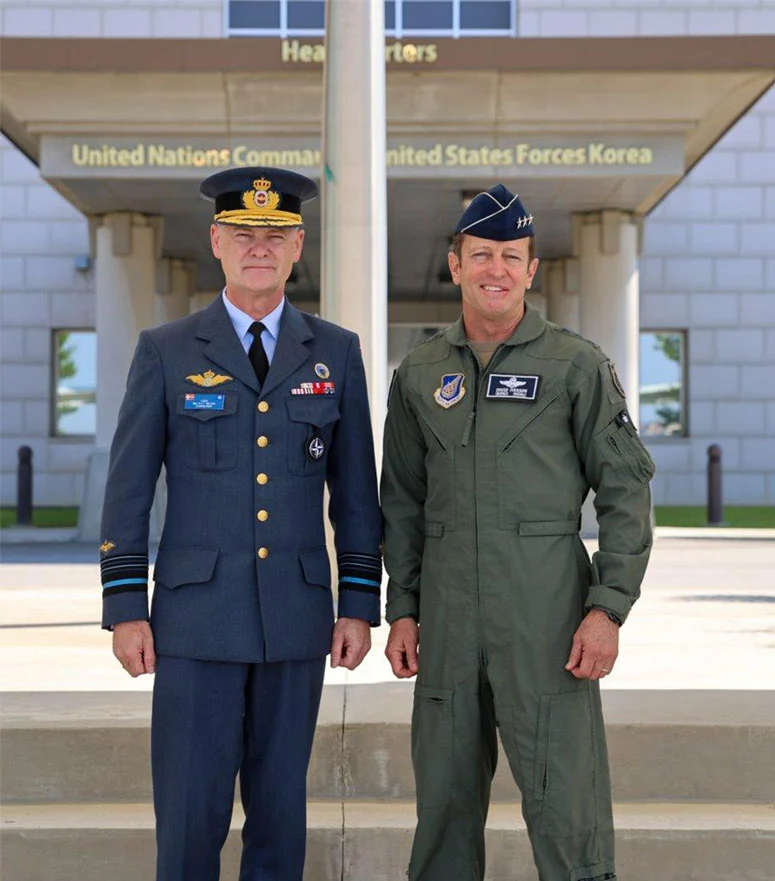
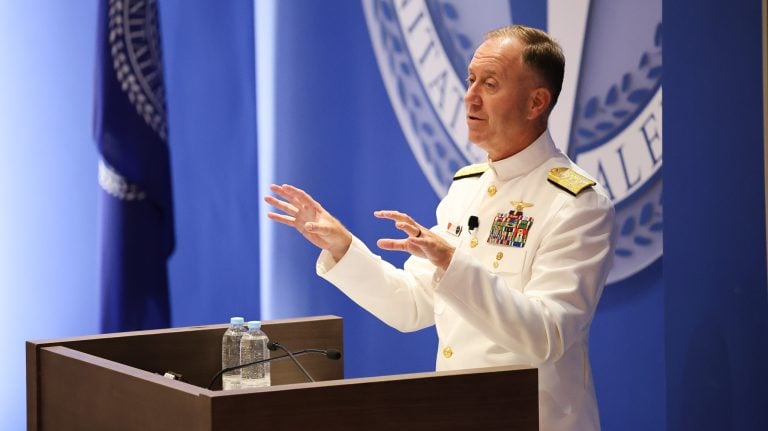
The last activity for the NDC delegation was a visit to Camp Humphreys, home to the United Nations Command (UNC), Combined Forces Command (CFC), and United States Forces Korea (USFK). Lieutenant General David R. Iverson, Deputy Commander of USFK, delivered his welcome remarks and briefed guests on the Tri-Command’s mission. Senior Course 144 engaged in high-level discussions with officials from the UNC, CFC and USFK, focusing on contemporary issues impacting the ROK-US alliance, with special emphasis on the DPRK threat and Euro-Atlantic security. The visit aimed provide the Course Members with a comprehensive understanding of the Korean theatre of operations, South Korea’s strategic landscape and its ongoing collaborative efforts with NATO and Allies.
Asked about the ROK visit, an SC 144 Course Member stated: “No Course Member will forget the Republic of Korea leg of Field Study 3, with its multitude of thought-provoking experiences. Who could not be moved by the poignancy of the War Memorial of Korea, the strategic tensions witnessed up close in the Joint Security Area, the fortitude of the men and women of Combined Forces Command, and South Koreans’ relentless commitment to building peace and prosperity in their land? With so many linkages to the Euro-Atlantic area, we have much to reflect on.”
In summary, the Field Study to the Republic of Korea not only succeeded in deepening understanding among Course Members but also laid the groundwork for stronger institutional connections between the NATO Defense College and Korean National Defence University establishments. This collaborative approach is vital for navigating the complex global security landscape and strengthening the NATO Alliance. Furthermore, the visit highlighted the importance of enhancing dialogue and cooperation with partners in the Indo-Pacific region for both global and regional security and stability, aligning with NATO’s overarching strategic objectives.
NDC Public Affairs Office
(Prepared by LTC Massimo Giuliano, ITA A)

 NATO Defense College