
The NATO Defense College led a delegation of senior officers, diplomats and civil servants from NATO member countries and partner countries to NATO Headquarters (HQ), the Supreme Headquarters Allied Powers Europe (SHAPE), and the European Union Military Staff (EUMS) in Brussels. Participants attended a high-level programme dealing with most pressing matters for the Alliance.
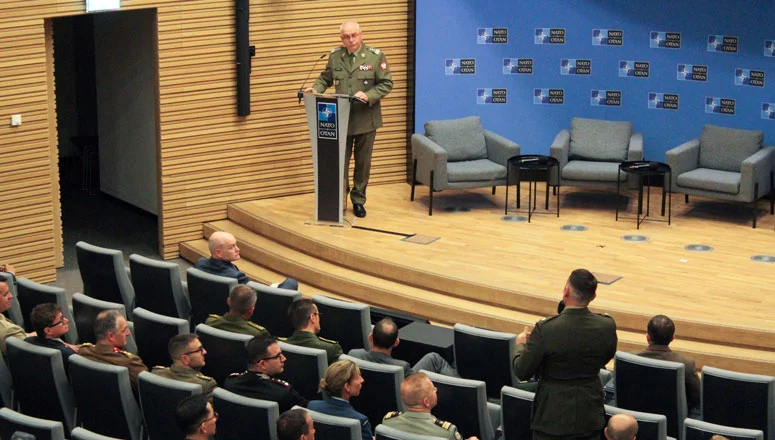
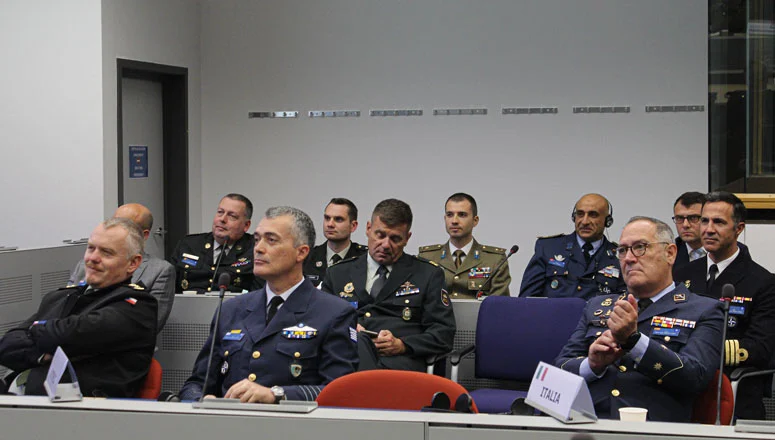
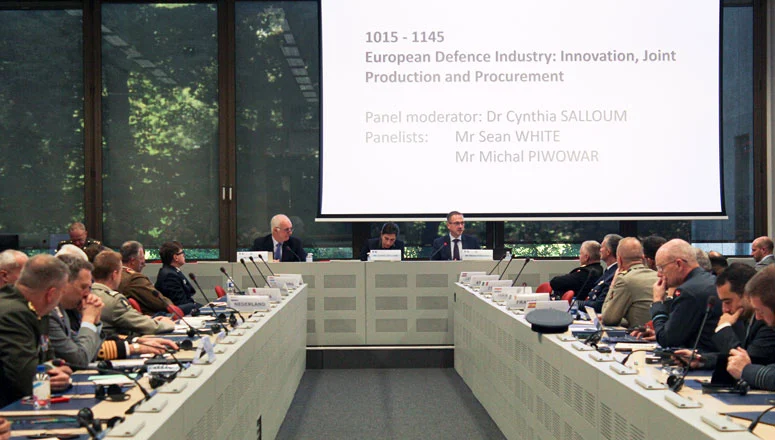
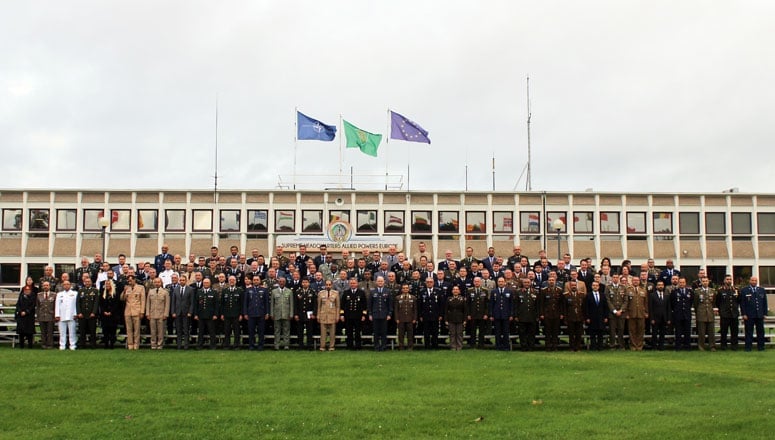
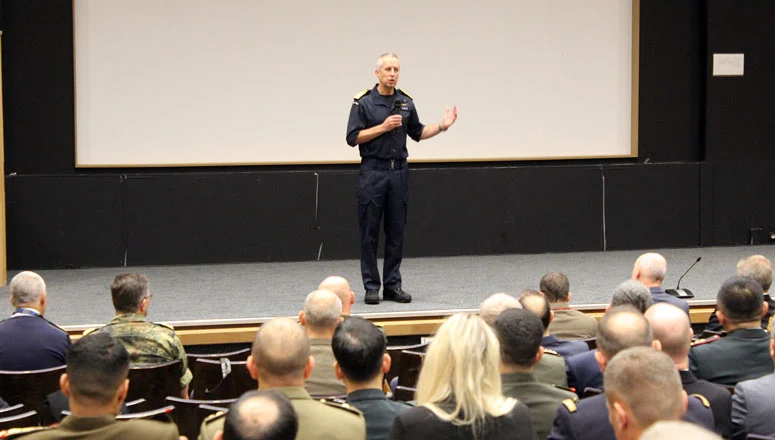
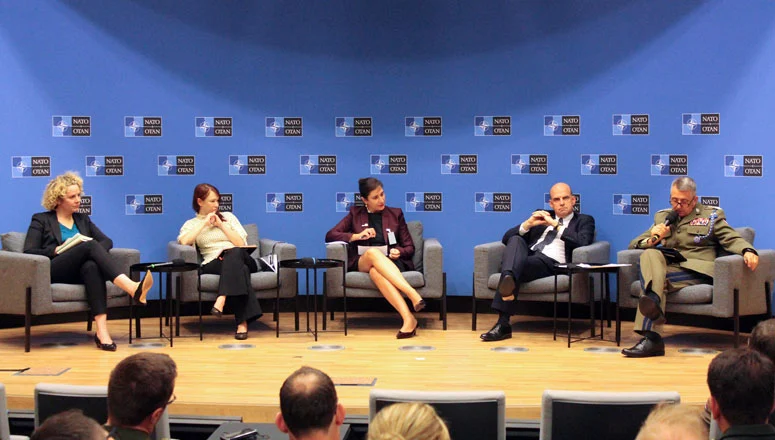
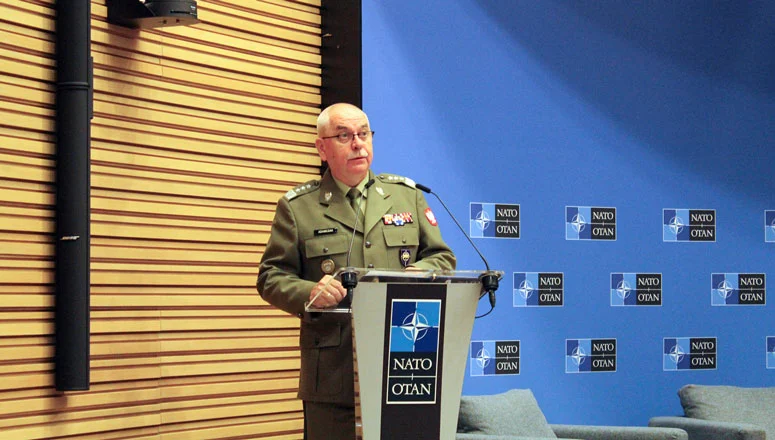
During their visit at NATO HQ, Course Members from the NDC’s Senior Course and NATO Regional Cooperation Course were briefed on NATO’s current deterrence and defence priorities, as well as the importance of further consolidating its partnerships around the world, building effective cooperative security policies with its partners. During his address to the delegation, Lieutenant General Janusz Adamczak, Director General of the NATO International Military Staff, reiterated the Alliance’s unwavering support to Ukraine. As Russia remains the most significant and direct threat to Allies’ security, he stressed the importance of deterrence and defence on the Eastern flank of the Alliance while addressing important areas of concern for NATO in the Southern Neighbourhood, the continued significant of the terrorist threat, but also, current and future challenges in the Indo-Pacific.
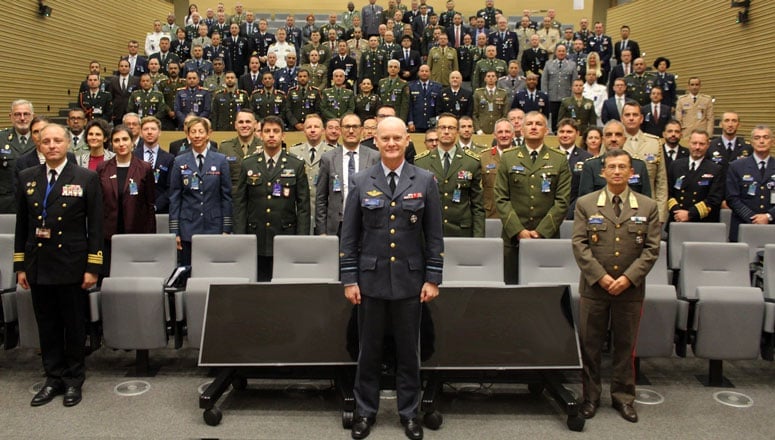
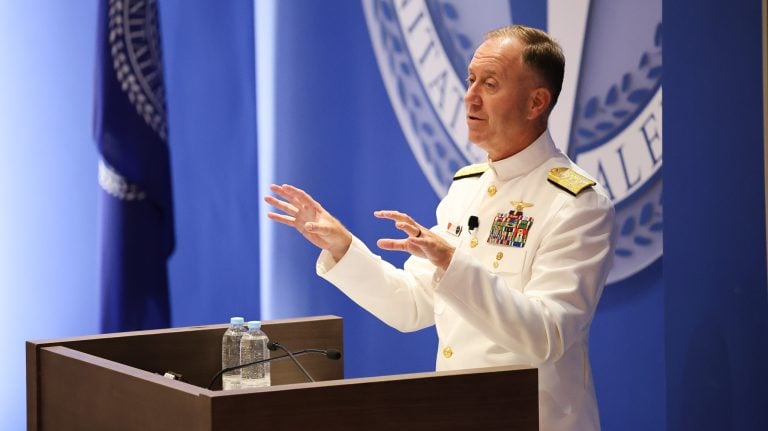
NATO’s commitment to enhance its readiness in today’s ever-evolving security landscape was a central theme throughout the visit. The briefings at NATO HQ and SHAPE provided insights into the Alliance’s ongoing war-fighting transformation and modernization, adapting to multi-domain operations, occurring on both the strategic and institutional level. At SHAPE, the delegation had the opportunity to engage with NATO’s Deputy Supreme Allied Commander Europe (DSACEUR) Admiral Sir Keith Edward Blount discussing how SHAPE is adapting its role, tasks and responsibilities to optimize its capacity to operate effectively as NATO’s strategic warfighting headquarters.
The visit at NATO HQ and SHAPE highlighted another crucial priority for the Alliance: gaining advantage in conventional military warfare. Lecturers emphasized NATO’s focus on bolstering its military capabilities, ramping up the production to meet the demands generated by the war in Ukraine, and securing sustainable procurement. This objective can only be achieved through closer collaboration with the defence industry, as well as the streamlining of logistical flows and institutional processes.
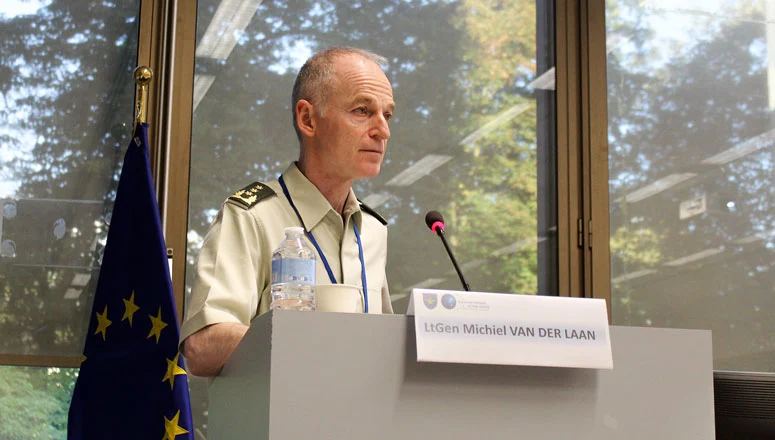
Furthermore, during their visit to the EUMS, the delegation discussed the role of the EU as a security actor given the changing European security framework. Lieutenant General Michiel van der Laan, Director General of EUMS and Director of Military Planning and Conduct Capability, discussed the enhanced focus of the EU on defence policy and also enhancing EU-NATO collaboration. The discussion highlighted the need for enhanced NATO-EU collaboration, while acknowledging the challenges posed by information sharing between both organizations.
Beyond its efforts to enhance its defence and security strategy, the EU is also committed to reinforce both its readiness and resilience on the civilian side. The briefings at the EUMS provided the NDC delegation with an overview of the EU’s crisis management framework and tools, focusing on efforts to support Ukraine and highlighting the importance of prevention, preparedness, and response planning, including cooperation with NATO.
In furtherance of the NDC’s curriculum objectives in providing Couse Members with a comprehensive overview of NATO and the security environment in which it operates, this visit to Brussels offered participants invaluable insights into NATO’s and the EU’s roles in addressing emerging challenges. Participants gained a deeper understanding of the Alliance’s priorities, learning about the critical importance of strengthening defence capabilities, adapting to multi-domain operations, fostering robust partnerships around the globe, and enhancing collaboration between NATO and the EU.
NDC Public Affairs Office
(Prepared by Ms Chloé Ketels, FRA C)

 NATO Defense College